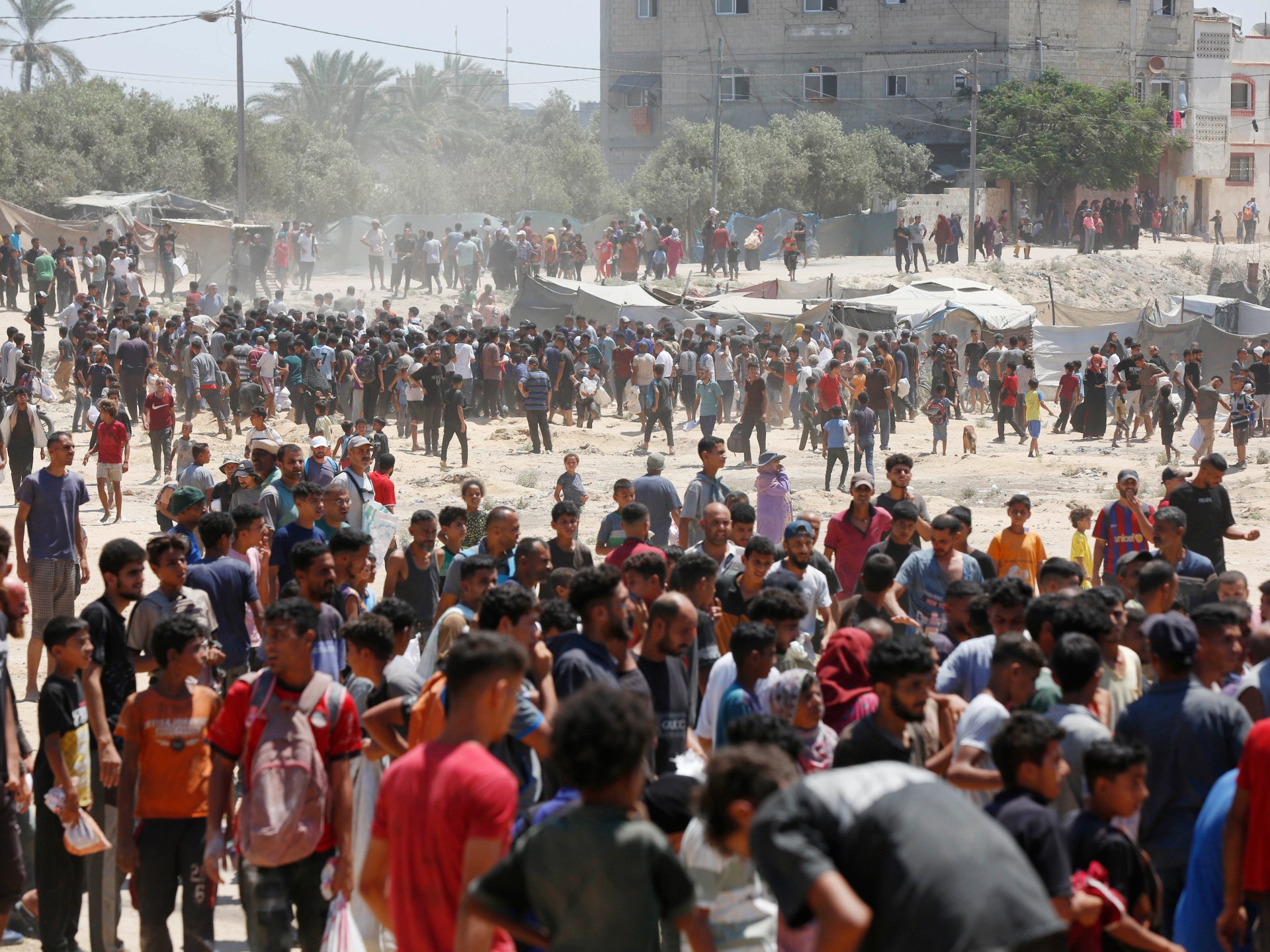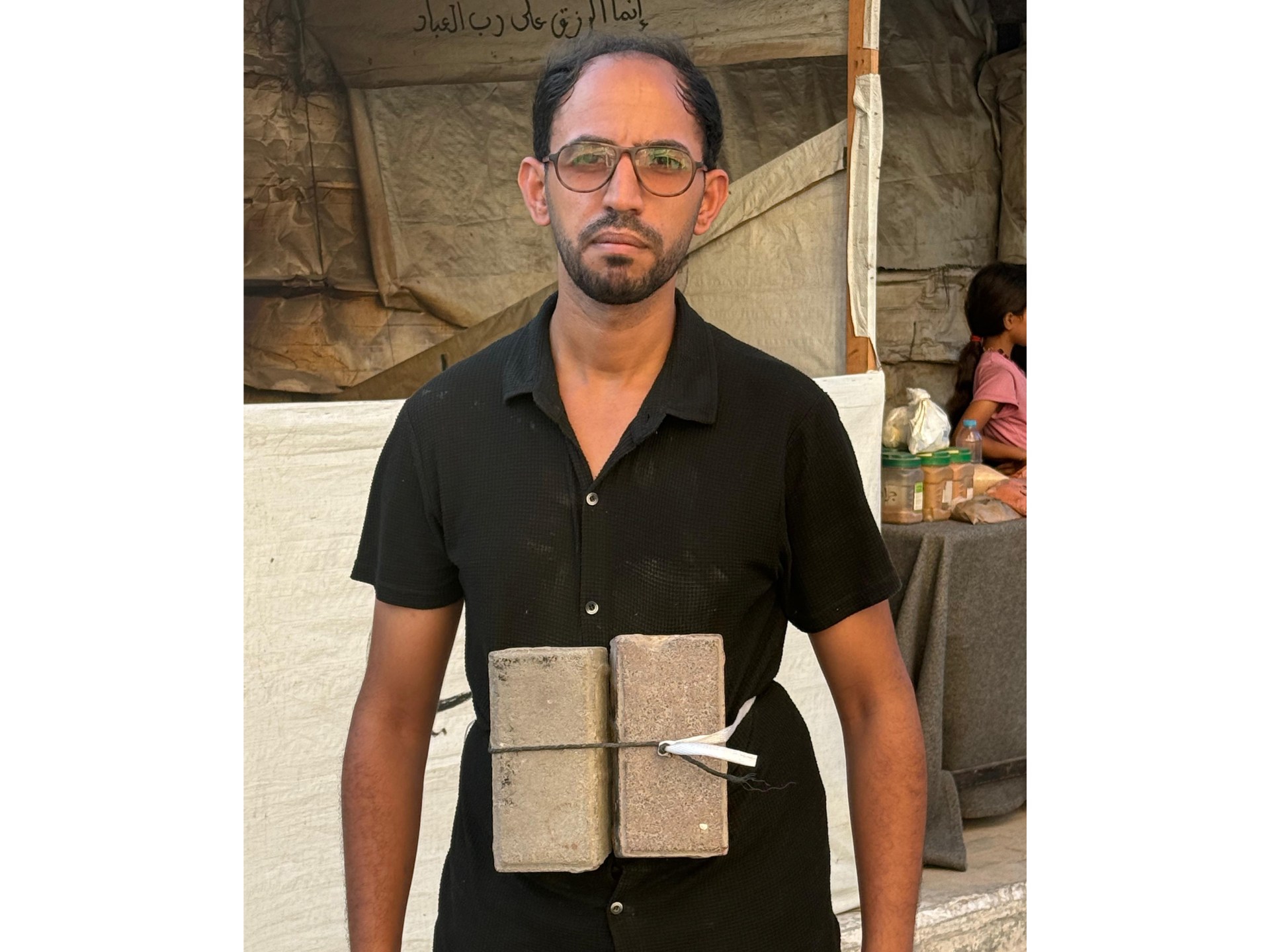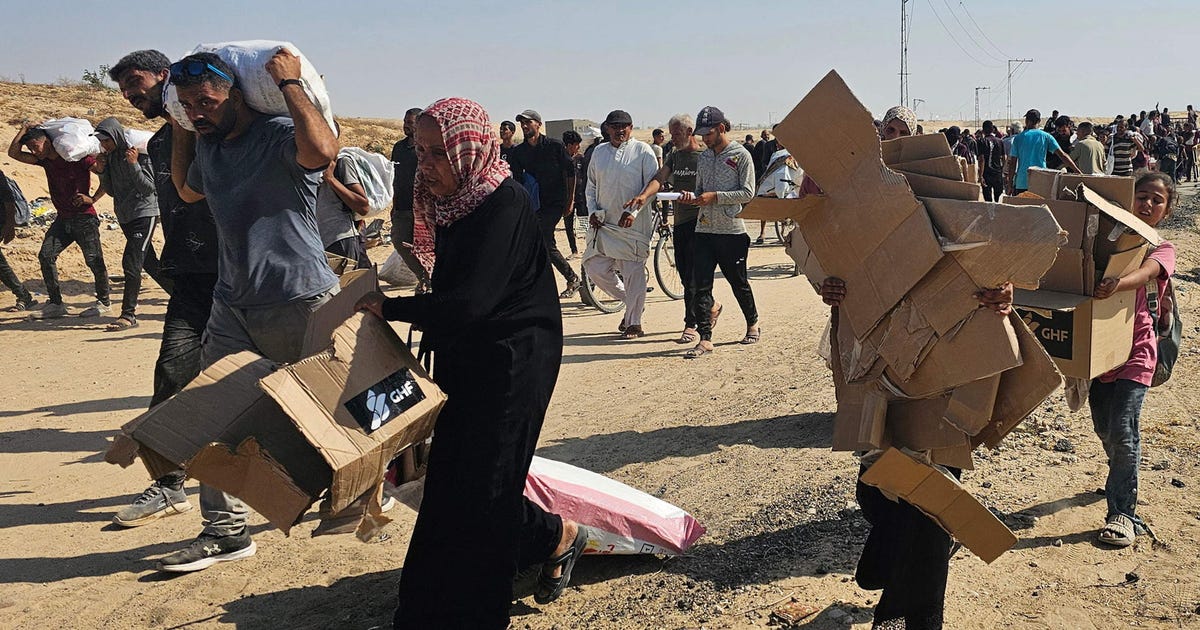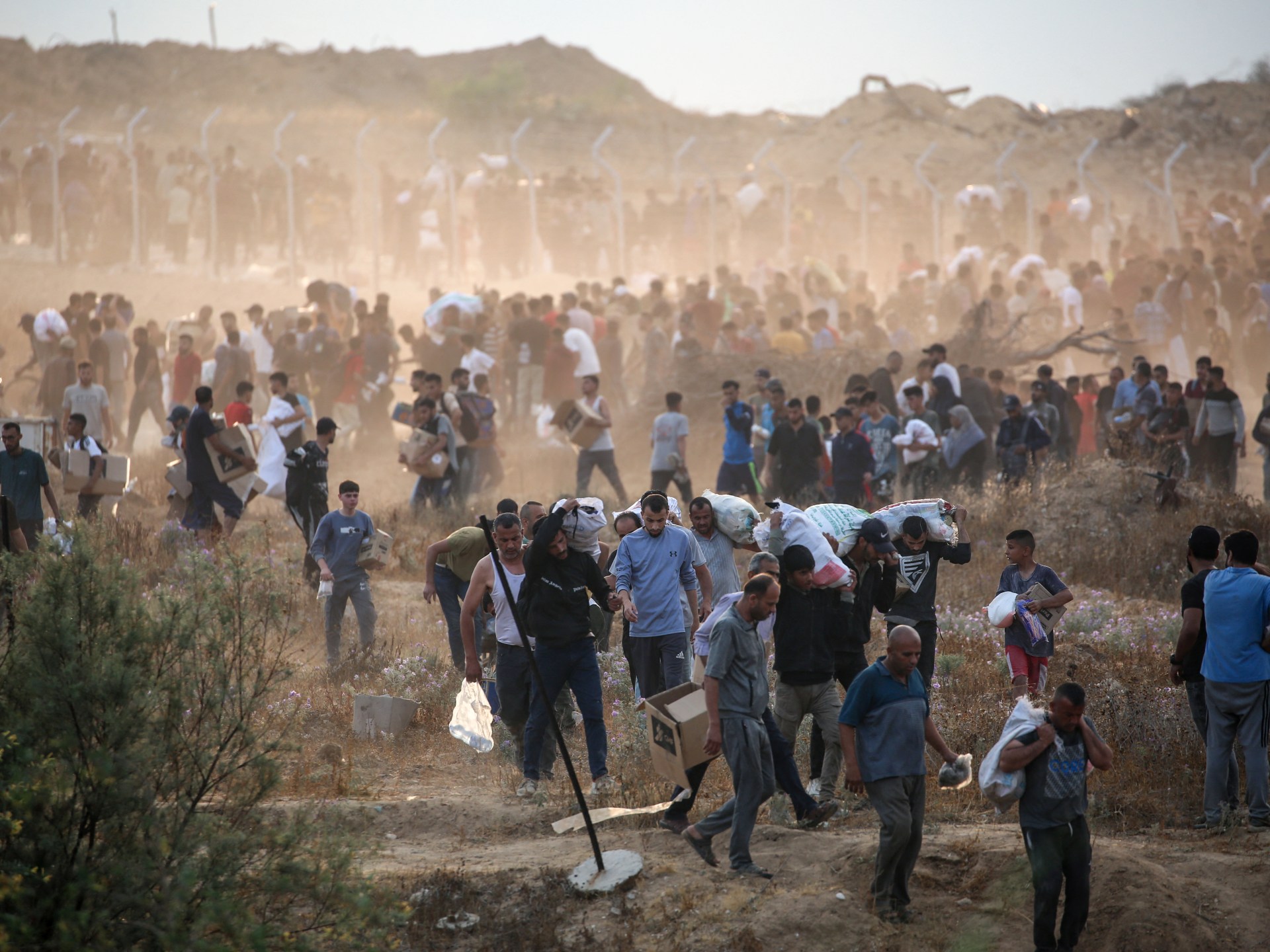
No amount of hunger would push me to seek aid wrapped in blood and humiliation.
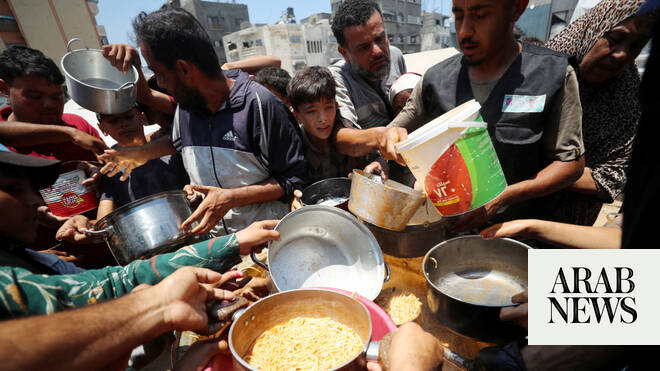
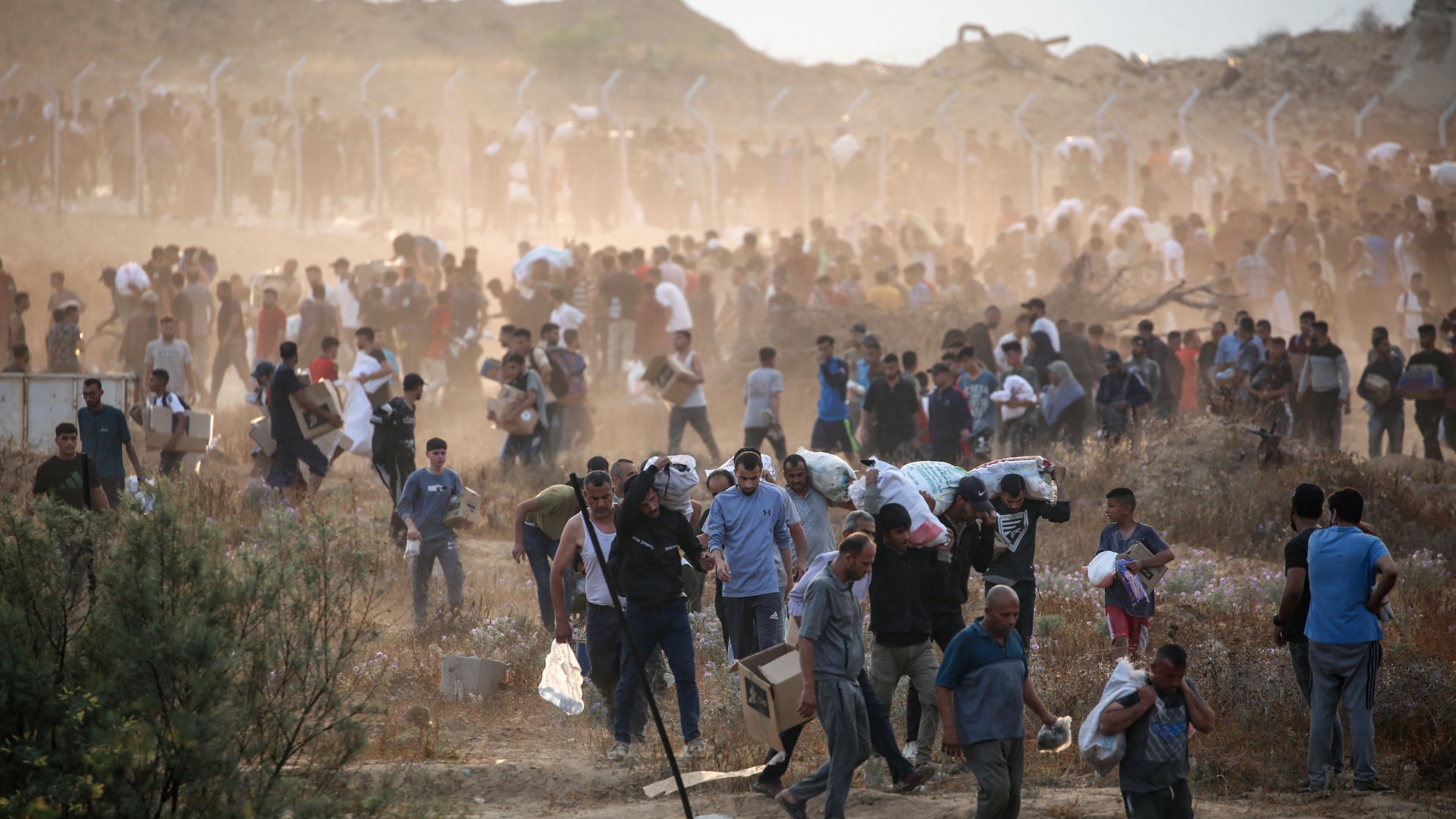
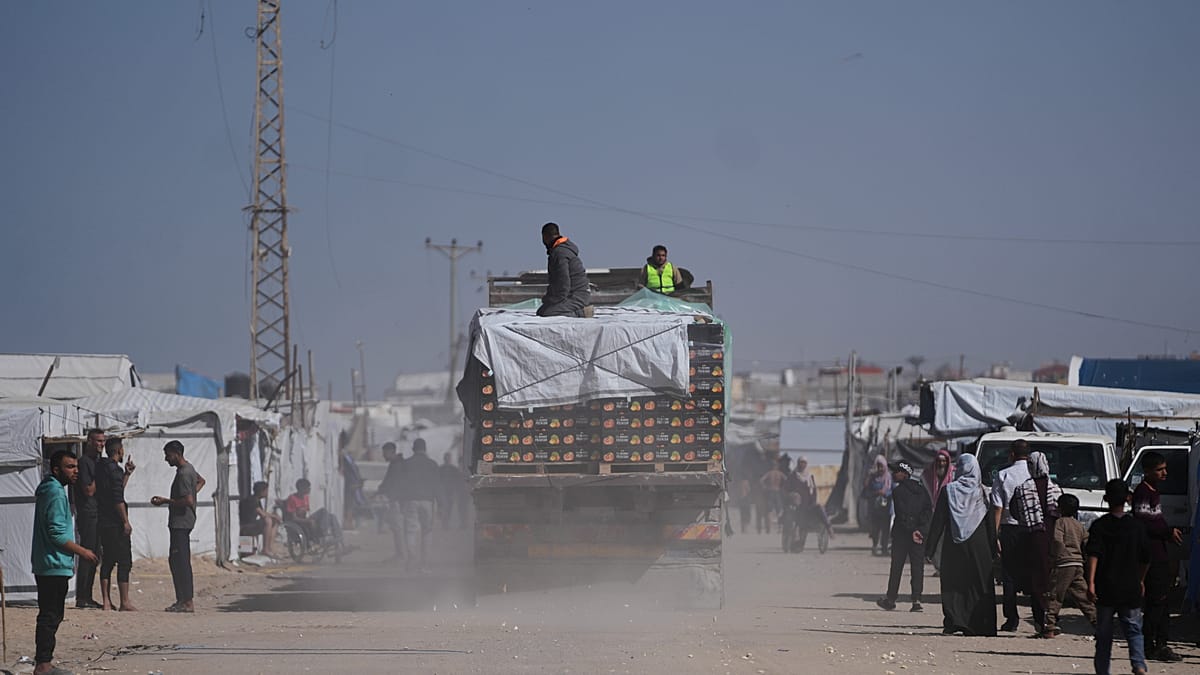
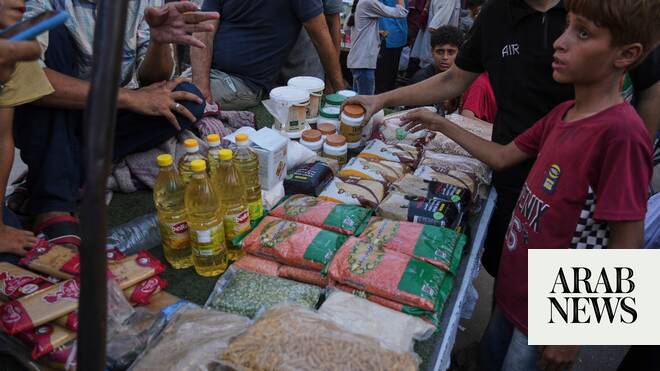
It has been two months since I last ate bread. Food in the markets has been fading away since Israel blocked nearly all aid into Gaza on 2 March. Following the blockade, food prices skyrocketed. Sugar and flour vanished, fruits and vegetables became a rare sight, and only red lentils remained available in the markets.
Unlike many others who stored food during the January truce, fearing another harsh round of famine, my family and I made the risky decision not to store anything. We had previously done so, but lost everything when Israeli soldiers reached our area with their tanks.
In such moments, you don’t think of food. You forget about your empty stomach and weak body. You just count your loved ones, make sure the number matches what you memorised, and escape.
While we made this decision of our own free will, many had no choice — including the four families from the Shujaiyya neighbourhood now sheltering in our home. The breadwinners lost their incomes due to the war: a taxi driver whose car was bombed, a co-owner of a plastic manufacturing workshop that was destroyed, an electrician who rarely works since Israel cut off power, and a snack vendor with nothing left to sell.