While figures like Steve Bannon have exploited the issue, scientists have done themselves no favours by shutting down legitimate inquiry
M
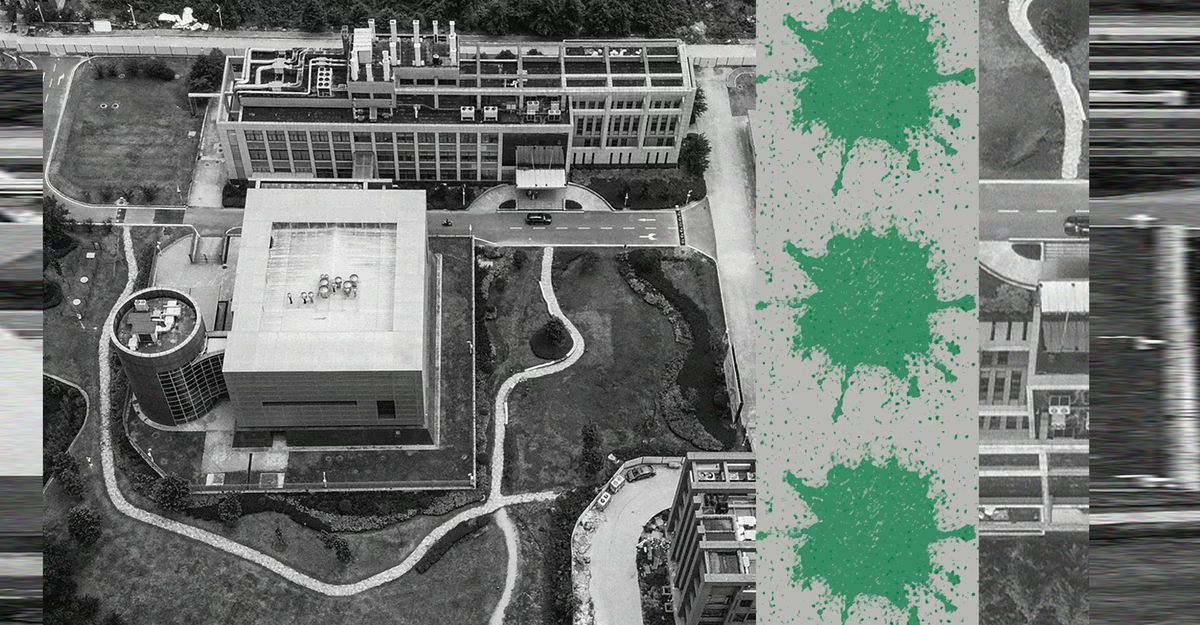
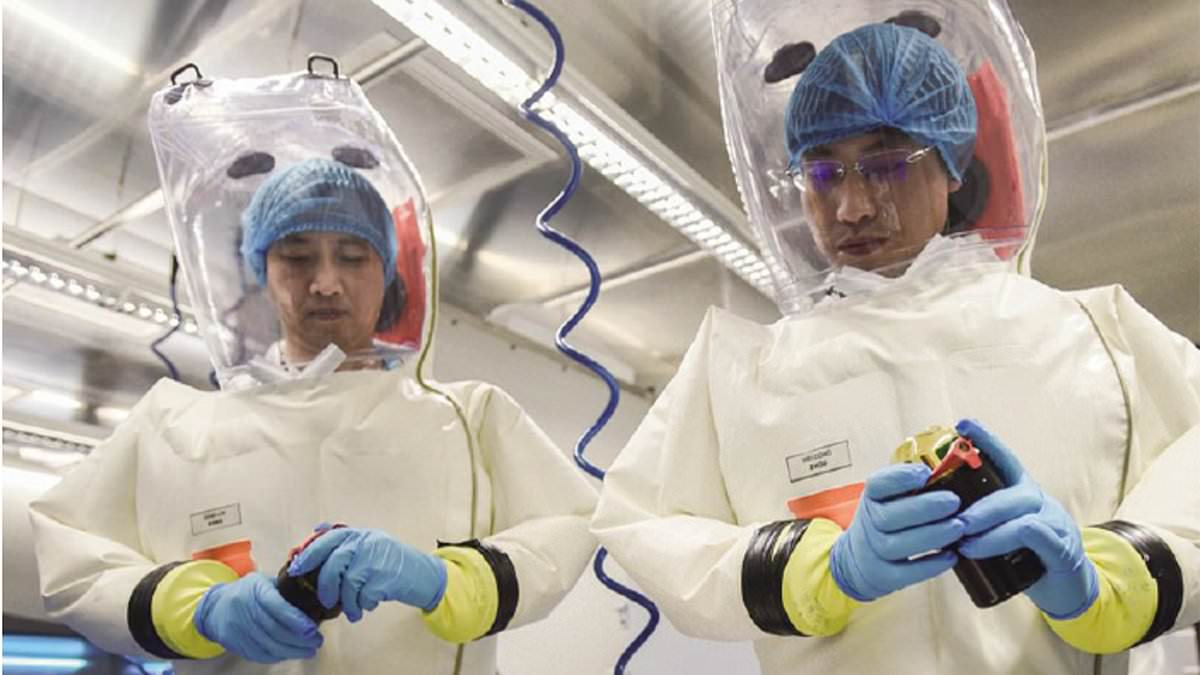
ore than five years after the Covid-19 pandemic was declared, its origins remain a subject of intense – and often acrimonious – debate among scientists and the wider public. There are two broad, competing theories. The natural-origins hypotheses suggest the pandemic began when a close relative of Sars-CoV-2 jumped from a wild animal to a human through the wildlife trade. In contrast, proponents of lab-leak theories argue that the virus emerged when Chinese scientists became infected through research-associated activities.
A perplexing aspect of the controversy is that prominent scientists continue to publish studies in leading scientific journals that they say provide compelling evidence for the natural-origins hypotheses. Yet rather than resolving the issue, each new piece of evidence seems to widen the divide further.
In many parts of the world, including the US, France and Germany, public opinion is increasingly shifting towards lab-leak theories, despite the lack of definitive evidence. In other words, a growing number of people believe that research-associated activities are just as likely, if not more so, to have caused the pandemic.