https://arab.news/zstbc
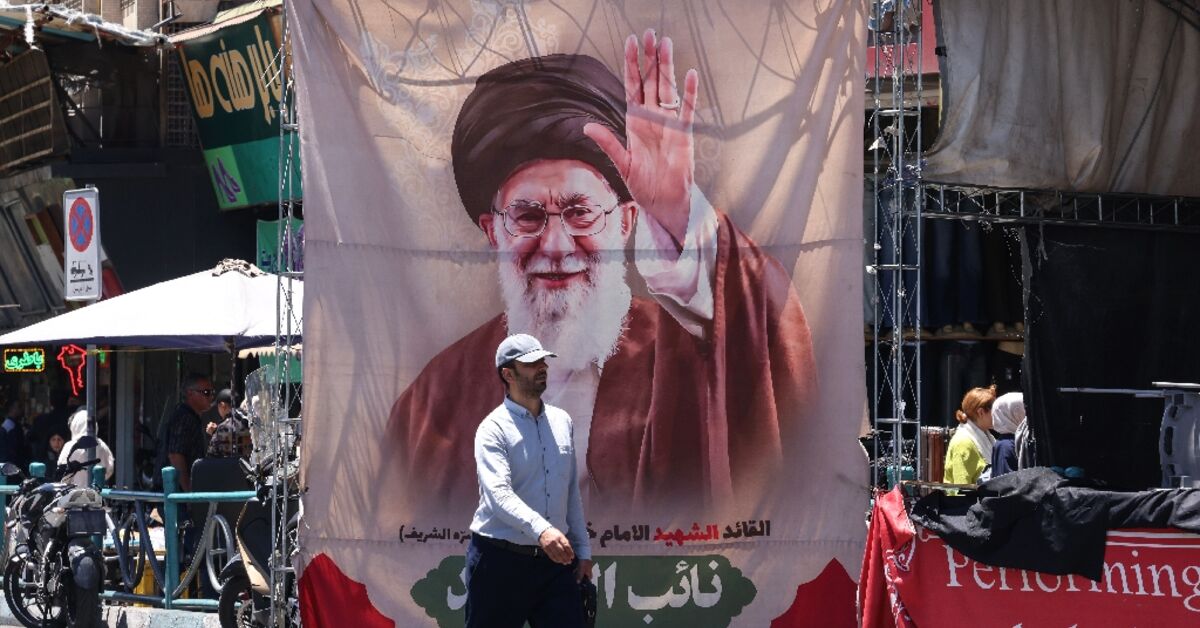
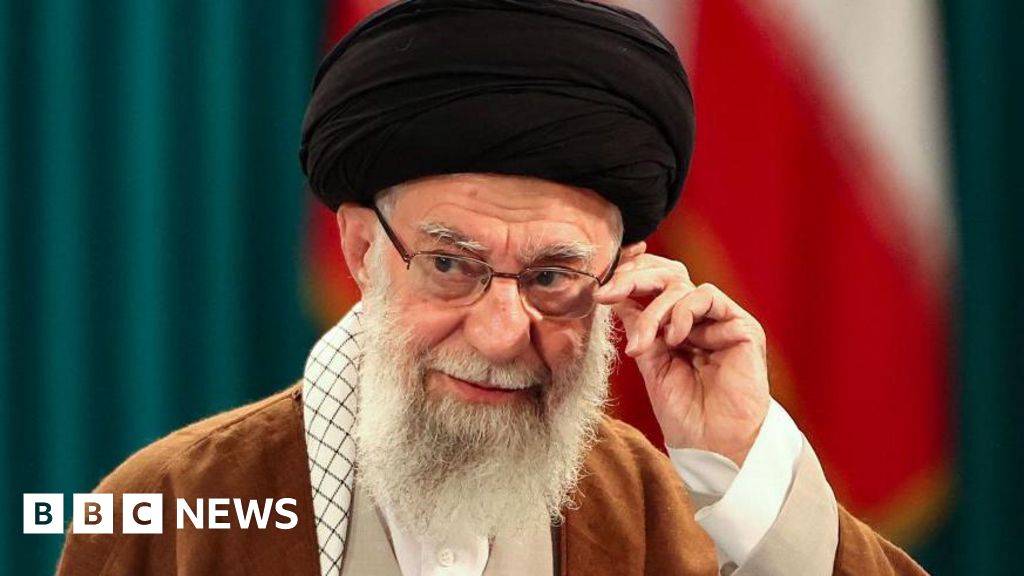
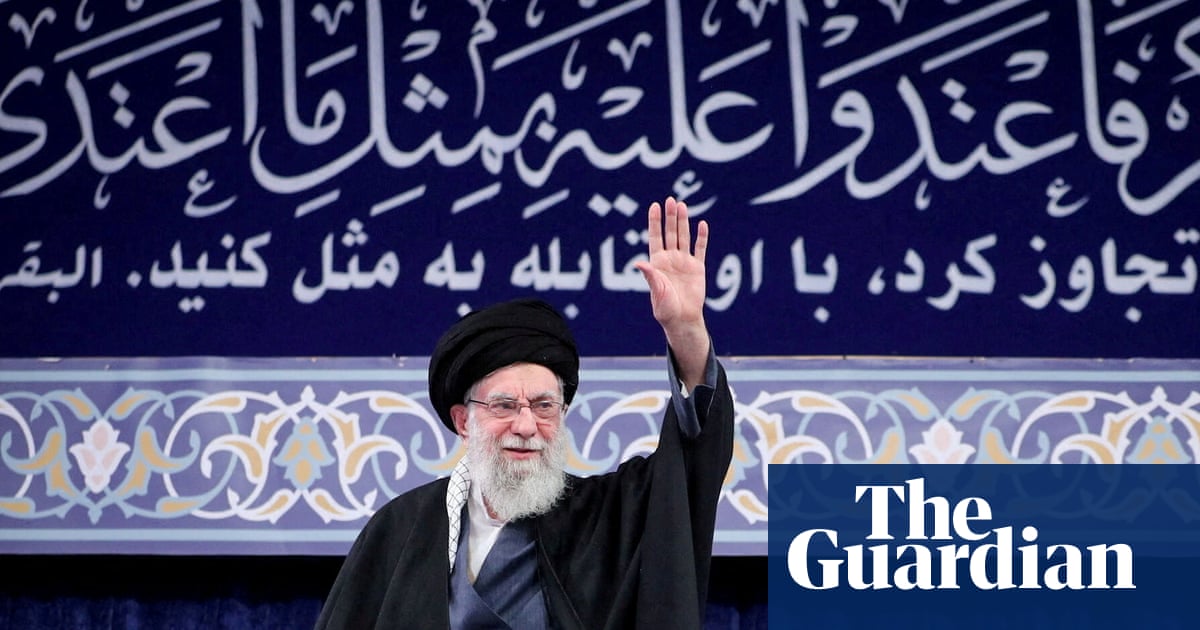
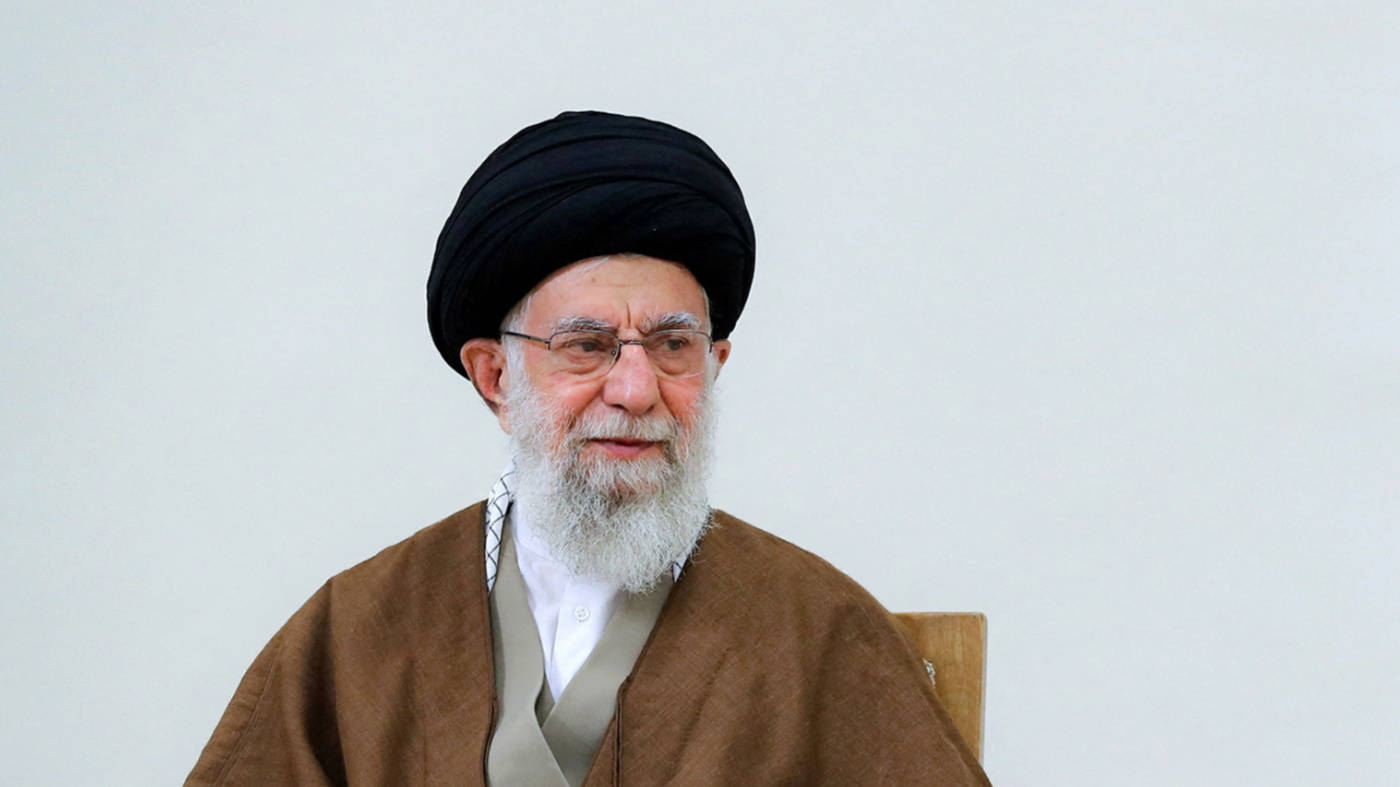
Iran’s Supreme Leader Ali Khamenei, who succeeded Ayatollah Khomeini on June 4, 1989, is far from an ordinary figure in the balance of power and hierarchical structure. Therefore, Israeli threats to assassinate him carry extremely serious consequences for the security of the entire Middle East, especially in the wake of the US military operation that targeted Iranian nuclear facilities, causing widespread destruction.
Subsequently, Iran launched several ballistic missiles that struck targets inside Israel, which were followed by an announcement from the Iranian Shoura Council approving the closure of the Strait of Hormuz, pending the approval of the Supreme National Security Council. If carried out, this step will take the conflict into a more complex escalation — one that could involve attacks on or disruption of oil tankers, directly affecting global energy prices and supply chains.
These rapidly unfolding developments may push Israeli Prime Minister Benjamin Netanyahu toward greater “euphoria” and an inflated sense of power, thus prompting a military operation that leads to the assassination of Khamenei, especially since the Israeli leader previously succeeded in targeting Hezbollah Secretary General Hassan Nasrallah, his successor Hashem Safieddine, and the party’s most prominent military leaders, in addition to the assassination of senior Hamas leaders such as Ismail Haniyeh and Yahya Sinwar.