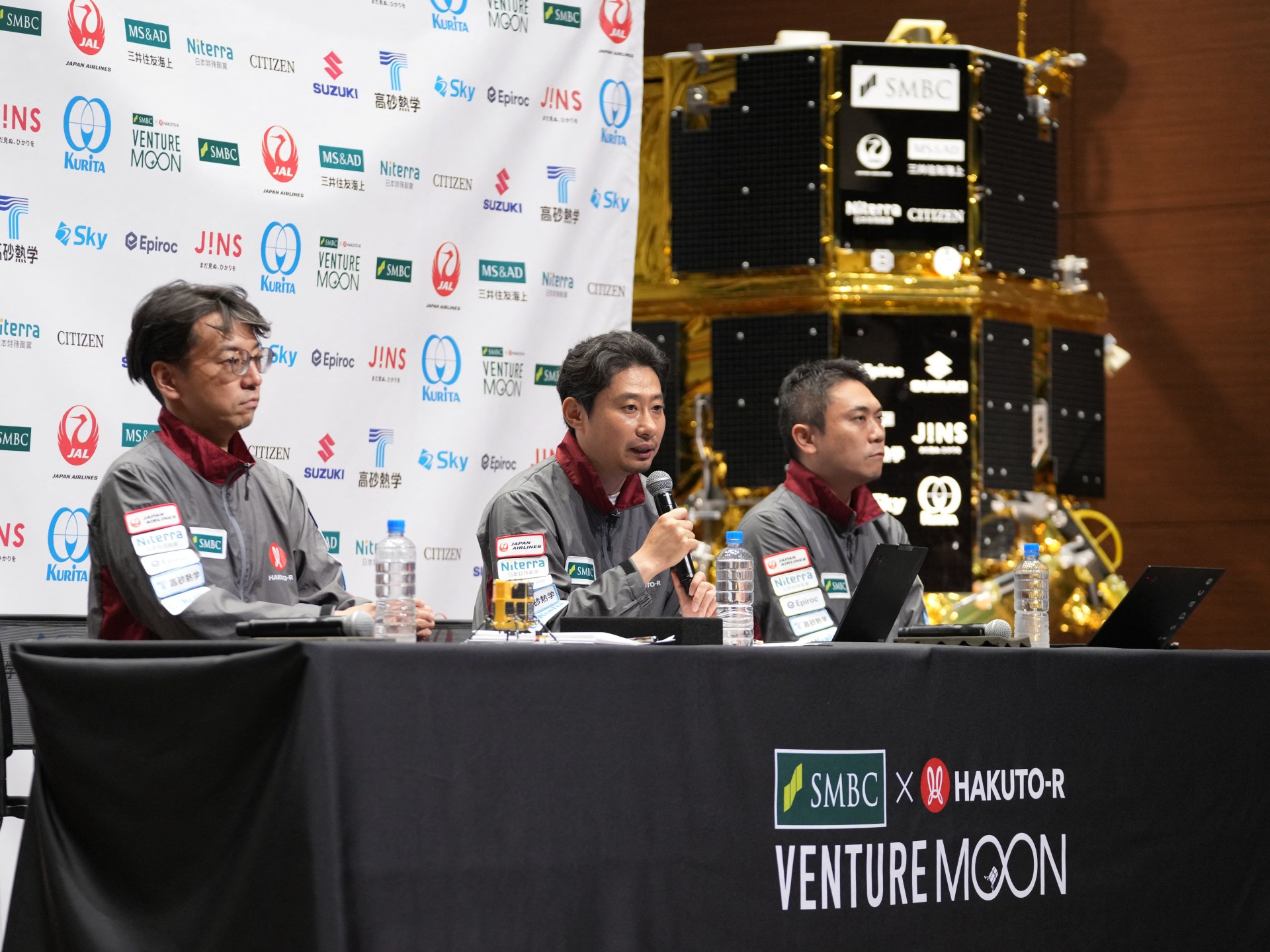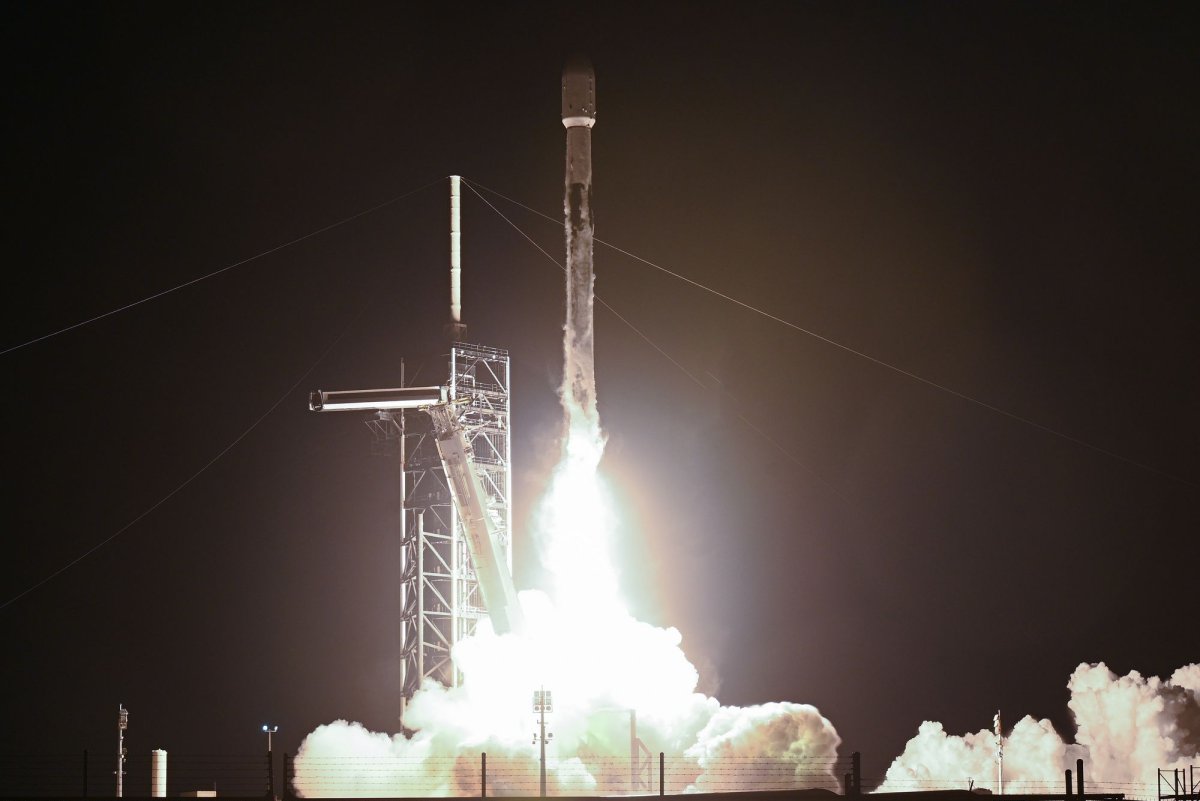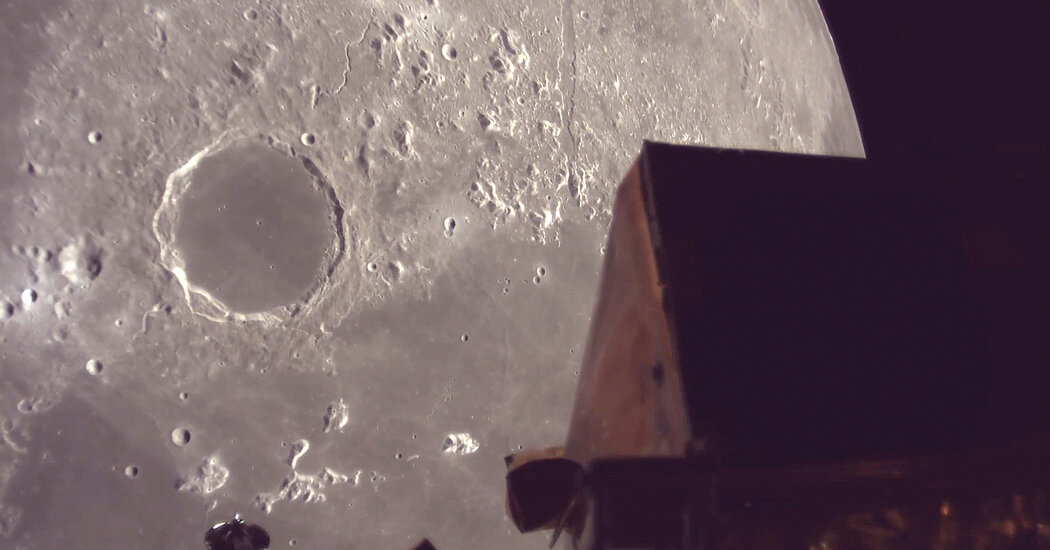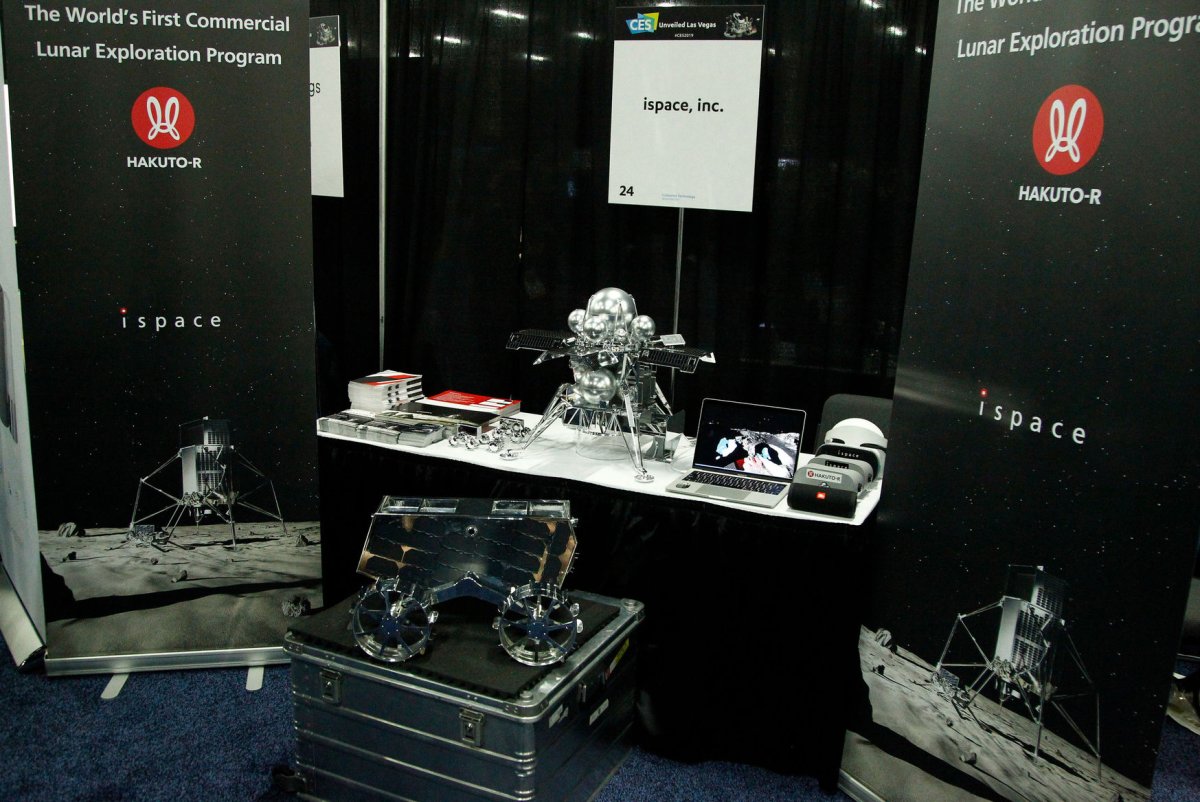
June 24 (UPI) -- Japanese company ispace said Tuesday that a "hard landing" during its attempted lunar landing in early June was due to an anomaly in the Laser Range Finder.
In the analysis of the "SMBC X HAKUTO-R VENTURE MOON" mission 2 ispace said the hard landing was due to an "anomaly in the laser rangefinder hardware," and the telemetry data also revealed no issues with the lander's software or propulsion system.
The LRF unit did not provide altitude measurement until it was less than half a mile off the ground. However, it was initially designed to provide altitude data when the spacecraft was at at least about 2 miles above the surface.
Laser light reflected back to the lander, lower power of the laser, reduced performance at higher velocities or effects from the space environment, such as a vacuum or radiation are several factors that could have played a role in the performance of the LRF.
Related