The US president is more willing to listen to Israel than his predecessors were and is also deeply suspicious of the CIA
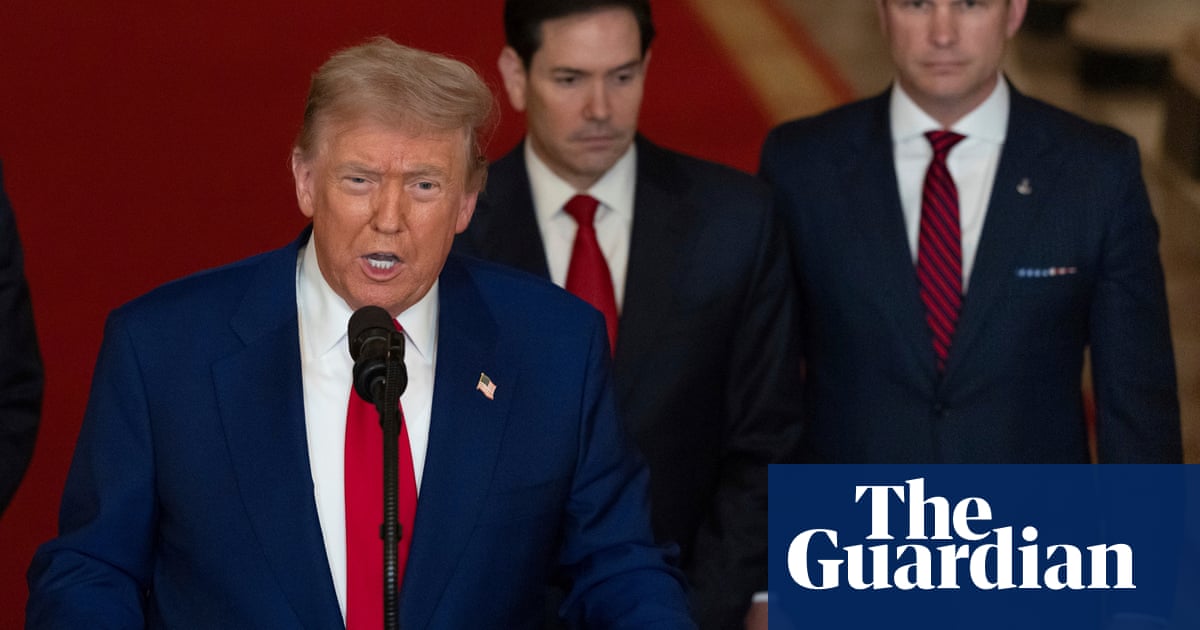
When Donald Trump ordered the US military to bomb Iran’s nuclear facilities over the weekend, the debate among intelligence officials, outside experts and policymakers over the status of Tehran’s nuclear program had largely been frozen in place for nearly 20 years.
That prolonged debate has repeatedly placed the relatively dovish US intelligence community at odds with Israel and neoconservative Iran hawks ever since the height of the global war on terror.
For nearly two decades, the US intelligence agencies have concluded that while Iran has a program to enrich uranium, it has never actually built any atomic bombs. It is an assessment that has been at the core of its intelligence reporting on Iran since at least 2007. This has led to constant debates over the years over the significance of Iran’s uranium enrichment program versus “weaponization” or bomb-building.
Israel and the Iran hawks have repeatedly said that the debate over enrichment versus weaponization is not significant, because Iran could build a bomb relatively quickly. But Iran suspended its weaponization program in 2003 and hasn’t tried to build a bomb since; it’s been clear for decades that the Iranian regime has seen that its own interests are better served by maintaining the threat of having a nuclear weapon rather than actually having one.