The Lower Thames Crossing proves the point. It’s a white elephant plan, sucking money from local projects that could actually improve lives
T
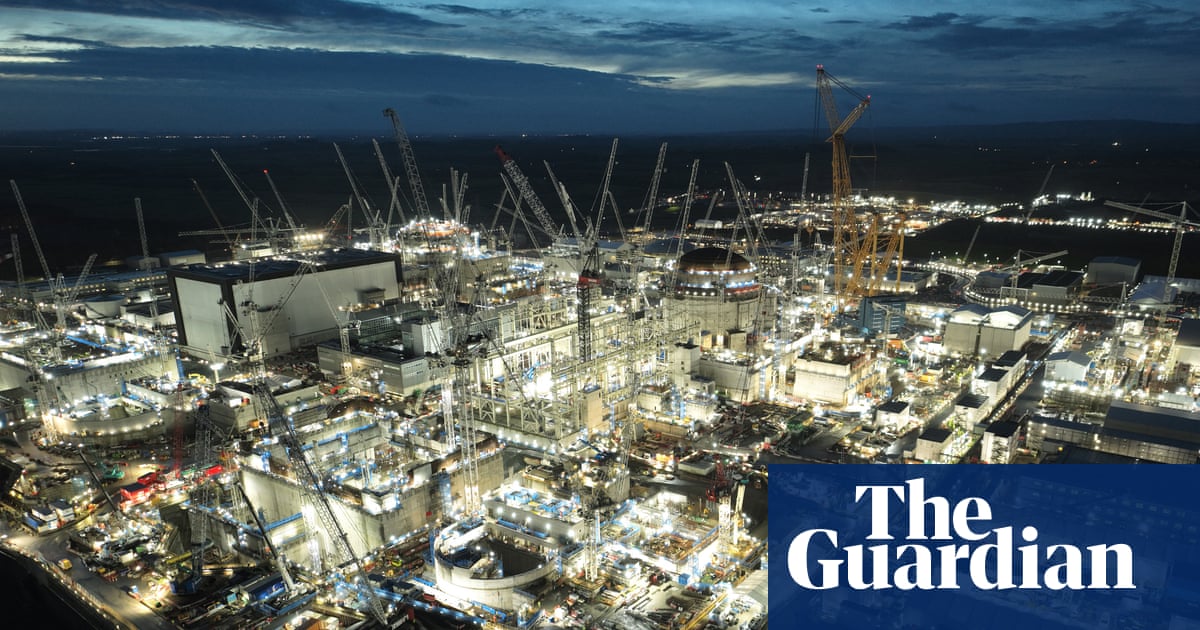
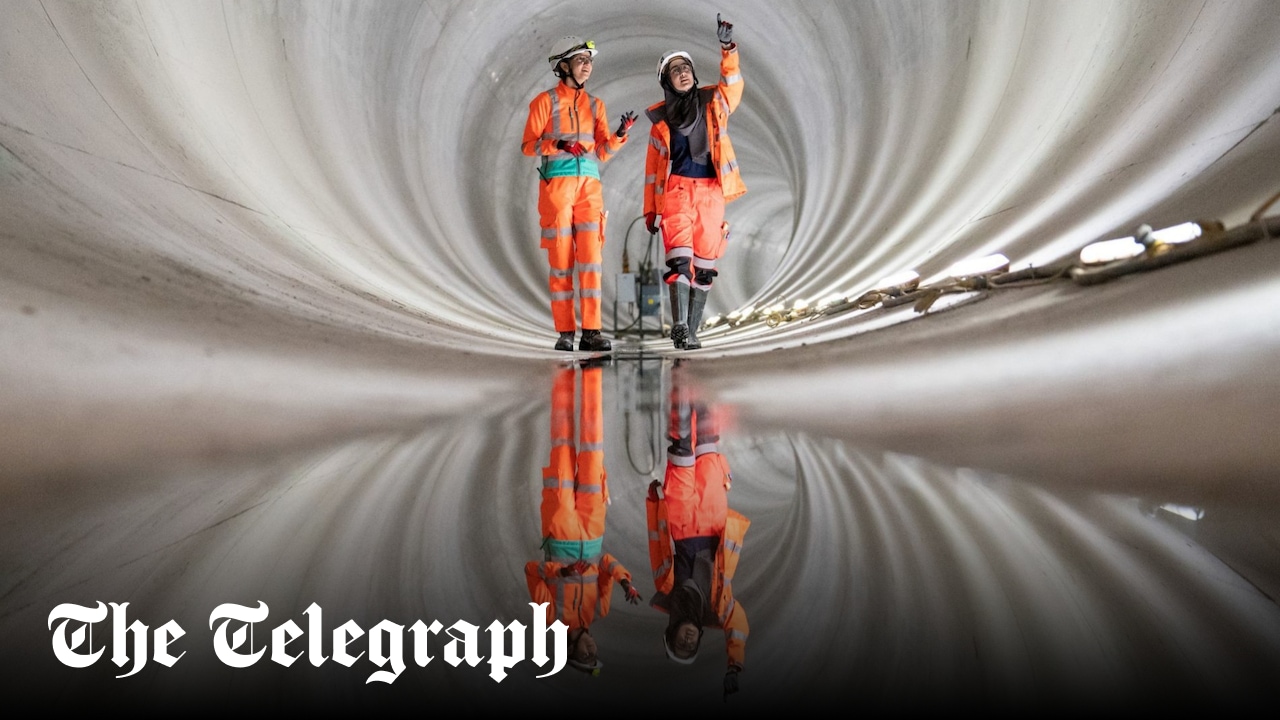
here appear to be two main determinants of what infrastructure gets built. The first is whether it provides large and lucrative contracts for powerful corporations. The second is whether ministers can pose beside it in hard hats and yellow jackets. Otherwise, it is hard to explain the decisions made.
Both determinants favour large and spectacular schemes. Big corporations don’t want to dabble in minor improvements: real money comes from prestige projects over which governments cannot afford to lose face, ensuring that they keep throwing cash, however high the budget spirals. And few ministers want to pose beside a new bus stop: a grand ego demands a grand setting.
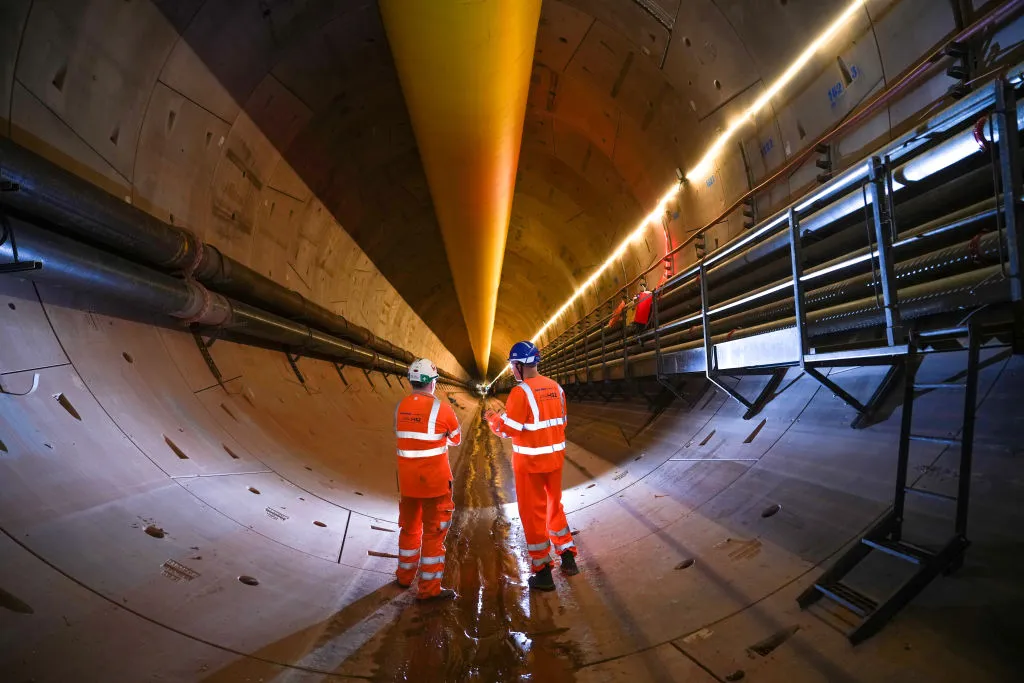
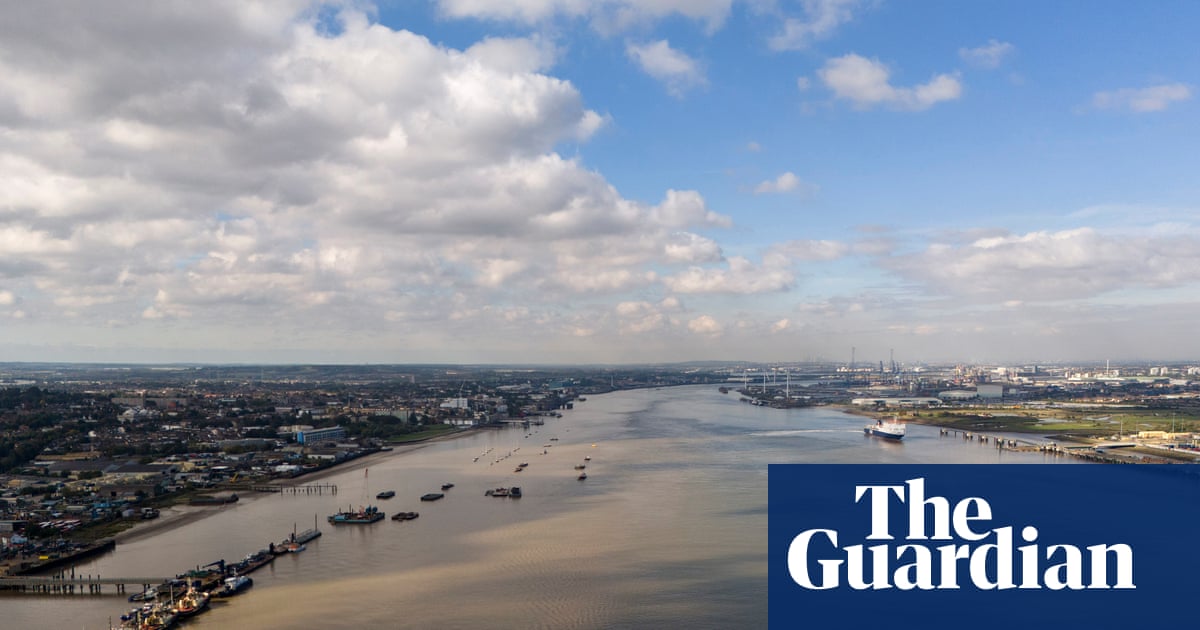
Last week, the government quietly flicked another £590m at the planned Lower Thames Crossing, to the east of London. That’s the kind of money other public services must beg for. Compare it, for example, with the funding allocated in this month’s spending review for local amenities such as parks, libraries and swimming pools. Across the whole of England, they received £350m. But the extra money for the Lower Thames Crossing buys less than a mile of road. It means that the total costs of the scheme, according to the government, have risen to £9.2bn, for 14 miles of road.