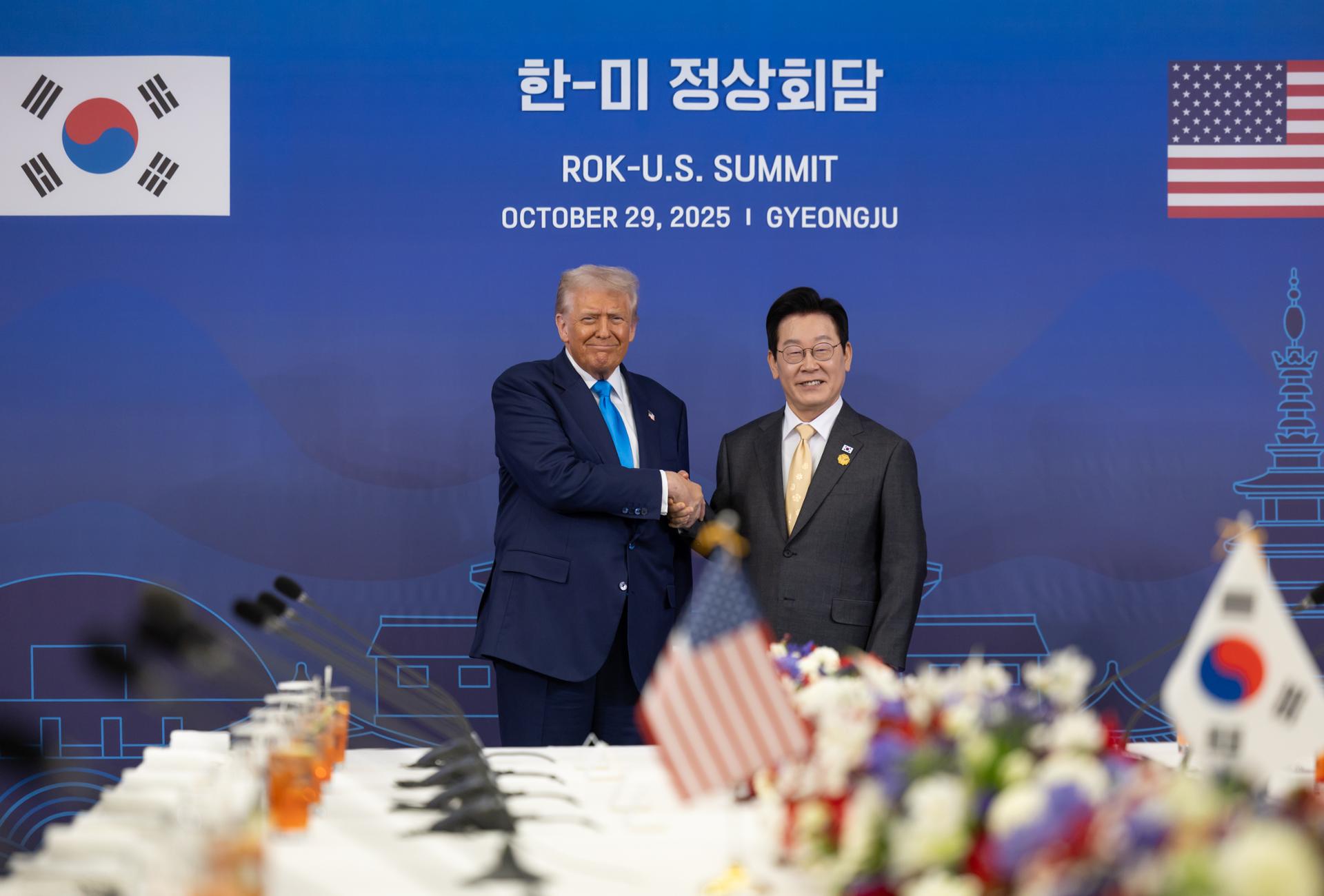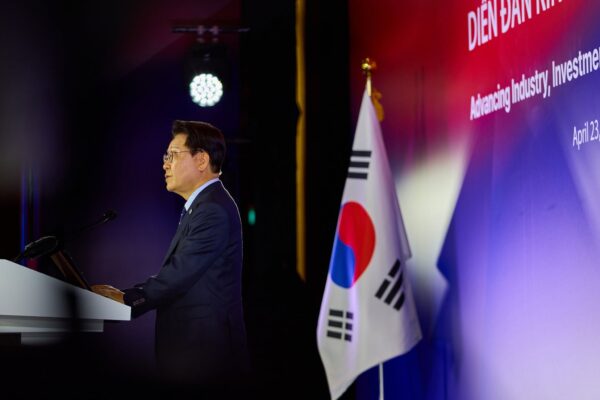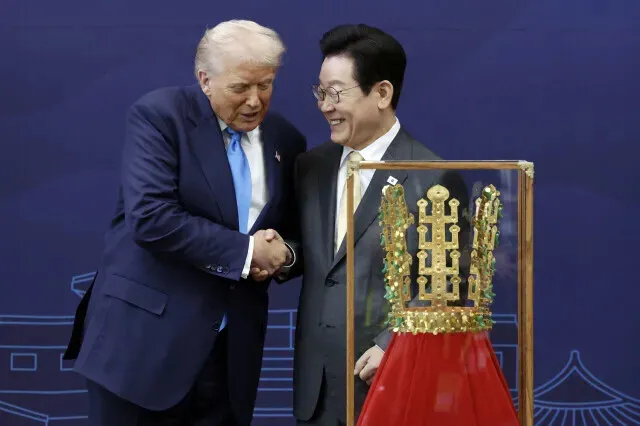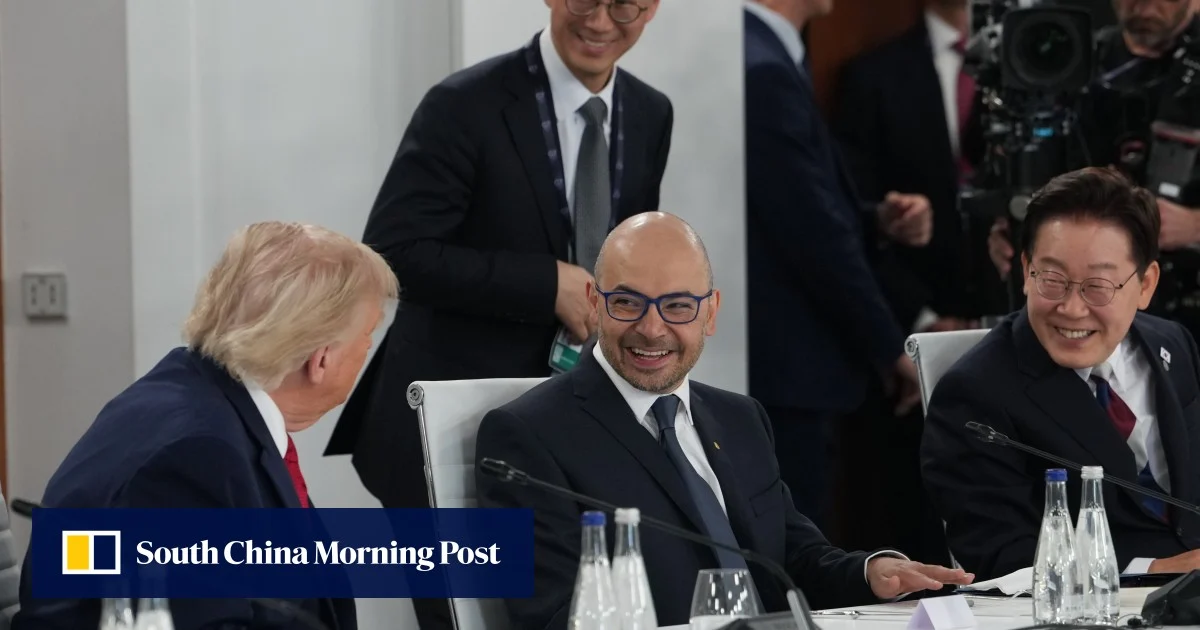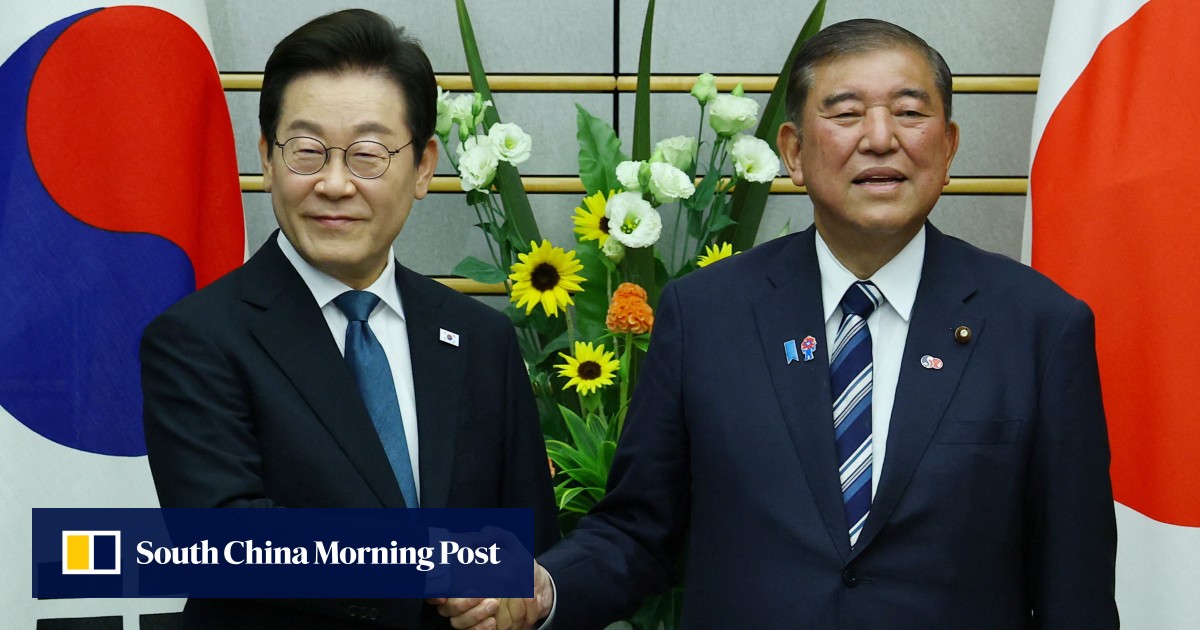
June 23 (UPI) -- "Let's cooperate beyond our differences -- as neighbors who share a front yard."
When South Korean President Lee Jae Myung made this remark to Japanese Prime Minister Shigeru Ishiba during their first summit meeting on June 17, few believed it signaled a real shift. Skepticism abounded in both Seoul and Tokyo.
Many observers predicted that Lee's ascent to power would strain the fragile relationship between the two nations. Was this the face of his so-called "pragmatic diplomacy"?
A day earlier, on June 16, Lee delivered a video message to a reception in Seoul commemorating the 60th anniversary of diplomatic ties between South Korea and Japan. In it, he affirmed his commitment to continued bilateral cooperation, drawing immediate attention to his evolving stance on Japan -- a subject that has long been a source of political contention.
At the time, many observers remained skeptical, viewing the remarks as little more than diplomatic niceties. Yet, in pledging to pursue a "stable and future-oriented development of Korea-Japan relations," Lee made his first public declaration of a pragmatic diplomatic agenda, marking an unexpected turn.