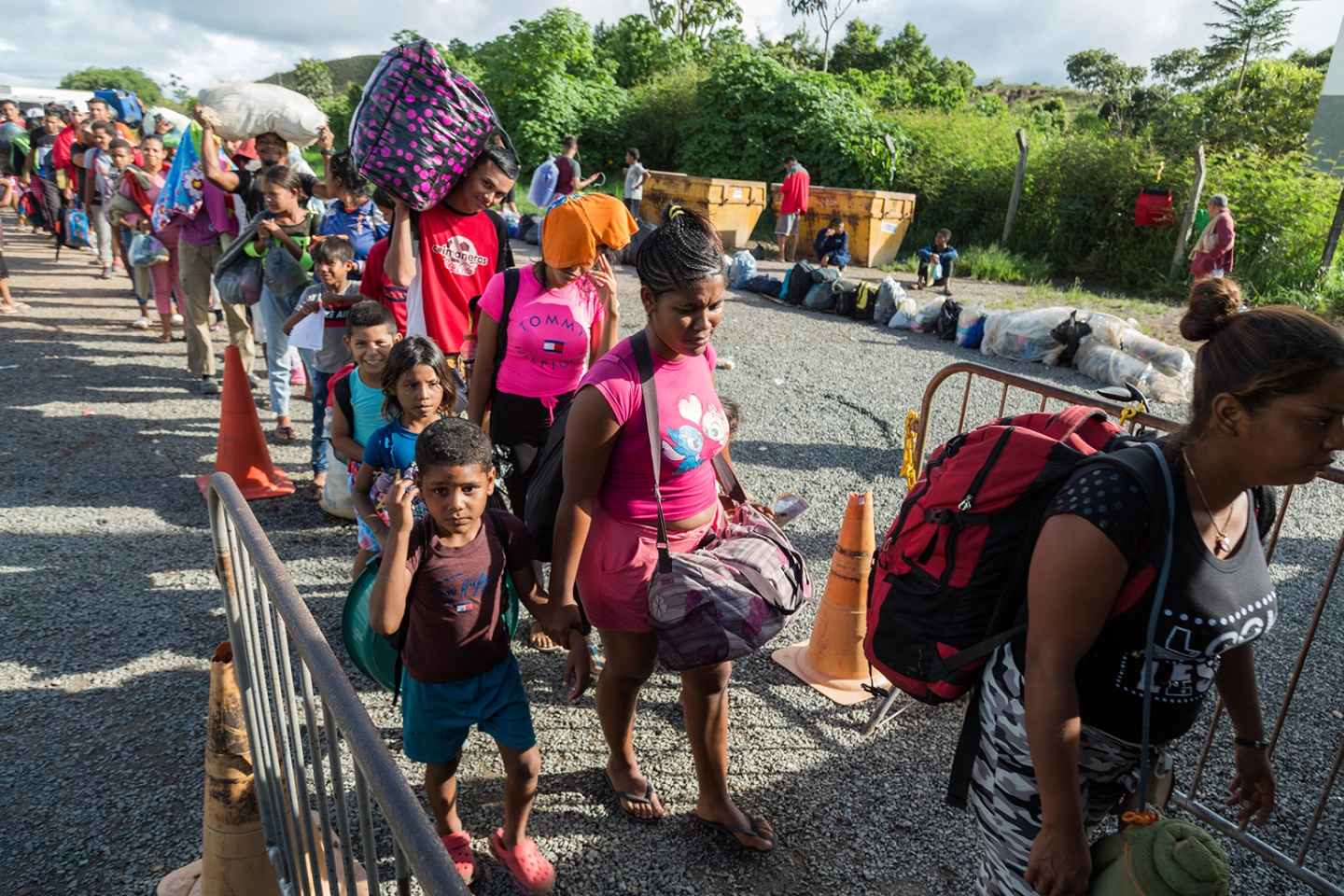
June 23 (UPI) -- The vulnerability of identity documents has become a critical challenge for Latin America amid rising migration and regional security crises. Problems ranging from document fraud to the lack of birth registration are putting millions at risk and complicating governance across the region.
Thousands of people in rural and Indigenous communities still are not registered at birth, leaving them without legal identity and vulnerable to crimes such as exploitation and human trafficking -- particularly children and teens.
The Latin American and Caribbean Council for Civil Registration, Identity and Vital Statistics, or CLARCIEV, said the lack of legal identity is a leading cause of statelessness, a condition that denies people basic rights because they do not appear in official records.
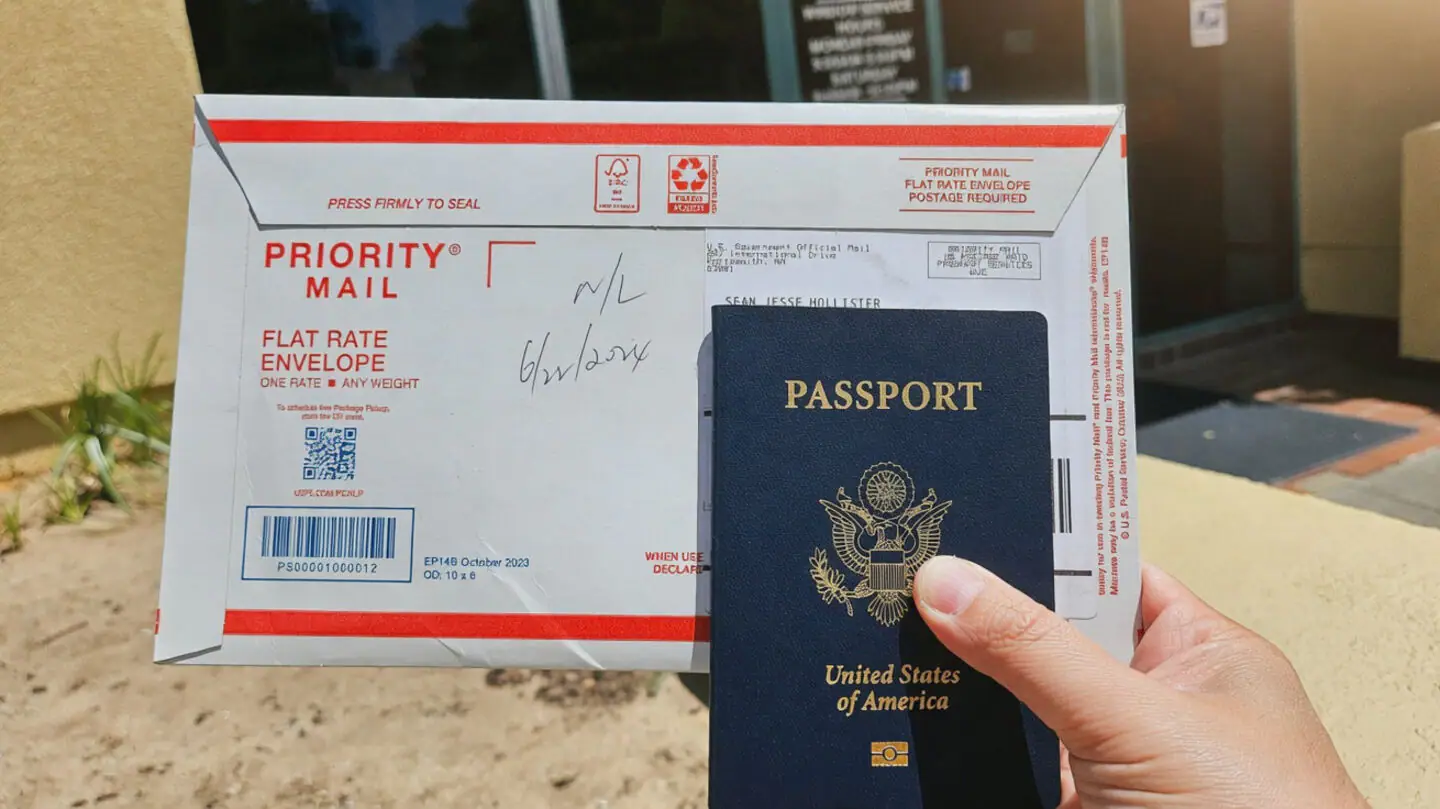
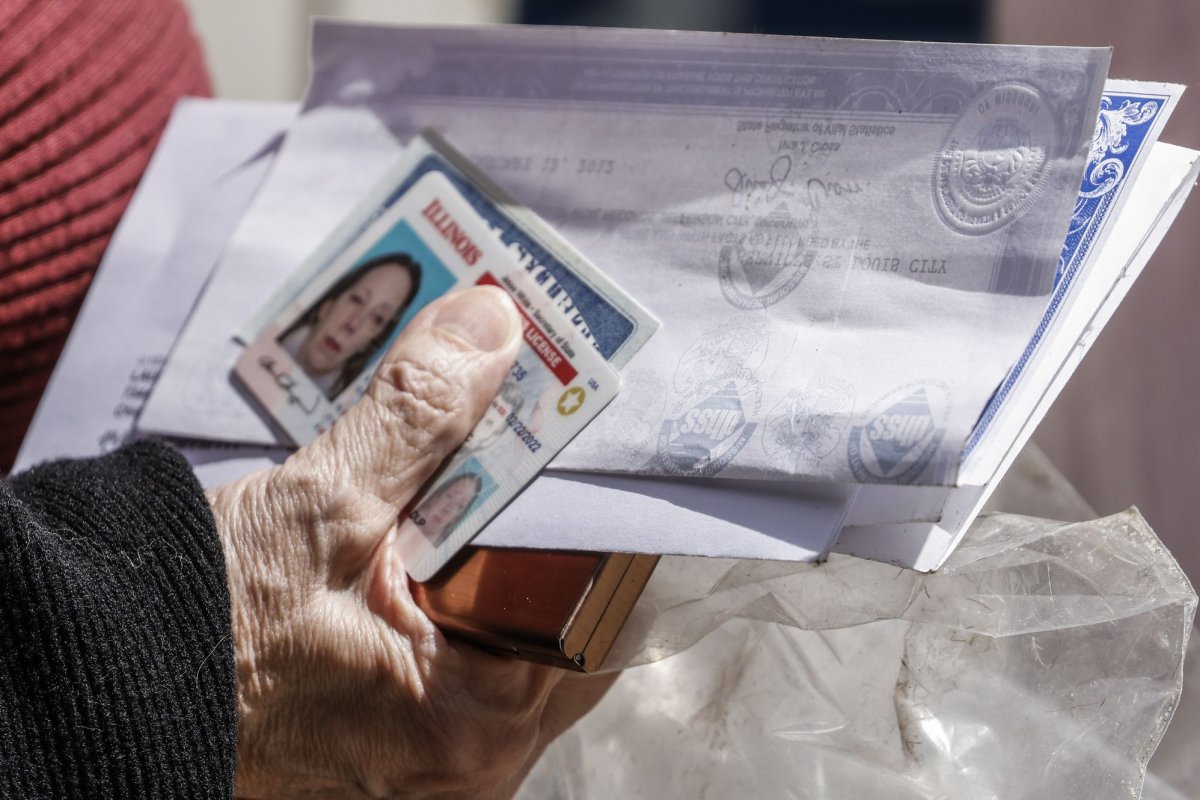
Many countries in the region still operate with systems that are not fully digitized or interconnected, making fast and secure verification difficult. This creates opportunities for document fraud and undermines the integrity of civil registries.
The ability of civil registration and identification systems across the region to communicate, share data and operate in coordination -- regardless of technologies, platforms or programming languages -- is becoming increasingly urgent, said Omar Morales, president of CLARCIEV.