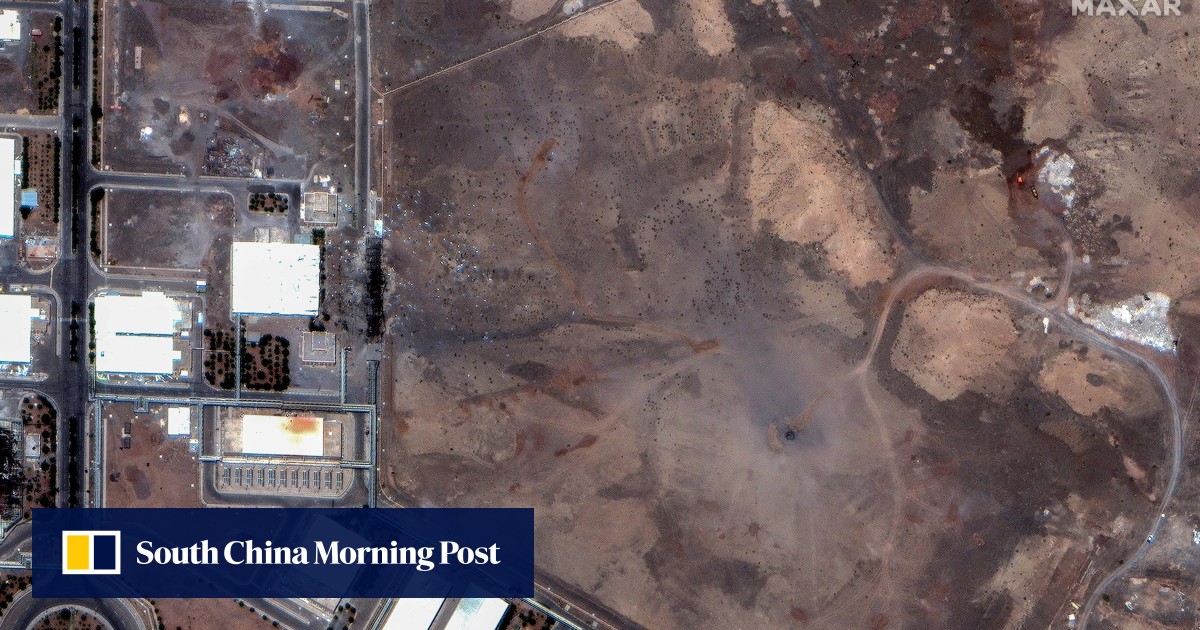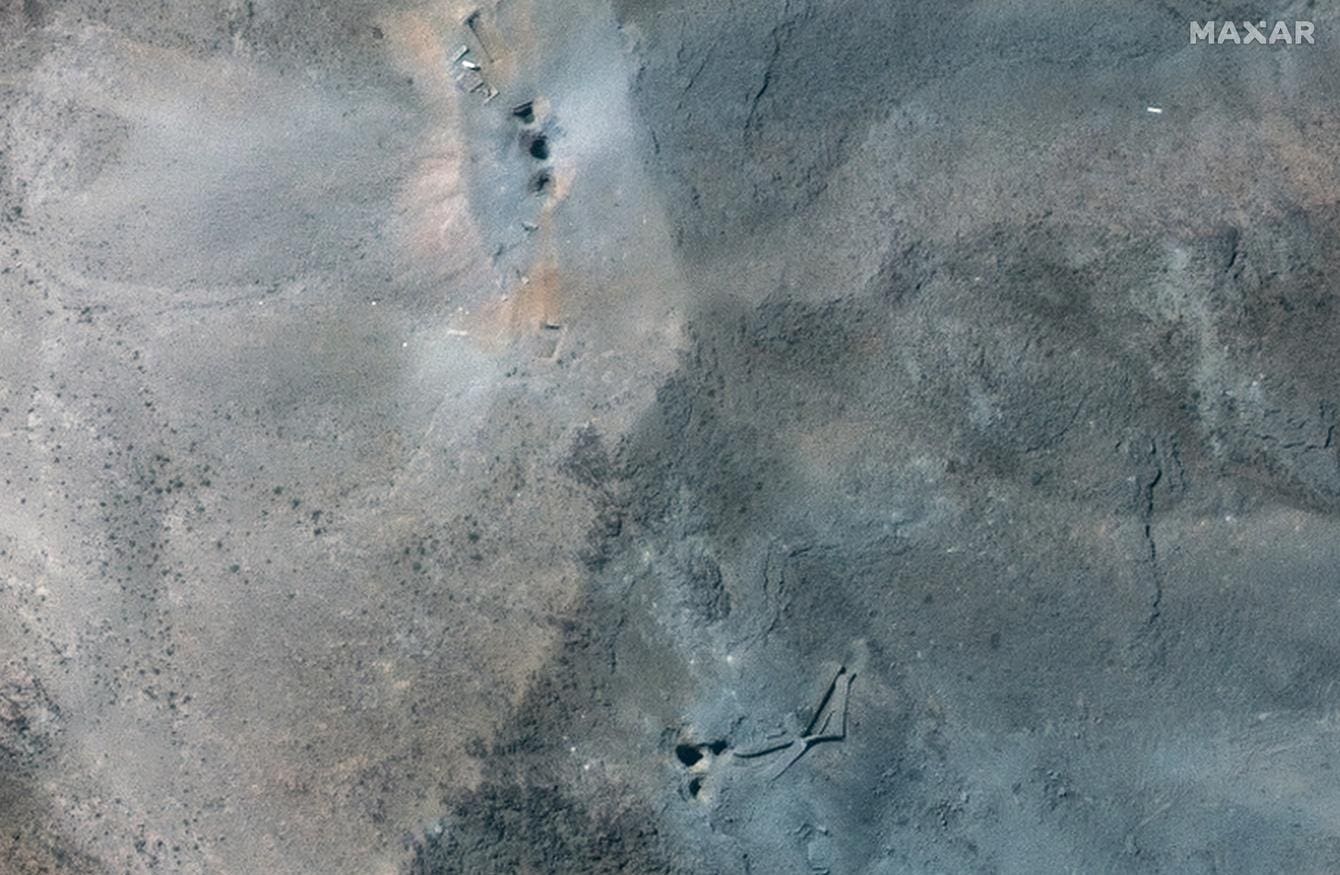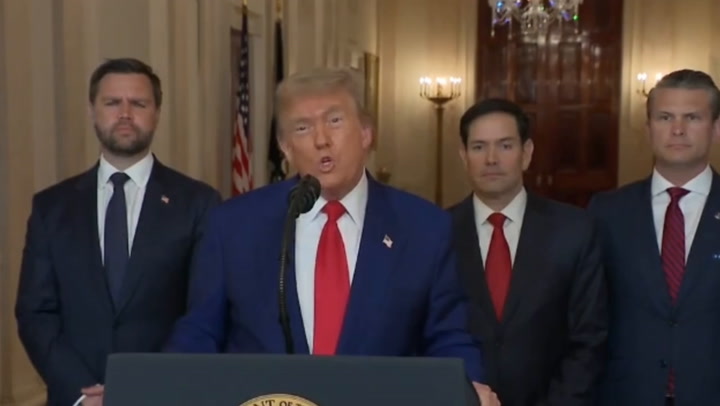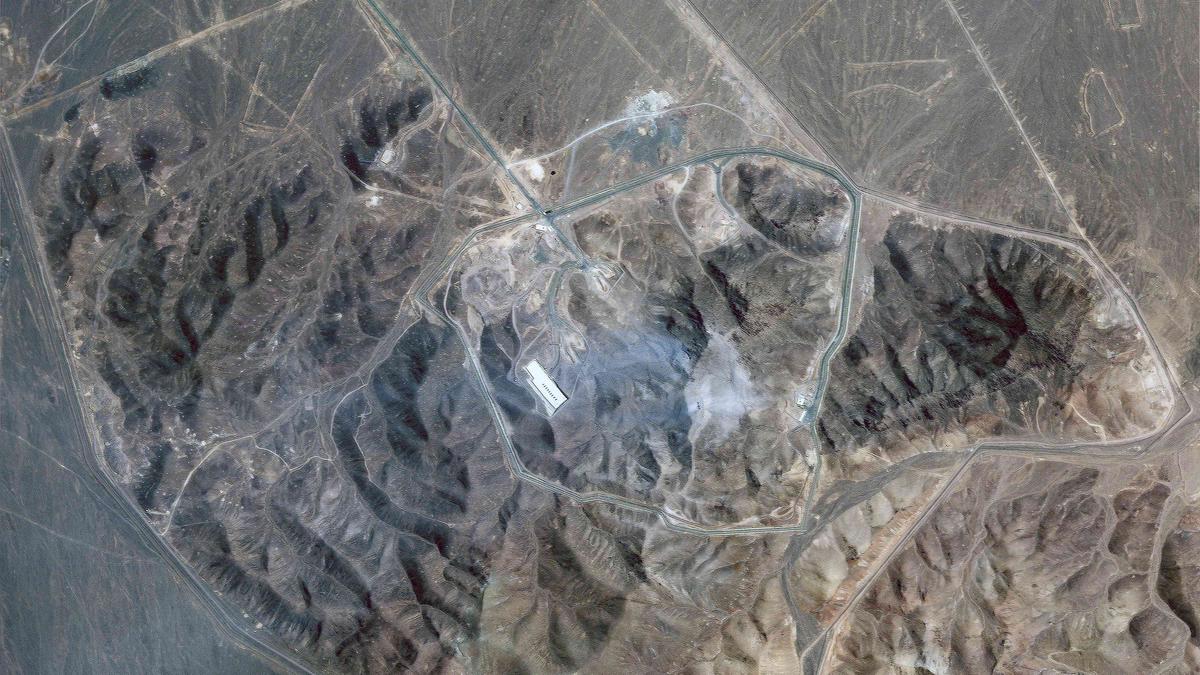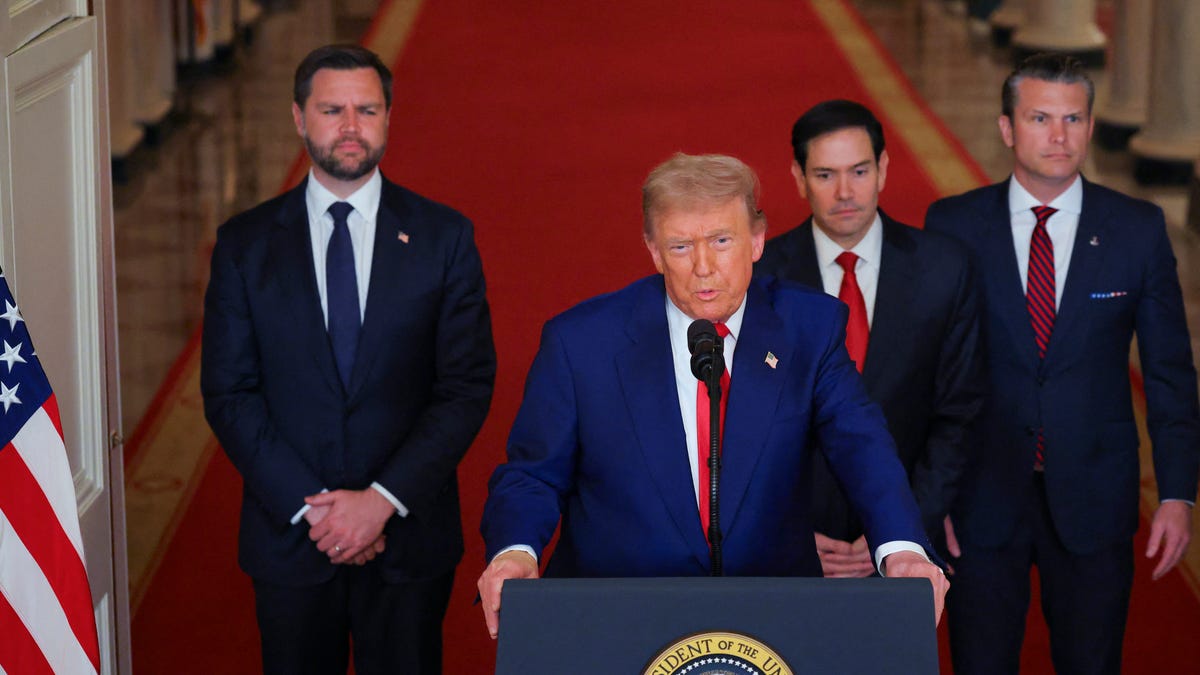
WASHINGTON — President Donald Trump and his defense chief say American warplanes completely "obliterated" Iran's three major nuclear complexes at Fordow, Natanz and Isfahan using bunker-busting bombs that have the ability to penetrate underground targets.
While that may be the case, there has so far been no independent assessment of that assertion from nuclear watchdogs, international officials or others with direct information of the situation on the ground. And other U.S. officials have not used such definitive rhetoric.
"Final battle damage will take some time, but initial battle damage assessments indicate that all three sites sustained extremely severe damage and destruction," Joint Chiefs of Staff Chairman Dan Caine told reporters a day after the strikes on June 22.
The International Atomic Energy Agency, which is the main agency that assesses the scale and evolution of Iran's nuclear program, said hostilities would need to cease for it to resume inspections. The organization, housed within the United Nations, said it would hold an emergency meeting June 23.
It was not entirely clear what evidence or intelligence Trump was relying on when he told the world that Iran's nuclear enrichment capacity had been destroyed. He also disputed twice disputed intelligence community findings before the strike that Iran was not close to producing a nuclear weapon.