Initial celebration gives way to fears of Iranian retaliation, sparking uncertainty about future dynamics in the Middle East
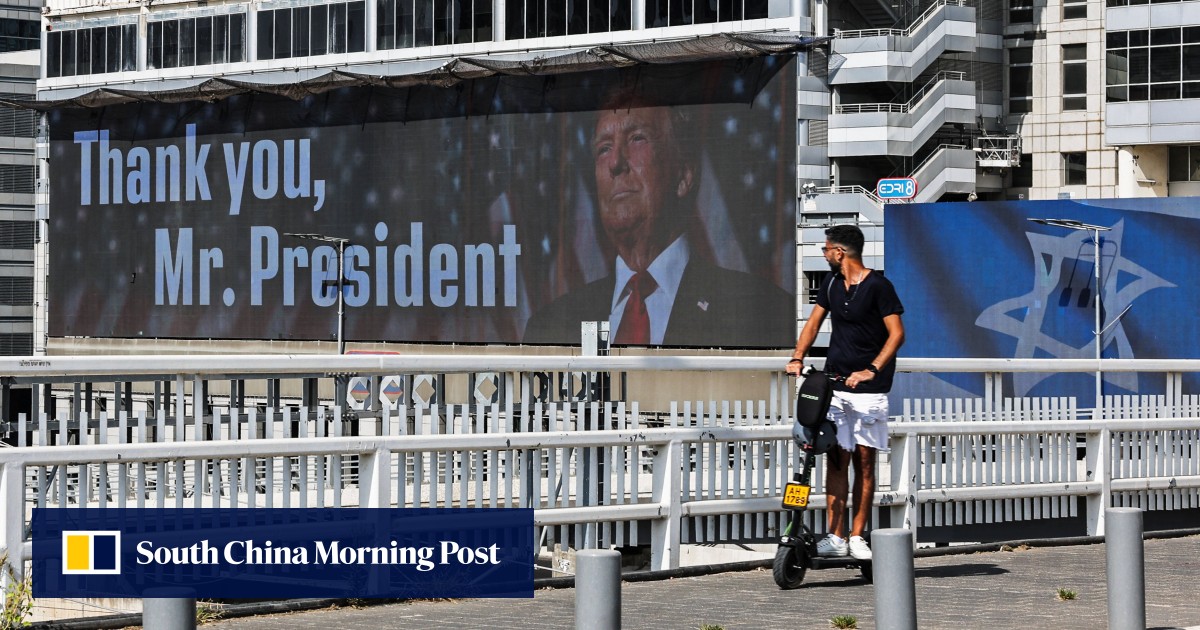
The US attack was embraced across the Israeli political spectrum, lauded on hastily assembled TV panels as a historic symbol of unprecedented US-Israeli cooperation at a time when the mainly Jewish state has been shunned by others for its war in Gaza.
But commentators and officials were quick to acknowledge that what comes next is far from clear, including Iran’s potential responses. They expressed concern that Iran might attack US bases in the region or Israel’s own nuclear research centre near the desert town of Dimona, or escalate its own nuclear programme.
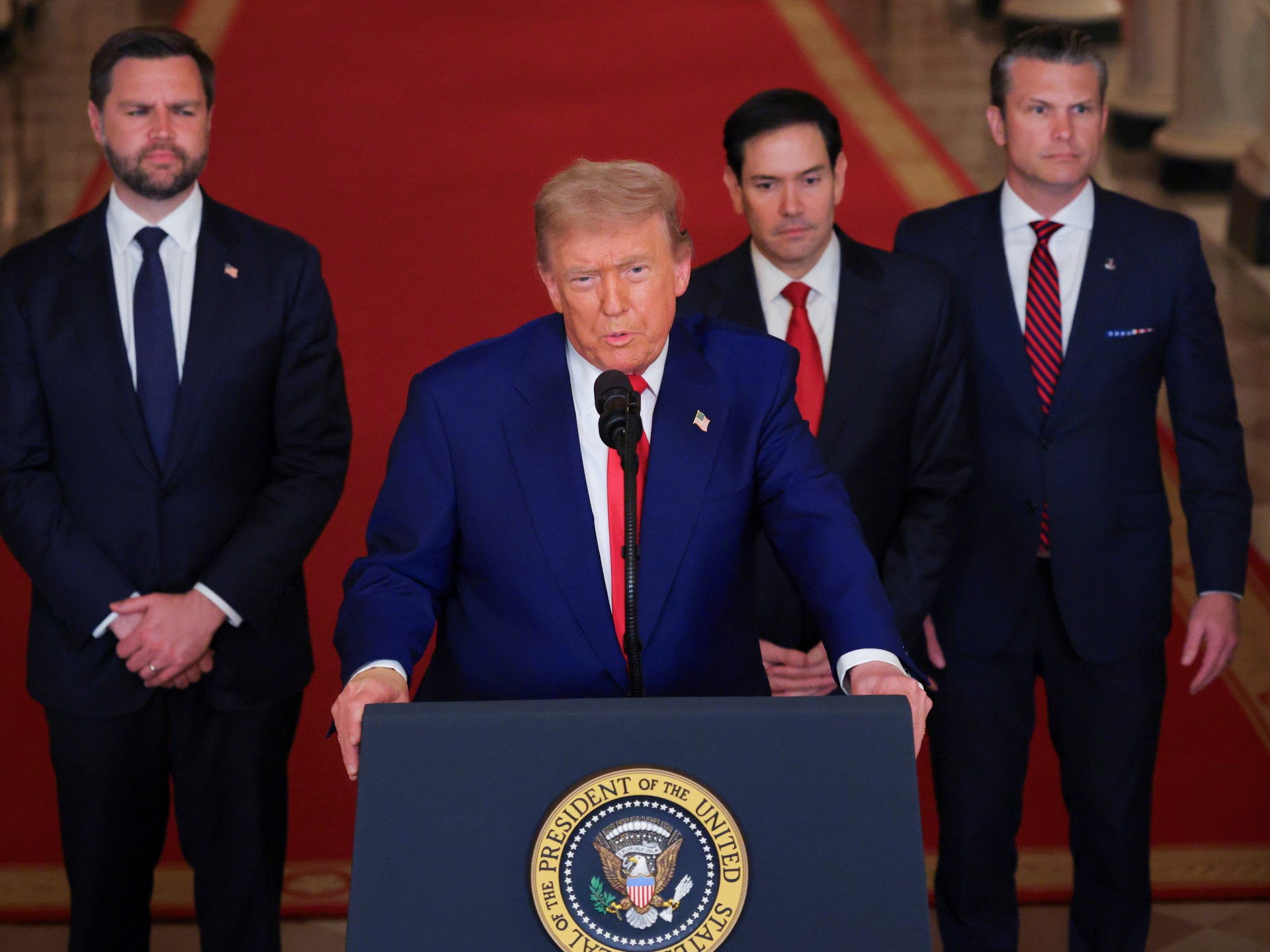
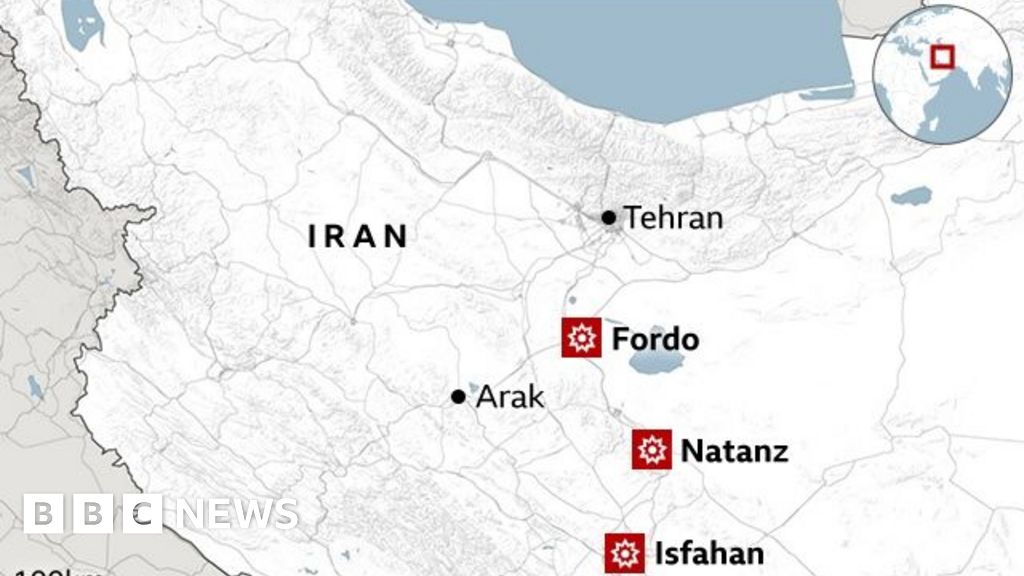
Iran’s atomic energy agency described the US strikes as a “savage assault” but pledged not to abandon its nuclear industry. The agency did not confirm whether the sites of Fordow, Natanz and Isfahan had been “completely and totally obliterated”, as Trump said they were in a speech.
Iranian lawmaker Mannan Raisi was cited by the semi-official Tasnim News Agency as saying that any material at Fordow that could pose a potential risk to the public “had already been removed”.