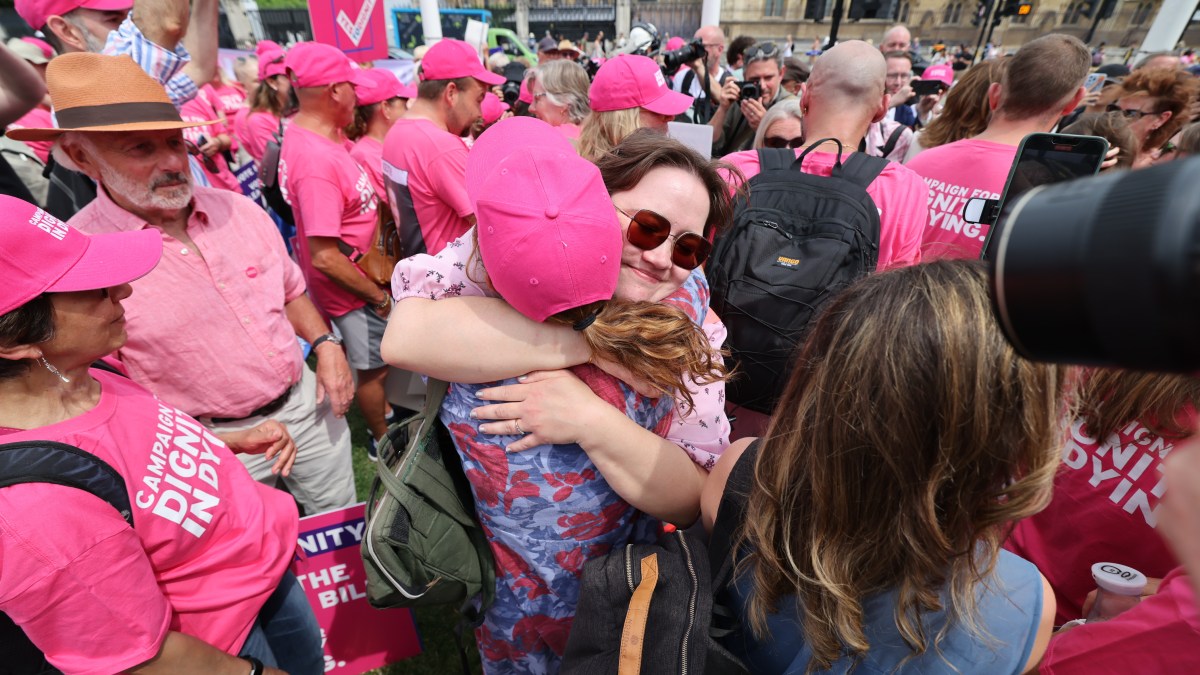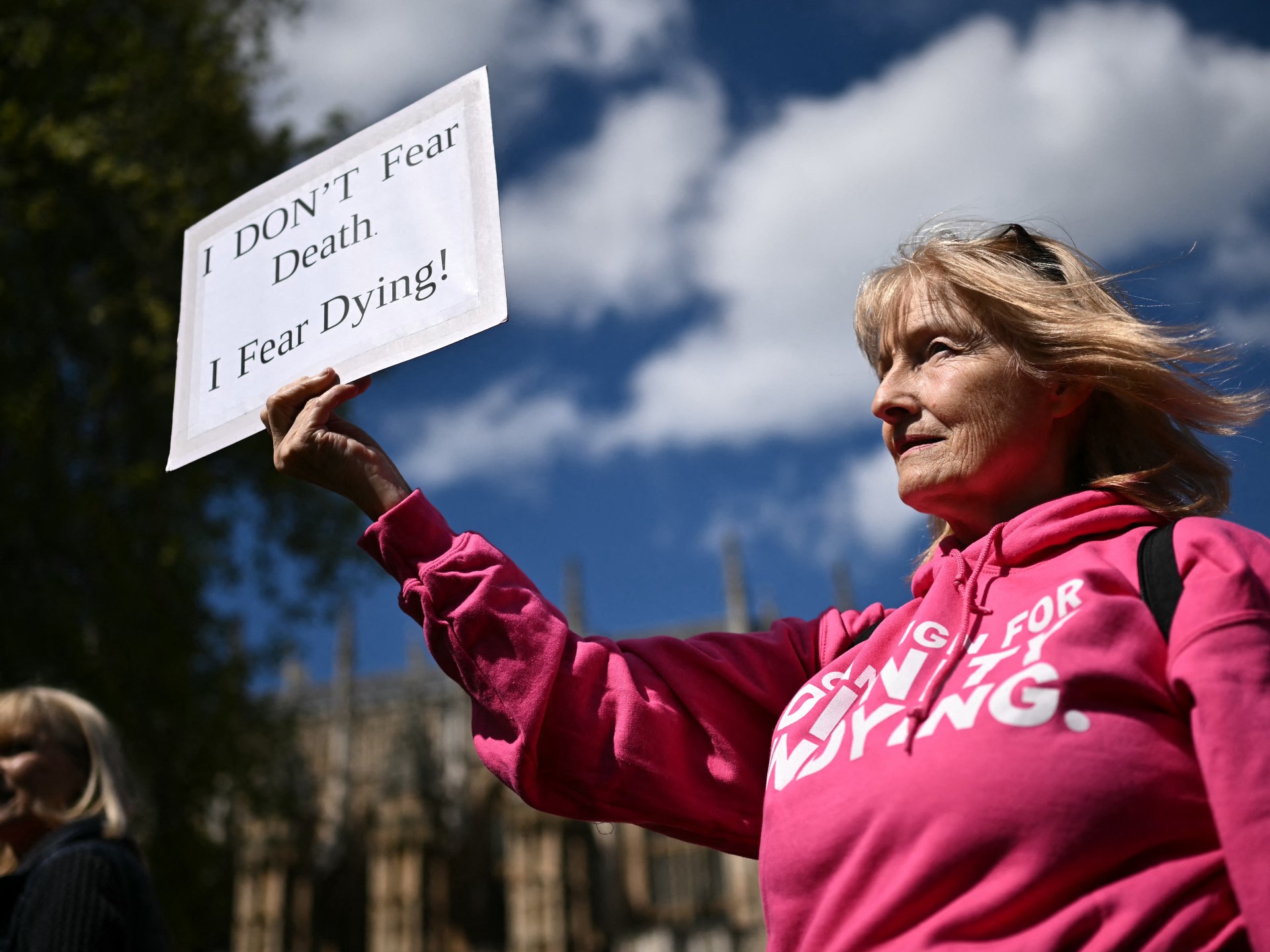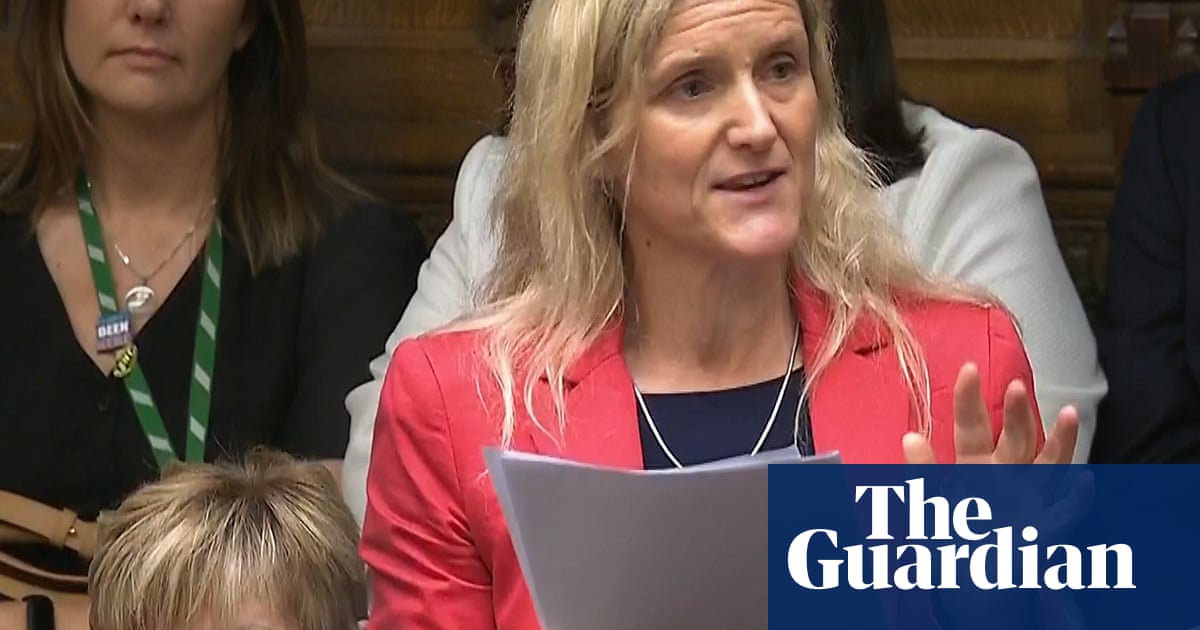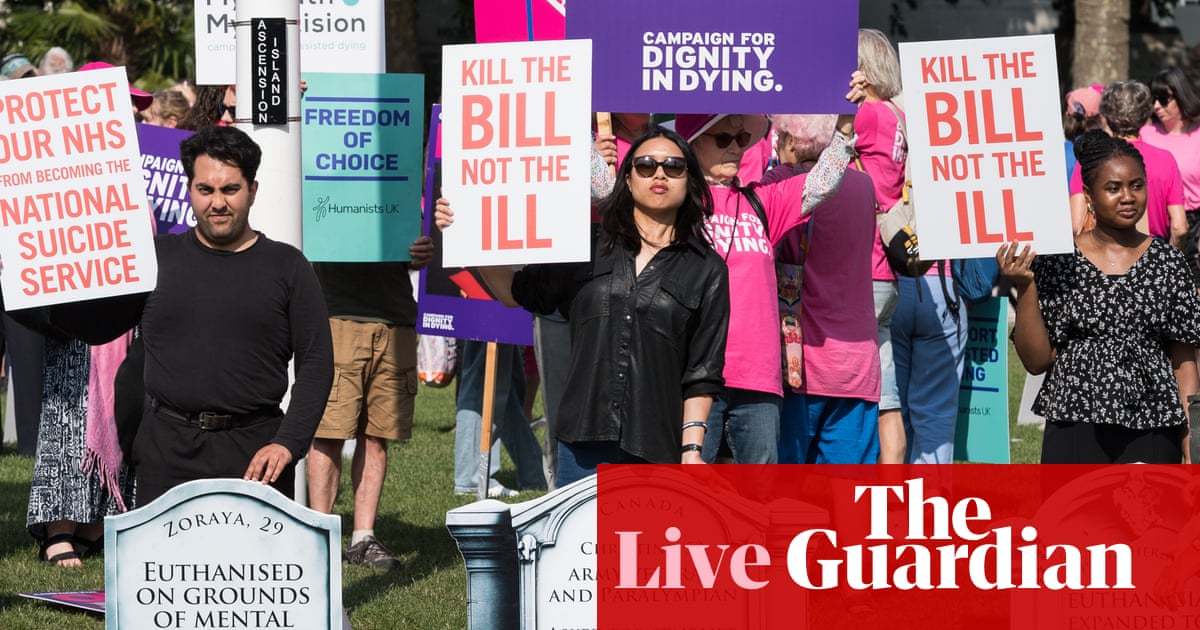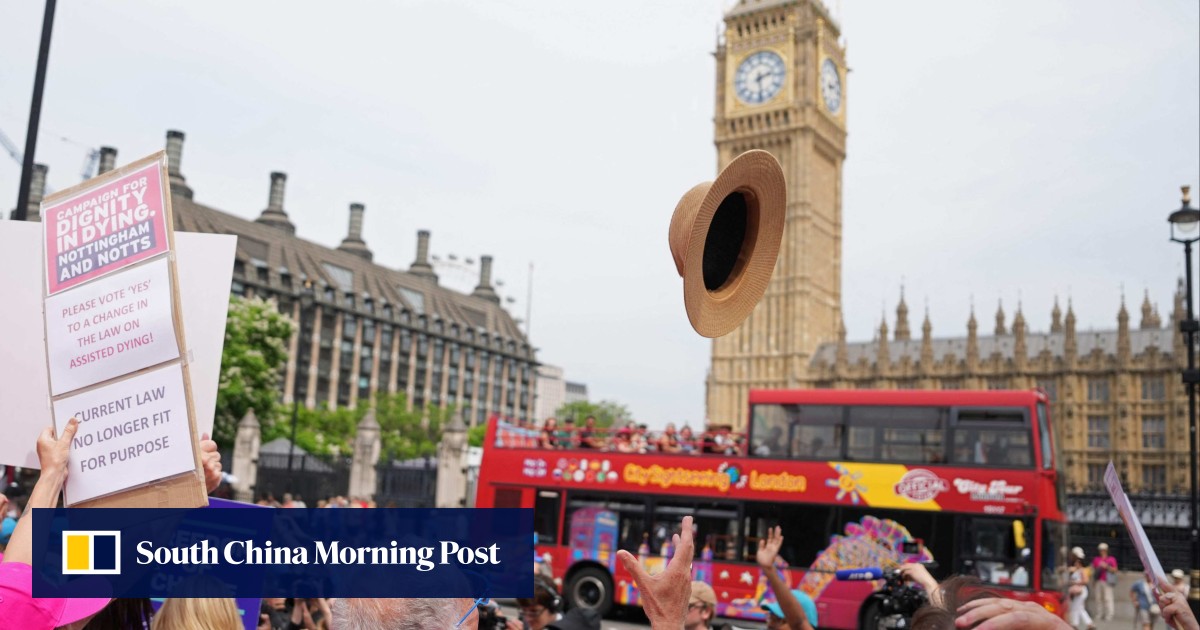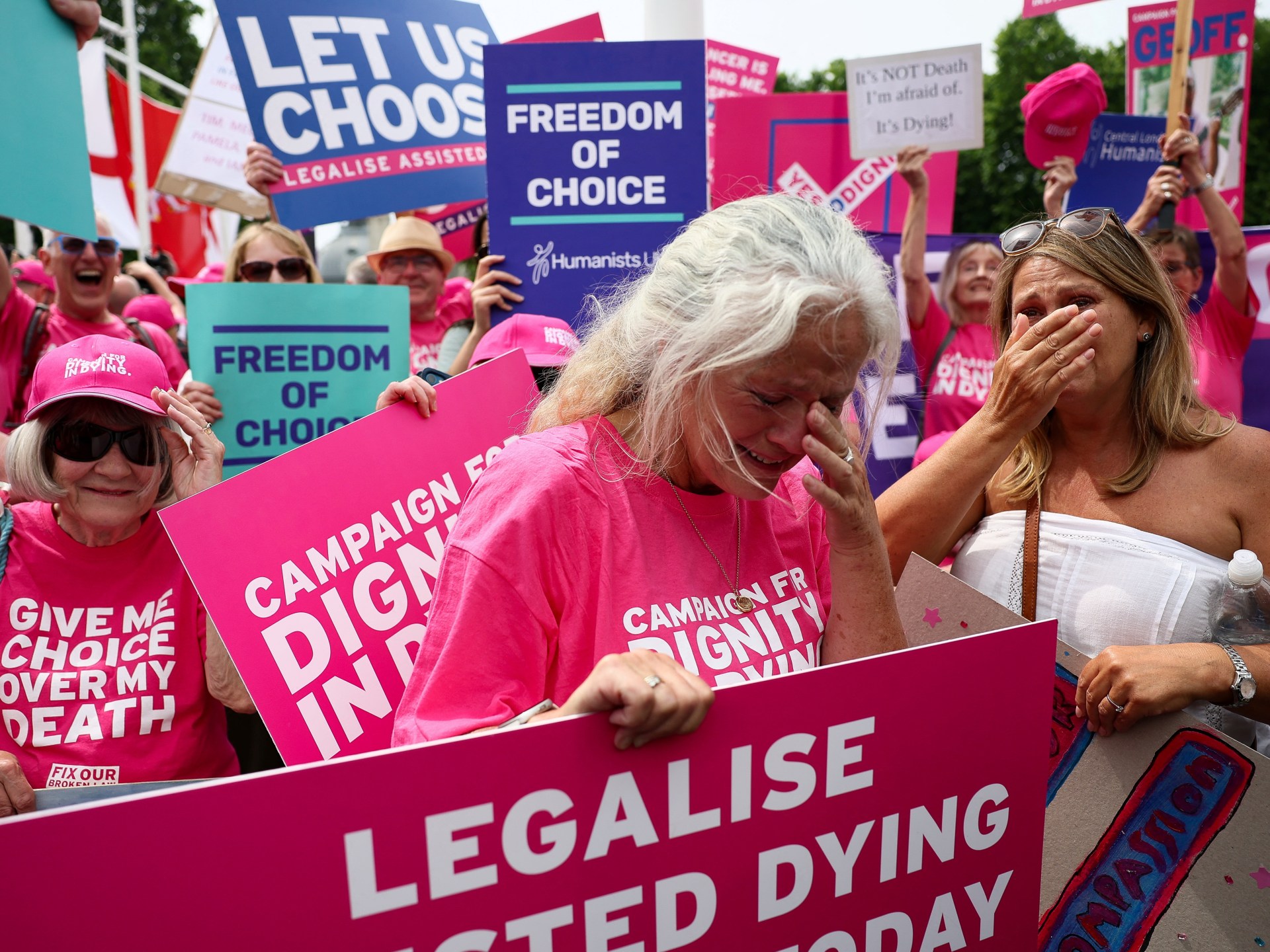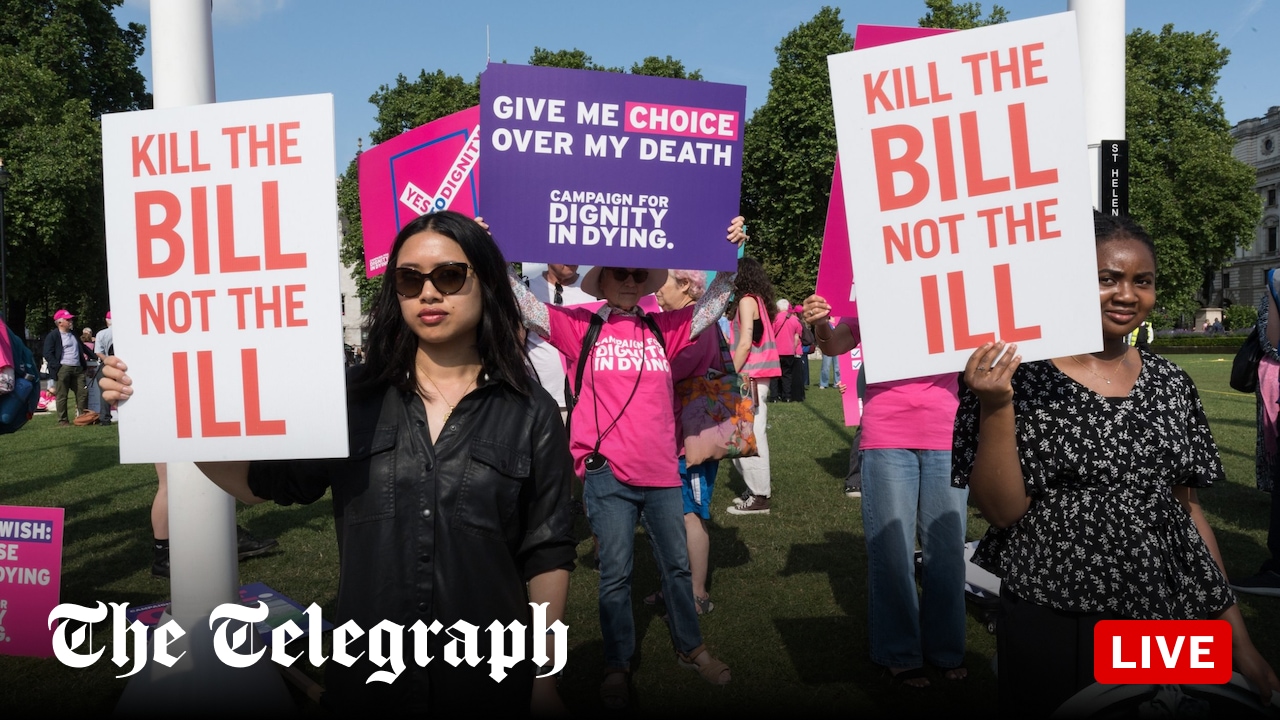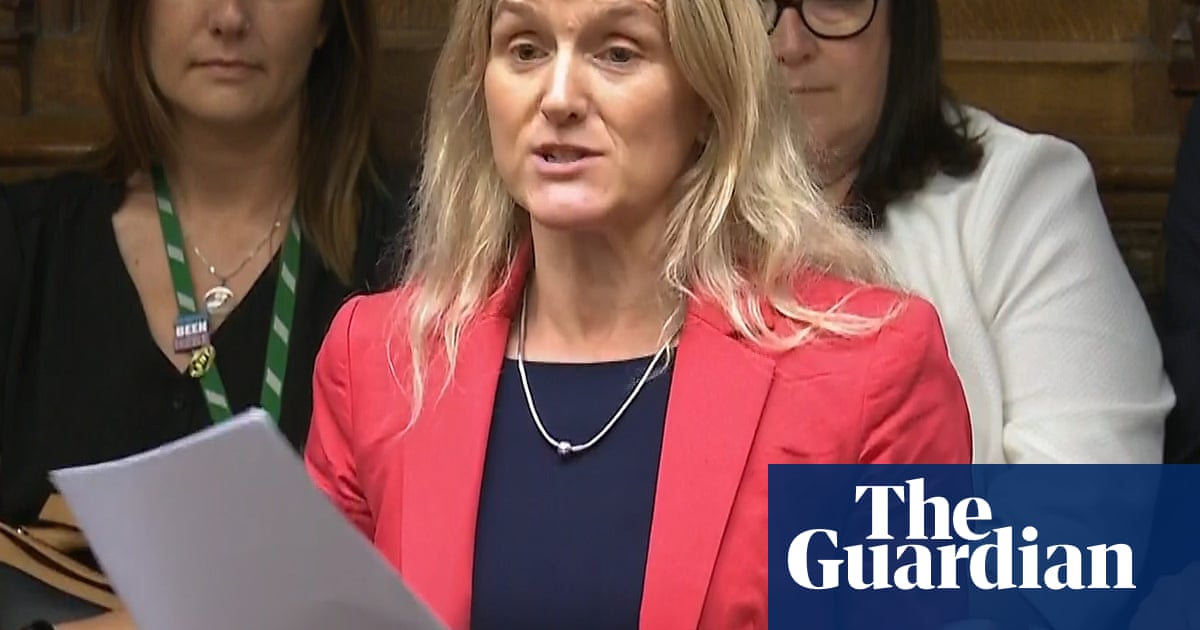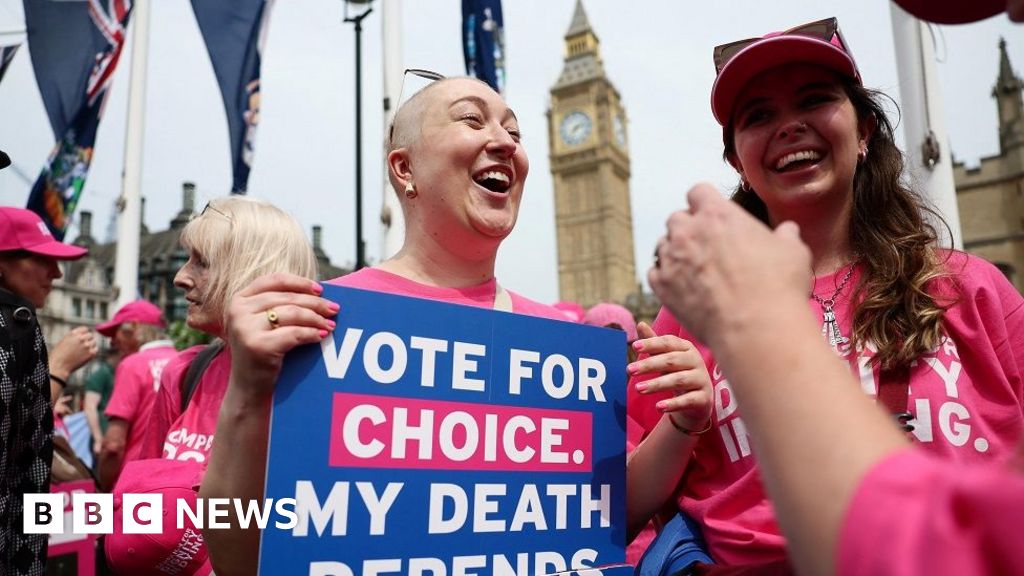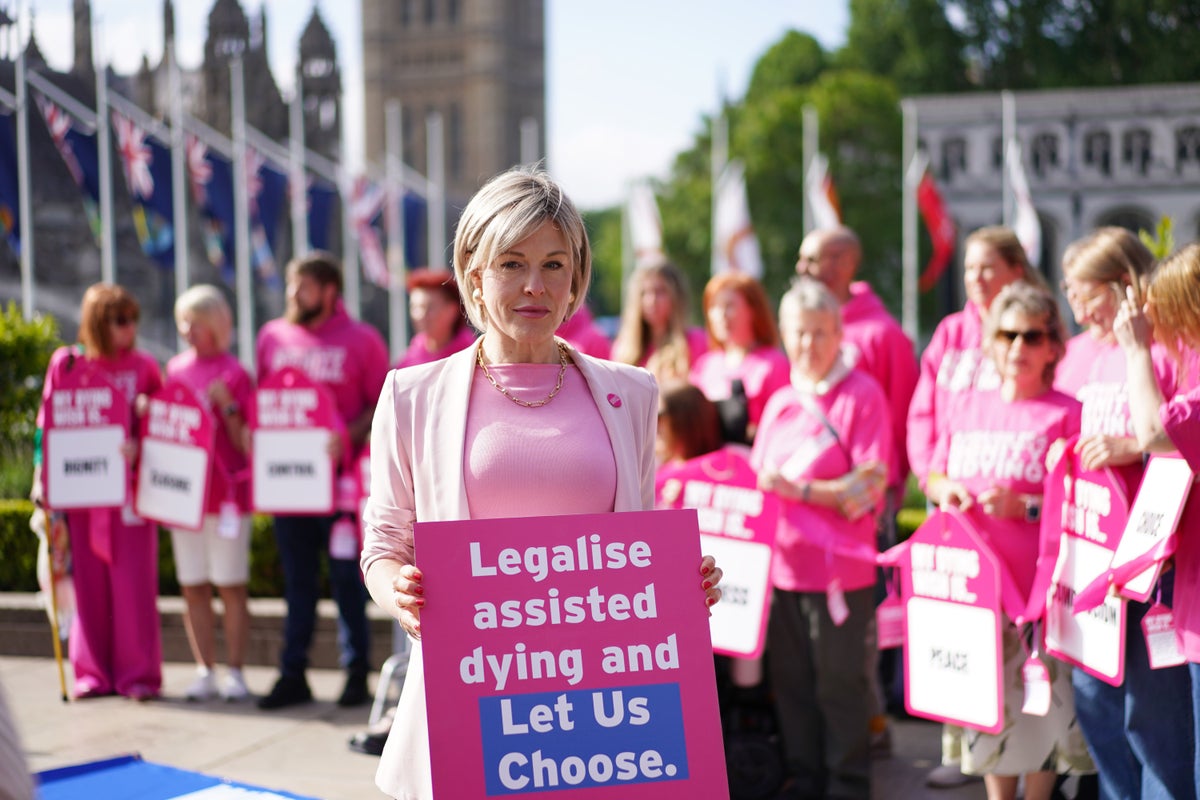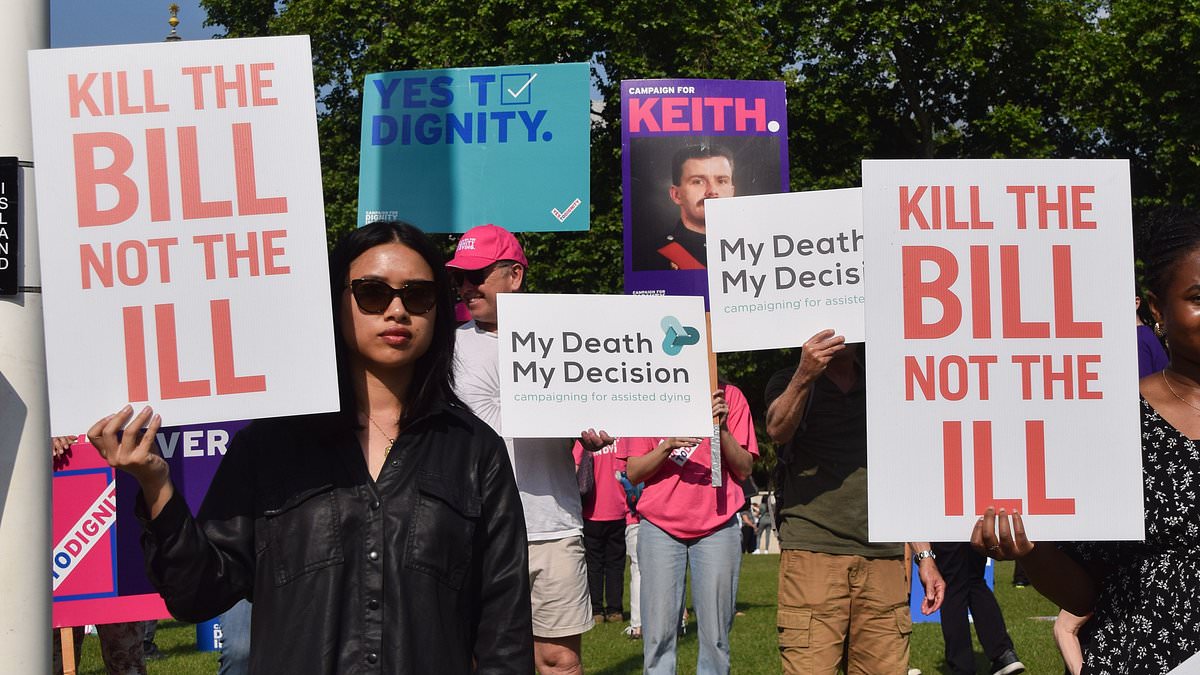
Last week, the UK’s highest elected officials ruled on the most existential of questions: how we choose to die.
At its third reading, the Assisted Dying Bill passed the Commons by a slim majority of 23 votes, and now its fate lies with the Lords, where it faces a bumpy ride before it becomes law.
The upper chamber, for instance, will examine if a three-person panel of professionals (from law, psychiatry and social work) offers greater safety and oversight in approving a patient’s application to die than a High Court judge, as was originally proposed.
Peers will have at their disposal the grim cost-benefit analysis to the NHS in accelerating the deaths of the terminally ill, released last month under the cover of the local election results.
According to the report, as many as 1,300 people are expected to apply to die in the first year, saving as much as £10million in medical bills.