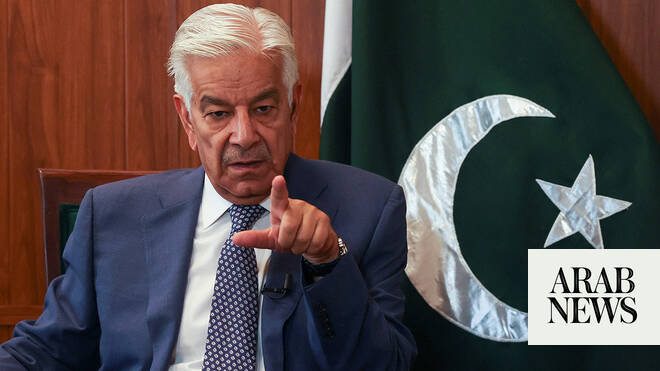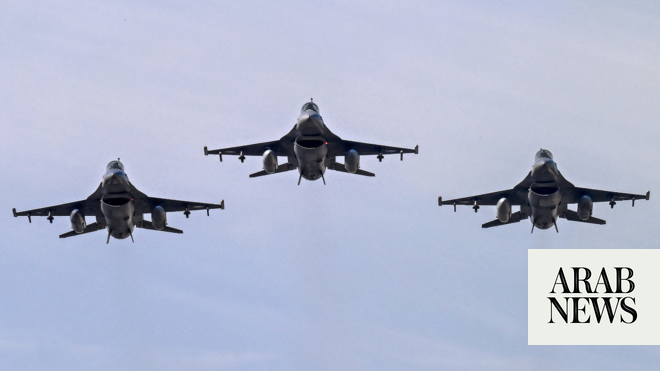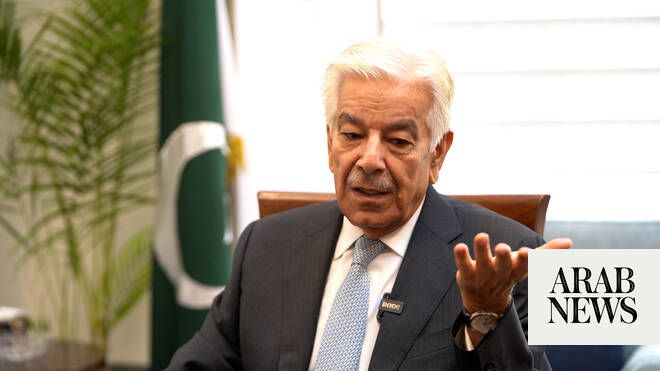
ISLAMABAD: Pakistan’s Defense Minister Khawaja Asif said this week it was “very normal” for Islamabad to share battlefield intelligence with close ally China in the aftermath of last month’s brief but intense military confrontation with India, though he downplayed suggestions Beijing played a direct operational role or provided decisive satellite support during the aerial fight.
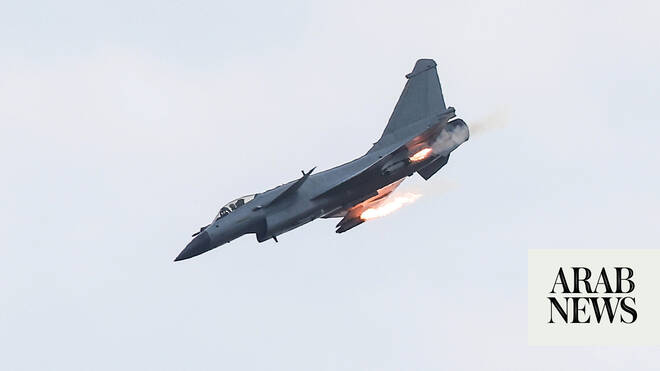
The May 7–10 conflict — the heaviest fighting in decades — has drawn significant interest from Western militaries, security observers and diplomats, who see it as a rare opportunity for China to study the performance of Indian pilots, fighter jets, air defense systems and air-to-air missiles in real combat conditions.
With Beijing locked in its own longstanding border disputes and strategic rivalry with New Delhi, analysts believe any Pakistani data trove could sharpen China’s military readiness.
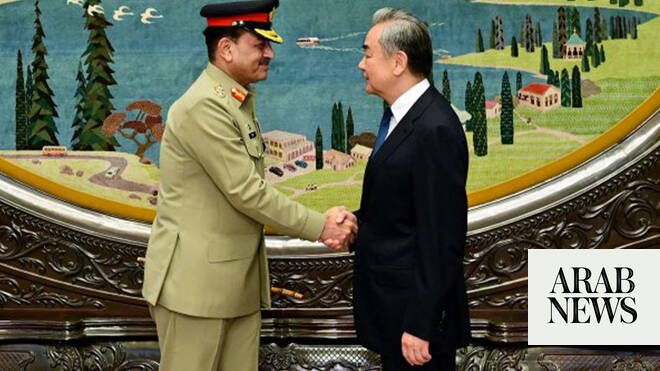
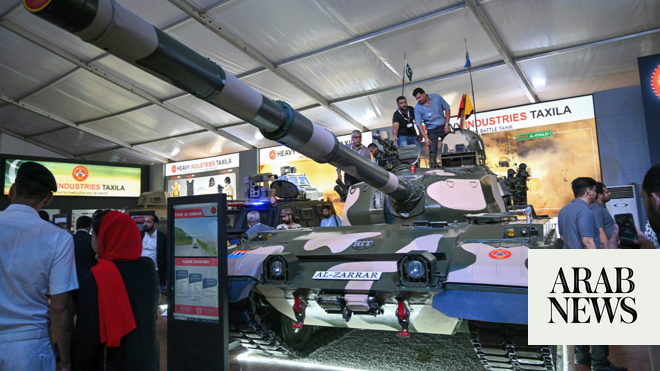
China is already Pakistan’s principal supplier of military hardware, providing fighter jets, missiles, submarines and surveillance technology. The two neighbors share a strategic alliance driven in part by their disputes with India, which has fought wars with both nations. Close economic and security ties, anchored by the multi-billion-dollar China-Pakistan Economic Corridor (CPEC), has further strengthened the relationship.