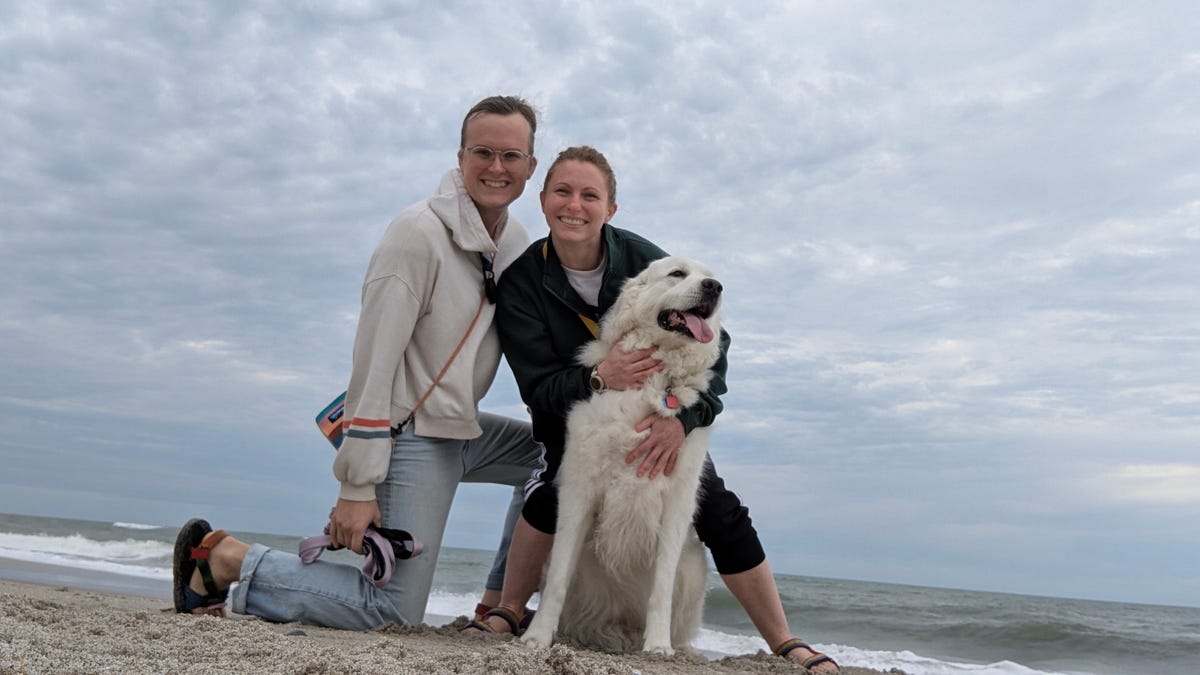
When Madeline Gregg and her wife, Bryn, drive to Florida for vacation, they consider more than just road safety.
In certain parts of the South, the 33-year-old certified sex educator said, it feels less risky for her to get out and pump gas while her wife, who is transgender, stays in the car. “We don't even have to talk about it anymore,” she told USA TODAY. “It's just assumed.”
The couple has also learned which businesses have family or gender-neutral bathrooms conveniently located along the route from their home in Louisville, Kentucky, including in states with restrictive bathroom laws. Even in the Melbourne, Florida, area – where they typically visit three to five times a year and Bryn’s family has a beach house – they are cautious about showing public displays of affection.
“We want to enjoy where we are, and if we draw more attention to us, we probably won't enjoy it as much,” she said.
As a native Kentuckian, Gregg is accustomed to those kinds of precautions. However, she is among a number of people who have found traveling in the American South more fraught as the federal government targets the LGBTQ+ community.