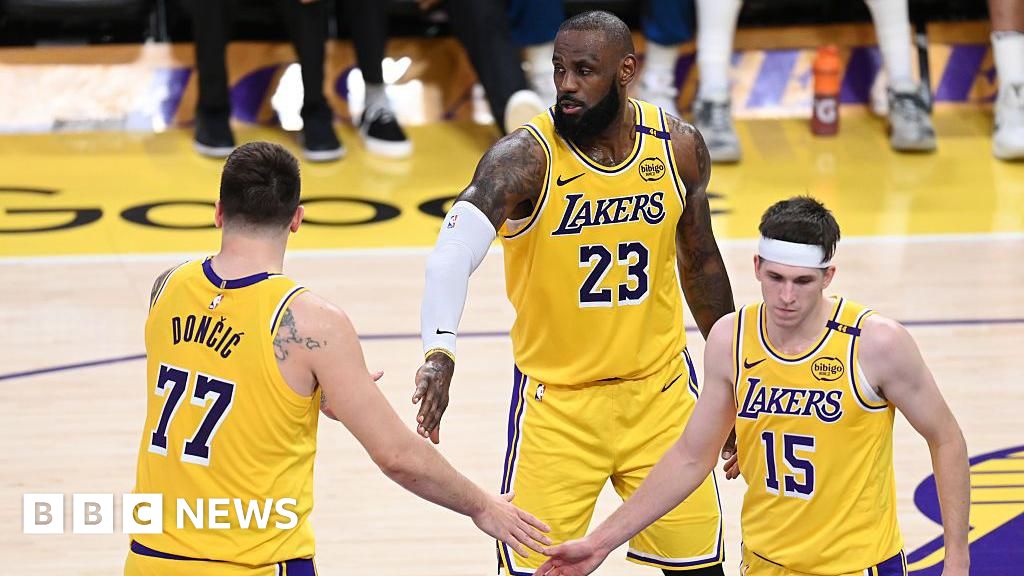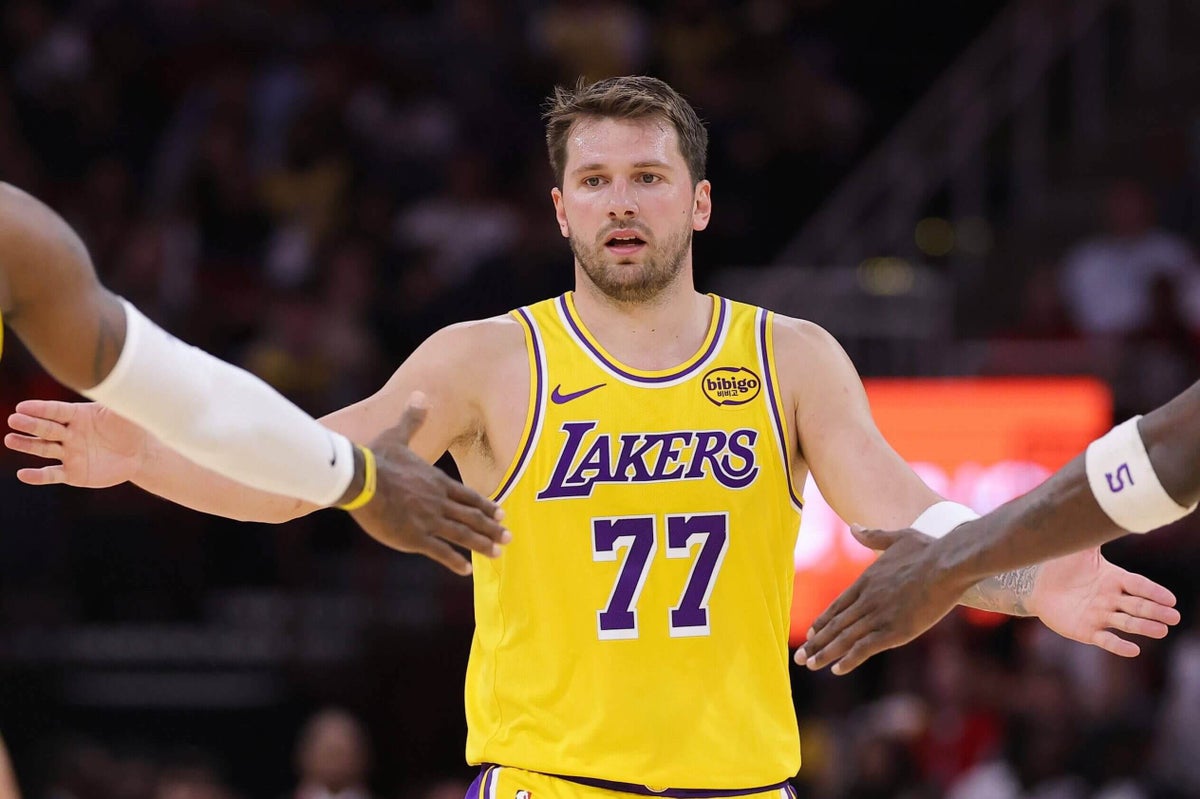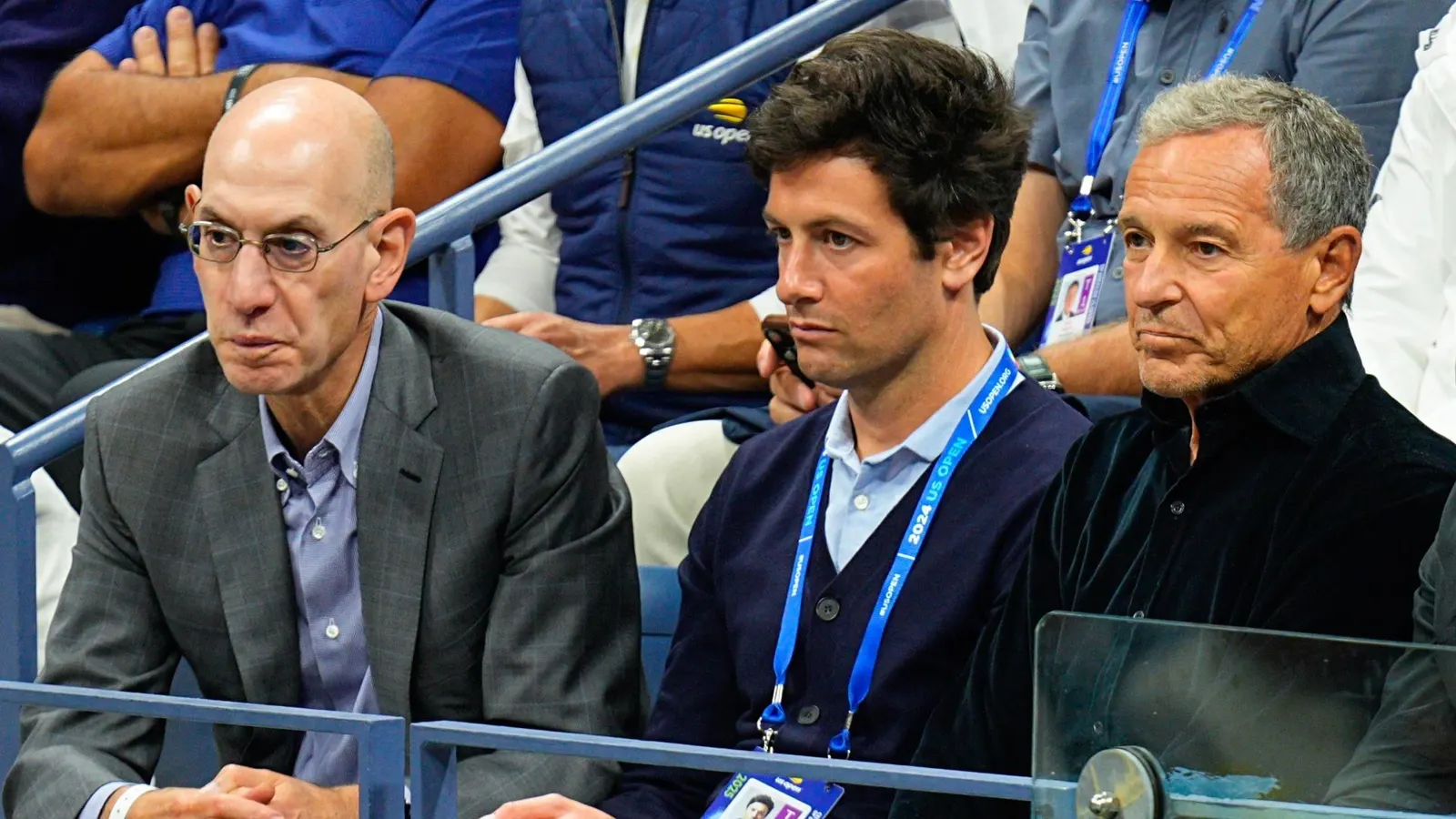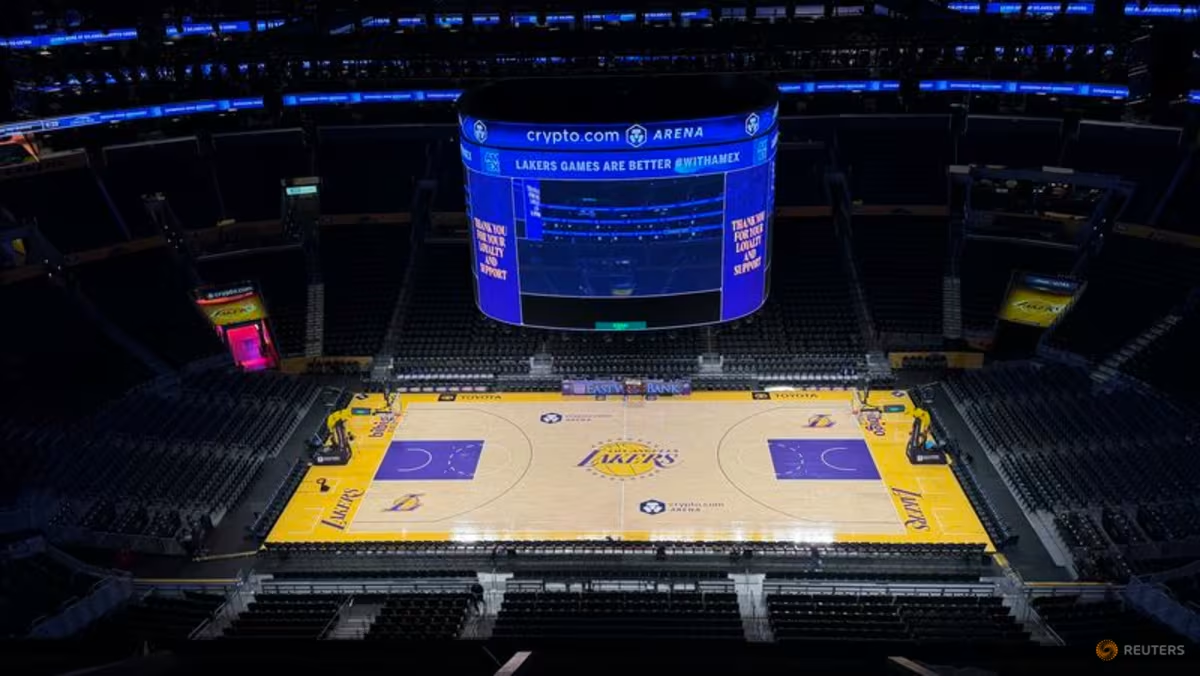
The Lakers’ record sale underscores how owning elite sports franchises is increasingly beyond even the wealthiest individuals, shifting power toward corporate consortiums
The sale of the Los Angeles Lakers is many things.
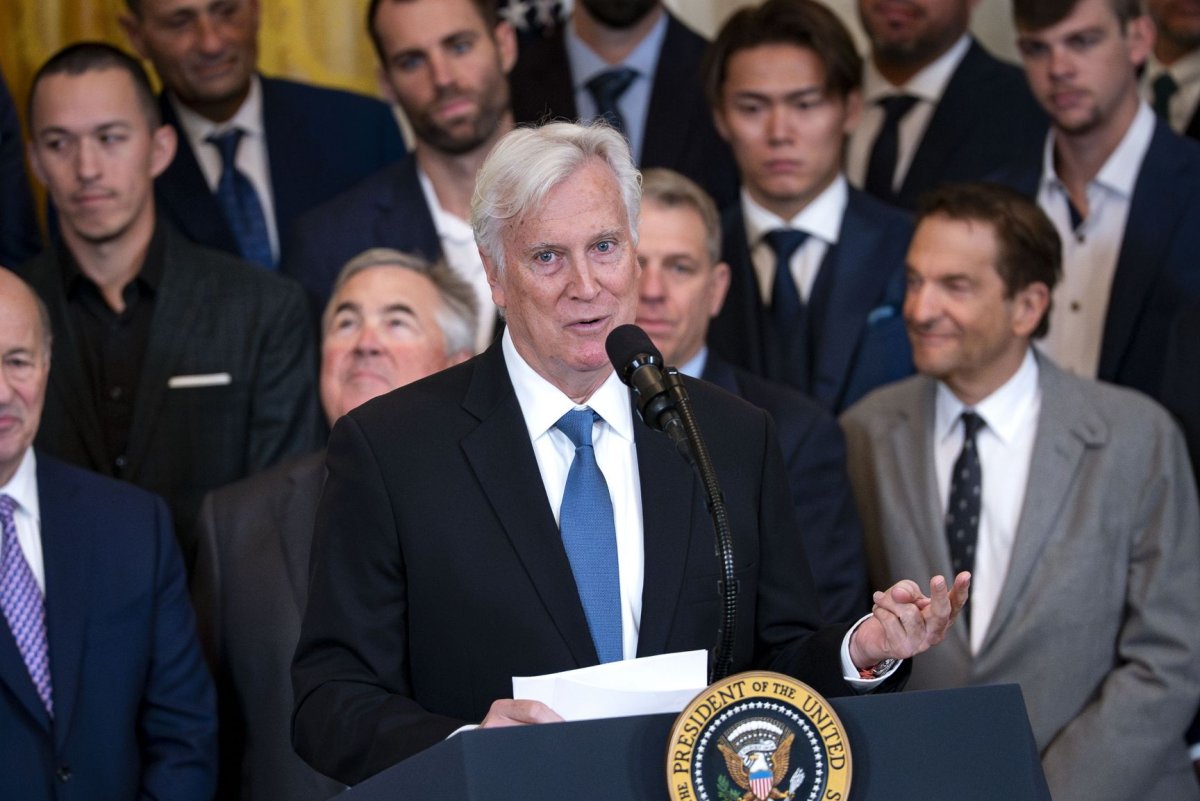
First of all, it is a record. The glitziest team in basketball is changing hands at a valuation of $10bn, the biggest ever for a sports franchise. Second, it is probably an excellent deal for the buyer, even at that astonishing valuation. And third, the shift in majority ownership from the Buss family to an investment group led by Los Angeles Dodgers owner Mark Walter, is something else: inevitable.
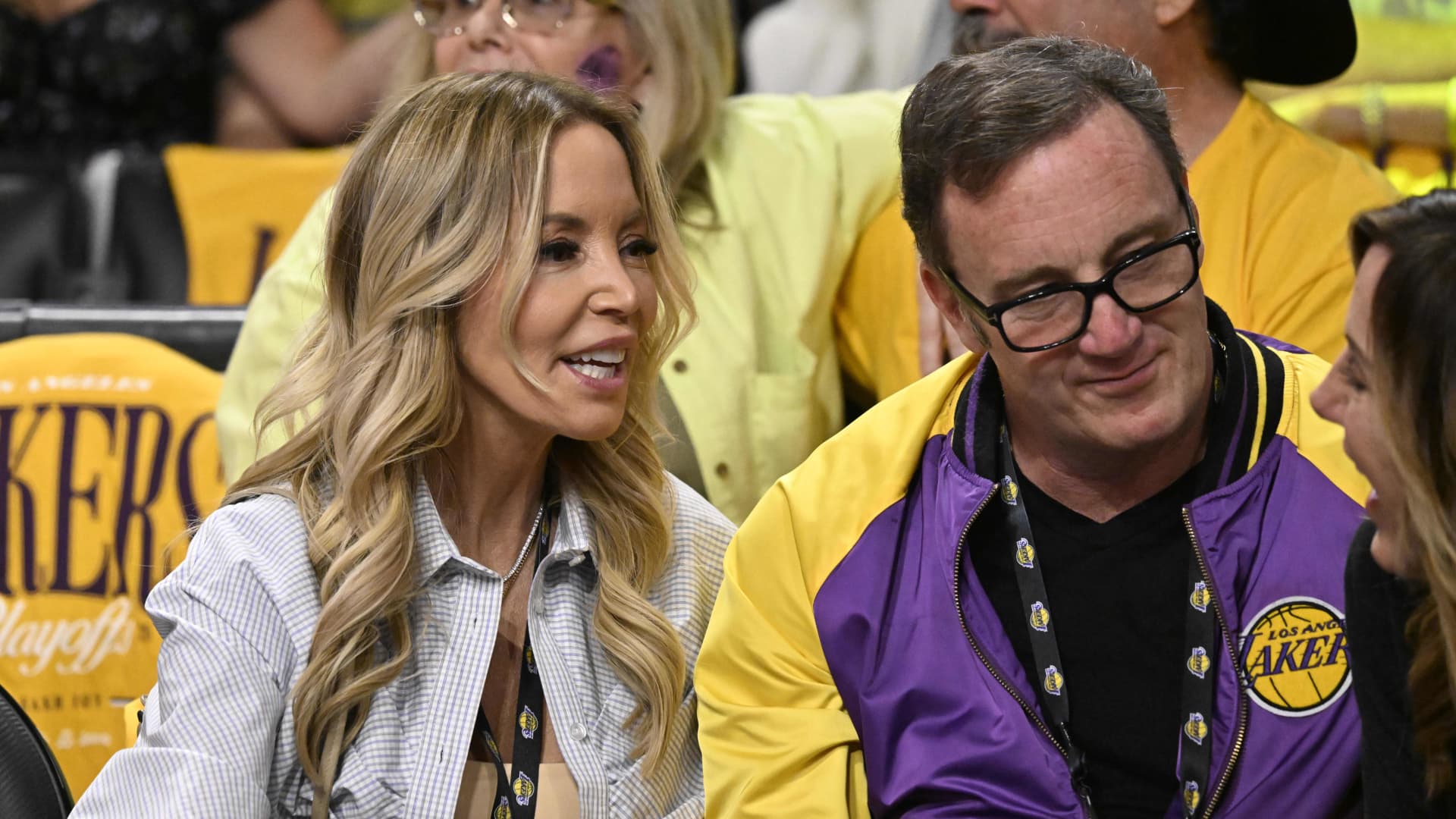
Sports teams are an eye-watering asset class. Not only does owning one confer countless perks and the kind of societal status that most money can’t even buy, but team valuations in the major North American sports have been on a steep upslope for decades. The sale of the Lakers represents a new peak and is also the latest data point that illustrates a new fact about sports ownership. The best properties have become too valuable an asset class for people like Jeanie Buss to control them.
Buss’ father, Jerry, bought the team in 1979, and the Lakers have since then operated like one of the world’s largest family businesses. The Lakers are by far the biggest source of the Buss family’s wealth, and as ESPN reported on Thursday, the team has traditionally used its own revenues to pay its expenses. Its golden goose is an enormous local television deal with the LA cable provider Spectrum.