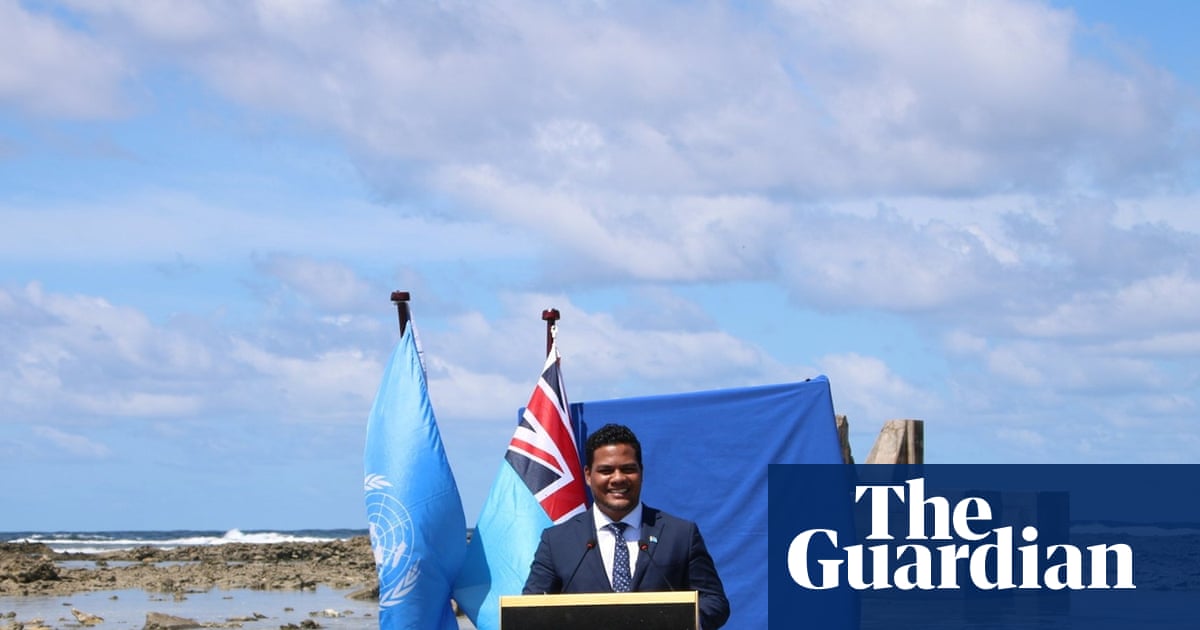
World-first agreement that creates a visa in the context of climate change stirs hope among young people in Tuvalu
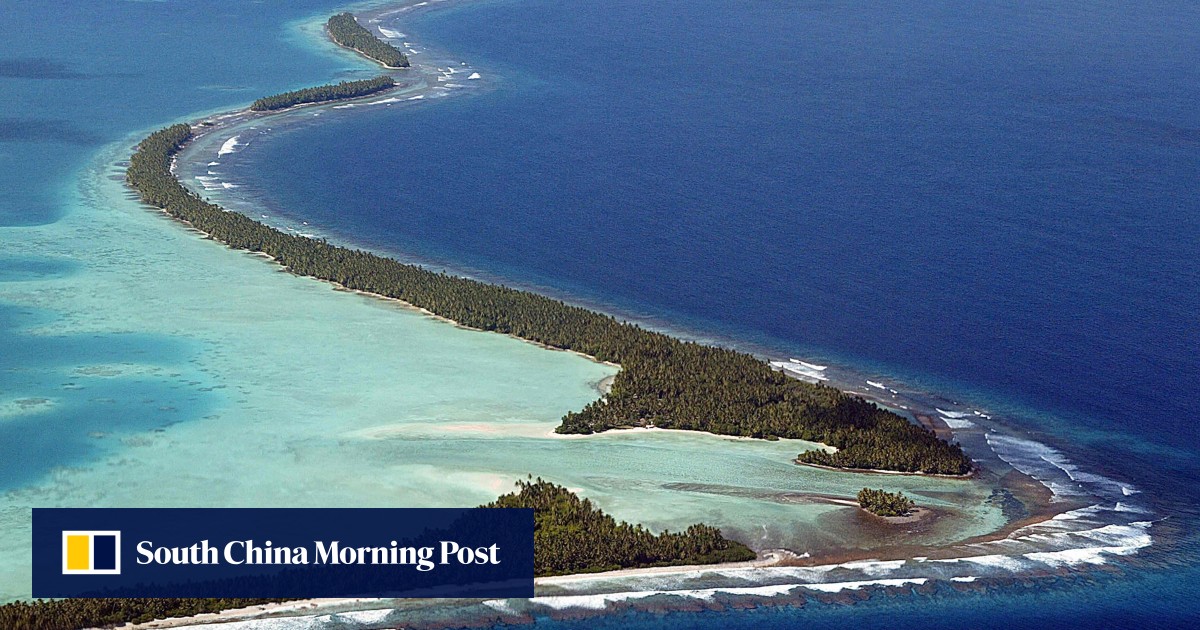
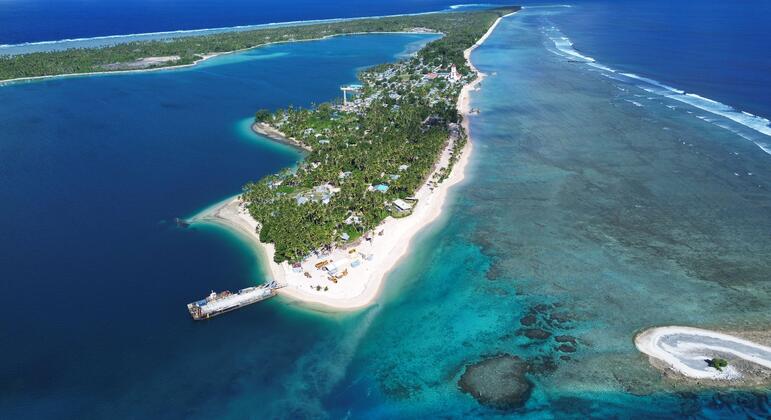
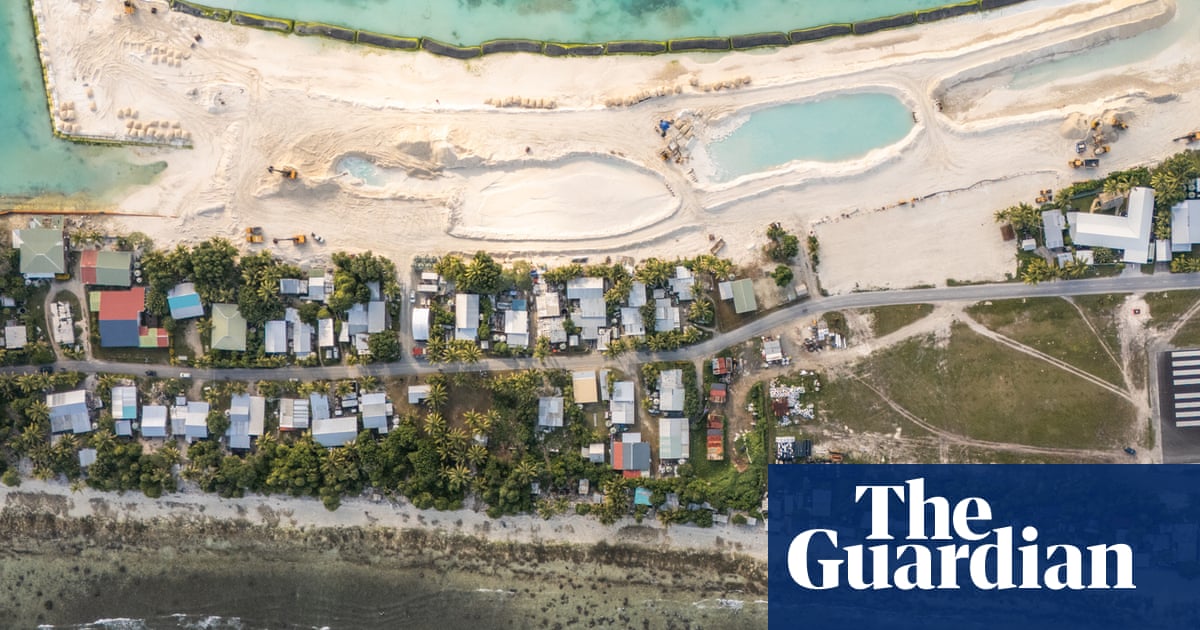
On the sandy shores of Vaiaku, as coconut trees sway gently in the breeze, Tekafa Piliota sits in his small classroom and dreams of becoming a doctor. The 13-year-old, who lives in Tuvalu’s capital Funafuti, knows that would mean leaving his homeland. There aren’t any universities in the small Pacific island nation, which lies between Australia and Hawaii. The country has another problem: it is predicted to be one the first countries to become uninhabitable due to rising seas.
“I would like to go to Australia to study. There is higher ground in Australia, and it might be safer during natural disasters,” Piliota says.
In the years to come, he could see that dream become a reality. This week the first ballot opened that allows Tuvalu citizens to apply to move to Australia. It is part of a world-first agreement the two countries signed in 2023 that creates a visa in the context of the climate crisis.
The agreement, known as the Falepili Union treaty, will allow up to 280 Tuvaluans each year to migrate to Australia and obtain permanent residency, and move freely between the countries. The treaty also contains other provisions to deepen ties, including security guarantees and disaster assistance.