The Michelin-starred chef’s documentary is searingly painful to watch, as he talks about being sectioned by his wife and the repercussions for his family. Let’s hope he doesn’t regret the heart-to-heart with his son
T
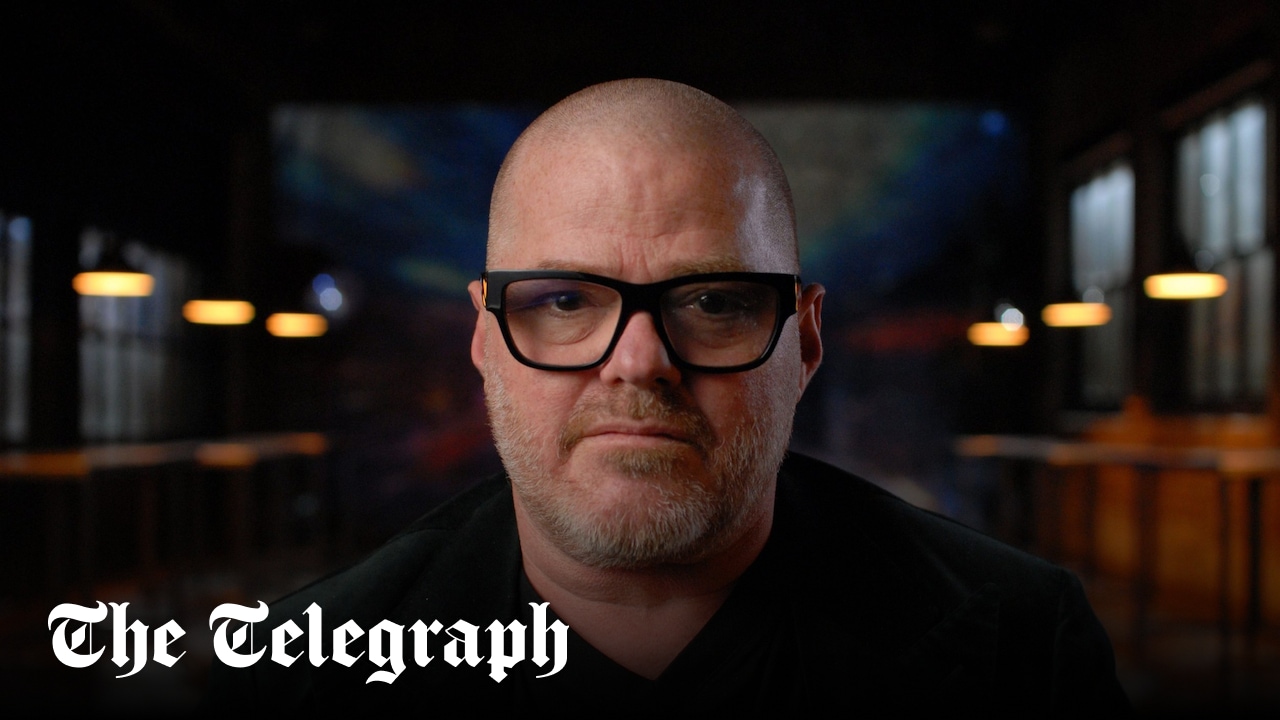
he diagnosis around which Heston: My Life With Bipolar revolves is so recent that, when we meet him, the doctors are still adjusting his medication. It was only 18 months ago that police, firefighters and a man with a syringe arrived at his front door to have him sectioned at his wife’s request. “She had to do it,” he says. “Or I wouldn’t be here.” He woke up in what he would learn was a psychiatric hospital and stayed there for two months before returning home with his new medications as one of the 1.3 million people in the UK living with bipolar disorder.
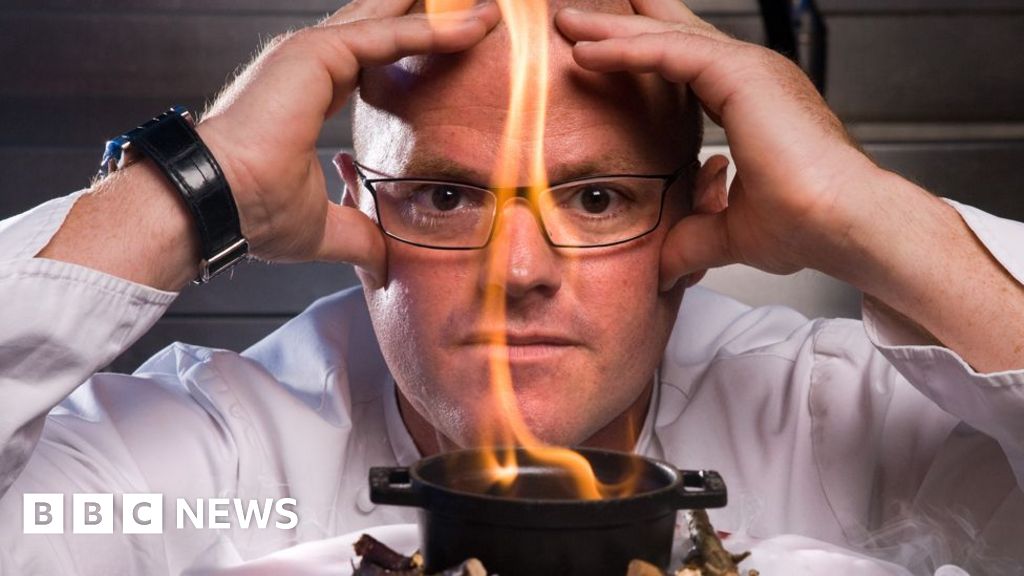
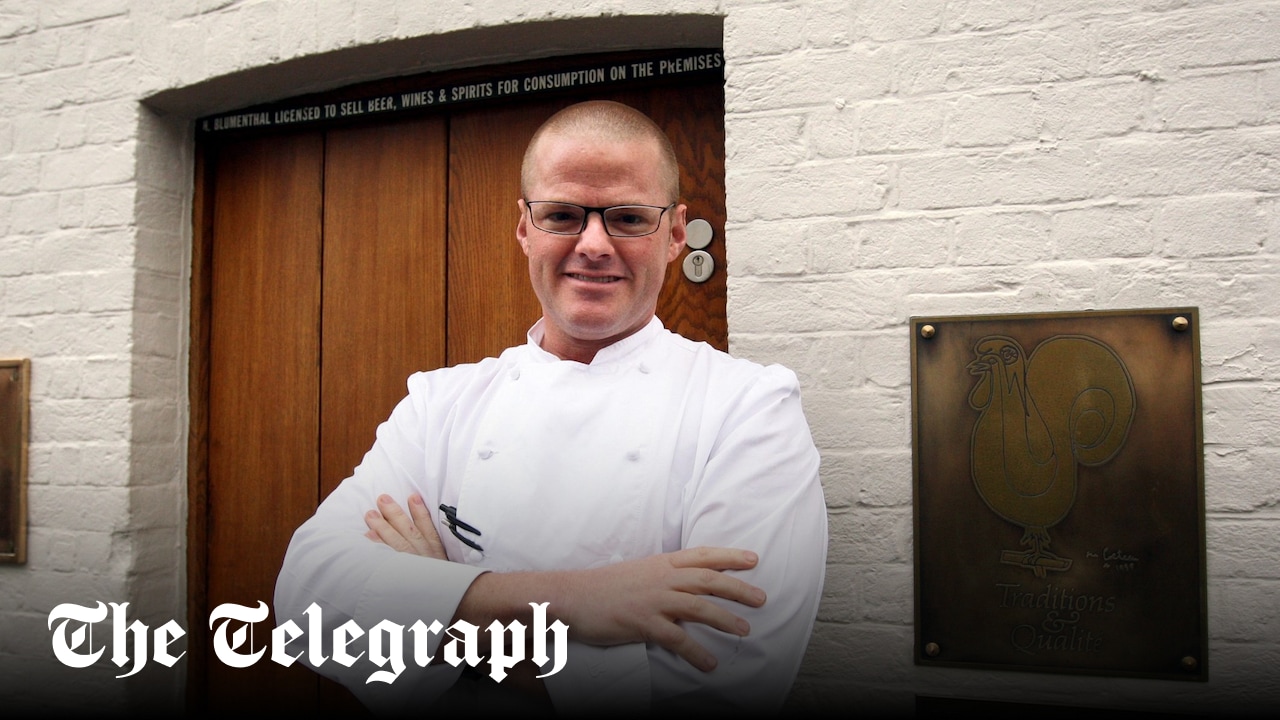
Heston is Heston Blumenthal, of course, who made his name as the “molecular gastronomist” who invented snail porridge, bacon-and-egg ice-cream, sardine sorbet and a plethora of other extraordinary dishes that made him and his restaurant the Fat Duck in Bray famous, kickstarted a career as a TV presenter and turned him into a world-renowned brand.
The first third or so of the hour-long documentary chronicles him getting used to his diagnosis and wondering how much his hitherto-unsuspected condition – he thought attention-deficit hyperactivity disorder was the reason he “always had something bubbling in his mind”, as the Fat Duck’s head chef, Garrey Dawson, puts it – has shaped his life. It is a condition characterised by mood swings. “The lowest low is terrible and can include suicidality,” explains Dr Trudi Seneviratne of the Royal College of Psychiatrists, while the highs “are terribly high” and can encompass psychotic delusions. But can the element of mania also be responsible for someone’s artistry or creativity? And if so, can it be lost – must it be lost – in the pursuit of mental stability and safety?