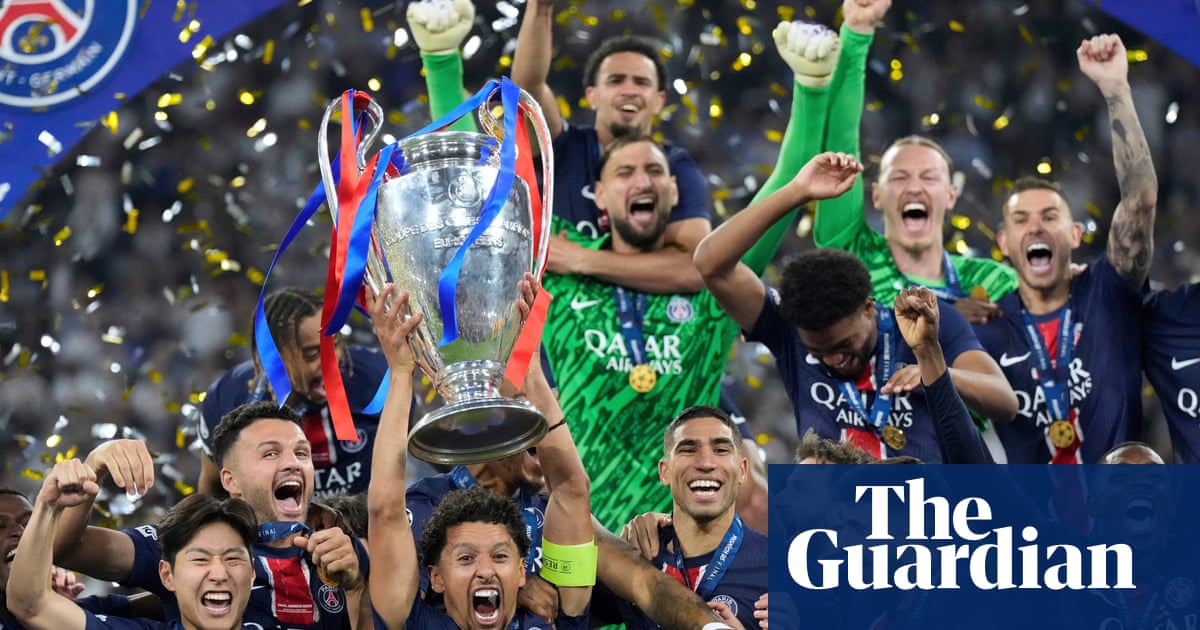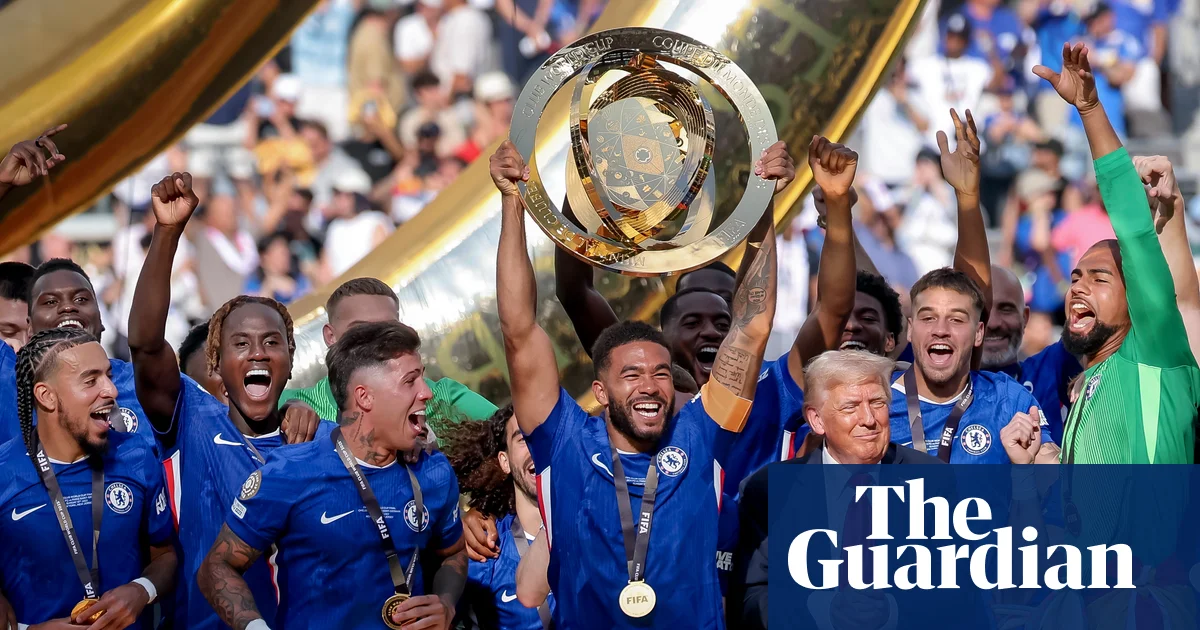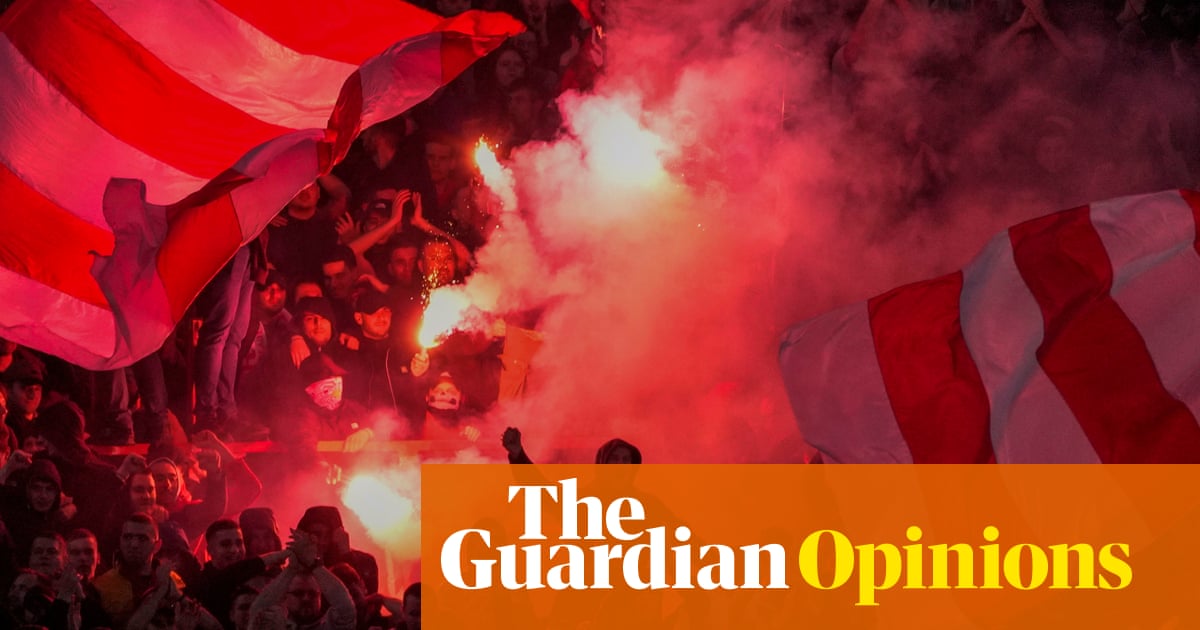
With the top-level juggernaut careering away the majority of Europe’s clubs need help and should be better rewarded for players they develop
W
hile a dozen of Europe’s elite clubs were chasing the American dream, 170 of their less garlanded peers gathered for a barbecue next to Lake Geneva. They had converged on Uefa’s headquarters to attend the qualifying round draws for next season’s continental competitions; Tuesday night was time to get together, perhaps to speed-date representatives of the team you had been paired with or simply to cut loose before a labyrinthine summer spent journeying in search of league-phase football.
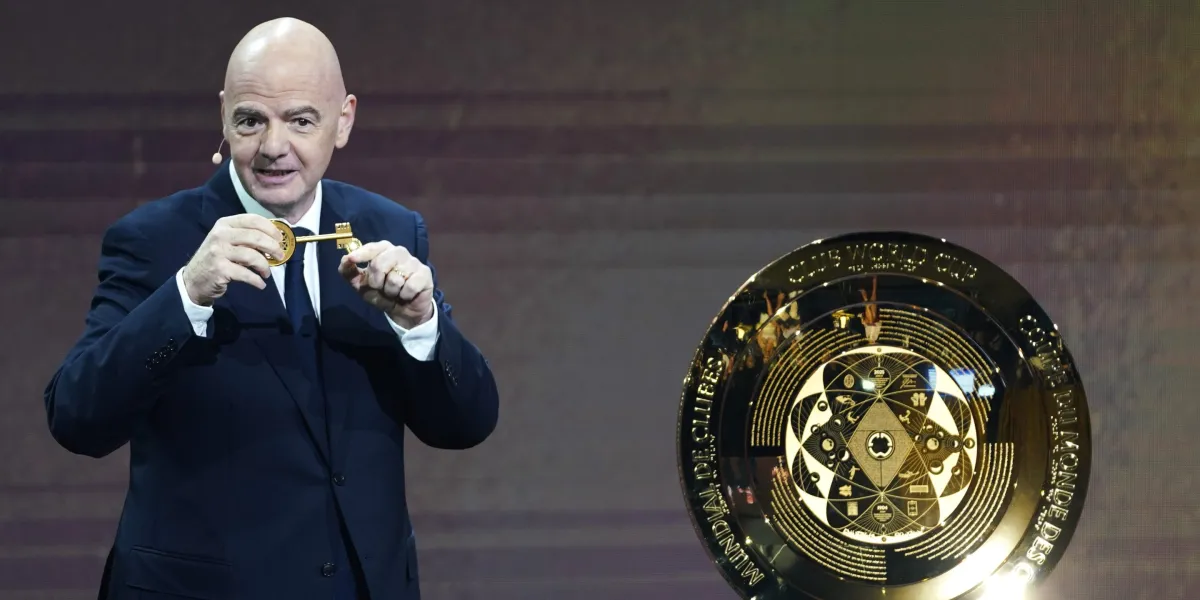
Borussia Dortmund were slugging out a goalless draw with Fluminense while the meat hit the grills, but “Club World Cup” is a dirty formulation in Nyon’s corridors of power. Any available screens showed action from Uefa’s own Under-21 Championship and alternative sources of entertainment roamed the pastel green lawns. A caricature artist did the rounds, stopping at the table occupied by Aleksander Ceferin and putting his pencil to work.
The picture for these smaller clubs may be similarly distorted, but the humorous aspect is lacking. Uefa were correct to trumpet the event’s symbolism in their pre-draw publicity: a vibrant collage of European football life was present, from the storied names of Red Star Belgrade and Rangers to Iberia 1999 of Georgia and Estonia’s Paide Linnameeskond. However, beneath the collegiality it is impossible to escape the sense of a majority being left far behind, with ideas to redress the balance painfully few and largely inadequate.