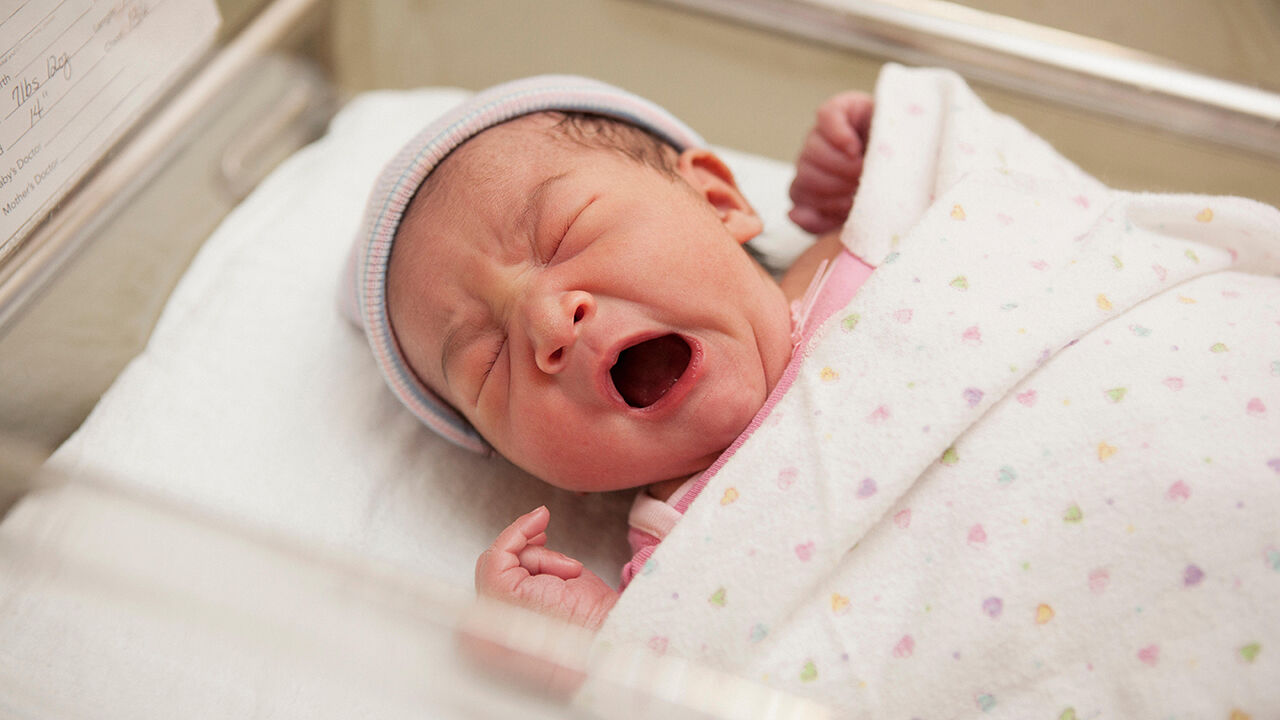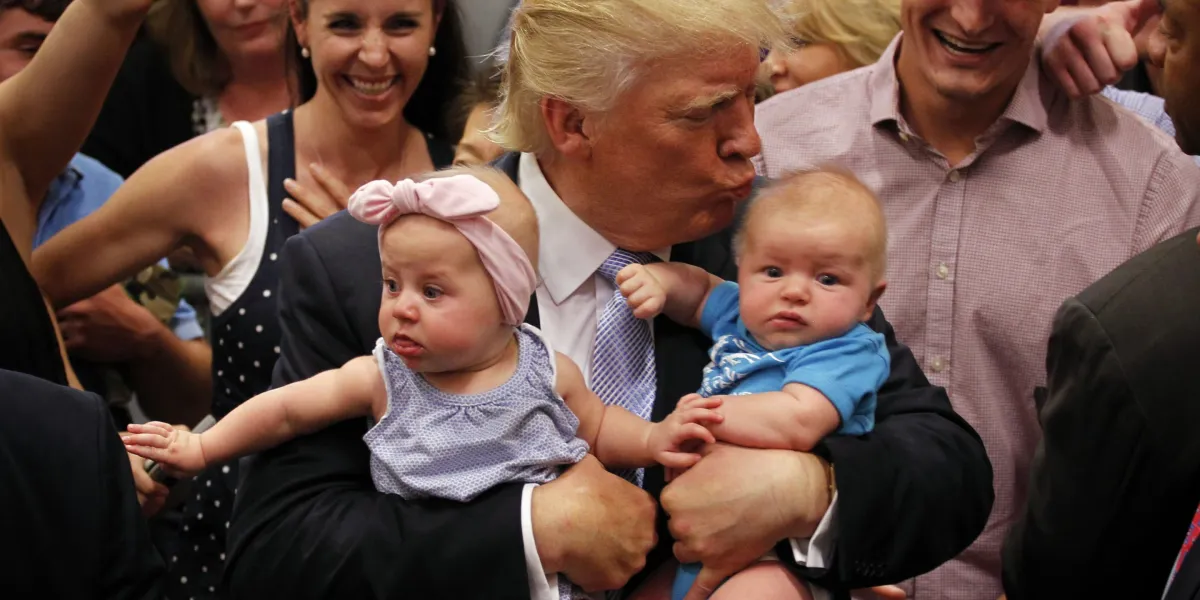
In an effort to get Americans to have more children, the Trump administration has proposed ideas such as a $5,000 “baby bonus” or a $1,000 tax-deferred investment account for children born between 2025 and 2029. It’s as if we’re suddenly in a game of Monopoly: Have a baby, pass go and collect cash!
Their concern is that declining birth rates may lead to a smaller workforce amid an aging population, potentially straining economic stability and the social safety net. But having children can be a swift way into debt. According to the Brookings Institution, a financial think tank, the average middle-income family with two children — median income $80,610 ― spends $310,605 on each child by the time they reach 17.
Additionally, having children in the U.S. comes with risks that go well beyond economics. Maternal morbidity is significantly higher in the U.S. than in other developed countries, and since abortion bans came into effect in some states, deaths have risen — in Texas, maternal death shot up 56%, according to the Gender Policy Equity Institute. For white women, the rate doubled from 20 per 100,000 to 39.1; for Black women, who are historically at greater risk, rates jumped from 31.6 to 43.6 per 100,000 live births.