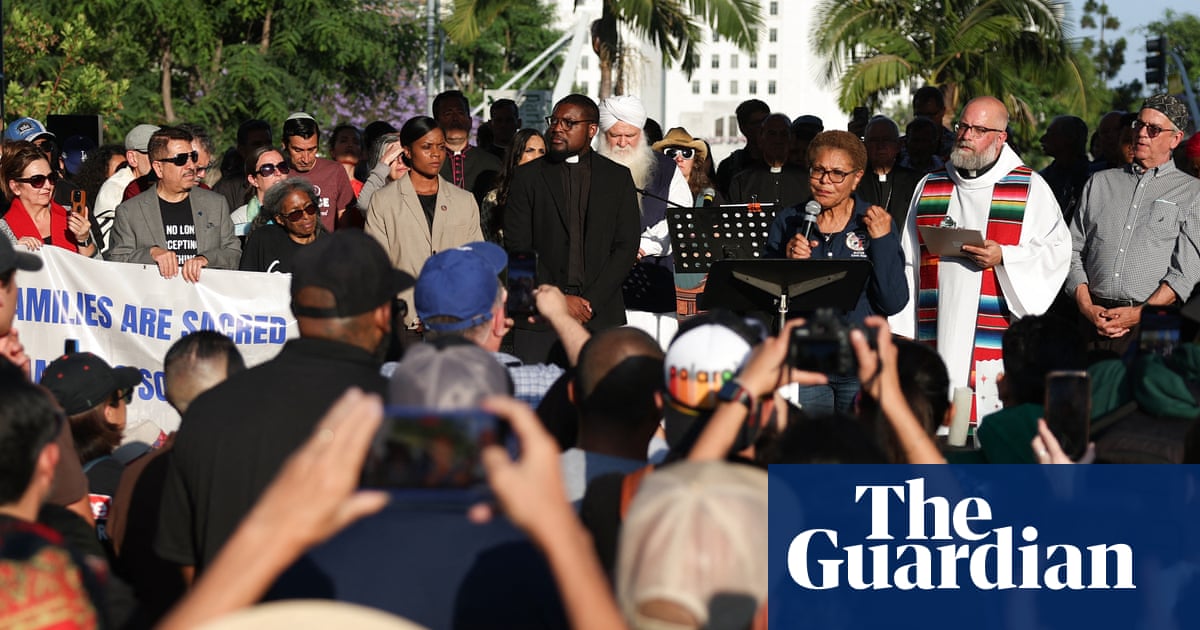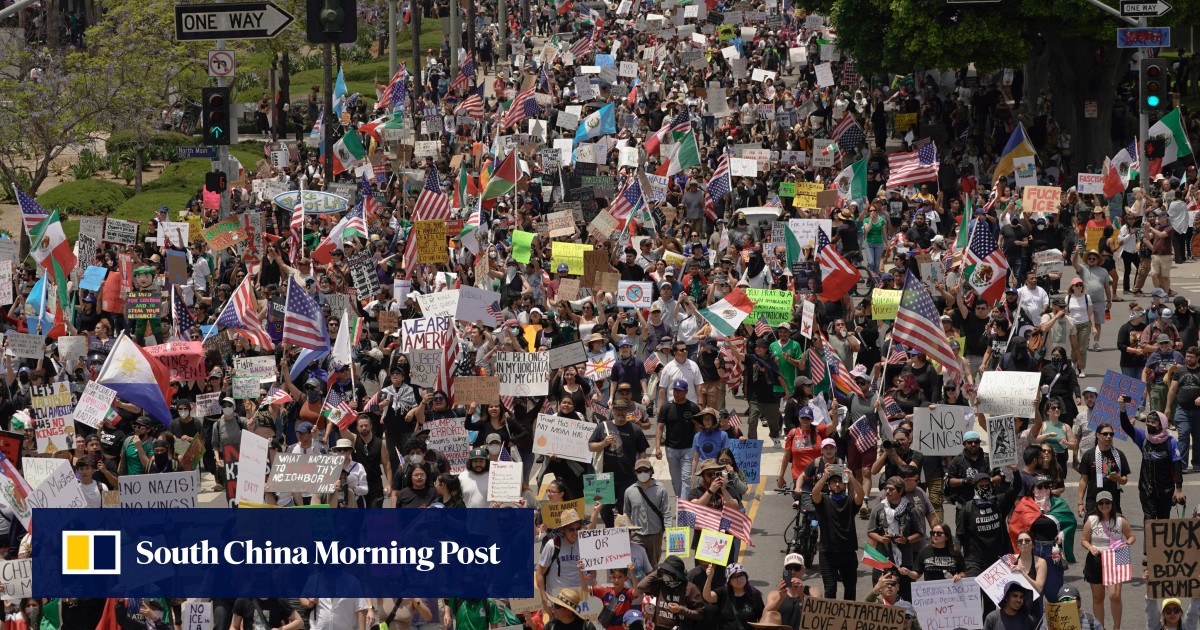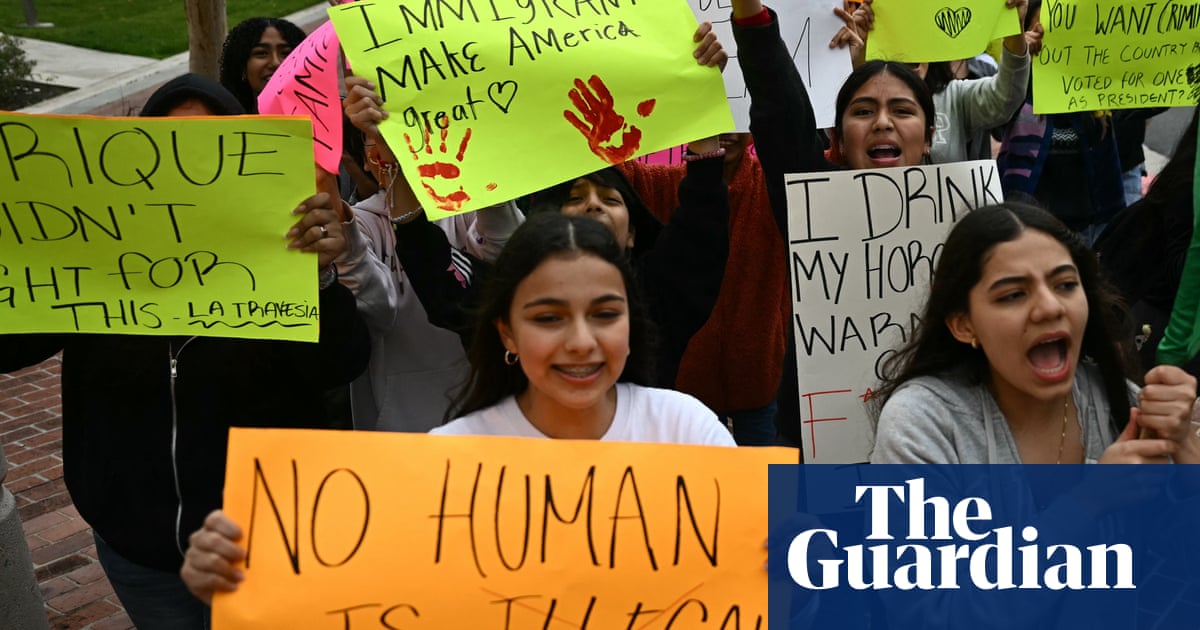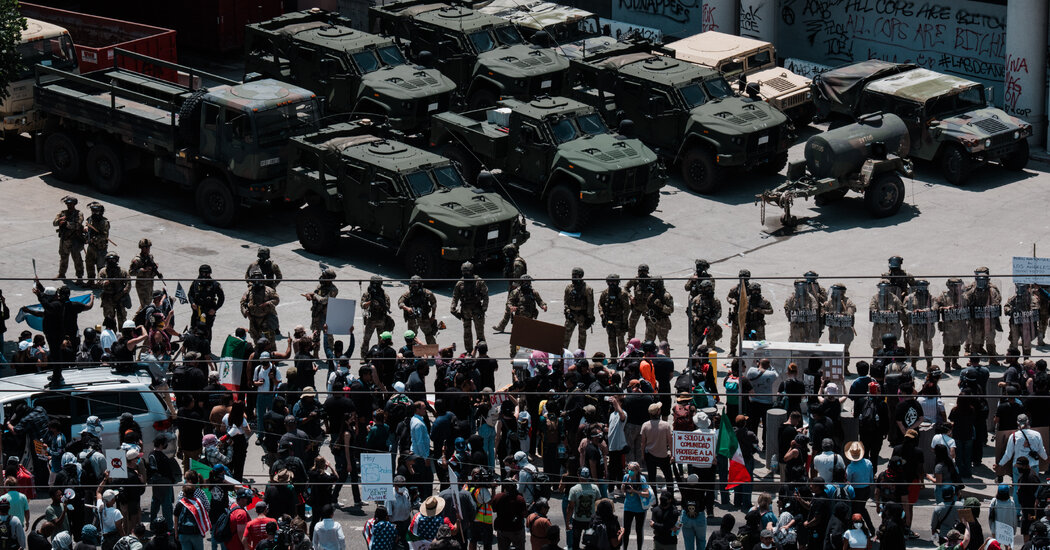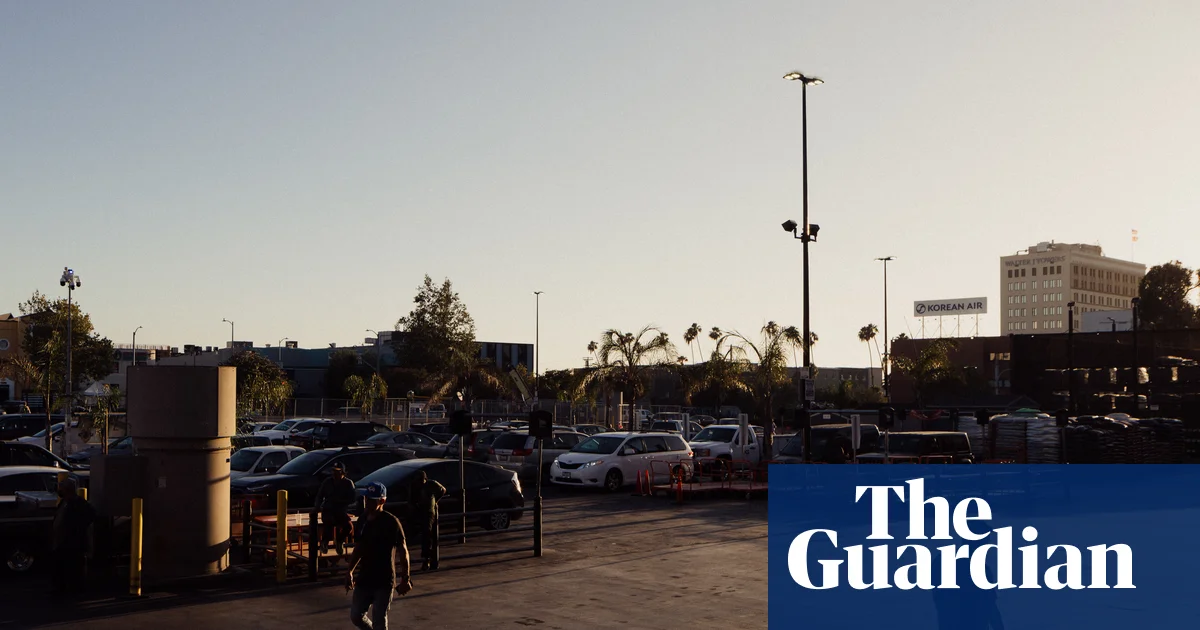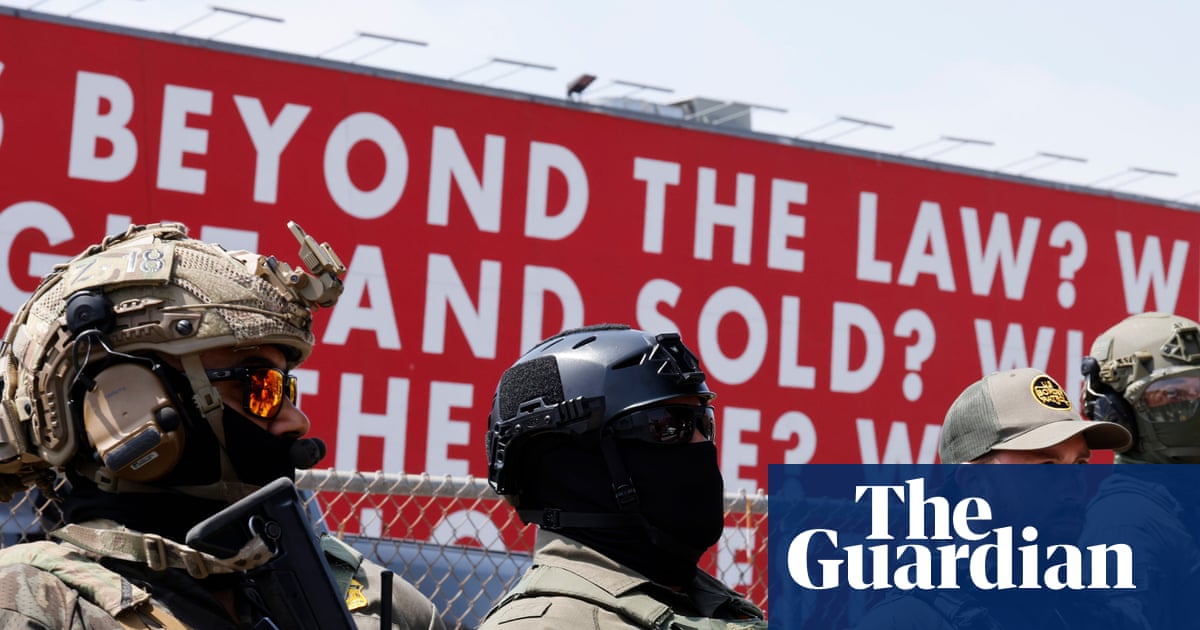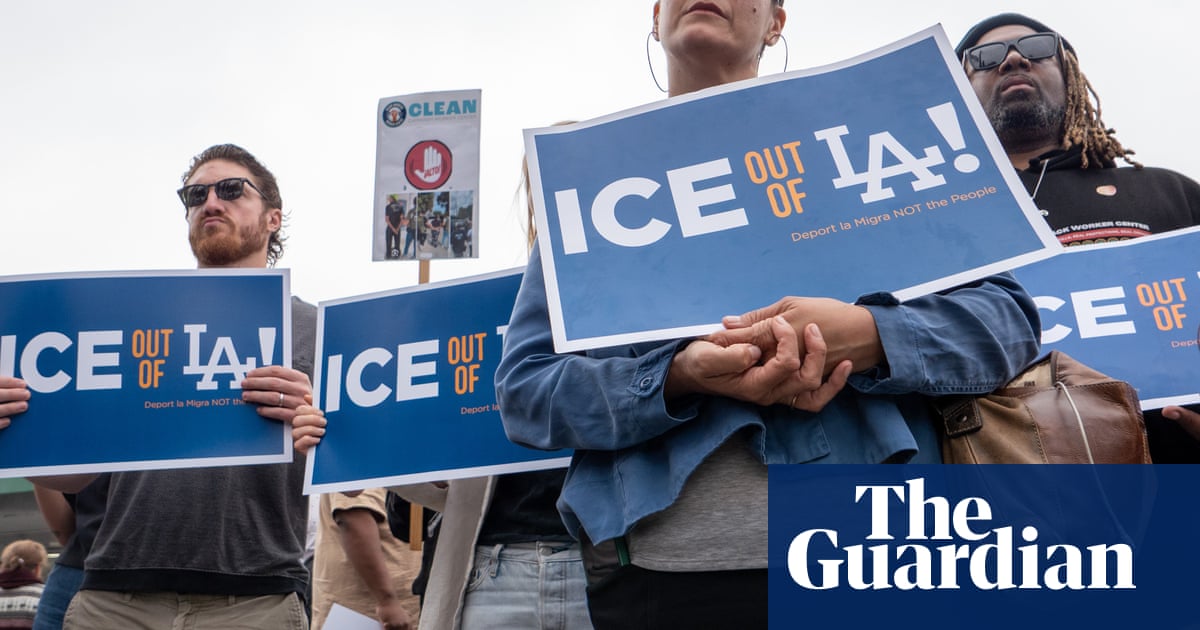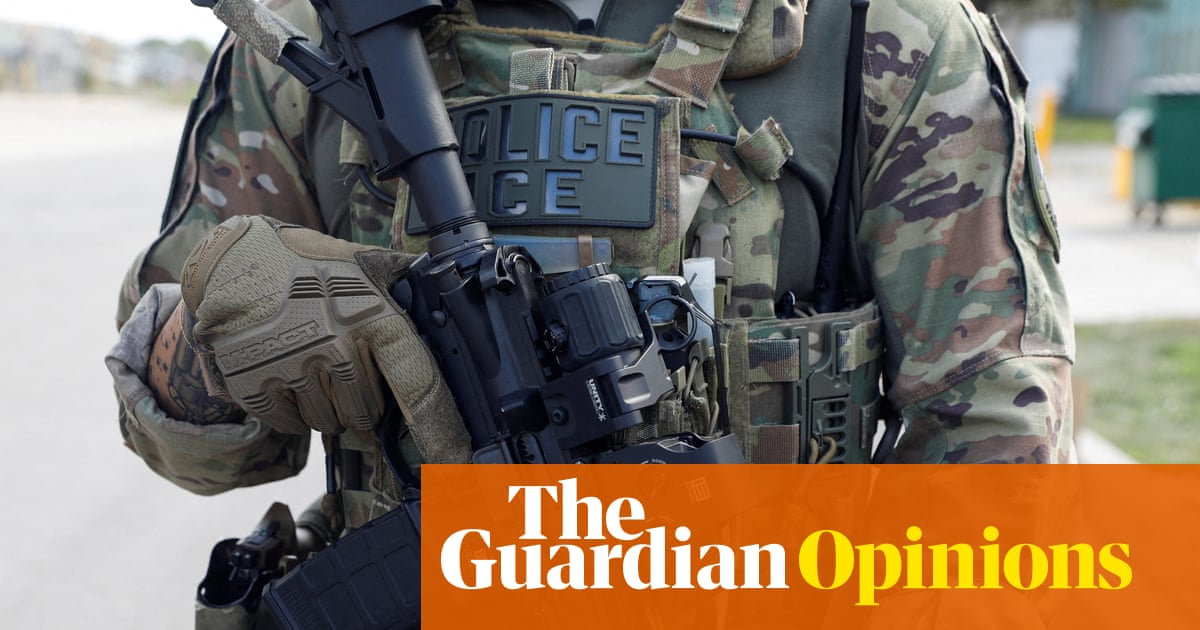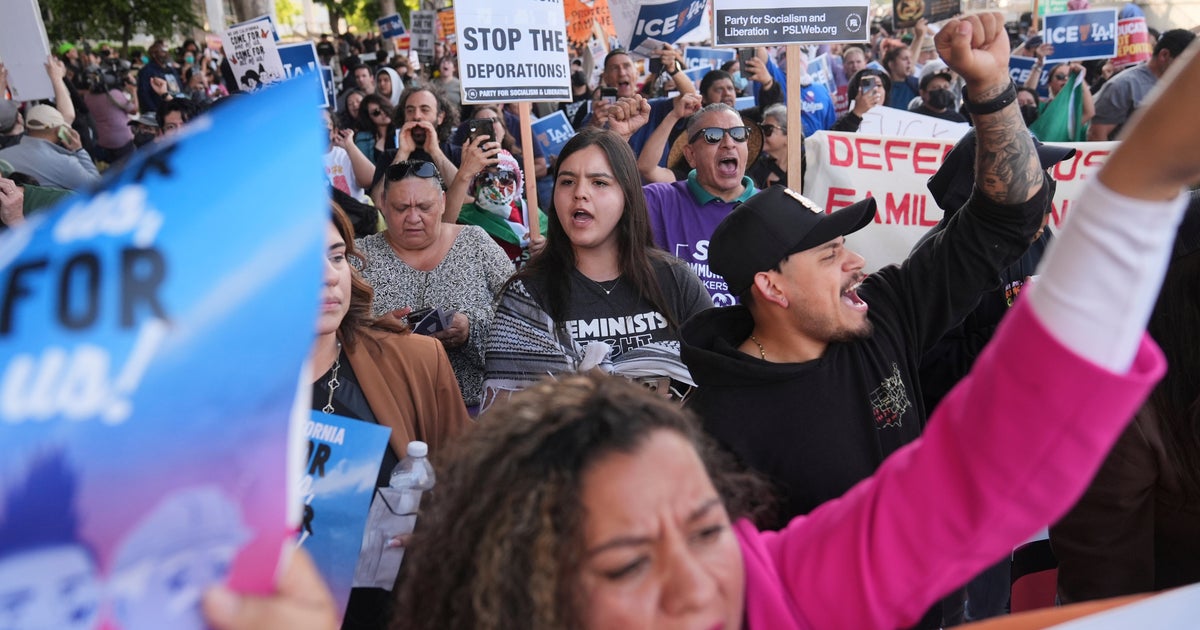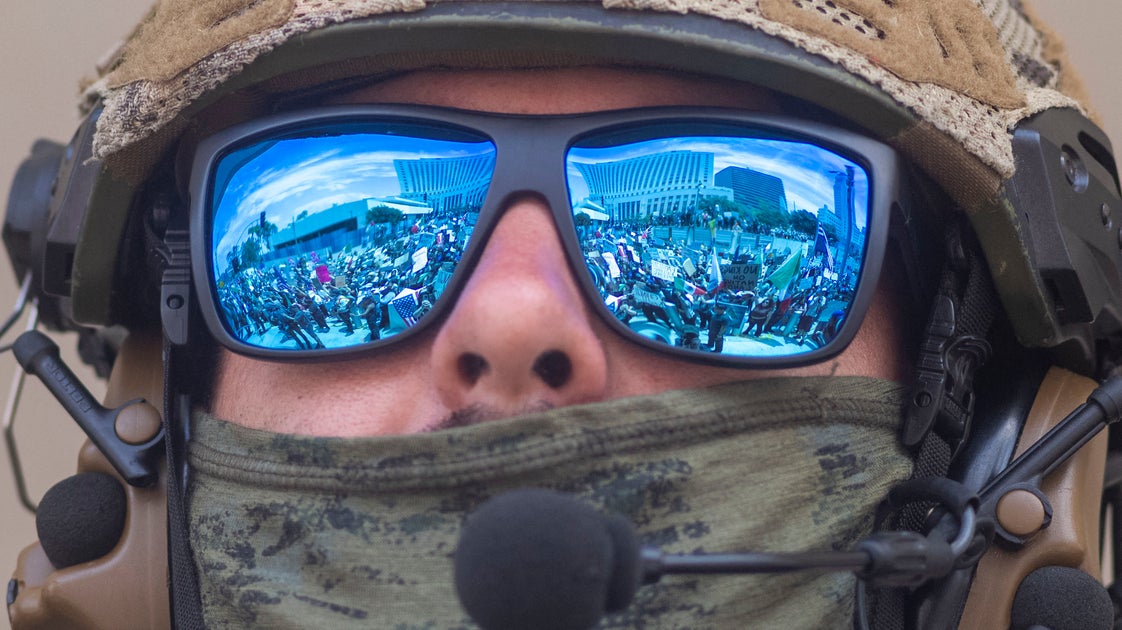
In the last few weeks, national attention has focused on the protests in Los Angeles — now echoed in cities across the country — and on the heavy-handed federal response that has followed.
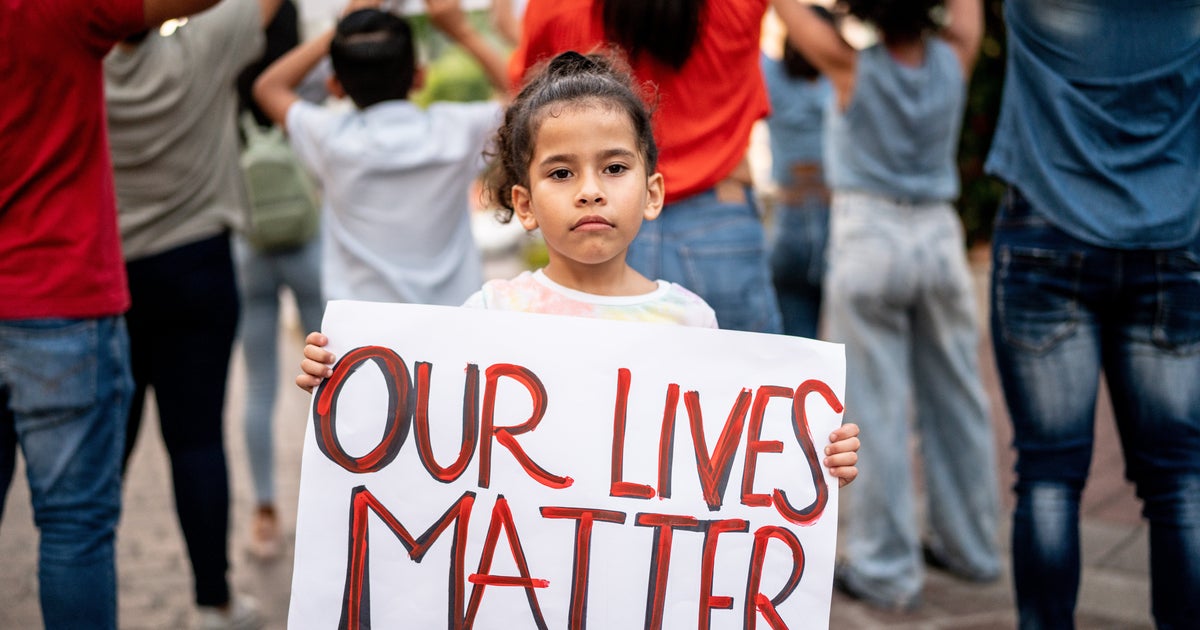
But long after the cameras leave and life settles into whatever new normal awaits, children will still be grappling with the lasting trauma inflicted on communities of color, the very injustice that ignited the protests in the first place.
As a pediatrician, I have seen fear begin to affect children before they are even born. One study illustrates this phenomenon well. In 2008, one of the largest and most dramatic immigration raids in U.S. history unfolded at a meat-processing plant in Postville, Iowa. In the aftermath, researchers at the International Journal of Epidemiology asked a simple but critical question: Would the raid leave measurable effects on unborn children in the community?
They turned to birth outcomes, specifically birth weight, as an objective indicator of infant and maternal health — something we track closely as physicians.
Thirty-seven weeks after the raid, the rate of low birth weight among women who identified as Latina in the area rose by 24%.