The civil service, judiciary and media are still dominated by the privately educated 7%. Lasting change is not a pipe dream – but it’s up to us
F
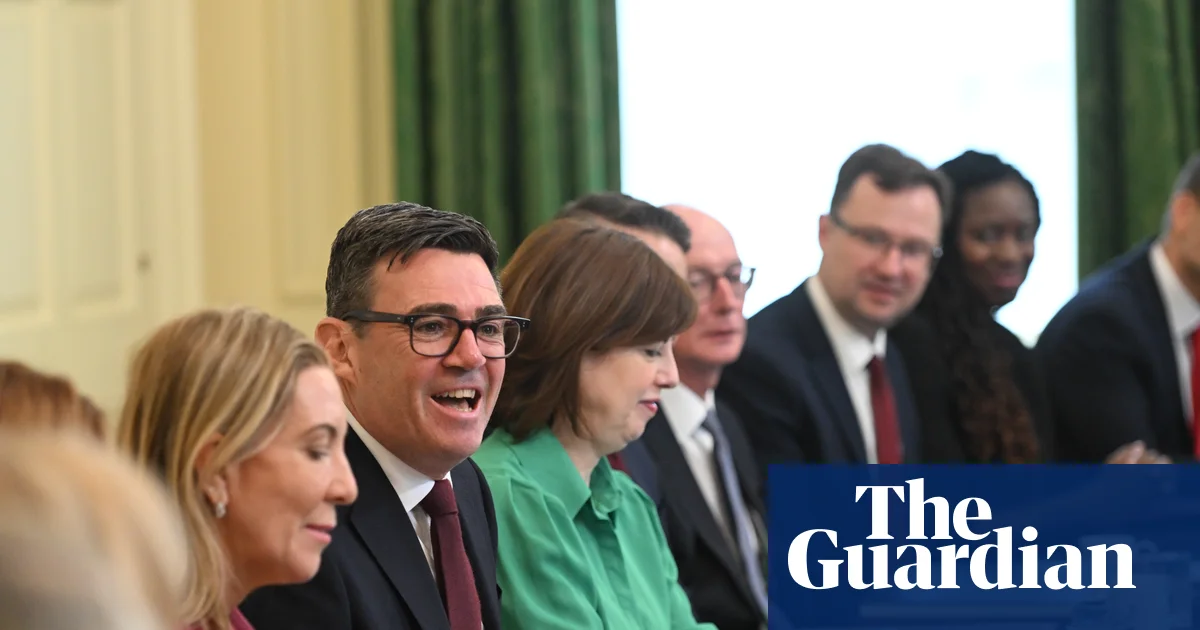
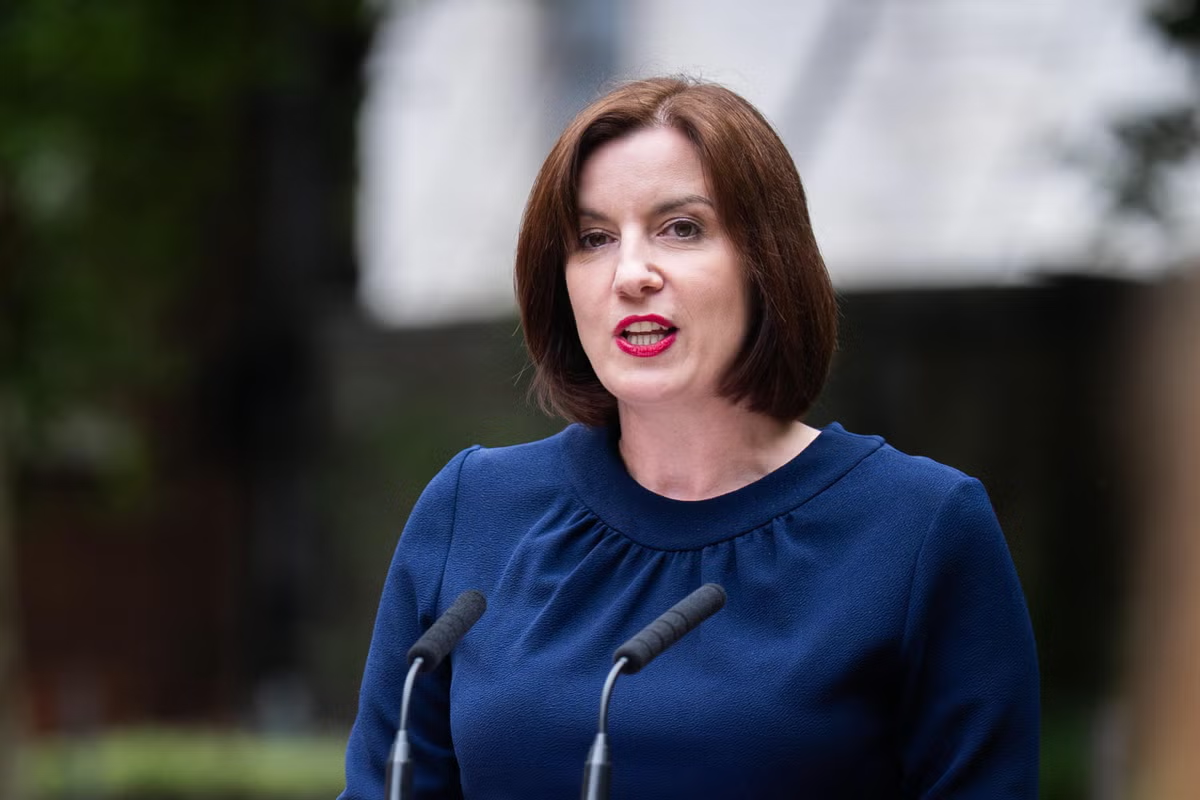
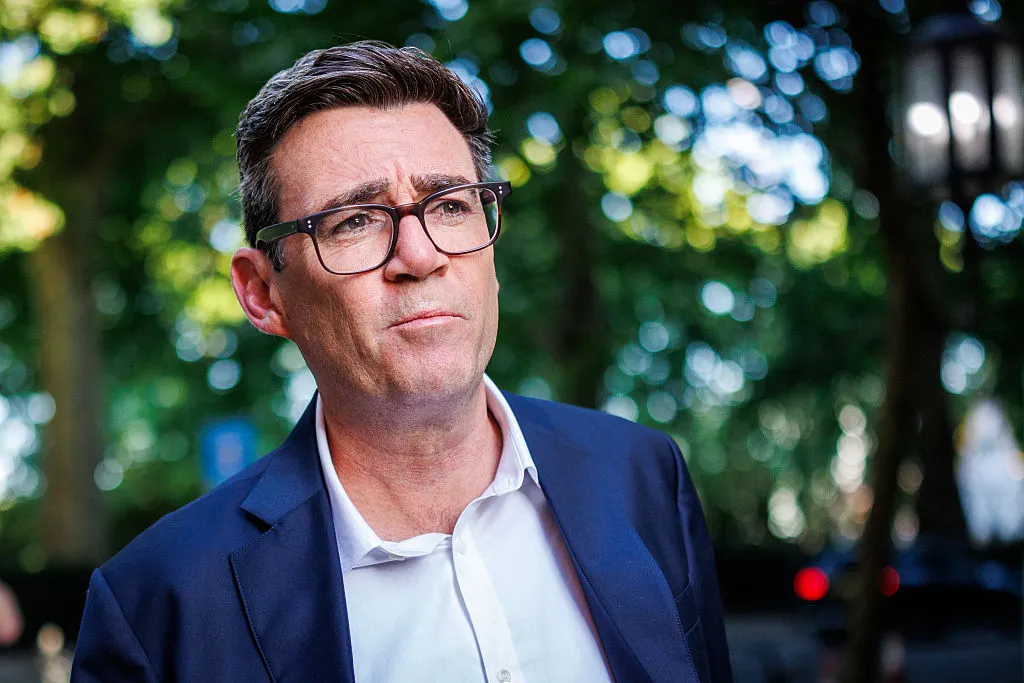
or the first time in our history, we have a cabinet made up entirely of people who went to state schools. Several, including prime minister Keir Starmer, come from working-class backgrounds; some, such as deputy prime minister Angela Rayner, were raised in conditions of poverty that feel as if they ought to belong to another age.
So far so good. What better signs could one ask for to show that Britain is a meritocracy, social mobility is real and anyone can rise to the top provided they have talent, commitment and determination?
And yet it might be that in some ways these are exceptions that prove a rule: the rule being that for all the changes made down the years, a private education continues to give a disproportionate advantage to those – currently 7% – who use it. Yes, we have a state-educated cabinet and more state-schooled MPs than ever. Yet more broadly throughout the establishment, when looking at senior positions across Whitehall, the judiciary, law, media and finance, the 7% club continues to hold a disproportionate presence, and therefore to exercise disproportionate cultural and political power.