Daily exercises and wider shoes can help to manage a painful bunion – but if surgery does become necessary, the procedure is easier and less invasive than before
Few things are as humbling as realising the glamorous stilettos you once strutted in now feel like medieval torture devices. The culprit? A decidedly unglamorous one: the bunion. More than just a cosmetic nuisance, it’s a full-on lifestyle negotiation – especially if you’ve ever tried squeezing into shoes that hug your feet a little too enthusiastically.
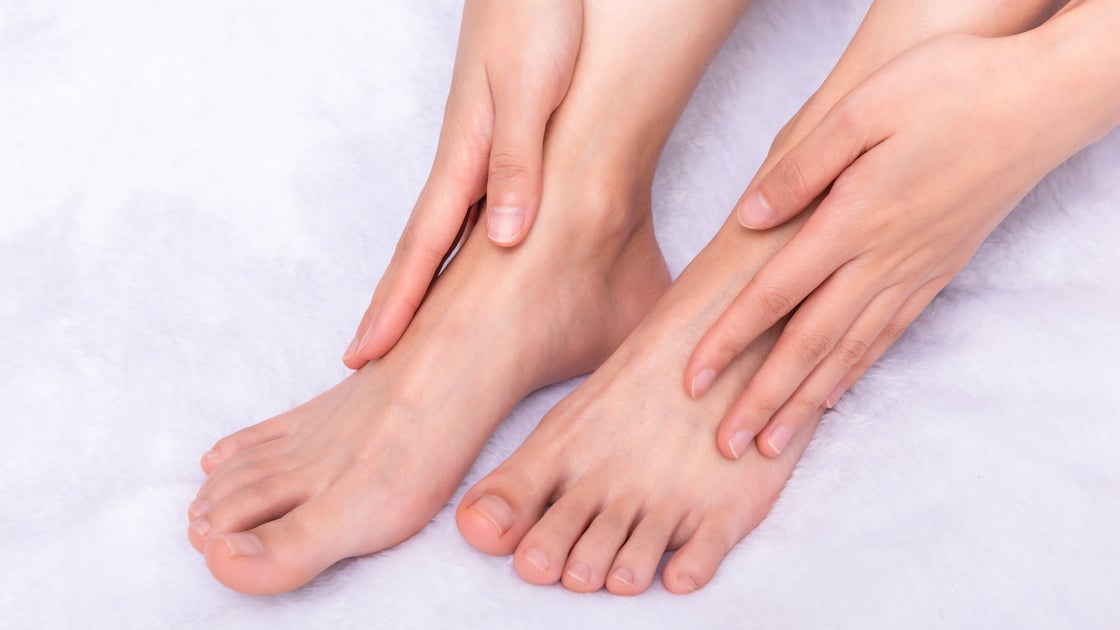
Part of the challenge is that bunions arrive with little fanfare. One day, it’s a little soreness when you wear your favourite heels; the next, your big toe’s taking a detour sideways. According to aesthetician and pedicurist Jessica Dickson, the issue begins when the big toe shifts out of alignment, creeping toward the others and pushing the joint outward. “Wearing tight shoes squishes the toes together and causes friction on the bone of the big toe joint, making the problem worse,” she explains. “This friction causes the bone to grow because it is trying to protect the joint. This growth on the bone is what we call a bunion,” she adds – and once it’s there, it doesn’t disappear quietly.