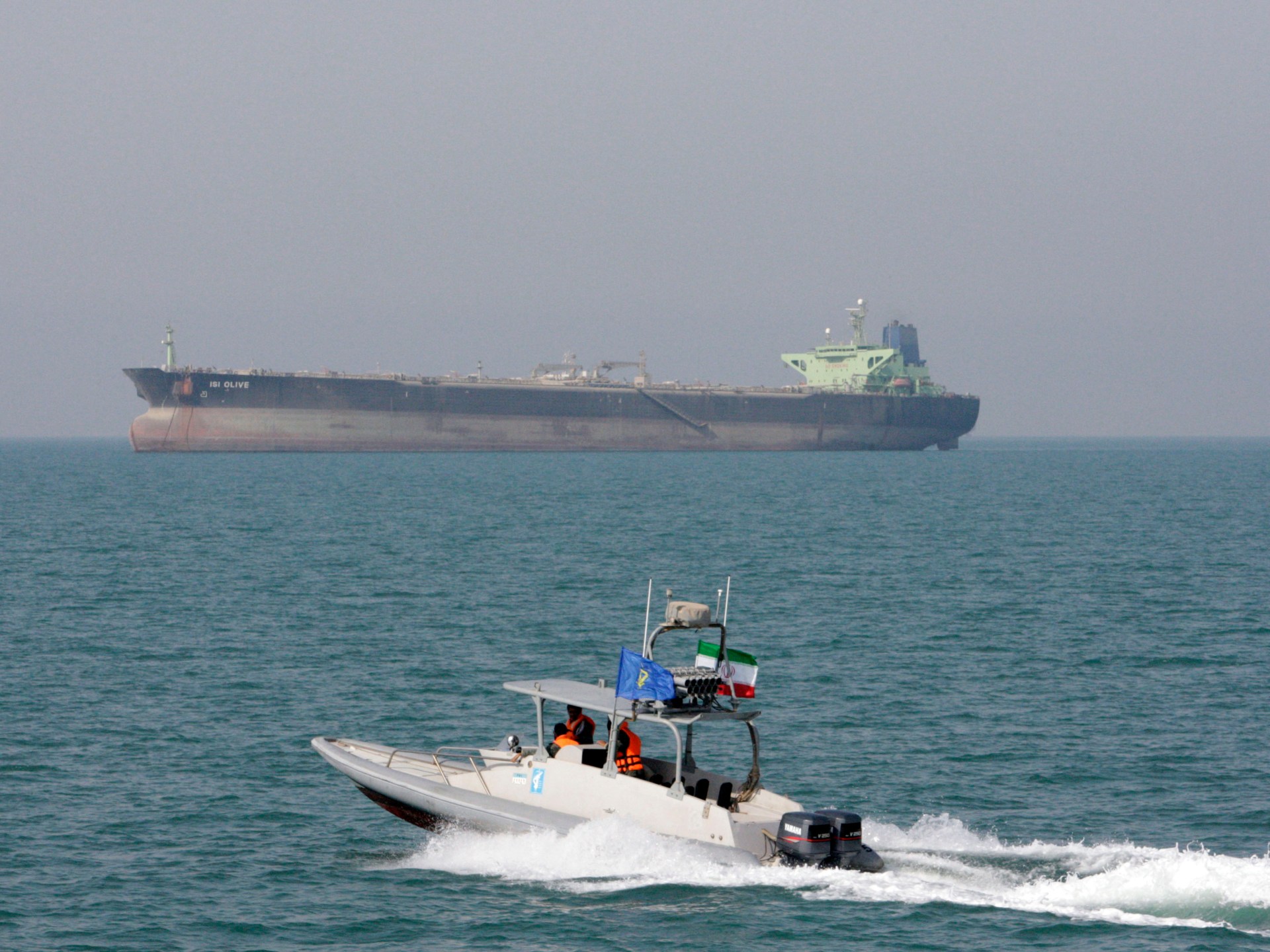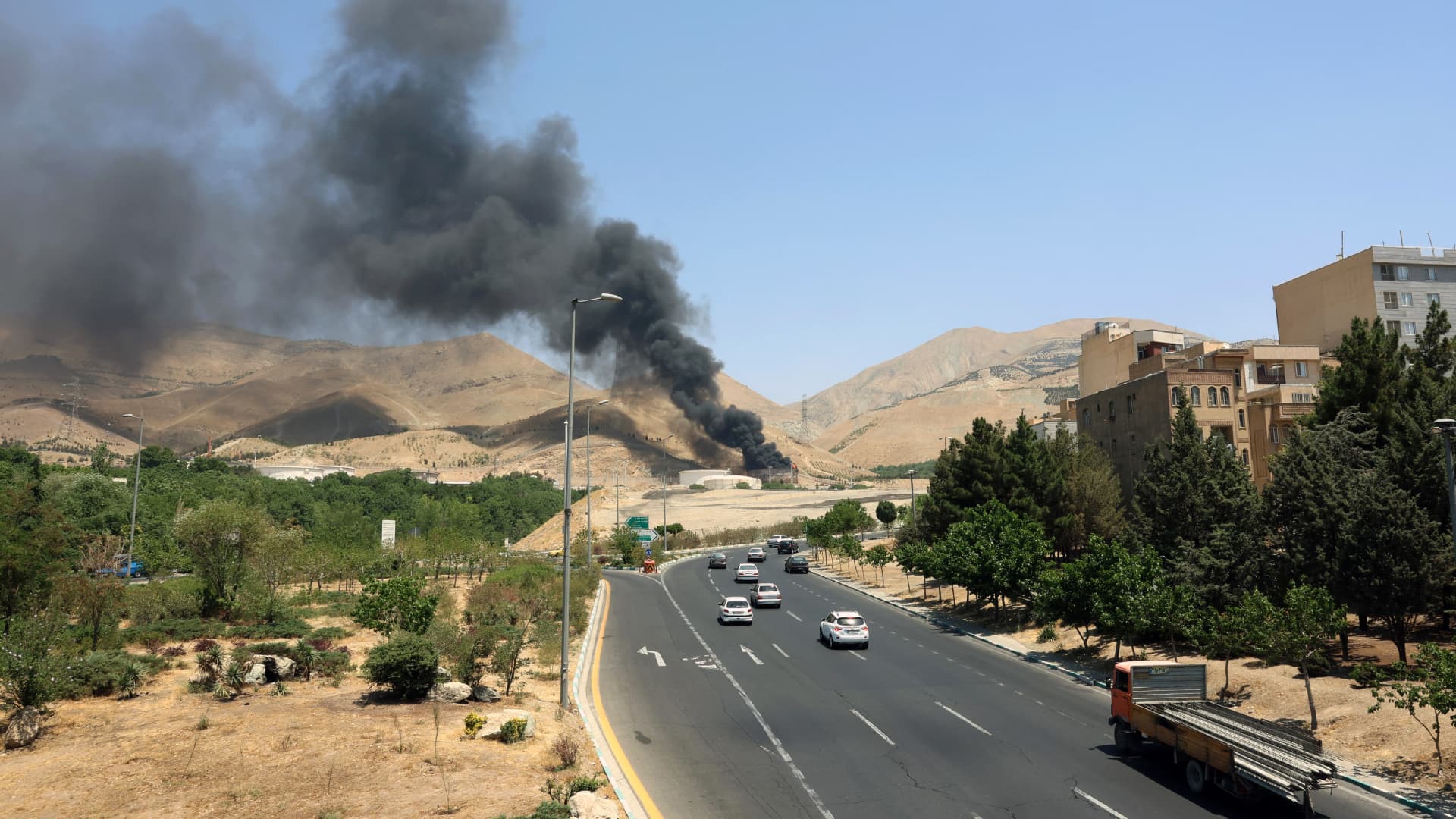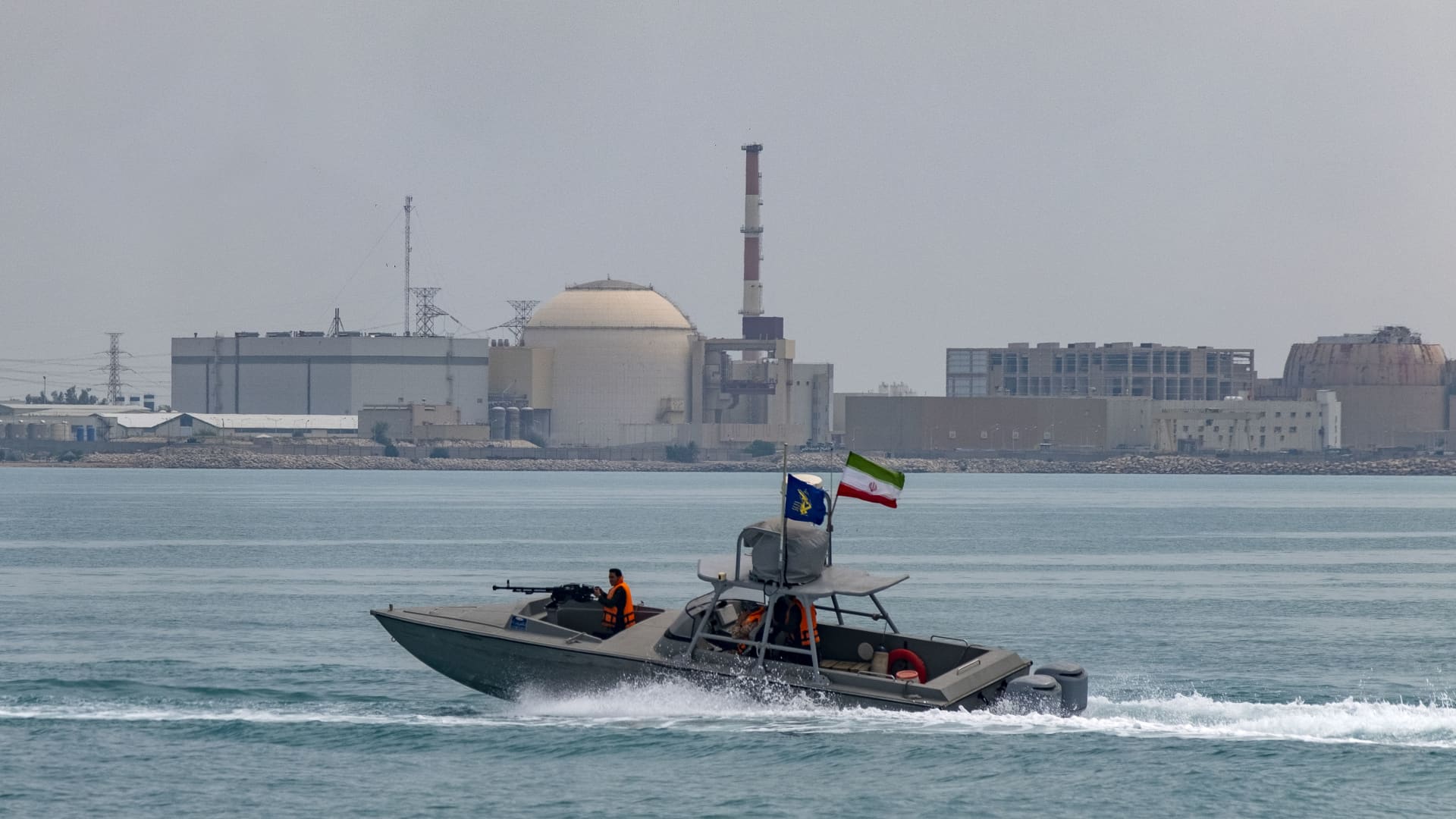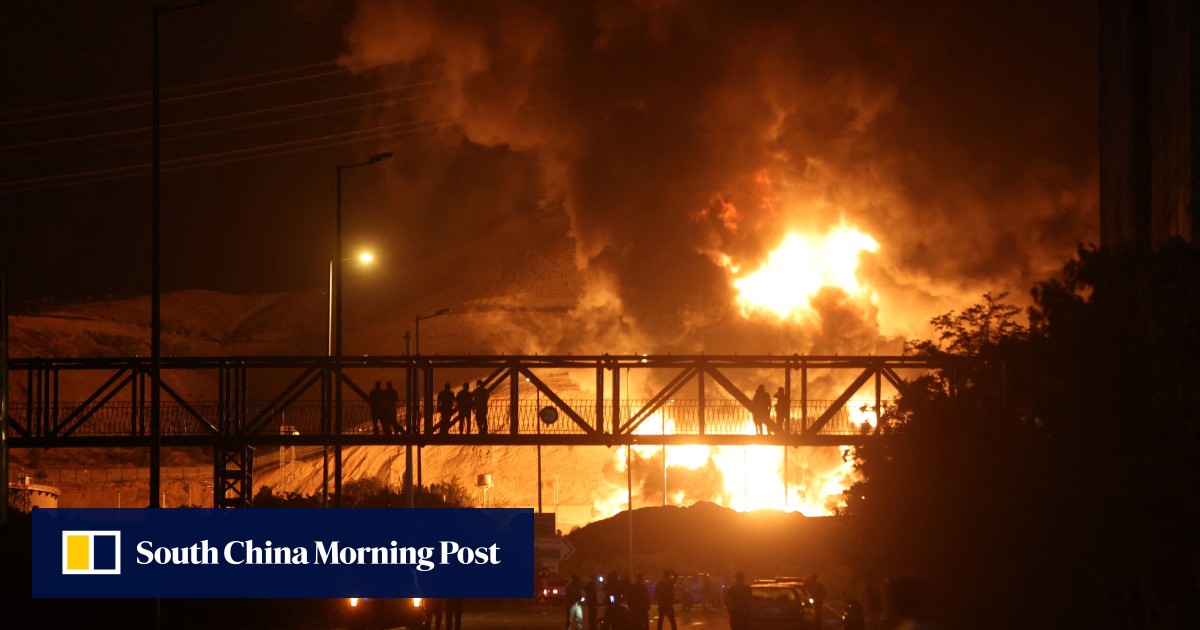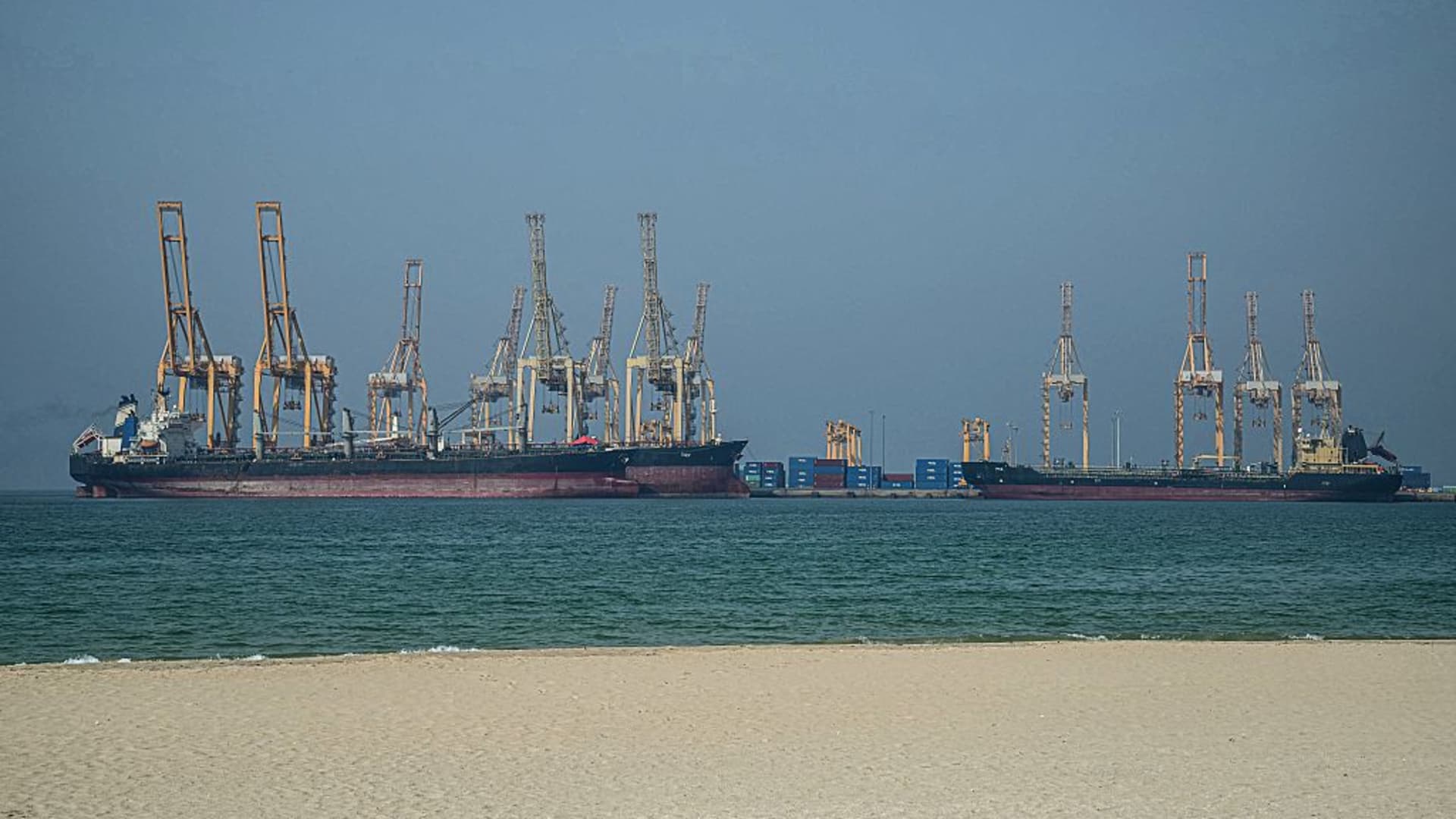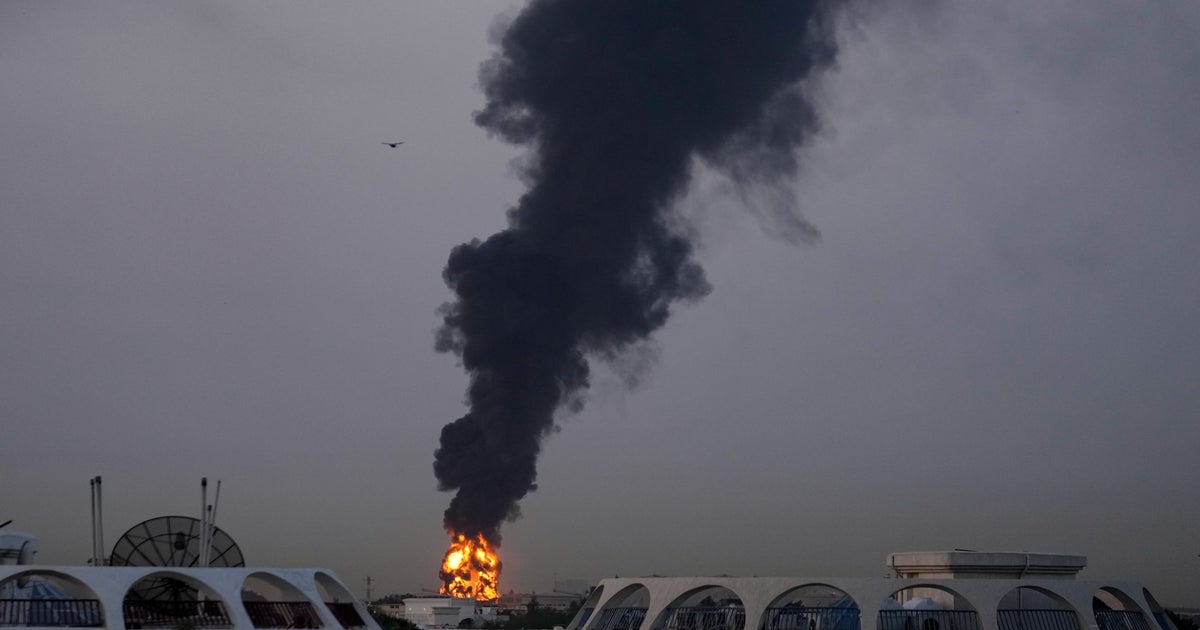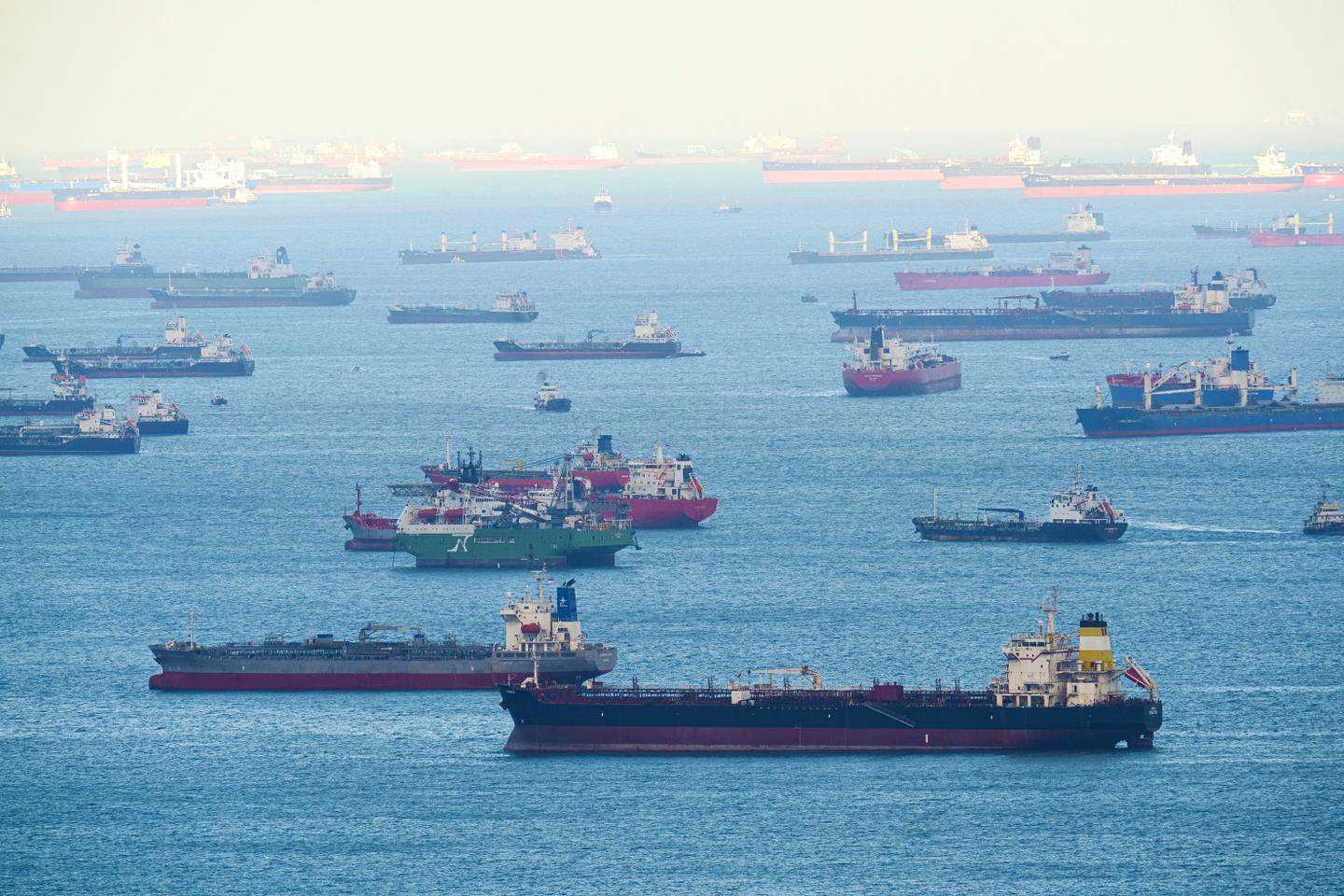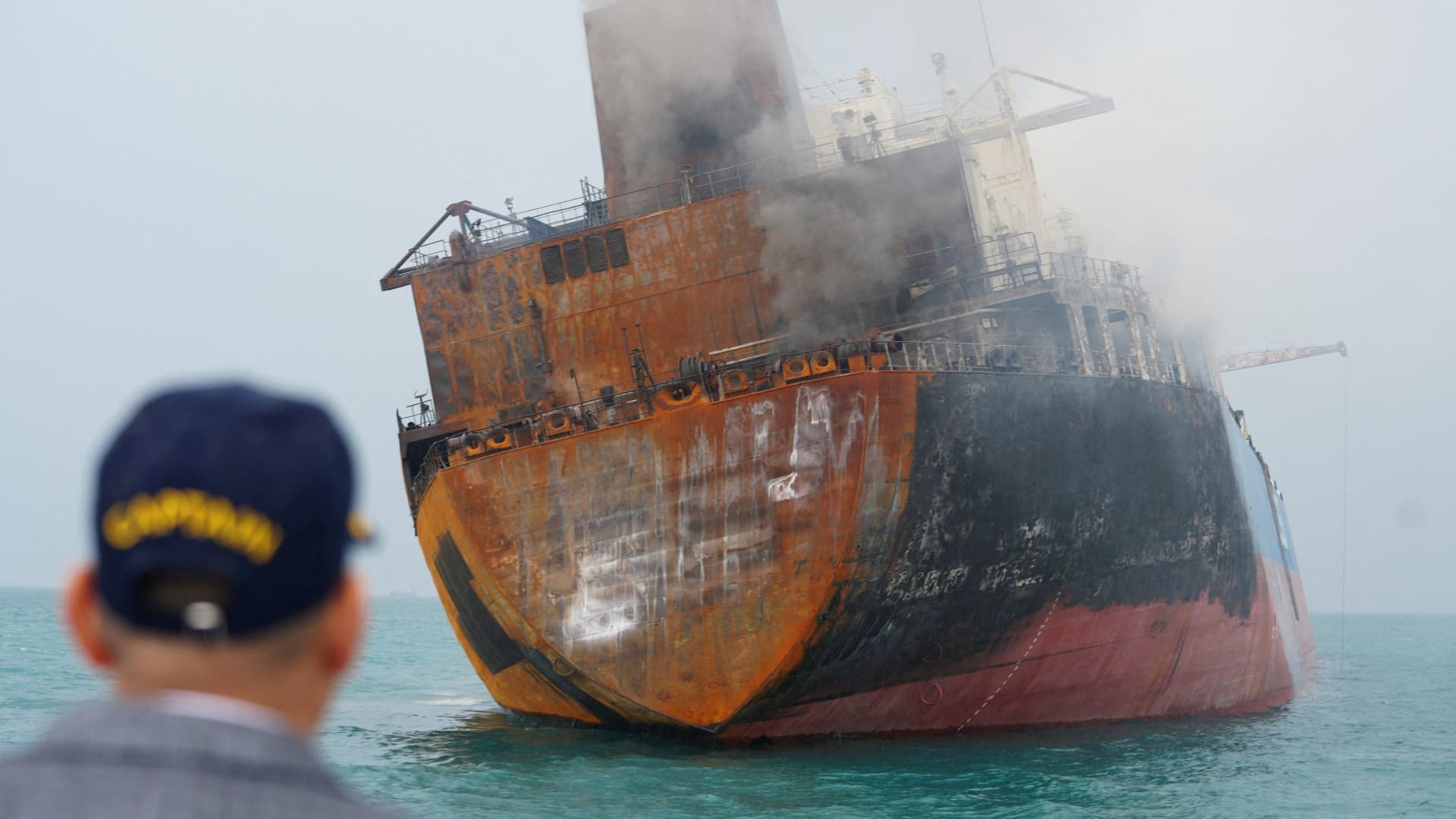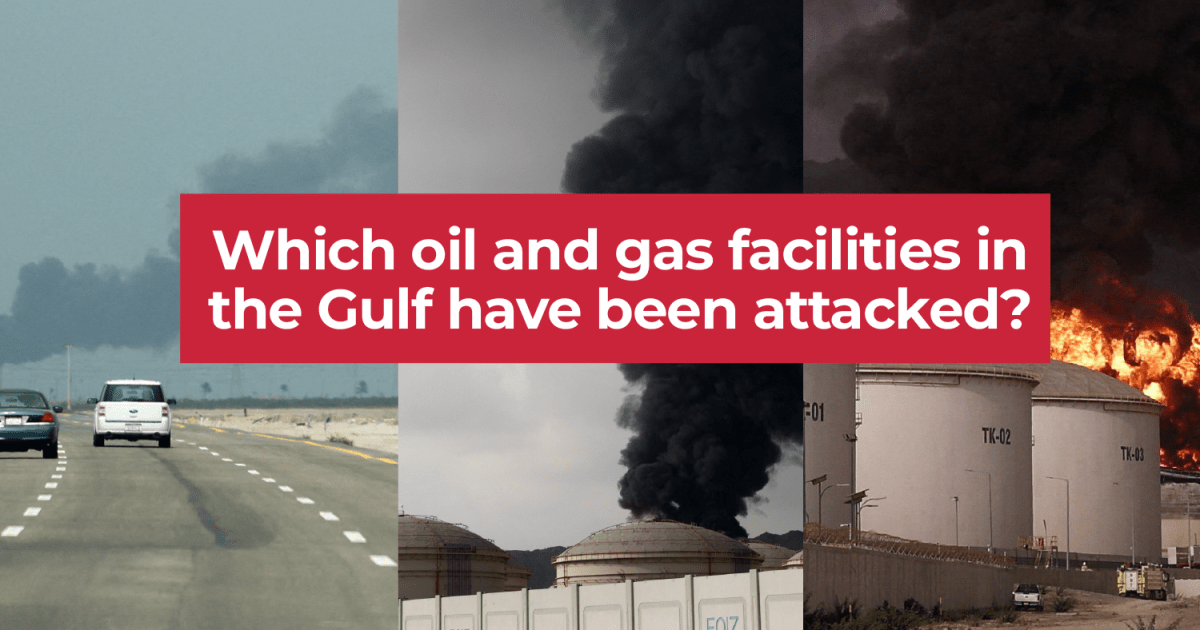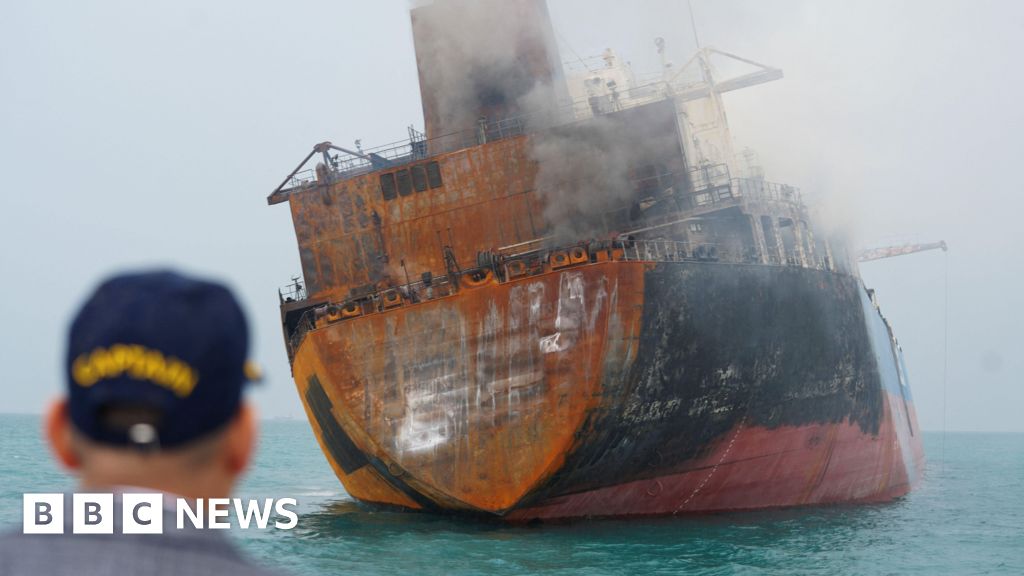
With Israel and Iran continuing to exchange missiles and the US considering whether to join the fight, fears are palpable that a weakened Tehran could lash out at "soft" targets closer to home in the Mideast Gulf such as ships or energy infrastructure. State producers and international oil companies (IOCs) alike are on high alert: So far, production is unimpeded, but shipping is another story. Some firms have halted tankers entering the Gulf entirely, while others are trying to limit exposure. Many see ongoing risks in the Red Sea as greater than the Mideast Gulf for now. Some 17% of global oil supply, or about 18 million barrels per day, transits through the Strait of Hormuz between Oman and Iran, a chokepoint for exports. While bypass routes, including the United Arab Emirates' Abu Dhabi Crude Oil Pipeline to Fujairah, can redirect some of these volumes, it would be difficult for the world to make up the full shortfall if the route were closed — the Gulf is also home to 83% of Opec-plus' 6.75 million b/d of effective spare capacity. While trade flows continue for now, most companies are actively trying to minimize exposure to Hormuz — many tankers that would otherwise enter the strait to load are not doing so, and those that do are being extremely cautious. A large IOC with major crude and LNG offtake in the region tells Energy Intelligence that it is no longer allowing vessels to cross Hormuz and enter the Gulf. Ian Wilkinson of UK-based Inchcape Shipping Services confirms that a large number of vessels are moored off the UAE ports of Khor Fakkan and Fujairah just outside the strait, awaiting orders. QatarEnergy, the world's top LNG exporter, this week instructed all vessels scheduled to load LNG from Qatari facilities to wait outside the strait until the day before loading and then to leave immediately after loading completes. One source explained that time spent loading — that is, when vessels are stationary — is seen as the key moment of vulnerability.
Nervous Eyes on Energy, Shipping Assets Amid War Threats
Gulf shipping has already been impacted by the fear of Iranian attack, but so far, production continues unhindered.
338 words~2 min read