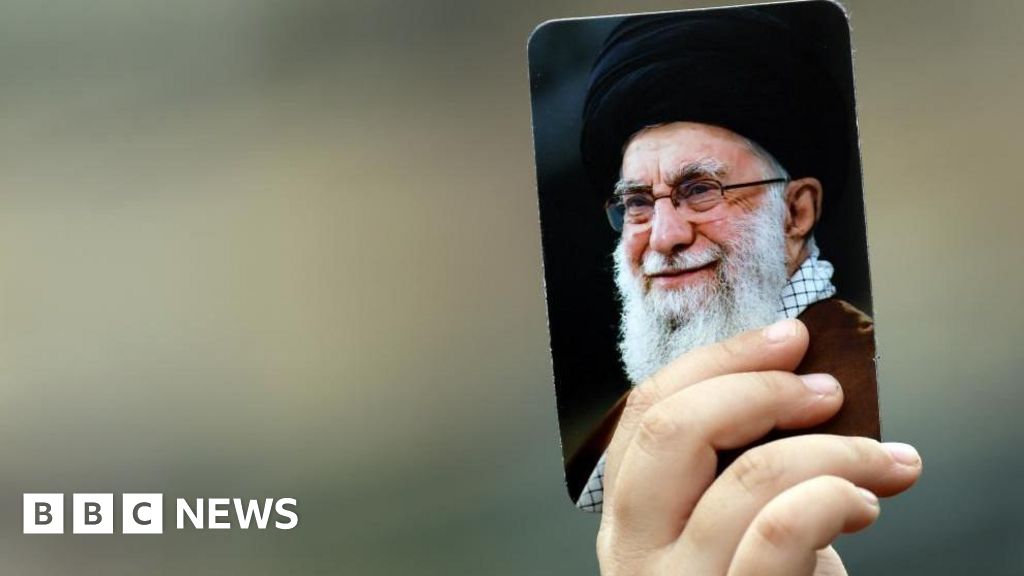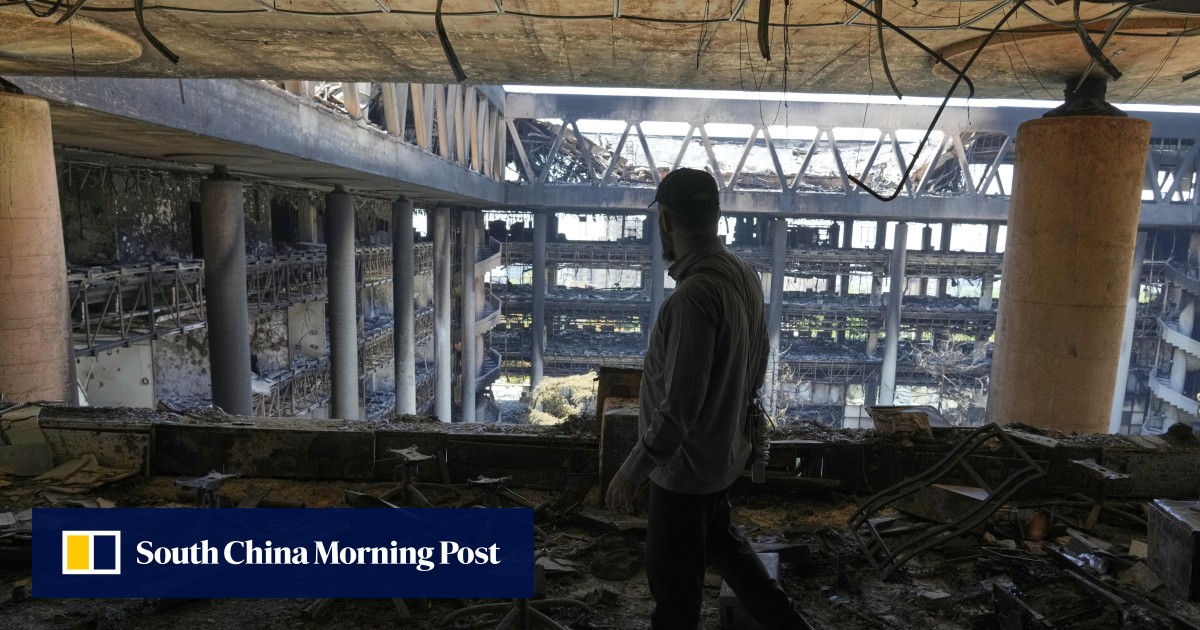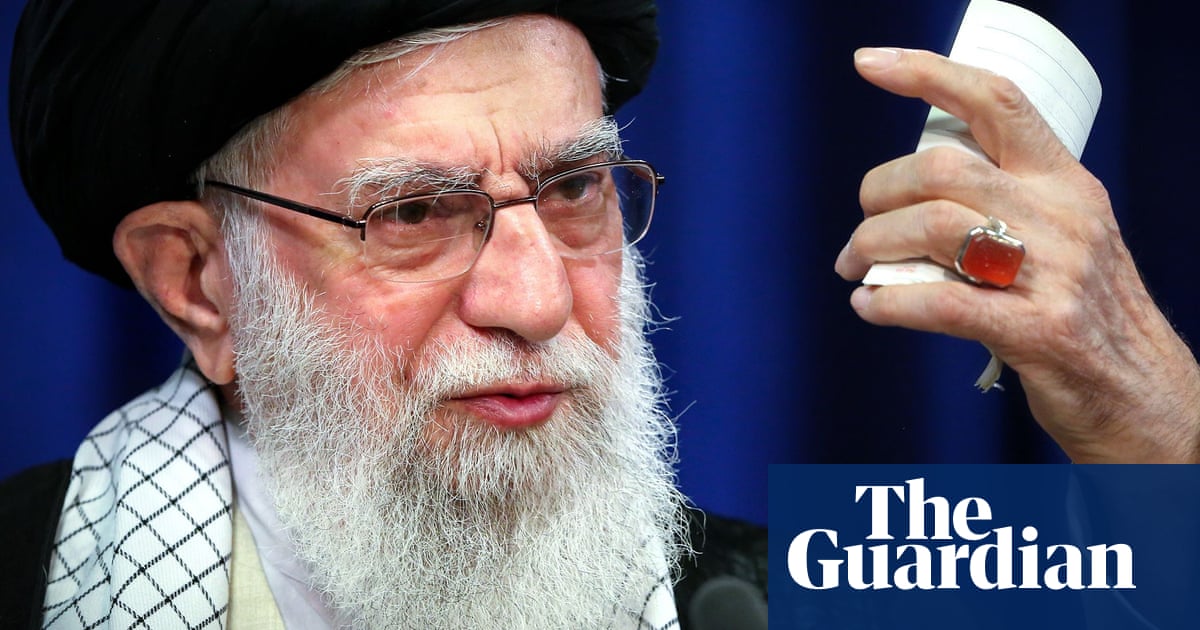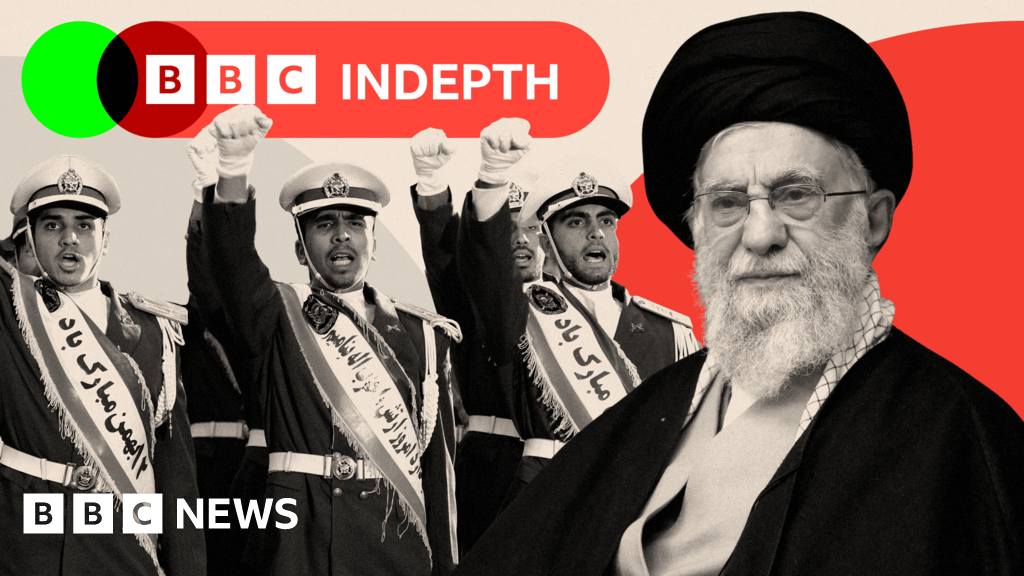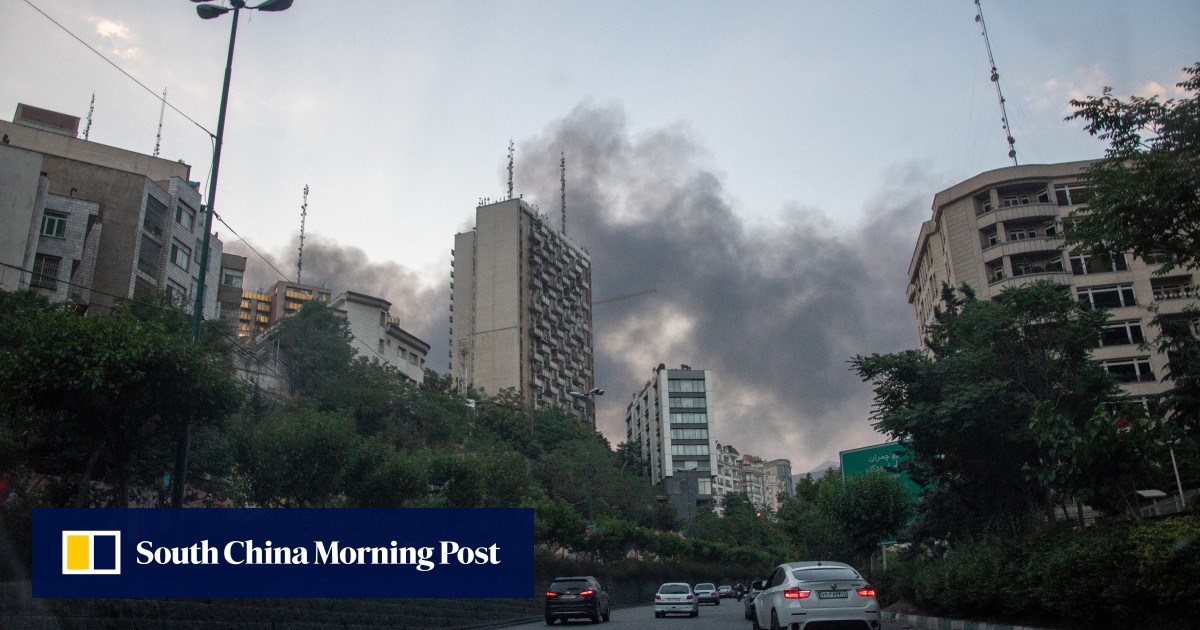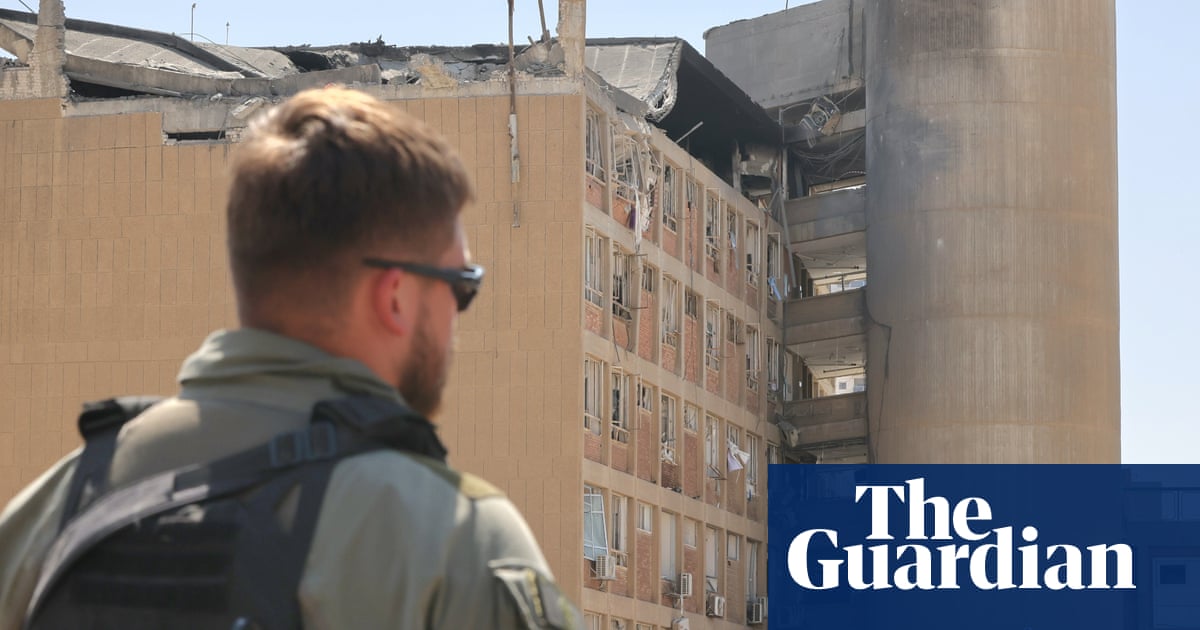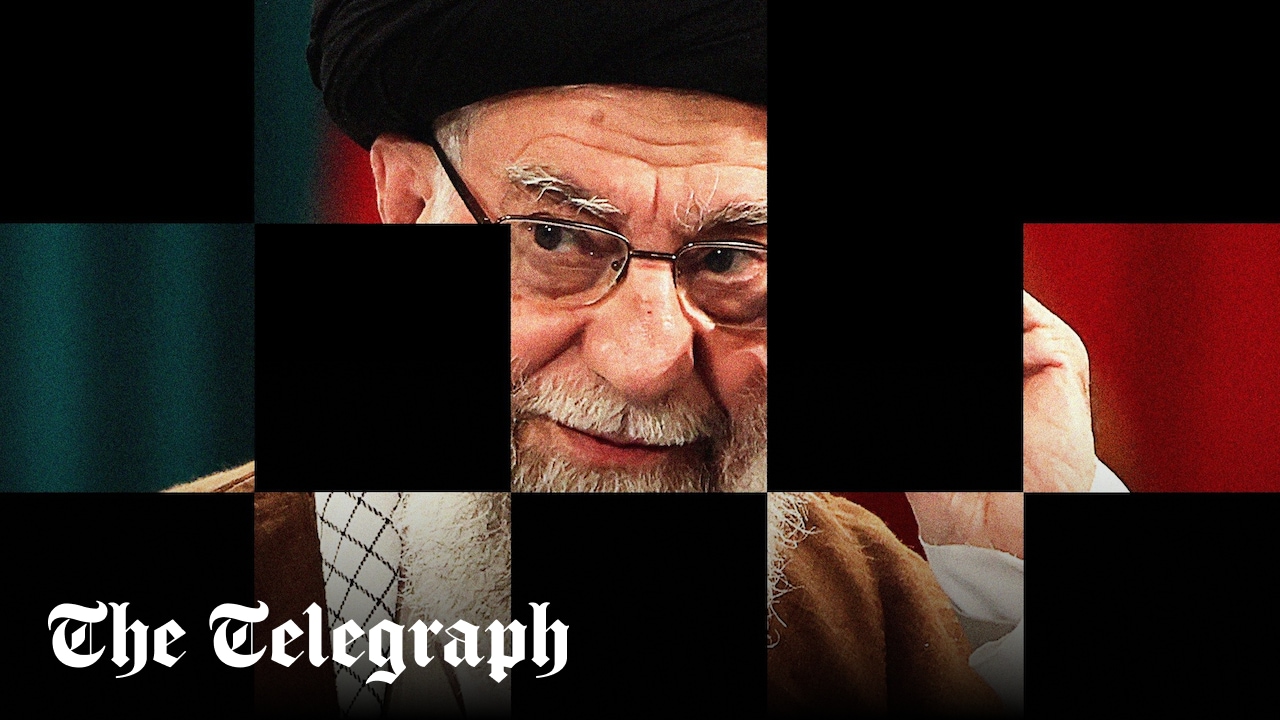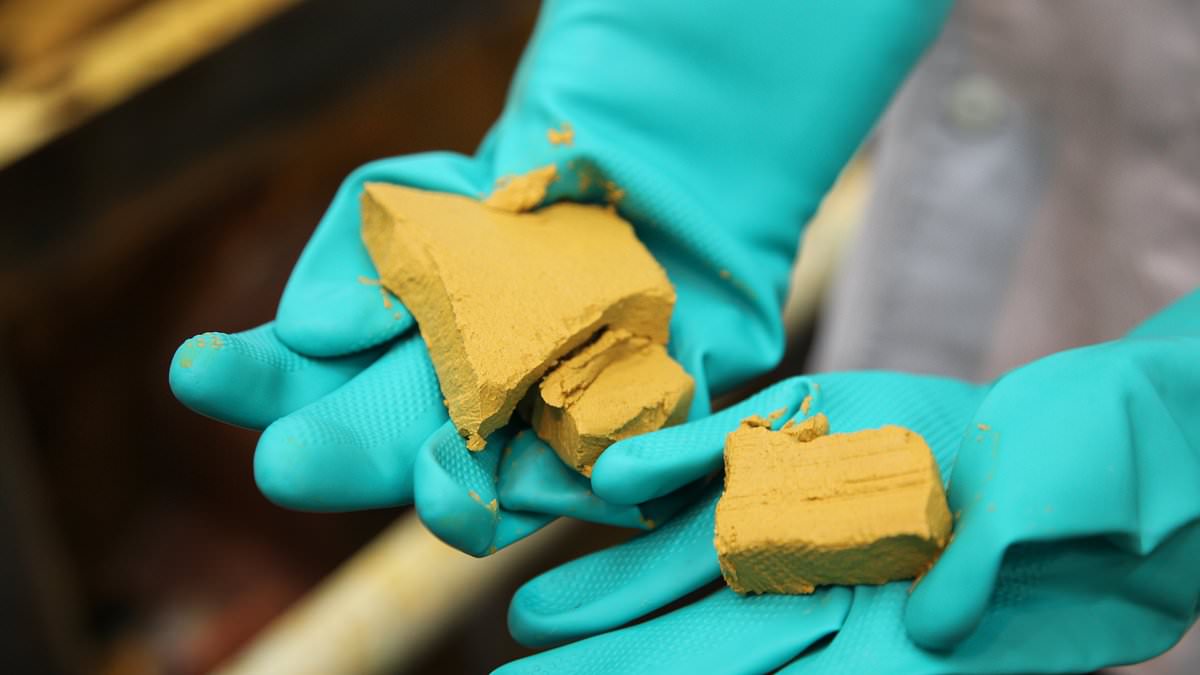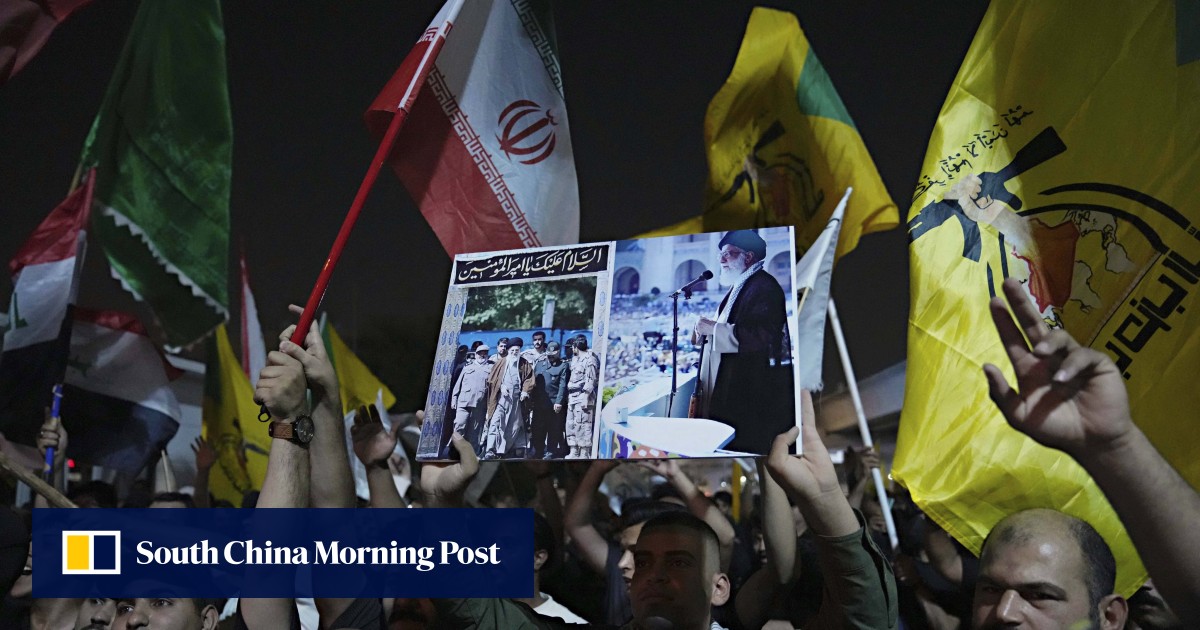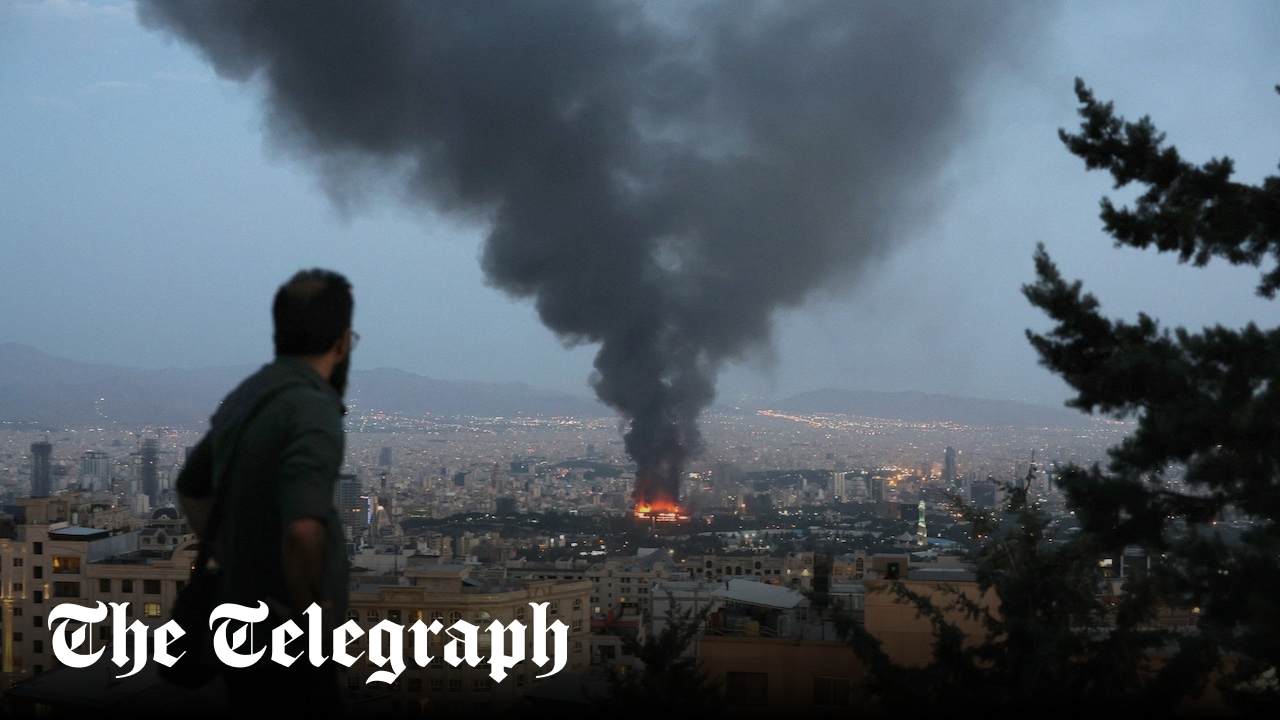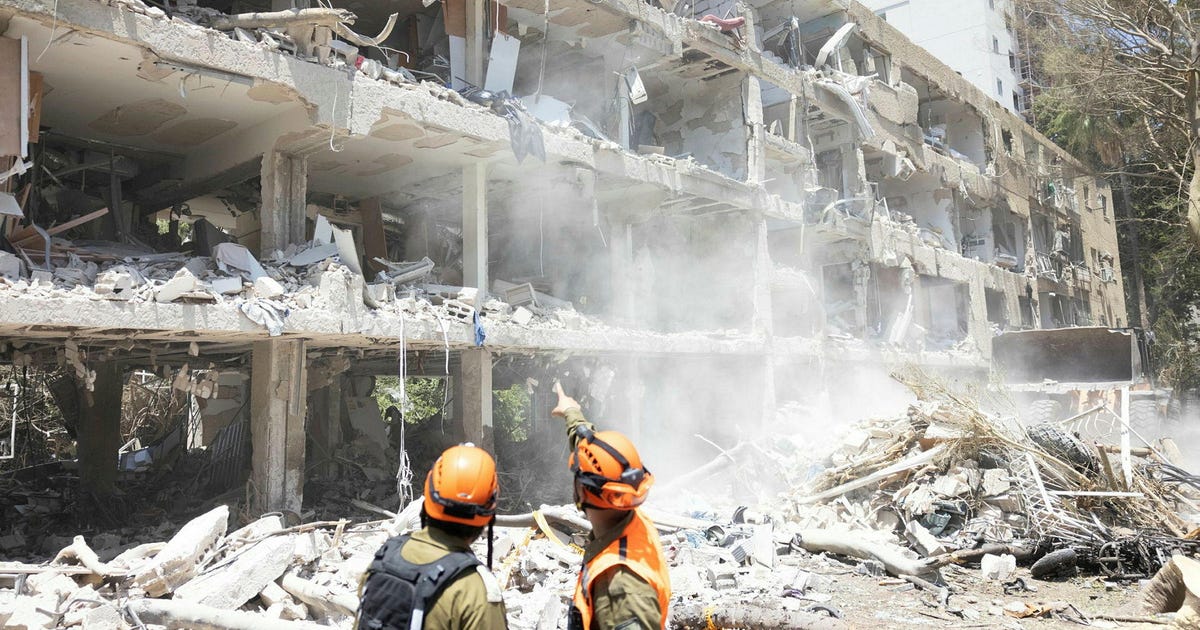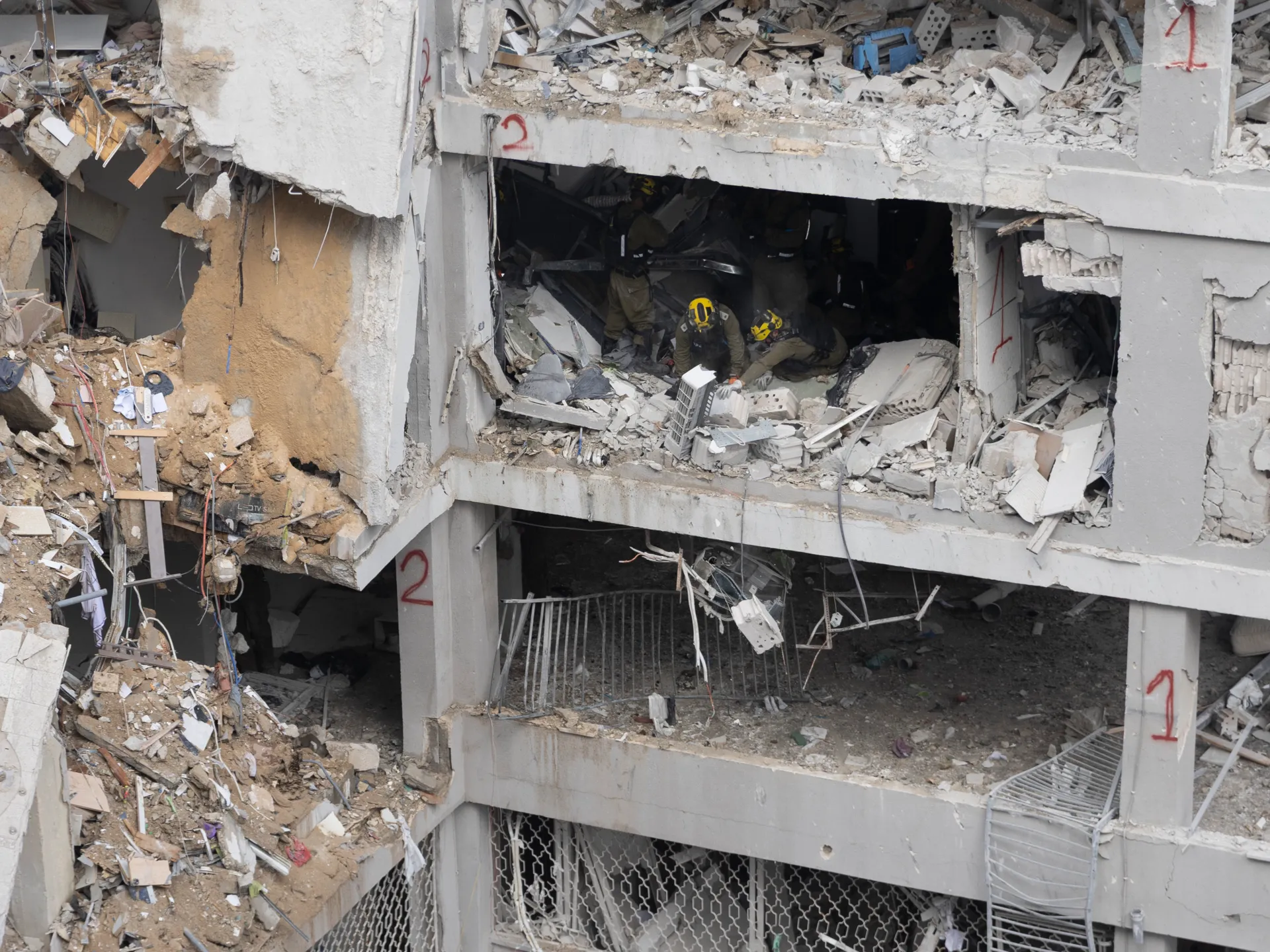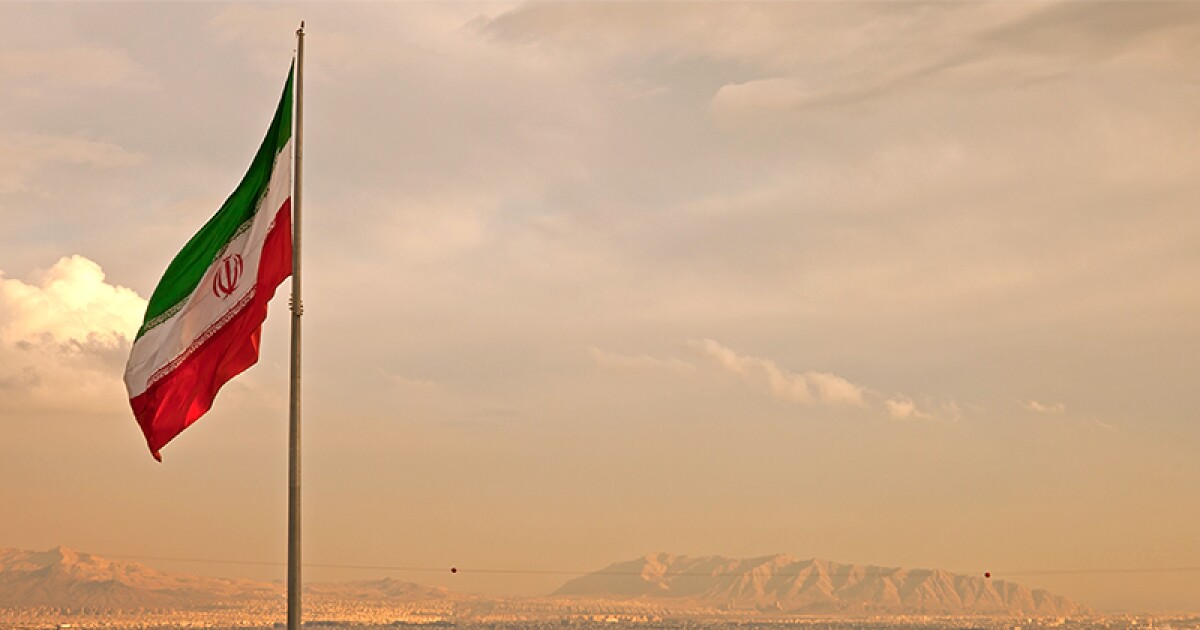
Supreme Leader Ali Khamenei’s greatest test comes at what was already a time of huge precarity for a regime that he has been in charge for decades, amid deep economic isolation and a war that has decimated Iran’s regional allies in Gaza, Lebanon, Syria and Yemen. Almost overnight, Israel's attacks wiped out Iran’s military leadership, hit nuclear sites, damaged energy infrastructure, derailed nuclear talks with Washington that held the promise of desperately needed sanctions relief and humiliated the country’s rulers, whose legitimacy is based partly on their ability to provide security. But the prospect of regime change, touted by Israeli Prime Minister Benjamin Netanyahu, the engineer of the current conflict, may be more elusive than he hopes — like his declared goal of fully destroying Iran’s nuclear program, which would require US intervention to destroy deeply buried enrichment sites like Fordow.
Escalatory Risks
Tehran is reeling from Israel’s killing of its top military leaders and scientists in recent days. The wide-ranging attacks caught the country off guard, coming two days before a sixth round of US-Iran talks was due to take place in Oman. They add to the game-changing regional setbacks for Israel’s nemesis such as the collapse of former Syrian President Bashar al-Assad’s regime and the severe blows dealt to Hezbollah in Lebanon and Hamas in Gaza.