Measles infections in the U.S. have reached nearly 1,200 in 2025 as cases continue to crop up in 35 states. At least 3% of those cases have been in people who received two doses of the MMR measles vaccine, meaning they were fully vaccinated, according to the Centers for Disease Control and Prevention. In 2% of confirmed measles cases, the person had received one MMR dose.
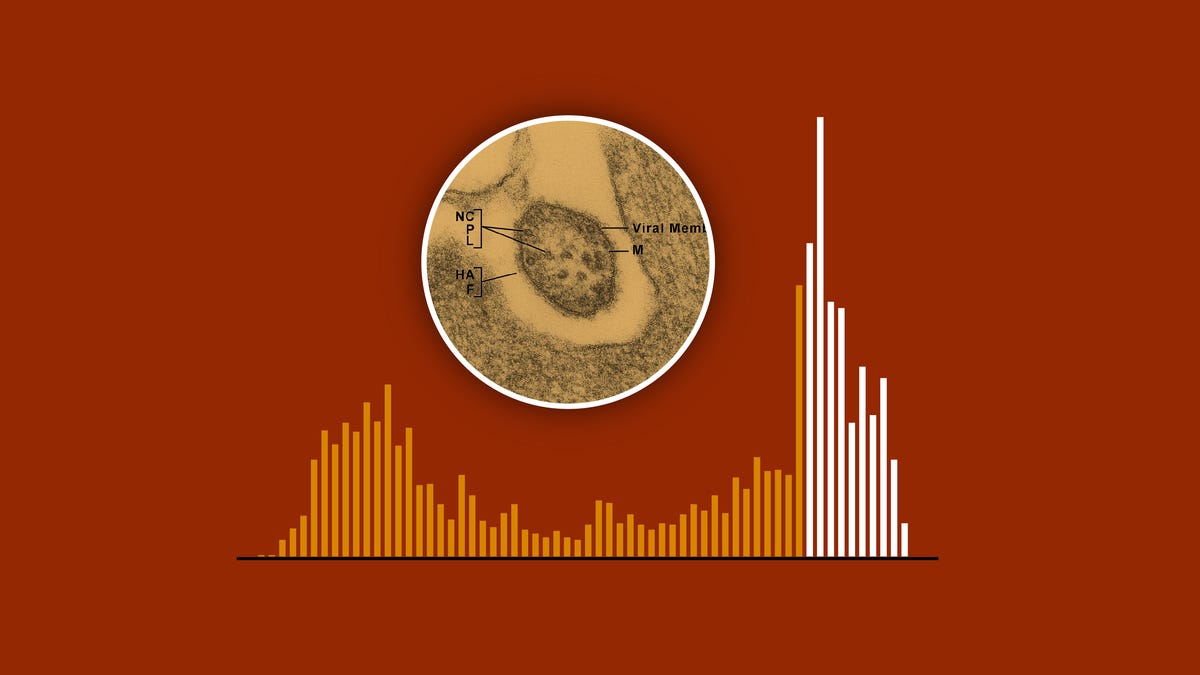
The last measles outbreak of a similar scale occurred in 2019, when a total of 1,274 cases were confirmed across the country. However, 2025 is shaping up to be the largest outbreak in 25 years. There have been three confirmed measles deaths, two children and one adult, thus far in 2025.
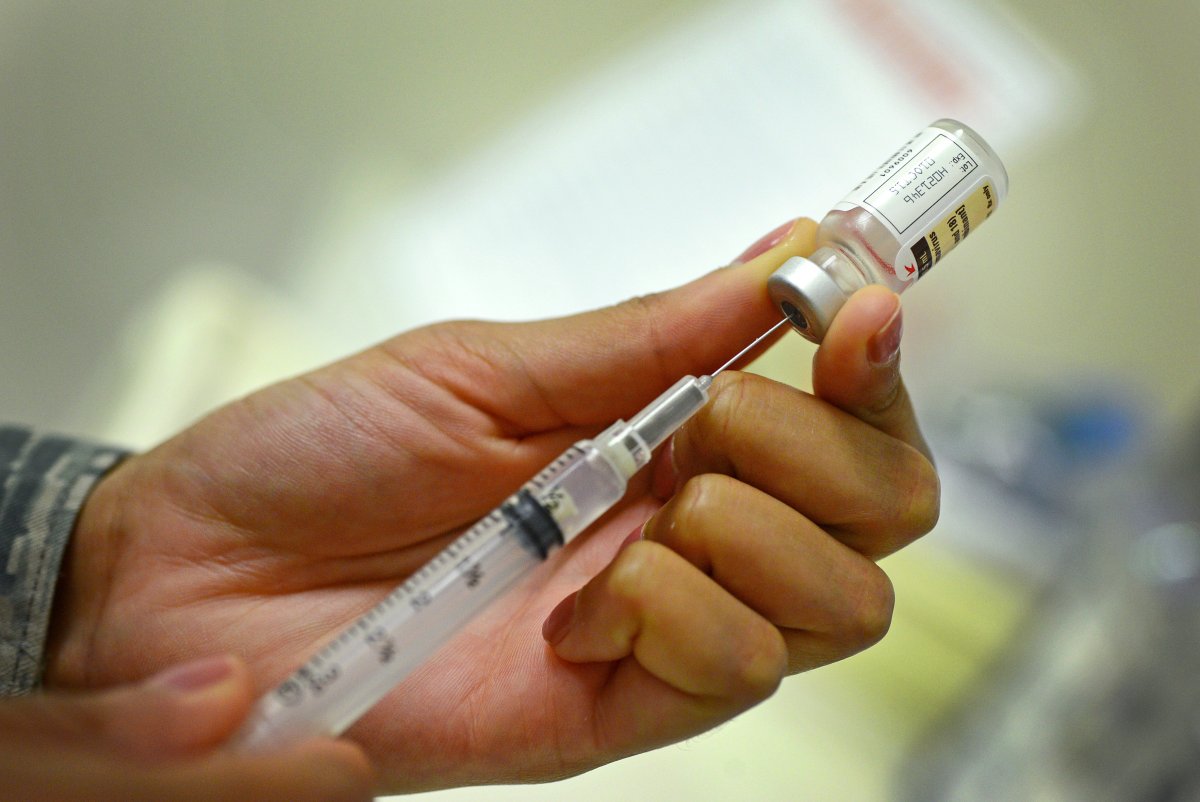
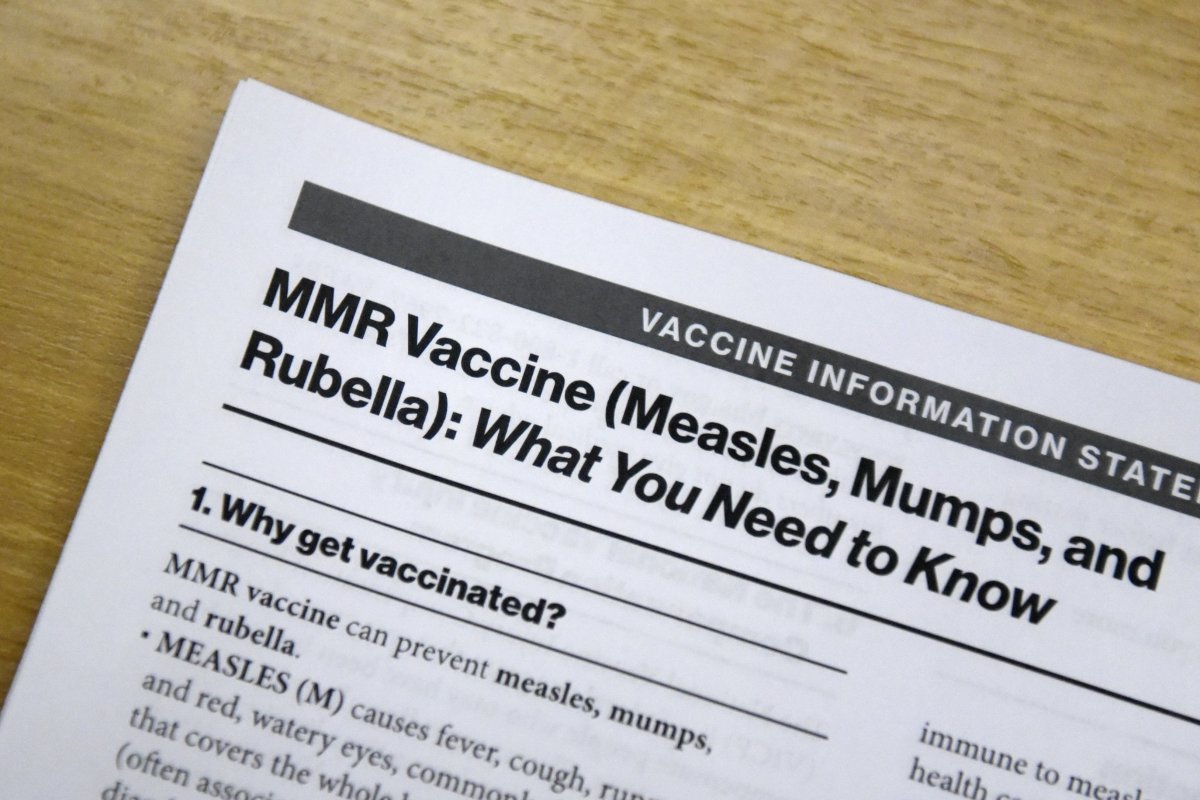
Measles vaccines are 97% effective at preventing measles after two doses and 93% after one dose, according to the CDC. The disease was previously eradicated in the U.S. in 2000, meaning there was no spread and new cases were only those contracted from abroad. Vaccine rates have declined by an average of 2.67% in most U.S. counties over the past five years, according to data published by John Hopkins University, resulting in a growing number of states moving further away from the 95% herd immunity threshold.
The effectiveness of the measles vaccine depends on the timing of vaccination and the nature of the exposure. "If the vaccine is administered within three days of exposure to measles in "limited" contact settings (e.g., schools, childcare, and medical offices)," it may "provide some protection against infection or modify the clinical course of disease," the agency's recommendations say. However, postexposure vaccination "does not appear to be effective in settings with intense, prolonged, close contact, such as households and smaller childcare facilities."