As the Federal Open Market Committee (FOMC) meets today, the financial world already knows what to expect: More patience is required.
Throughout the year, the Fed has sought to remind investors the economy is still strong. Unemployment hasn’t spiked, and inflation has remained just north of 2%, despite fears to the contrary amid the White House’s aggressive tariffs. Even the stock market has mostly recovered from an extremely tumultuous April.
But there are some signs of sagging across the economy. Continuing jobless claims are at three-year highs, suggesting it’s harder for unemployed people to find new jobs, and manufacturing surveys have come in below expectations.
The key question investors and the Fed are trying to answer is whether this slight slackening presages a far worse outlook, even a recession, or whether reports of rising uncertainty merely reflect people’s feelings, not economic reality.
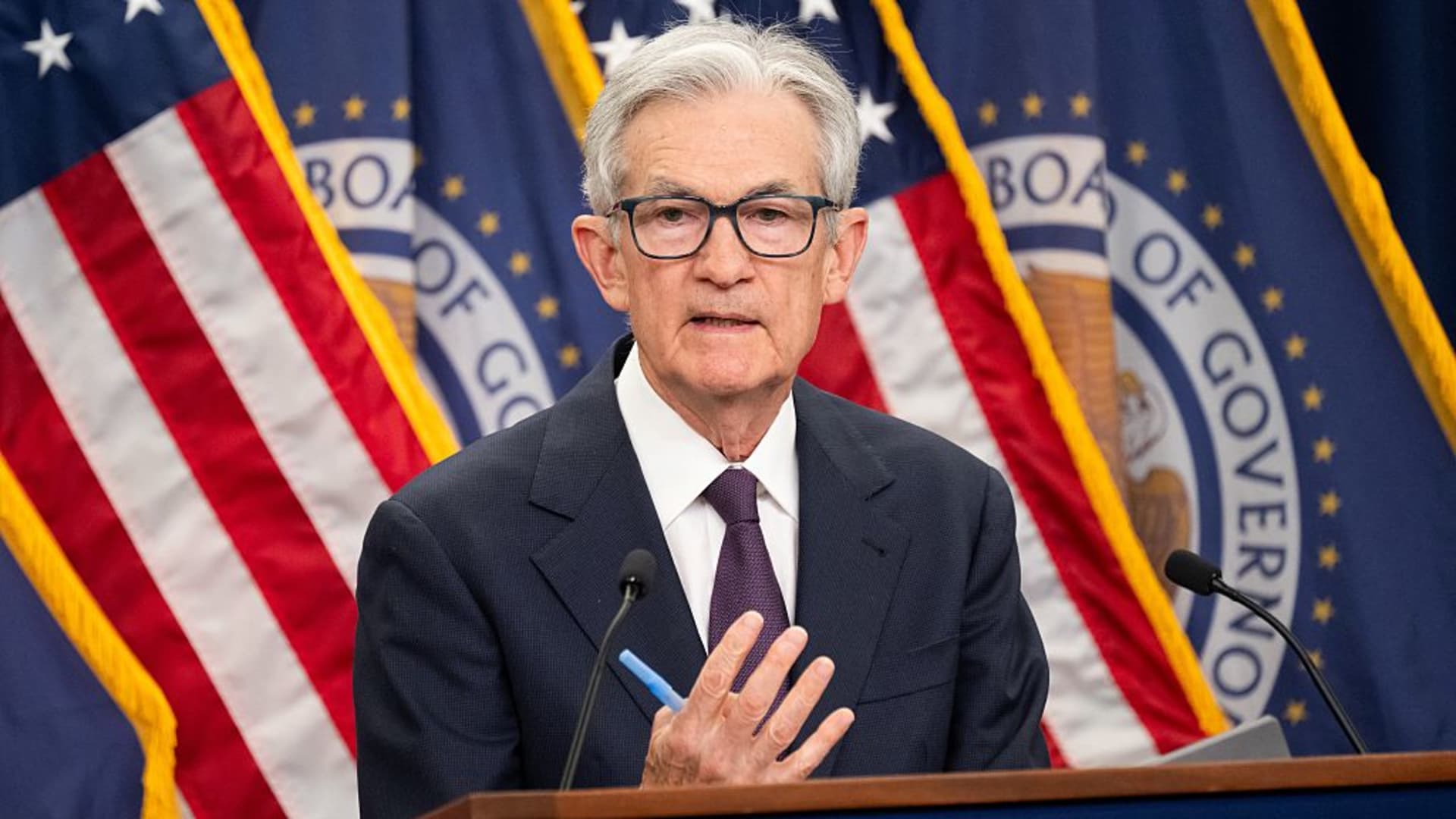
Despite the relative stability of inflation and the unemployment rate, a wave of uncertainty swept over investors this year, in large part because of the rampant changes to trade policy that upset global markets. Yet Fed Chair Jerome Powell has argued the strength of the economic data, not sentiment, meant the central bank didn’t have to rush into making a decision on interest rates.