In this article
This report is from this week’s CNBC’s UK Exchange newsletter. Each Wednesday, Ian King brings you expert insights on the most important business stories from the U.K. and the key personalities shaping the news. The newsletter will also highlight other key developments in the U.K. that you won’t want to miss, plus a preview of essential events that are set to make waves. Like what you see? You can subscribe here.
Her climbdown on denying millions of pensioners the winter fuel allowance was not the only U-turn announced by Rachel Reeves, the U.K.’s chancellor of the Exchequer, this month.
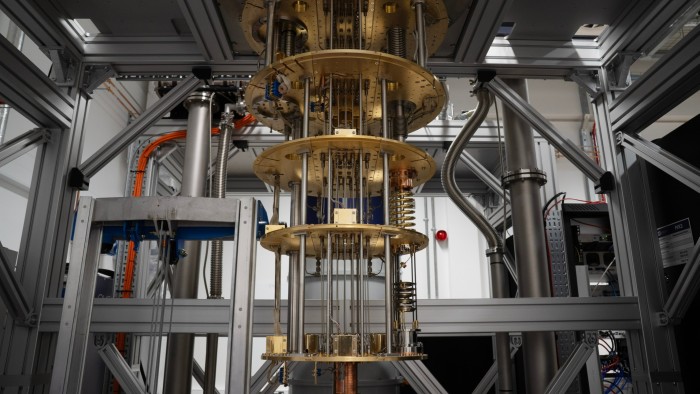
Less significant in political terms, but of far greater importance to the U.K.’s long-term growth potential, was an announcement on June 10 that the government would commit £750 million ($1 billion) worth of funding for a new exascale supercomputer, capable of conducting a quintillion (one billion billion) operations per second, at Edinburgh University.
The news reversed a previous decision, made days after the Labour government was elected in July last year, to pull some £800 million worth of funding for the project announced by former Prime Minister Rishi Sunak’s administration in 2023. Edinburgh had already spent an estimated £30 million on supporting infrastructure and the decision dismayed the U.K.’s scientific community which warned that, at a time when the U.S. has two exascale computers, China has two and both Japan and France are building their own, it would leave Britain lagging its peers.