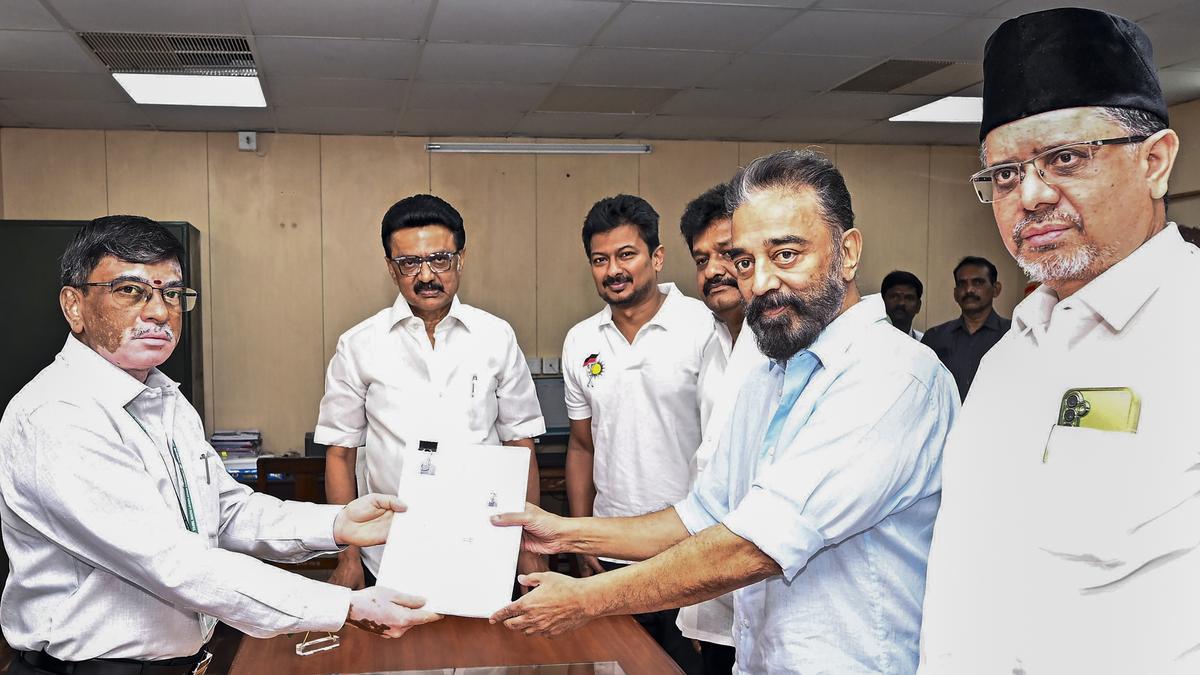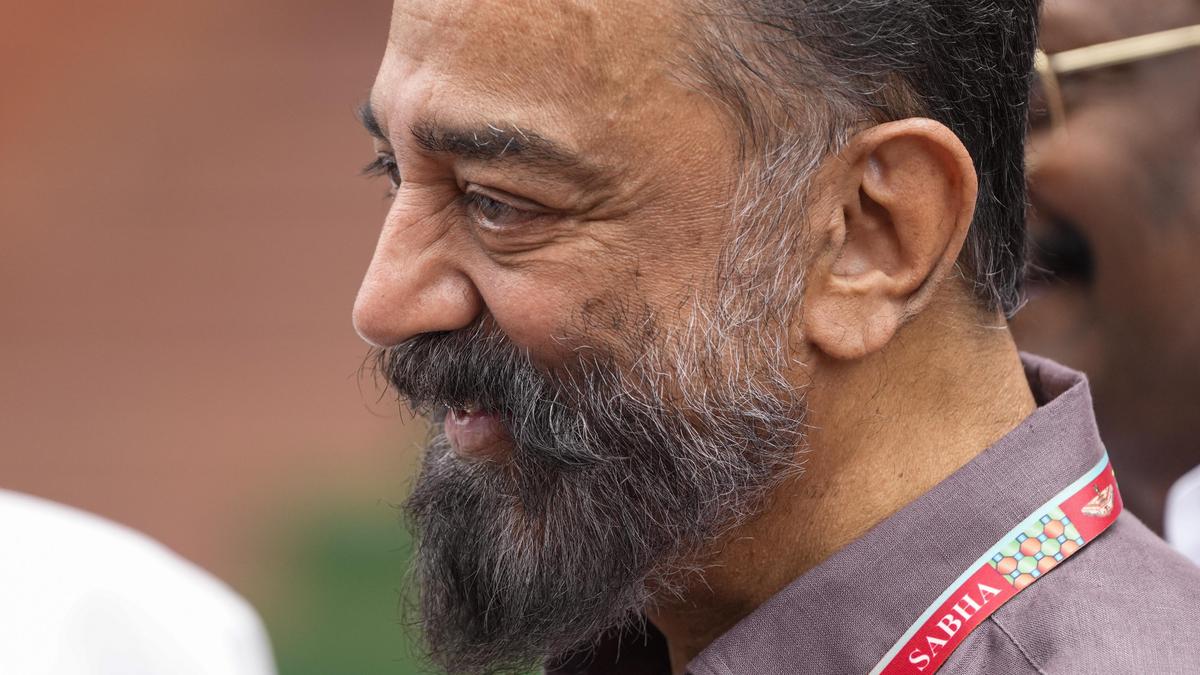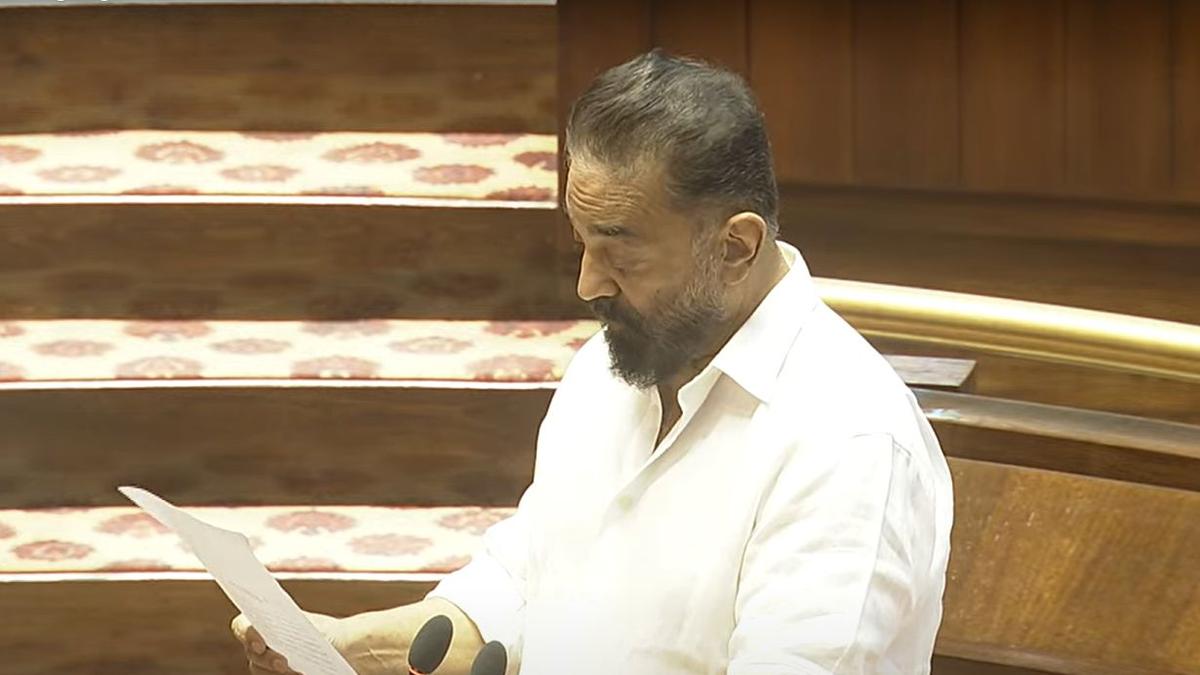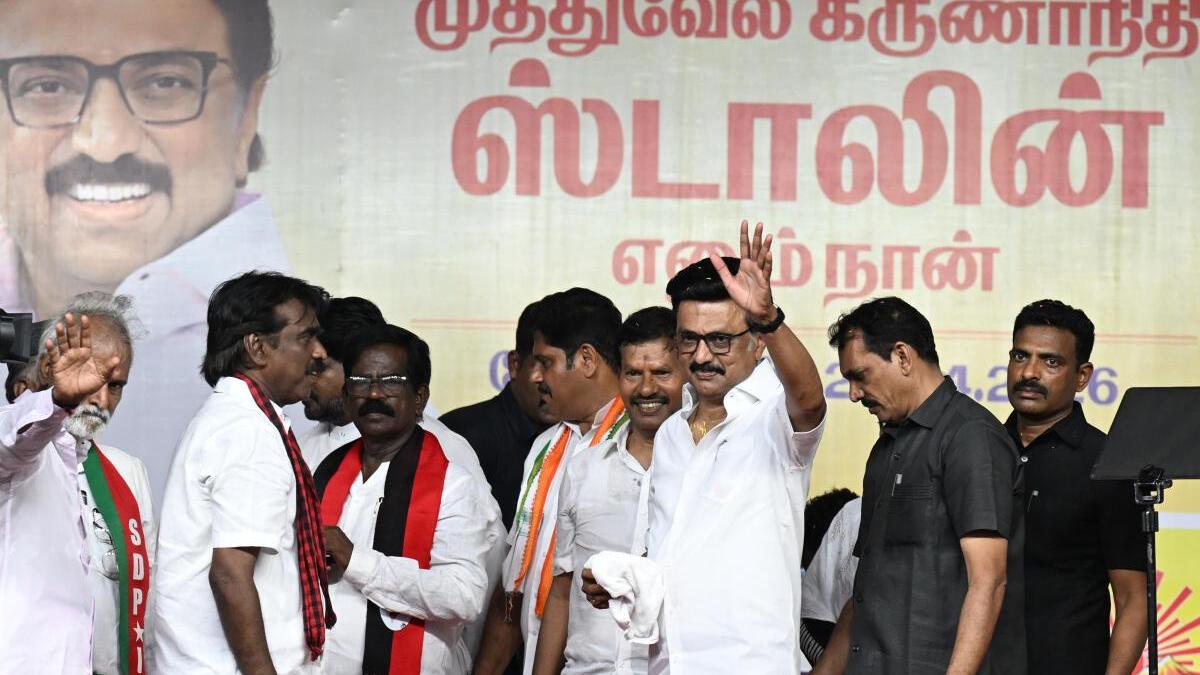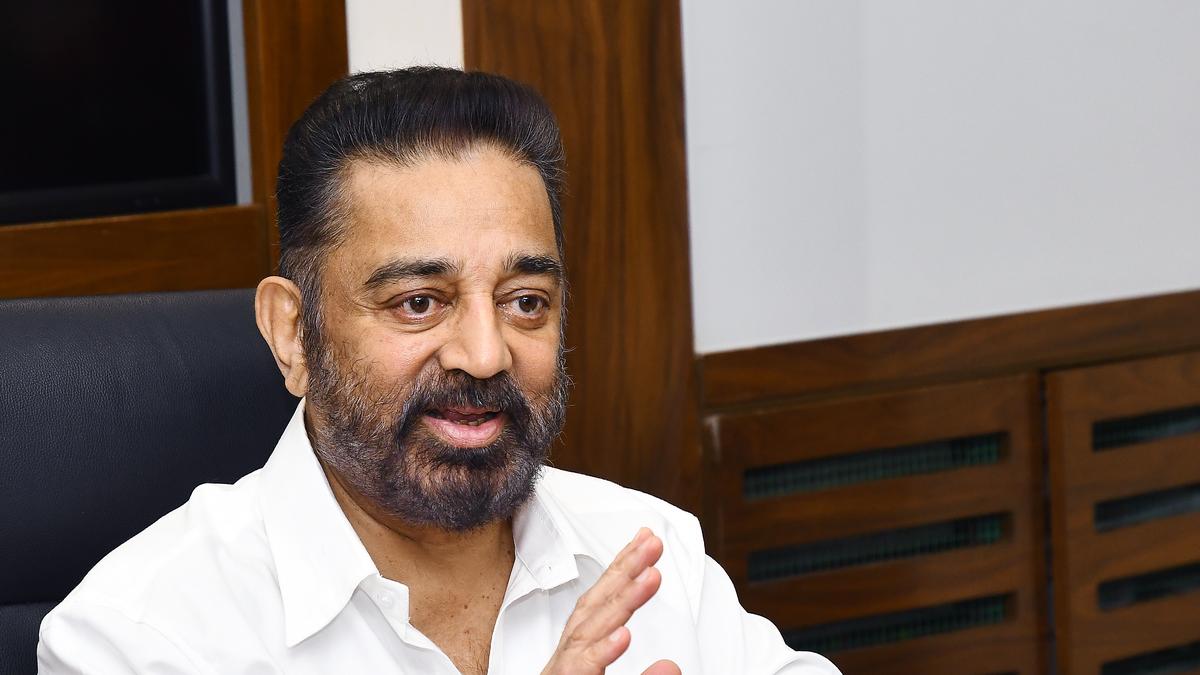
The support taken by the Makkal Needhi Maiam (MNM)’s founder-leader Kamal Haasan from the ruling Dravidia Munnetra Kazhagam (DMK) in getting himself elected to the Rajya Sabha recently has not only reinforced the durability of the Dravidian majors in the politics of Tamil Nadu but also demonstrated yet again that the space for a third player or an independent force is extremely limited.
Ever since the State politics began having duopoly in 1977 with the All India Anna Dravida Munnetra Kazhagam (AIADMK) being the other force, numerous parties and individuals had attempted to forge a viable alternative to the principal players. So far, success has eluded them.
The list of the parties that had tried their luck is quite long. The Congress, both in 1977 and 1989, had tied up with smaller parties including the Communist Party of India (CPI), a faction of the Muslim League and the Christian Democratic Front. But, on both occasions, it had the satisfaction of getting votes to the extent of 17.5% to 20%, grabbing 27-26 seats. The Janata, largely the remnant of the Congress (O), too went alone in 1977 but it could get 10 seats with a vote share of 16.67%. The Pattali Makkal Katchi (1991, 1996 and 2016); Marumalarchi Dravida Munnetra Kazhagam, with an electoral deal with CPI (Marxist) and the Janata Dal in 1996 and without allies in 2001; Desiya Murpokku Dravida Kazhagam in 2006; Bharatiya Janata Party in 2006, 2011 and 2016; the People’s Welfare Front (PWF), comprising CPI, CPI-M, DMDK, Viduthalai Chiruthaigal Katchi (VCK) and the TMC (Moopanar), in 2016; Naam Tamilar Katchi in 2016 and 2021; Amma Makkal Munnetra Kazhagam (AMMK) and the MNM in 2021 form part of the list of failed experiments.