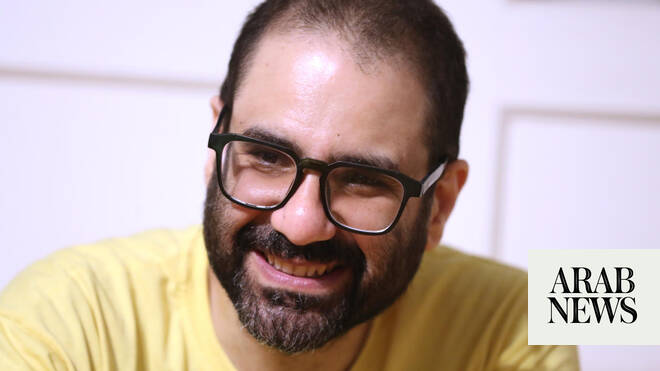
The UK still has ways to press for the release of the British-Egyptian writer and bring an end to the hunger strike endangering his mother’s life
L
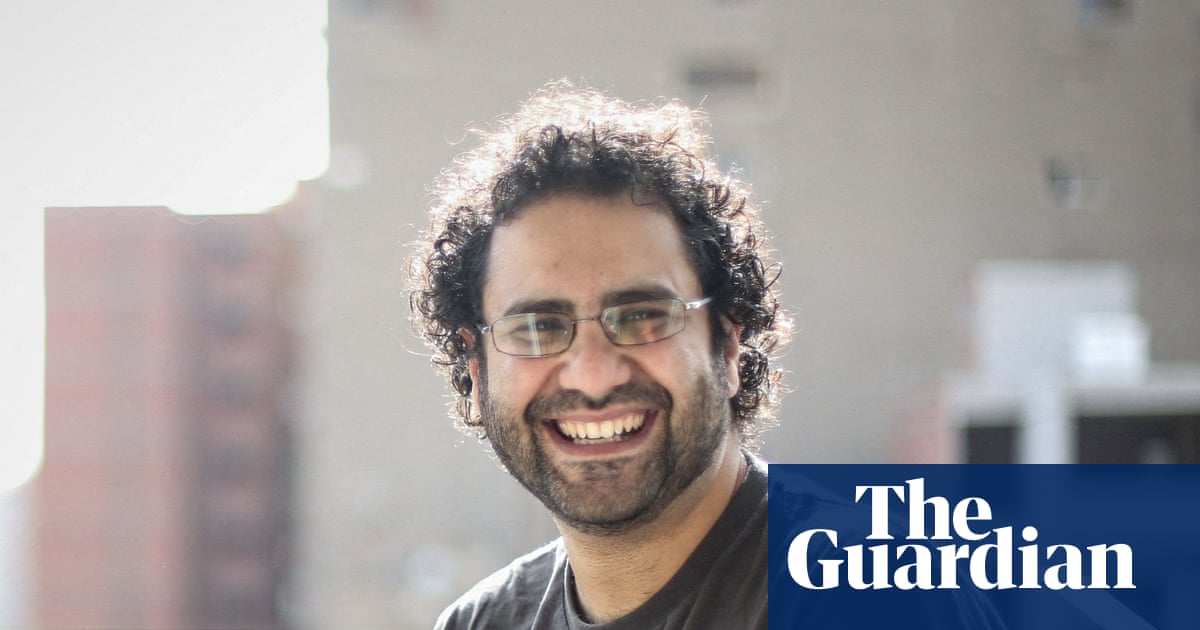
ast month, Sir Keir Starmer promised to do “everything I possibly can” to free Egypt’s highest profile political prisoner, Alaa Abd el-Fattah. A few months earlier, the foreign secretary had described the case of the British-Egyptian writer and campaigner as the “number one issue”. In opposition, David Lammy had joined a protest in Mr Abd el-Fattah’s support outside the Foreign Office and demanded serious diplomatic consequences for Cairo if no progress was made.
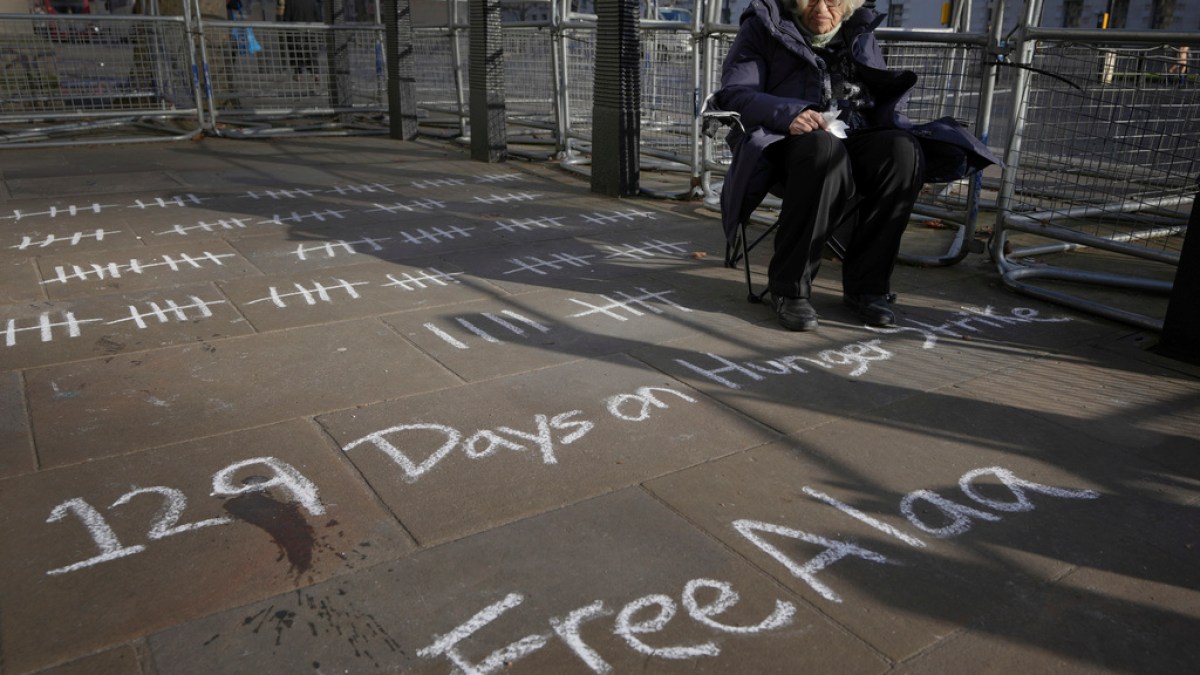
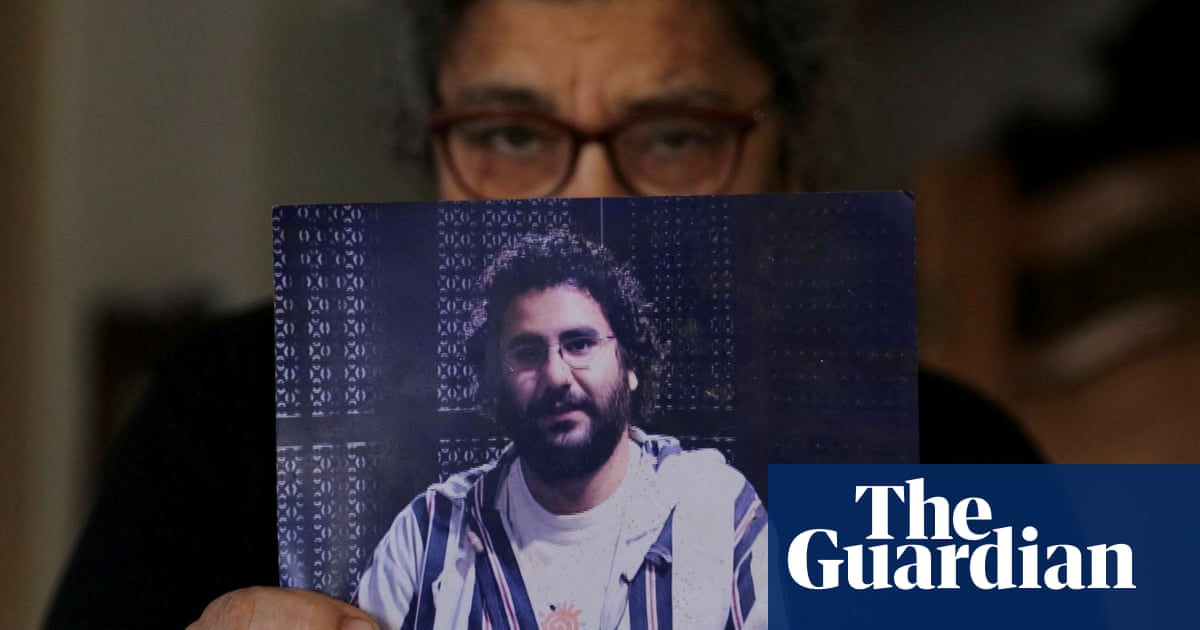
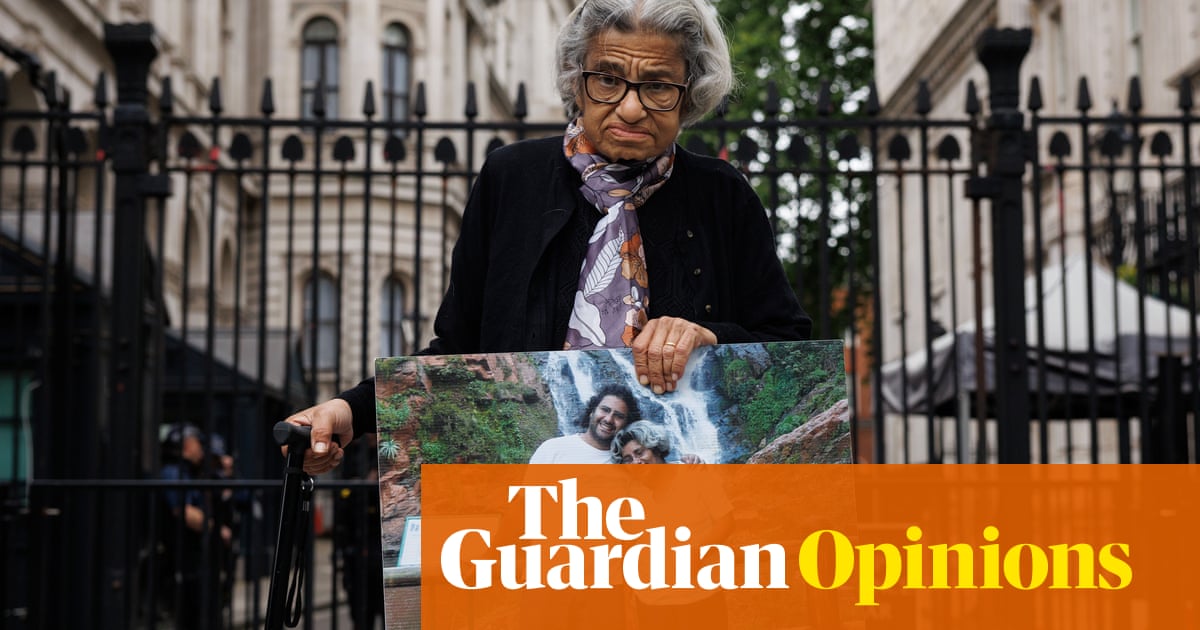
Progress has not been made and time is running out. Arbitrary detention has stolen almost a decade of Mr Abd el-Fattah’s life, while that of his remarkable mother, Laila Soueif, may be drawing to its close. As of Tuesday, the 69-year-old, who lives in London, had not eaten for 261 days, as she demands her son’s release. After taking 300-calorie liquid supplements for a short period, she returned to a full hunger strike almost a month ago and has been hospitalised since the end of May. In Egypt, Mr Abd el-Fattah has been on hunger strike for more than 100 days.
Mr Abd el-Fattah, whose current ordeal began when he was detained in 2019, should never have been held. He was sentenced to five years for “spreading false news”; his real offence was to speak truth to power. But the injustice was compounded when, instead of releasing him in September, as Egypt’s own criminal code requires, the state chose to ignore his pre-trial detention. His jail term was deemed to have begun only after his conviction in December 2021, meaning that it would run until the end of next year.