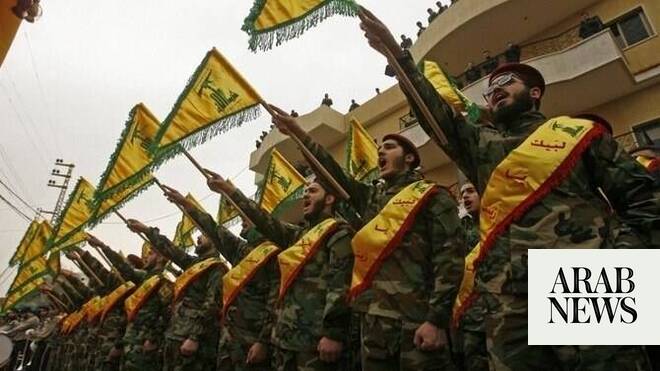
The Lebanese group is depleted after fighting Israel last year, but may intervene if the Israel-Iran conflict continues.
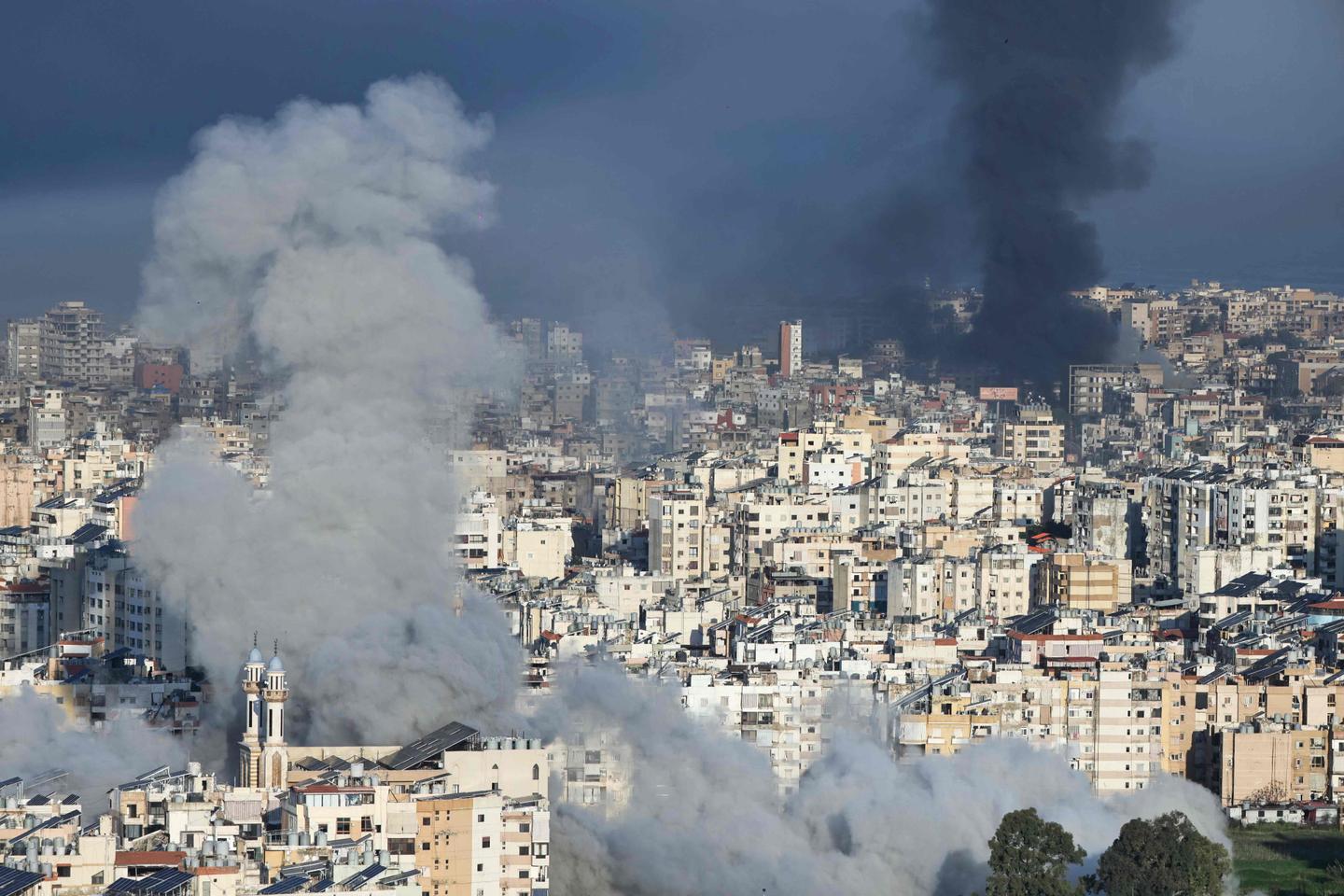
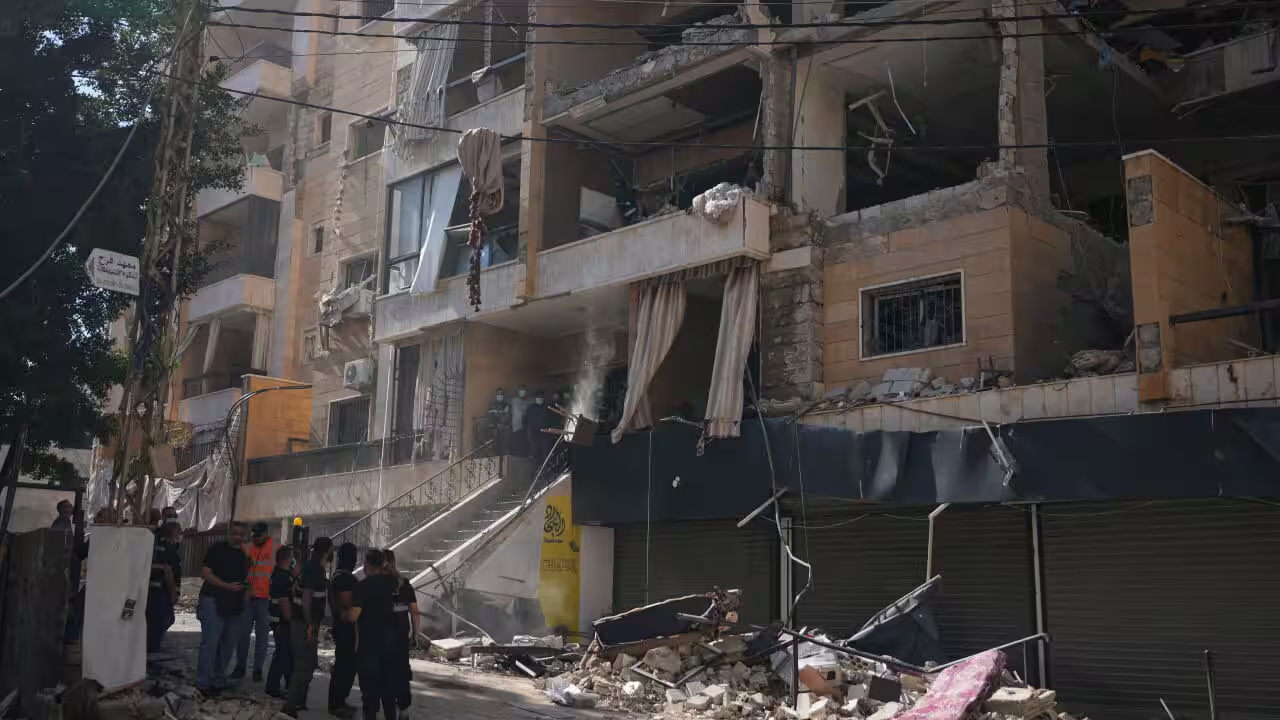
Beirut, Lebanon – When Israel attacked Lebanon in September 2024, Fatima Kandil left her home in Beirut’s southern suburbs, known colloquially as Dahiyeh. As the area sustained wide-scale Israeli air strikes, many Lebanese fled Dahiyeh for other parts of the country or, like Kandil, sought refuge in Iraq.
Nearly seven months after the November ceasefire between Israel and the armed Lebanese group Hezbollah – an agreement Lebanon says Israel has repeatedly violated – rockets are lighting up the night sky once again. But this time, Hezbollah is not involved. Instead, Israel and Iran are exchanging direct military attacks.
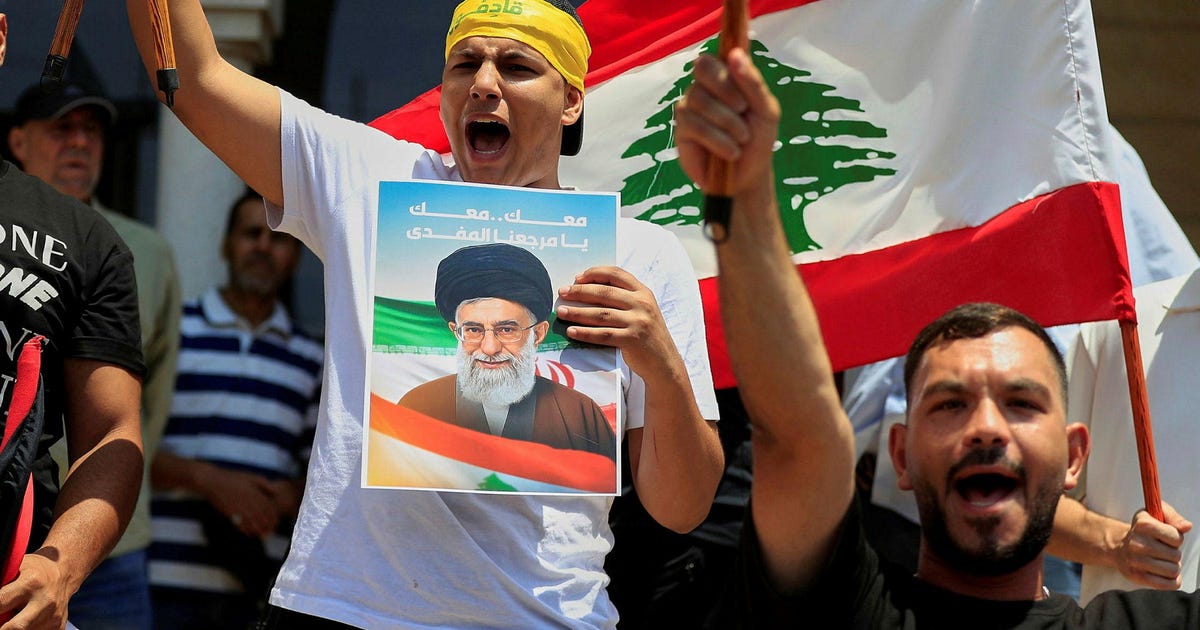
“We don’t know how this will all end, so we are undoubtedly tense,” Kandil, now back in Lebanon, told Al Jazeera. However, she added that she had a feeling of satisfaction seeing missiles rain down on Israel. “Our revenge is being taken,” she said.
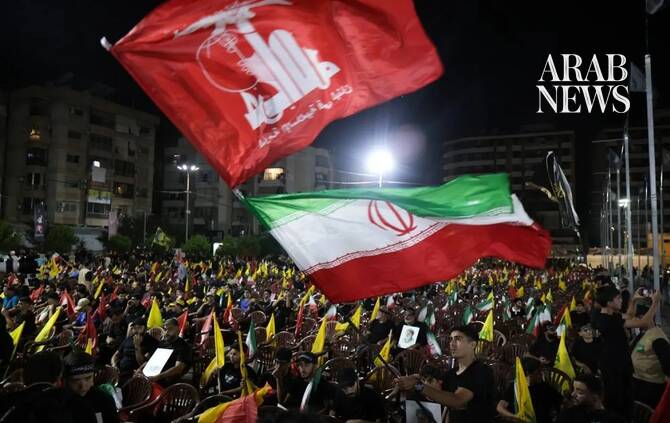
While Kandil’s sentiment is shared by some in Lebanon, others – those who see Iran’s support for Hezbollah, a group that has dominated Lebanon militarily and politically for two decades, as nefarious – cheered on the Israeli attacks against Iran. Many people in Lebanon told Al Jazeera they hoped that stability would prevail and that their country wouldn’t be dragged back into a prolonged conflict or subjected to the ferocity and frequency of the Israeli attacks it suffered last year.