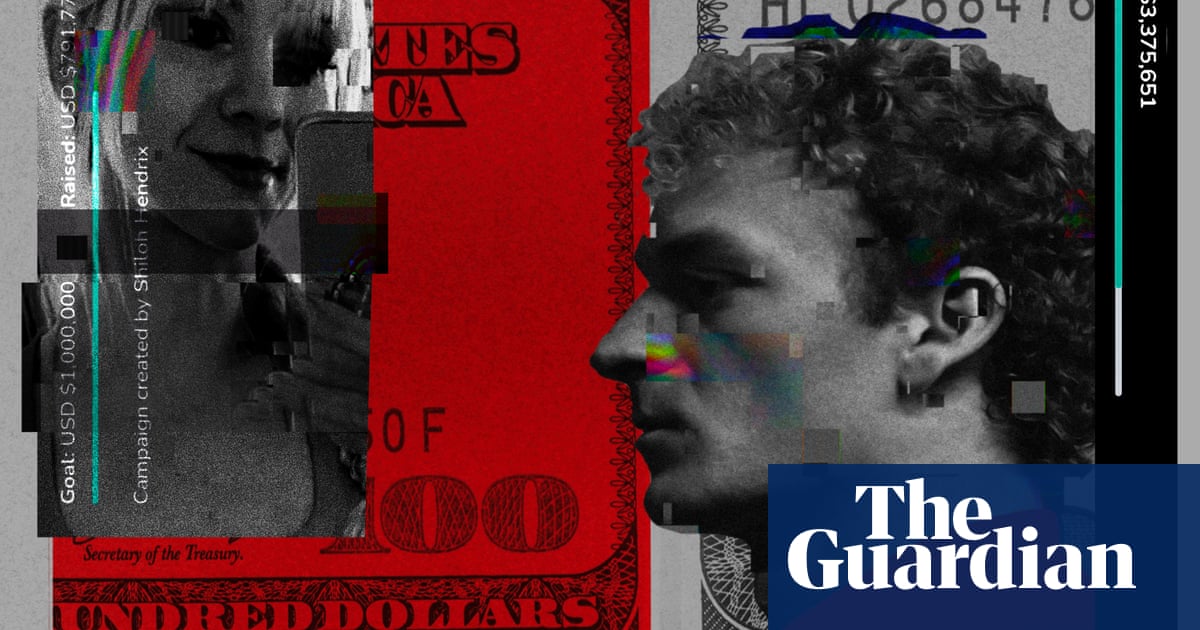
The response to these online fundraisers signals the rise of more overt, public support for racist actions
Shiloh Hendrix, a white woman based in Rochester, Minnesota, went viral after admitting in a video that she called a 5-year-old Black child the N-word while at a local park on 28 April.
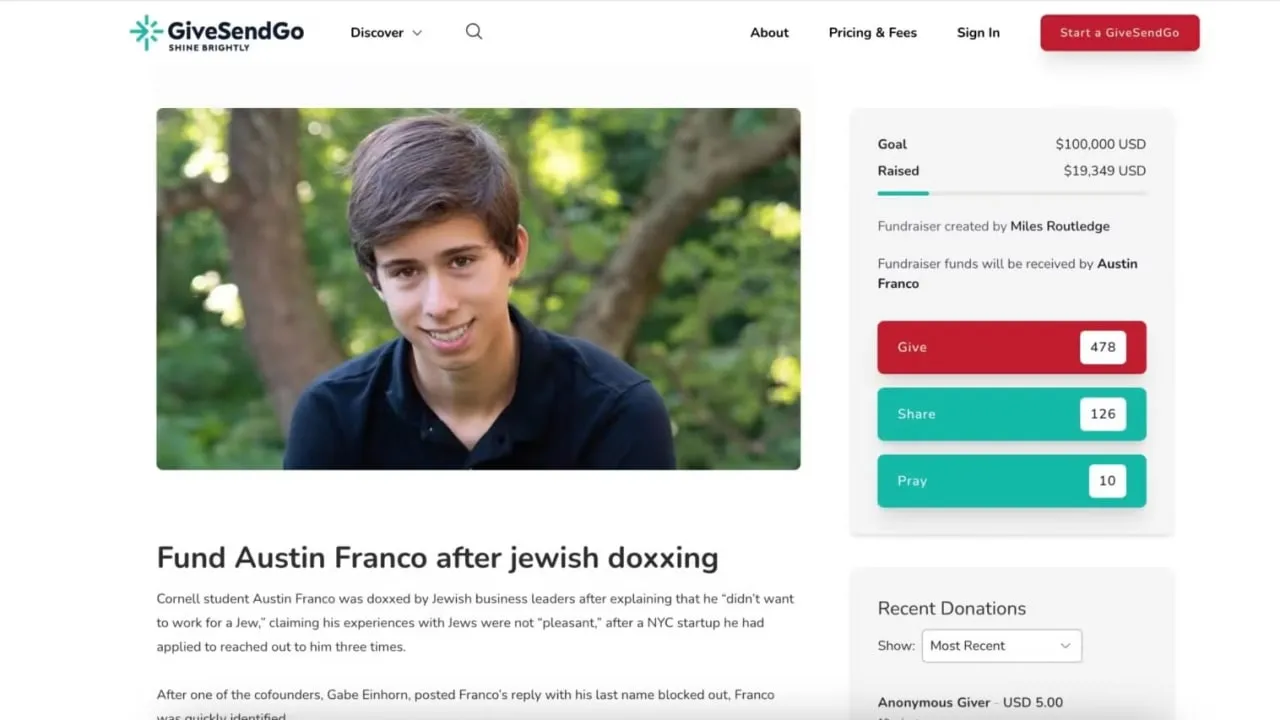
Though Hendrix was met with widespread condemnation and denouncement after the incident, she also raised over $750,000 on the crowdfunding website GiveSendGo, commonly used by extremists to fundraise for far-right causes. Many contributors to Hendrix’s campaign, which was created to “protect [Hendrix’s] family” after backlash, used racial slurs and Nazi symbols in their donation names. As of 1 June, over 30,000 people had donated to Hendrix’s fundraiser. The support and funding Hendrix received for her racist actions raised alarm bells for many, including the Anti-Defamation League (ADL), which flagged the fundraiser as being used to “spread hateful talking points and legitimize their ideas”. Experts say the response to her campaign signals the rise of more overt, public support for racist actions, versus their condemnation.
Hendrix isn’t the first white person to become infamous for racist behavior and receive financial support from members of the public. A legal defense fund for Daniel Penny, a white veteran who killed Jordan Neely, a Black unhoused man, on a New York City subway in 2023, raised over $3.3m on GiveSendGo. The fund was created by Penny’s defense lawyers. A similar campaign was started for Kyle Rittenhouse, who shot and killed two protesters in Kenosha, Wisconsin, during a 2020 demonstration against the police shooting of Jacob Blake, a Black man. That crowdfunding drive was started by Friends of Kyle Rittenhouse, a group based in Atlanta, Georgia, and raised more than $585,000. Several fundraisers for participants of the 2021 capital insurrection are currently hosted on the website.