M
aybe Britain doesn’t need a bioethanol industry. Making fuel from wheat and corn is not everyone’s idea of green energy nirvana. And even the byproducts — high protein animal feed and carbon dioxide, used in everything from NHS operating theatres to fizzy drinks — can be sourced elsewhere.
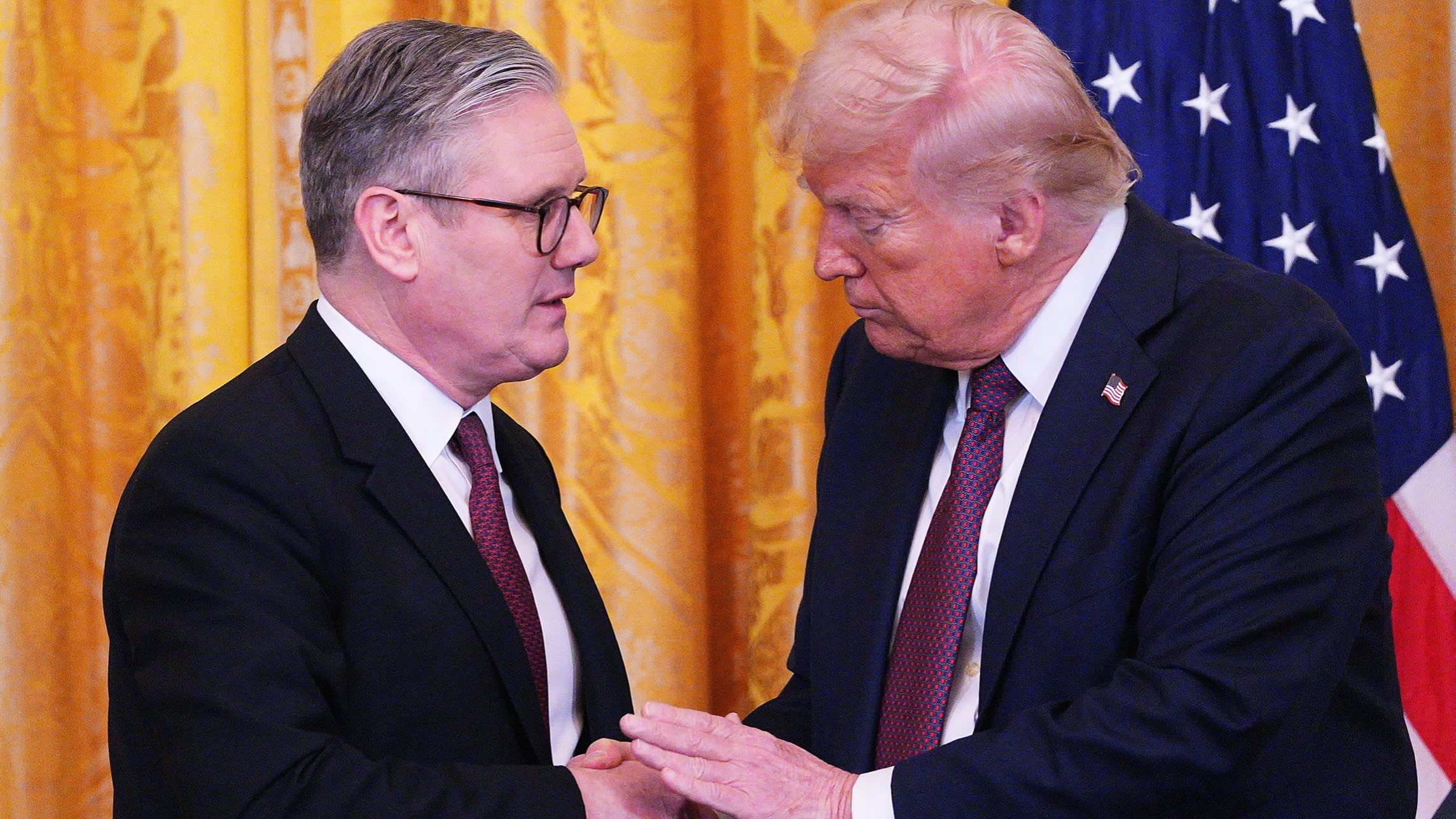
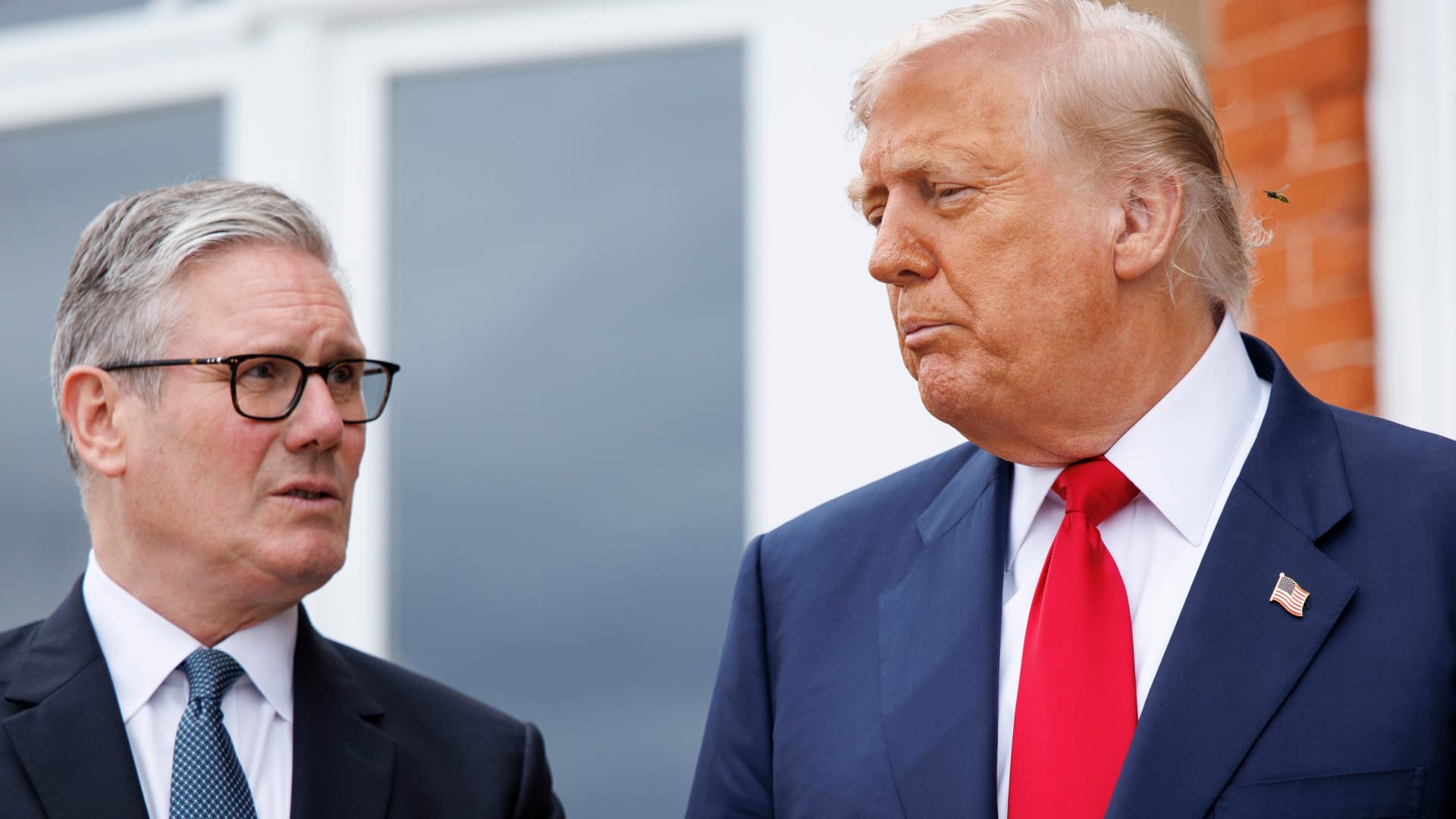
Even so, if a government wants to kill off an industry, you’d think it would at least do it on purpose. This one seems to be doing it by accident: the result of Sir Keir Starmer’s trade deal with Donald Trump, which threw in a last-minute concession to cut tariffs on 1.4 billion litres of US ethanol, or roughly the UK’s entire present annual consumption, from 19 per cent to zero.
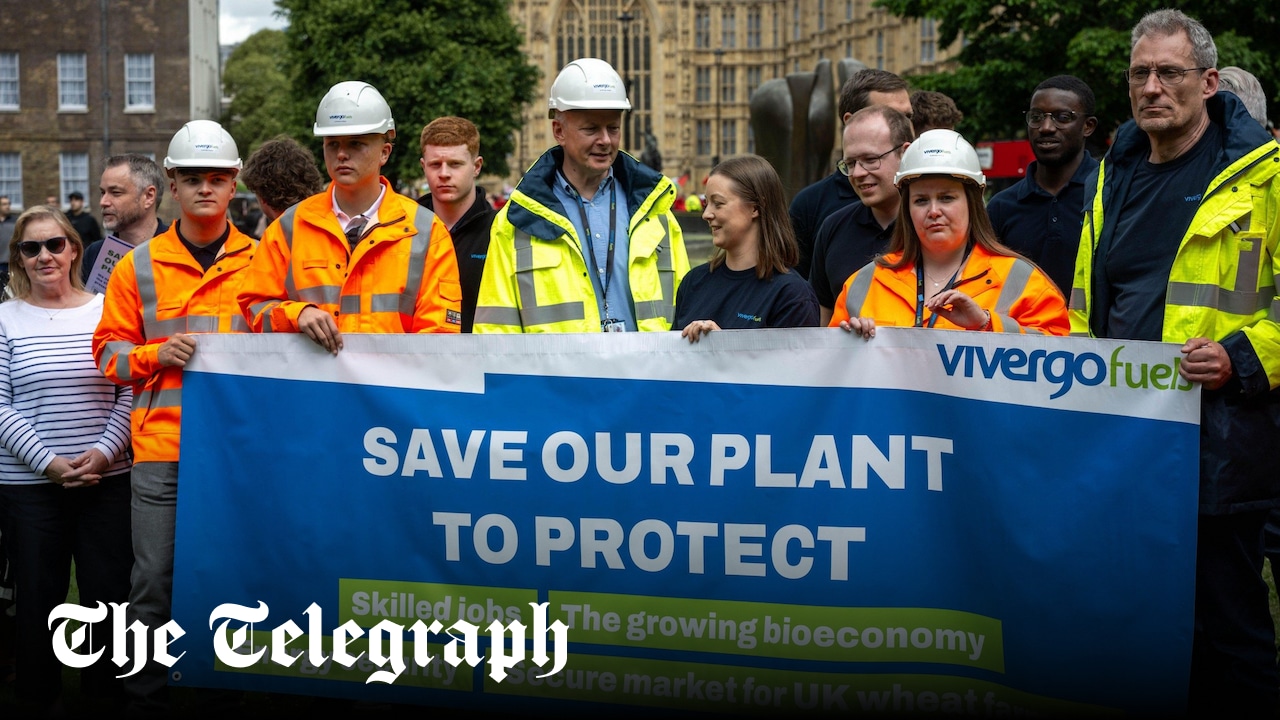
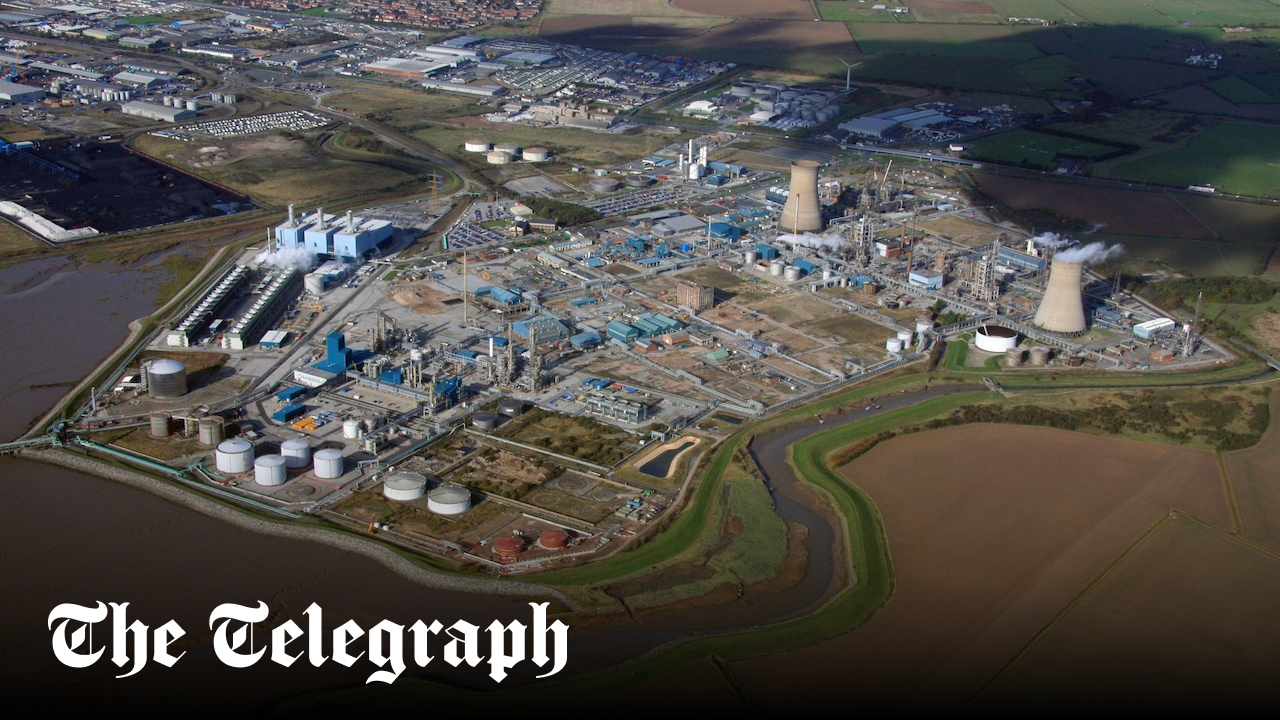
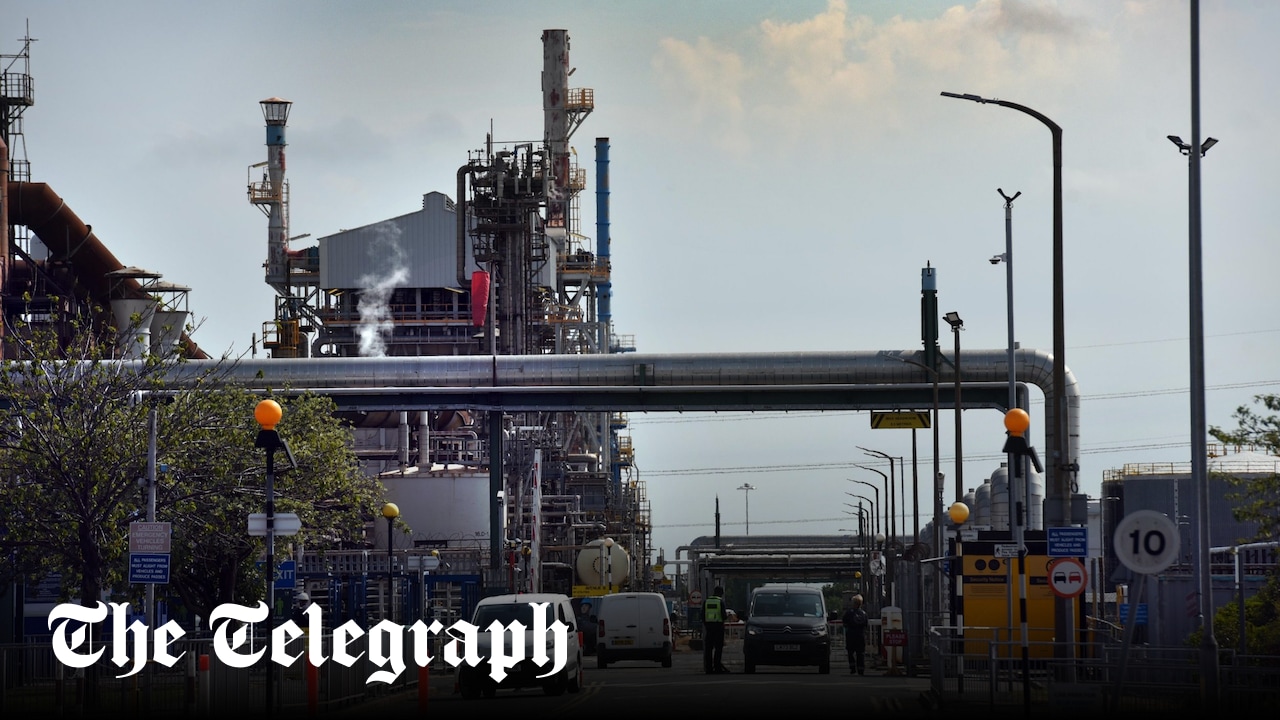
Less than six weeks on, the impact is clear. Britain’s biggest two bioethanol players, with 95 per cent of the market — Associated British Foods’ Vivergo Fuels and Ensus, owned by Germany’s CropEnergies — are on the brink of closing down. Vivergo has given the government a two-week deadline to come up with a rescue package, including £75 million of short-term subsidies, before it starts redundancy talks with the 160 workers at its plant in Saltend, Hull. Ensus has said it “faces imminent closure as a result of the recent US-UK trade deal” and a likely flood of cheaper US imports, putting 100-plus jobs at risk at its Wilton site, near Redcar. It hasn’t said so, but it’s also angling for a similar amount of subsidy.