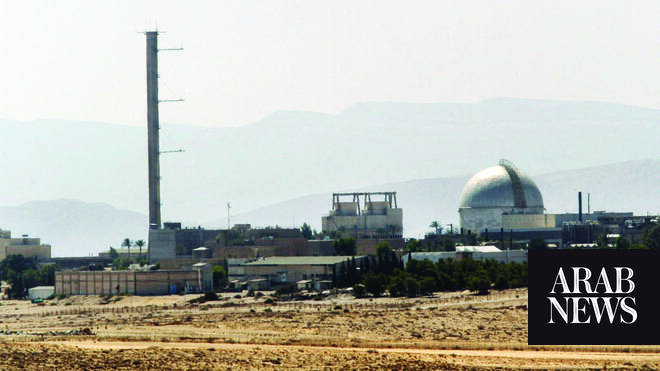
LONDON: To this day, Israel maintains a policy of deliberate ambiguity in regard to its nuclear capabilities, but it is a fact accepted by experts worldwide that Israel has had the bomb since just before the Six Day War in 1967.
And not just one bomb. Recent estimates by the independent Stockholm International Peace Institute, which has kept tabs on the world’s nuclear weapons and the states that possess them since 1966, suggest Israel has at least 90 nuclear warheads.
SIPRI believes that these warheads are capable of being delivered anywhere within a maximum radius of 4,500 km by its F-15, F-161, and F-35I “Adir” aircraft, its 50 land-based Jericho II and III missiles, and by about 20 Popeye Turbo cruise missiles, launched from submarines.
A woman looks at a wall decorated with national flags during the IAEA's Board of Governors meeting at the agency's headquarters in Vienna, Austria on June 3, 2024. (AFP)
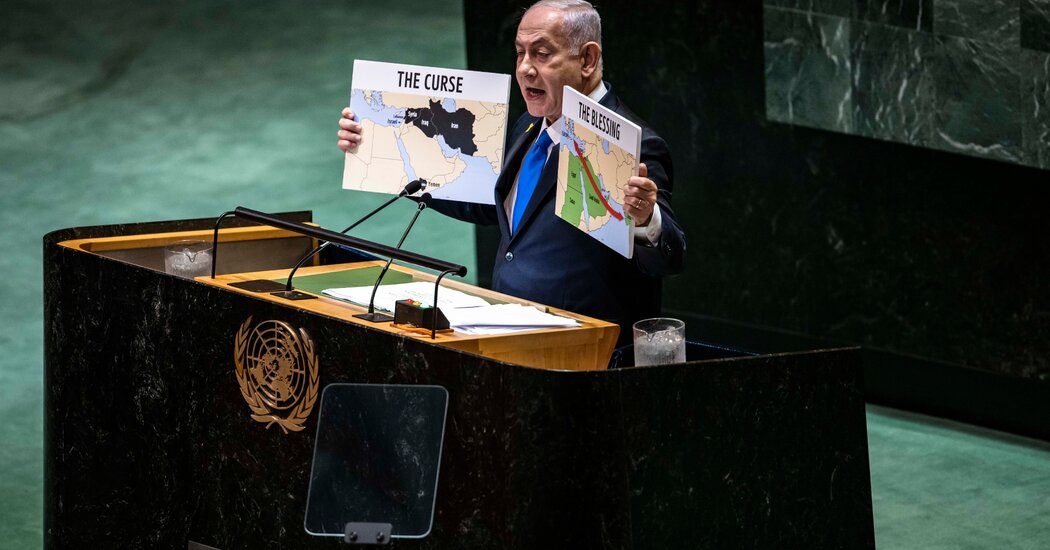
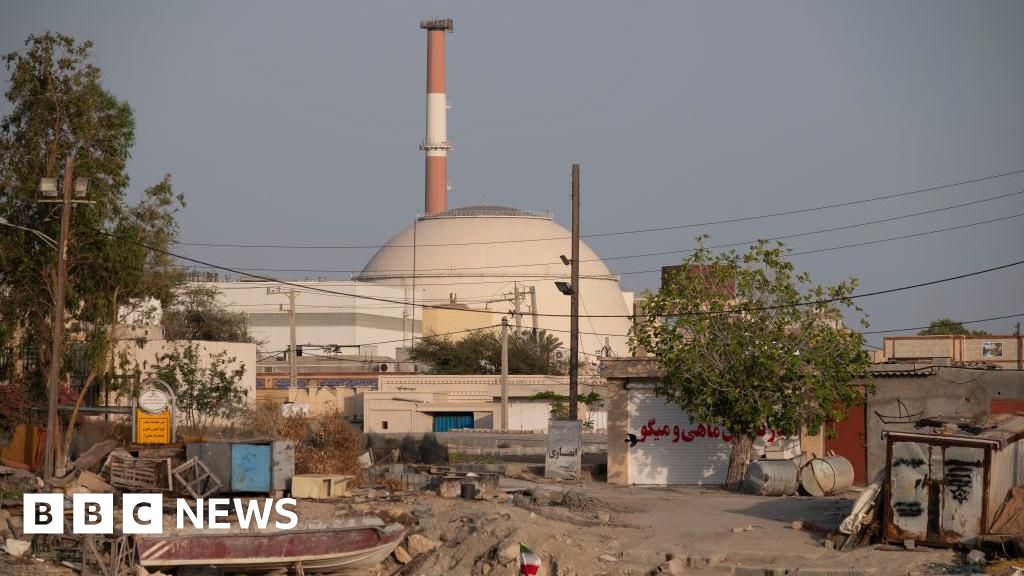
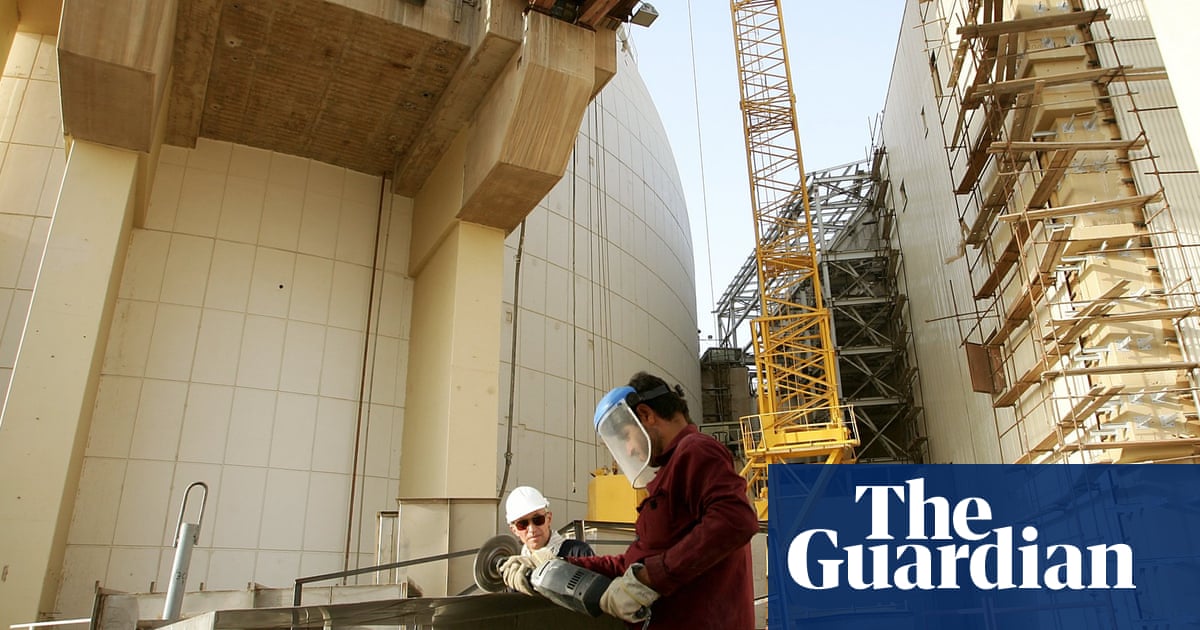
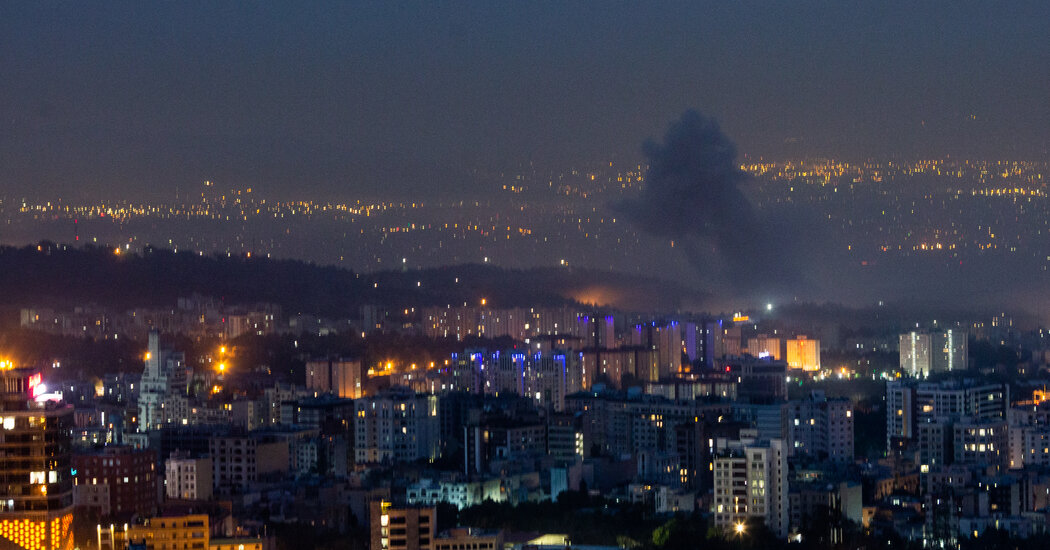
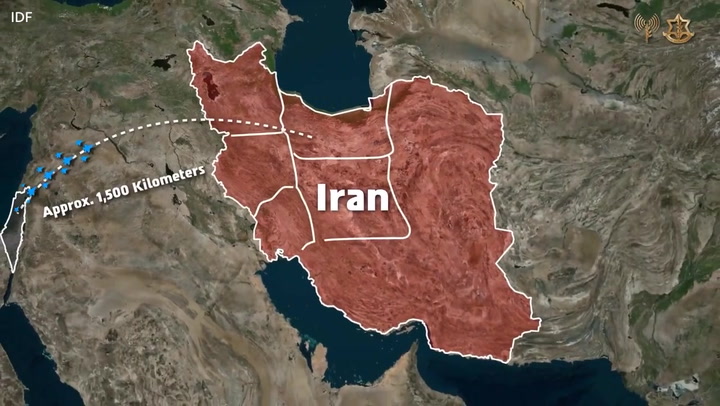
While Iran is a signatory to the international nuclear Non-Proliferation Treaty, Israel is not, which begs the question: while Israel is wreaking havoc in Iran, with the declared aim of crippling a nuclear development program, which the International Atomic Energy Authority says is about energy, not weaponry, why is the international community not questioning Israel’s?