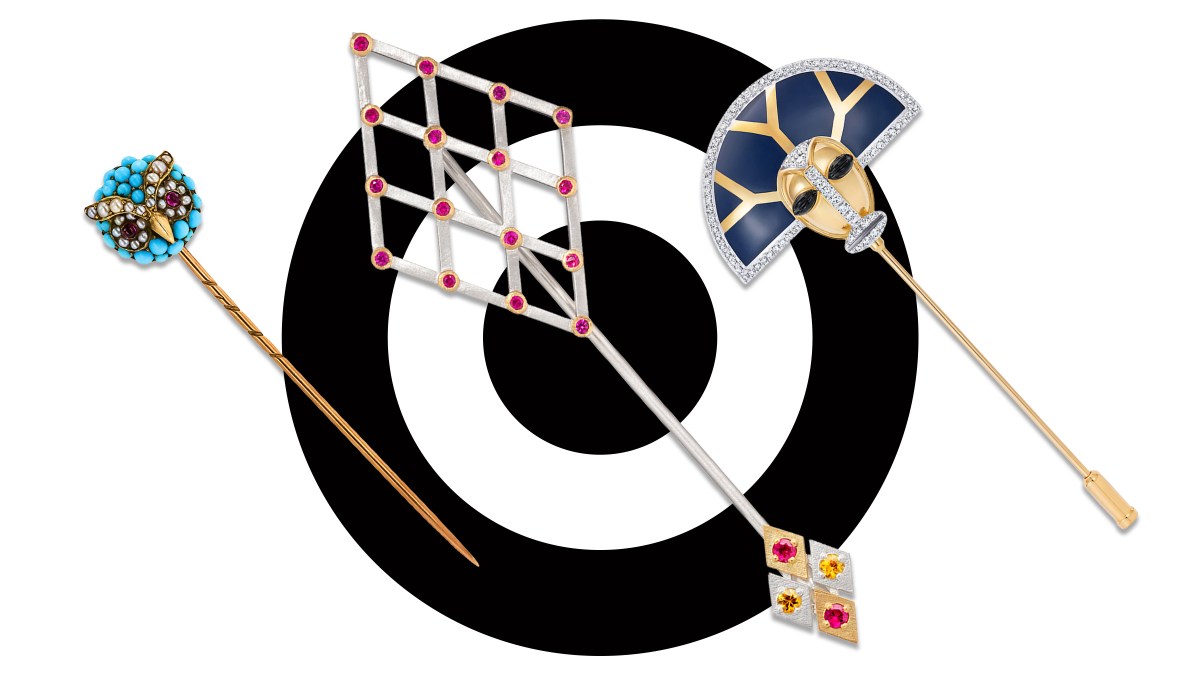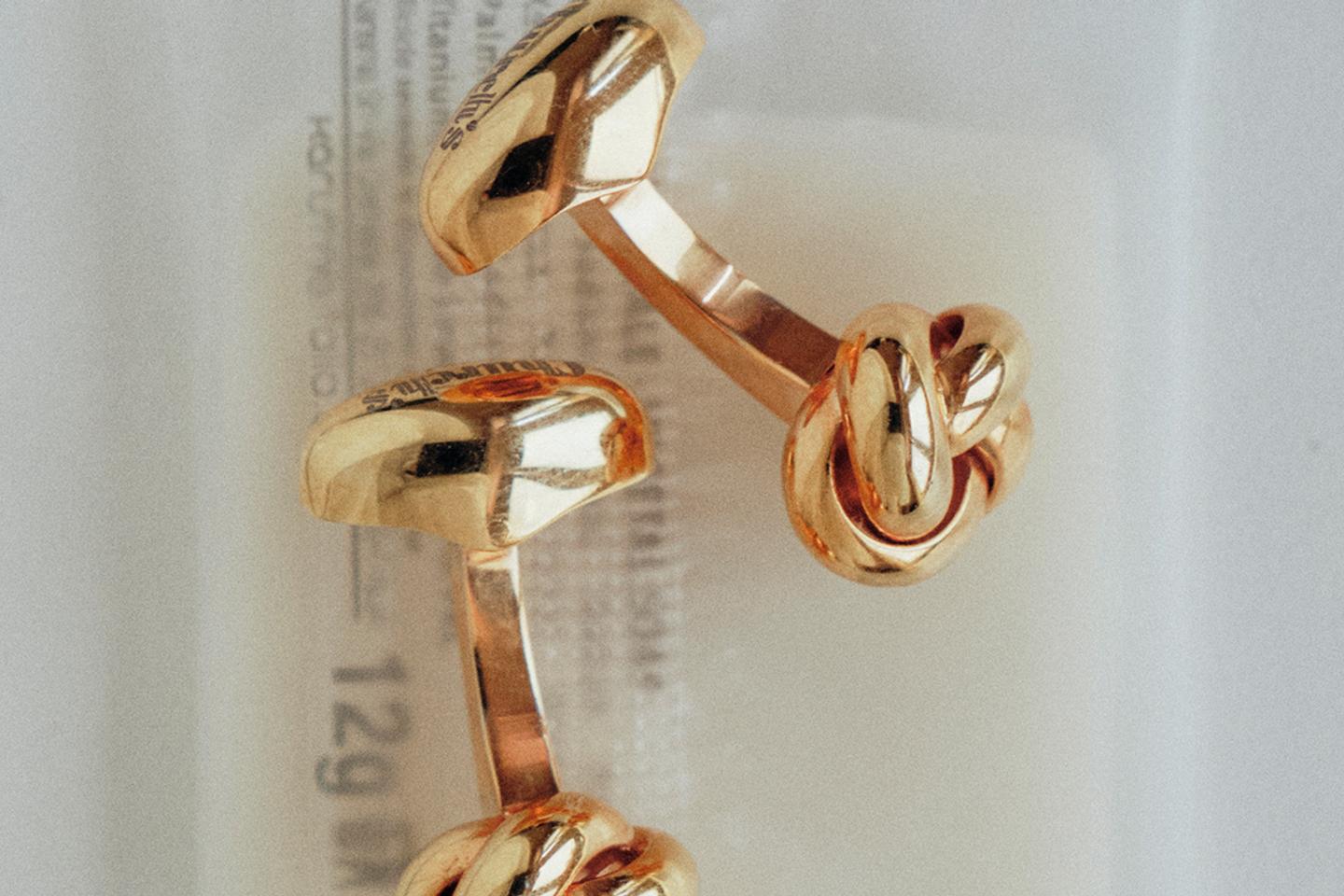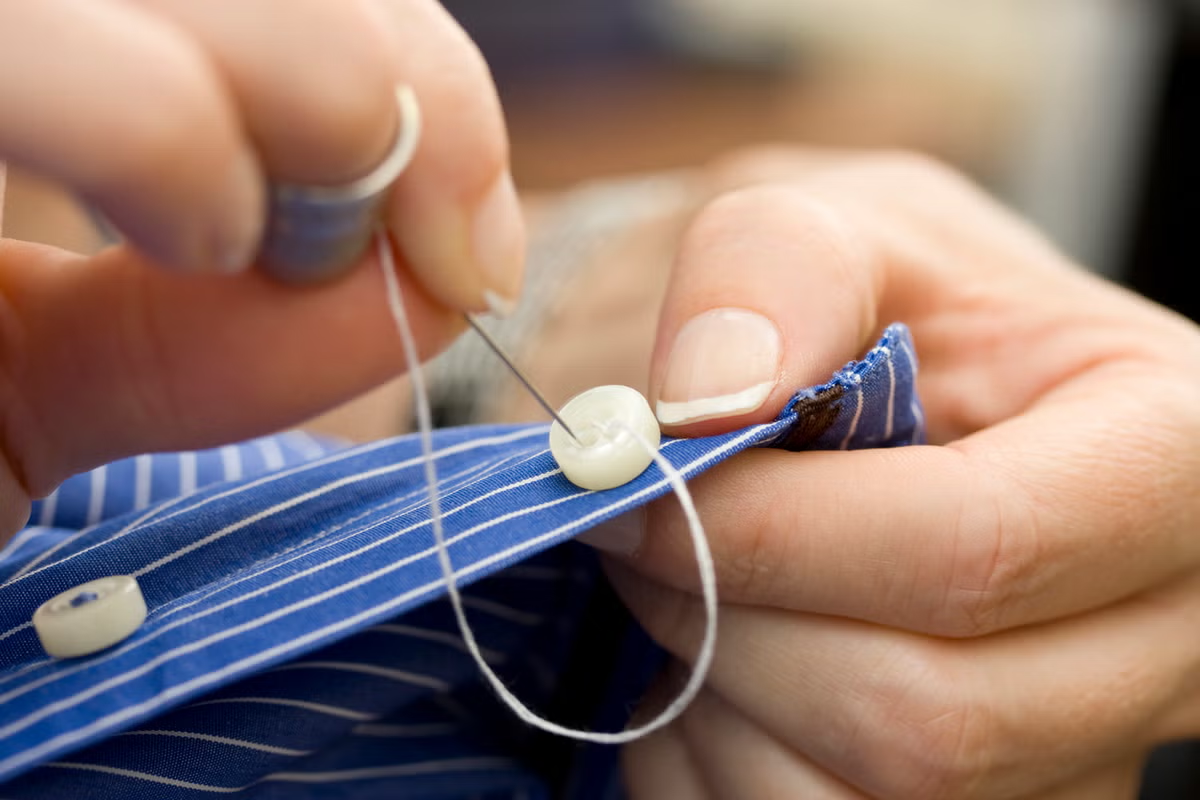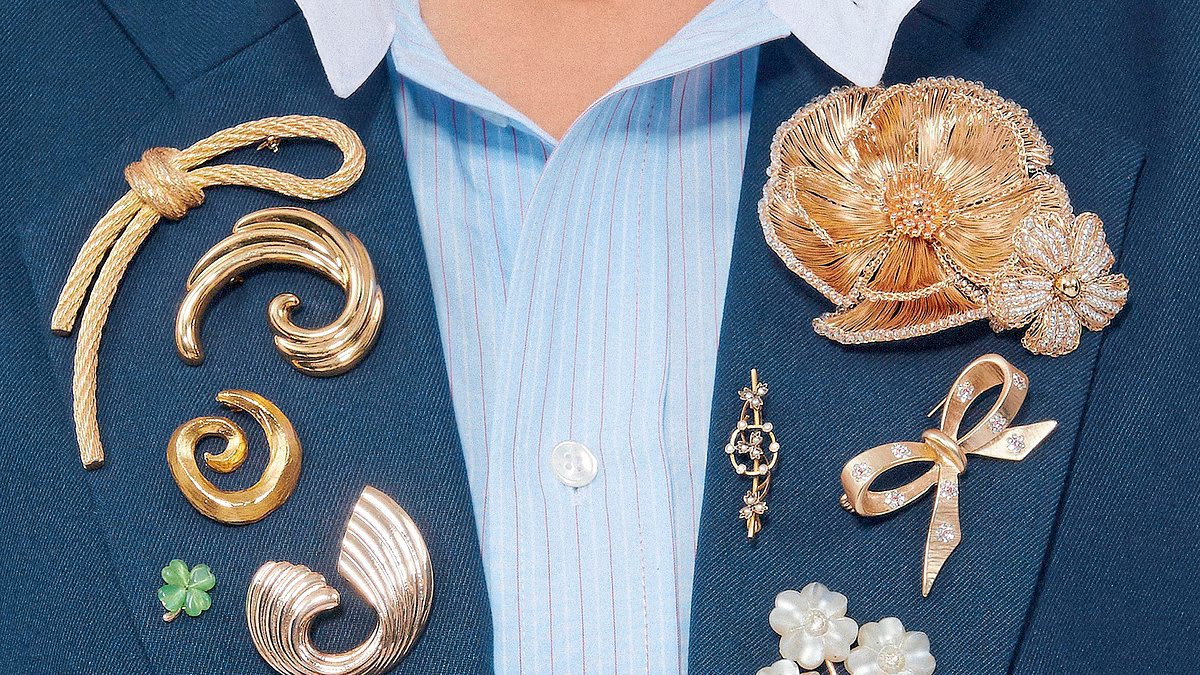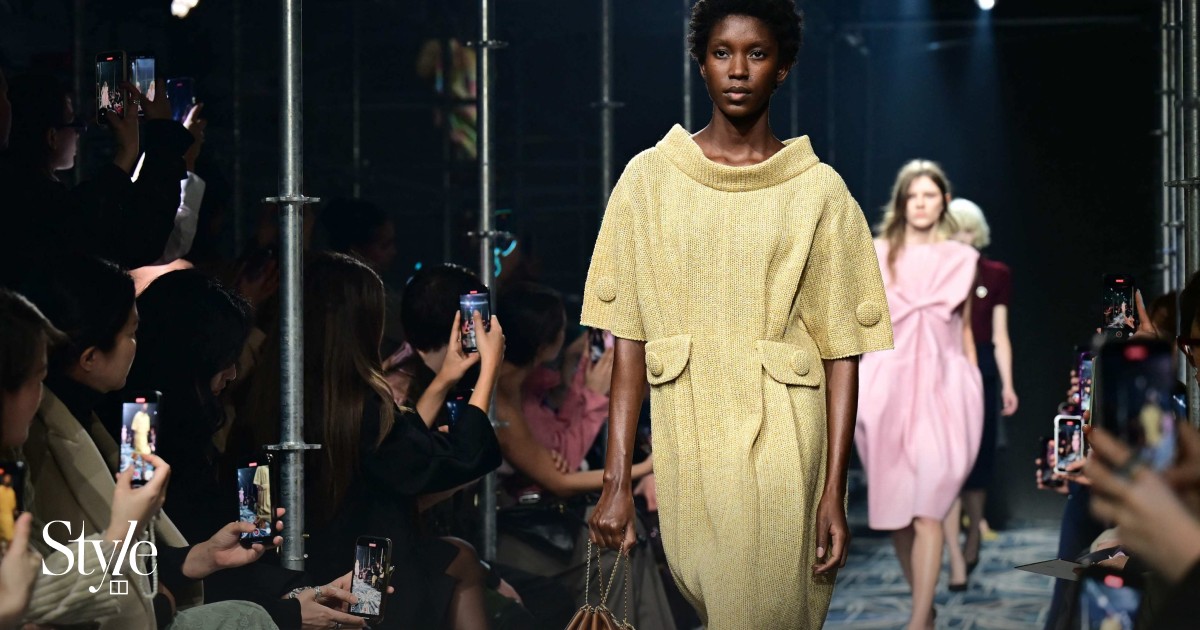
Used as adornments, symbols of wealth, practical fastenings and couture accents, buttons were relied on throughout history by everyone from the Indus people of the Bronze Age to the ancient Romans
What’s in a button? We tend to give them little thought. At most, we are irritated when one is lost or comes loose, dangling from the front of a coat or shirt. But like many of the fashion fixtures we take for granted, this unsung hero has a storied past – and present.
By the Middle Ages, the buttonhole was born, and ornate buttons crafted in precious materials became popular. So popular in fact that in time several countries passed sumptuary laws restricting excessive button-wearing. By the Industrial Revolution, however, buttons (a word taken from the French verb bouter, meaning “to push”) were mass-produced and normalised as an everyday staple.
Today, amid growing disenchantment with luxury – a shift tied to several factors including macroeconomic headwinds and rising prices for high-end goods; an oversaturated market and digital landscape; and growing consumer awareness around labour practises and global supply chains – the button may have a new role. This tiny object could have the answer to what the sector must do to regain its lustre – namely, elevate the small, meticulously crafted elements that can set a luxury item apart.