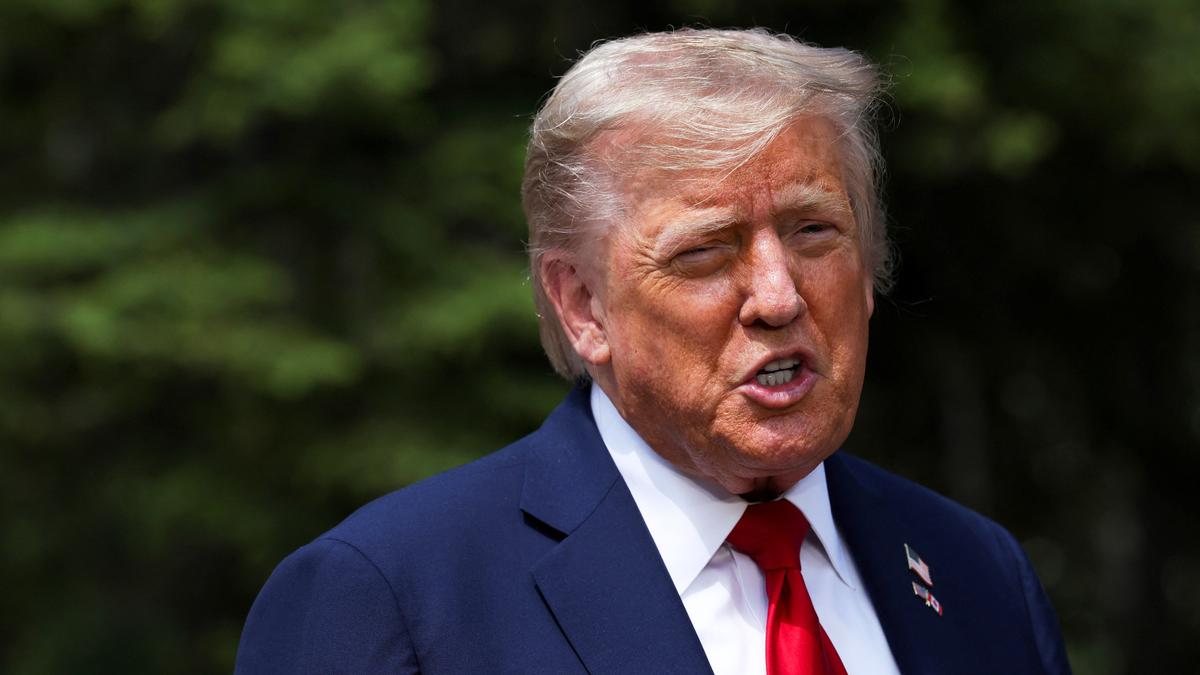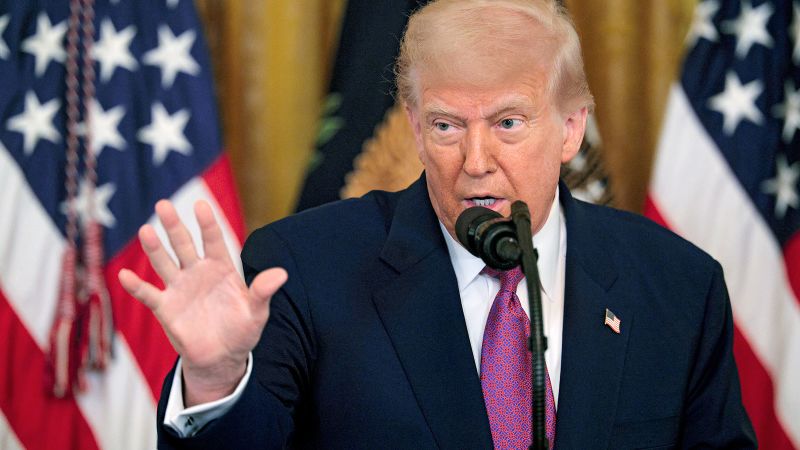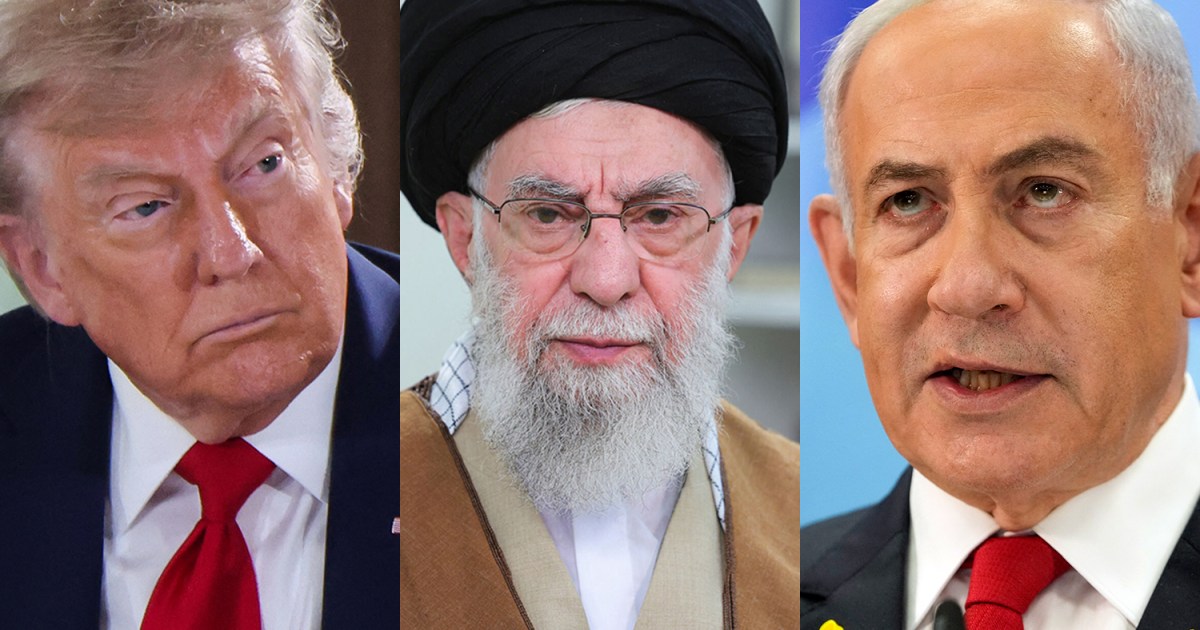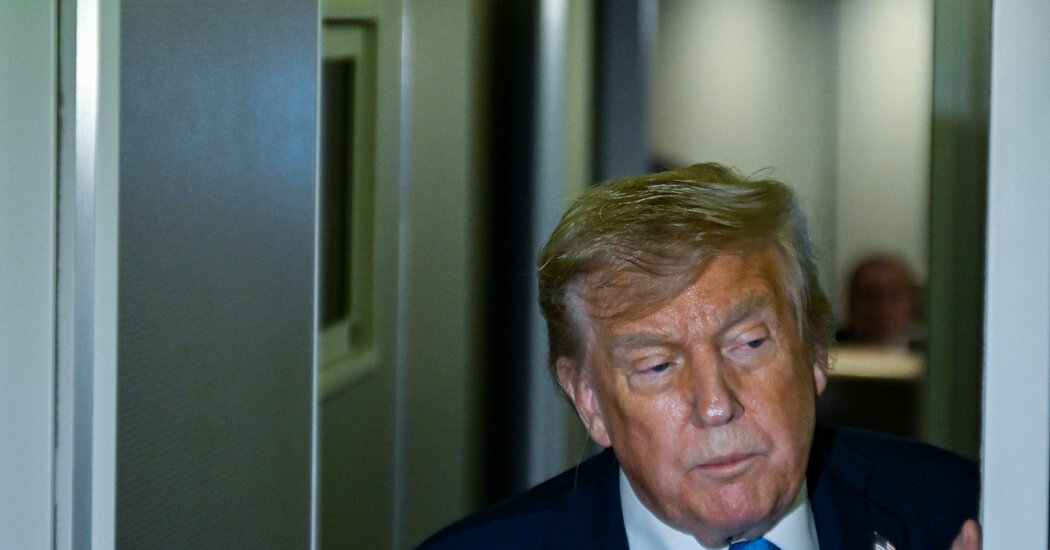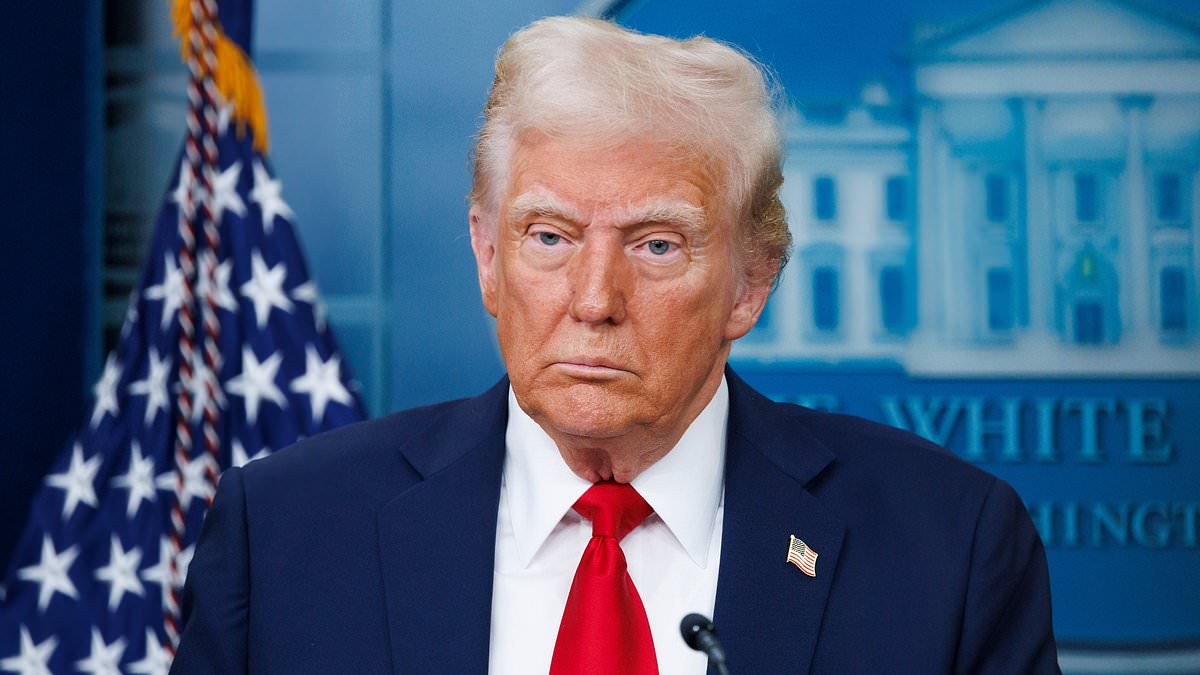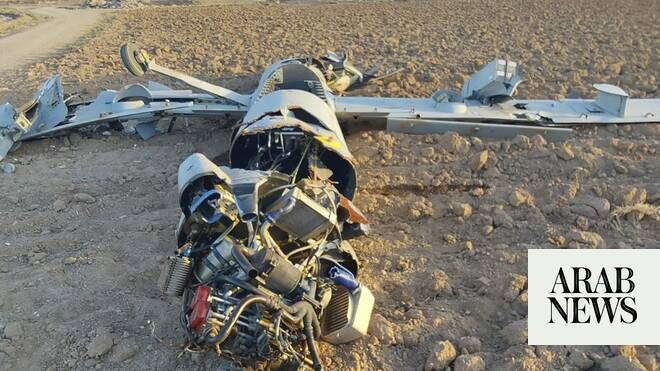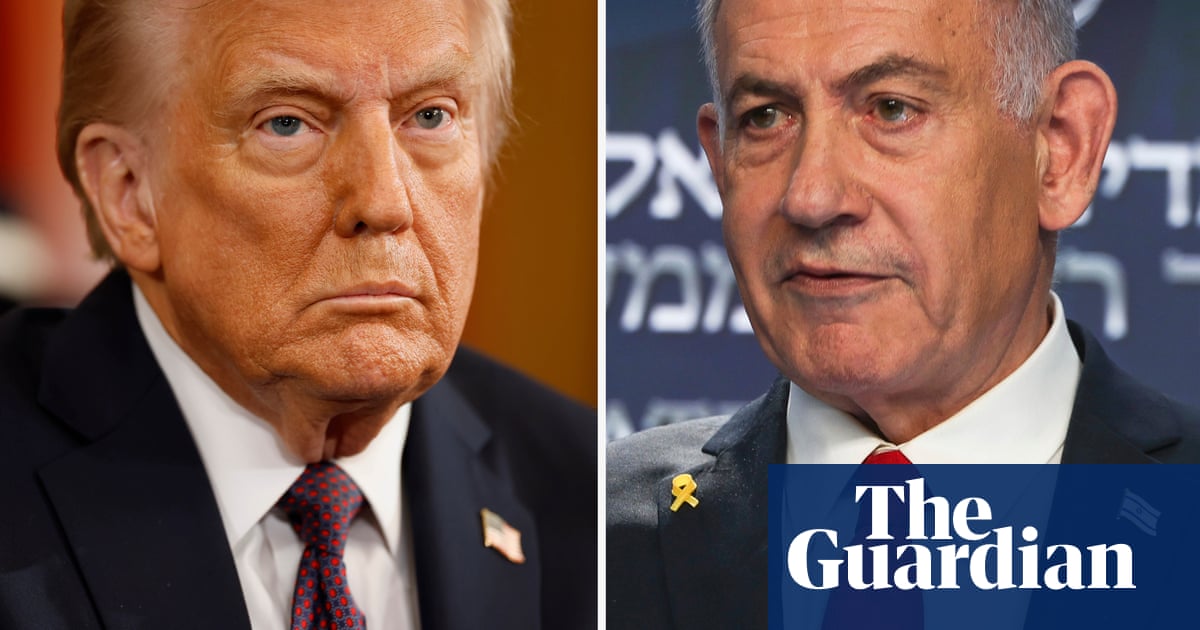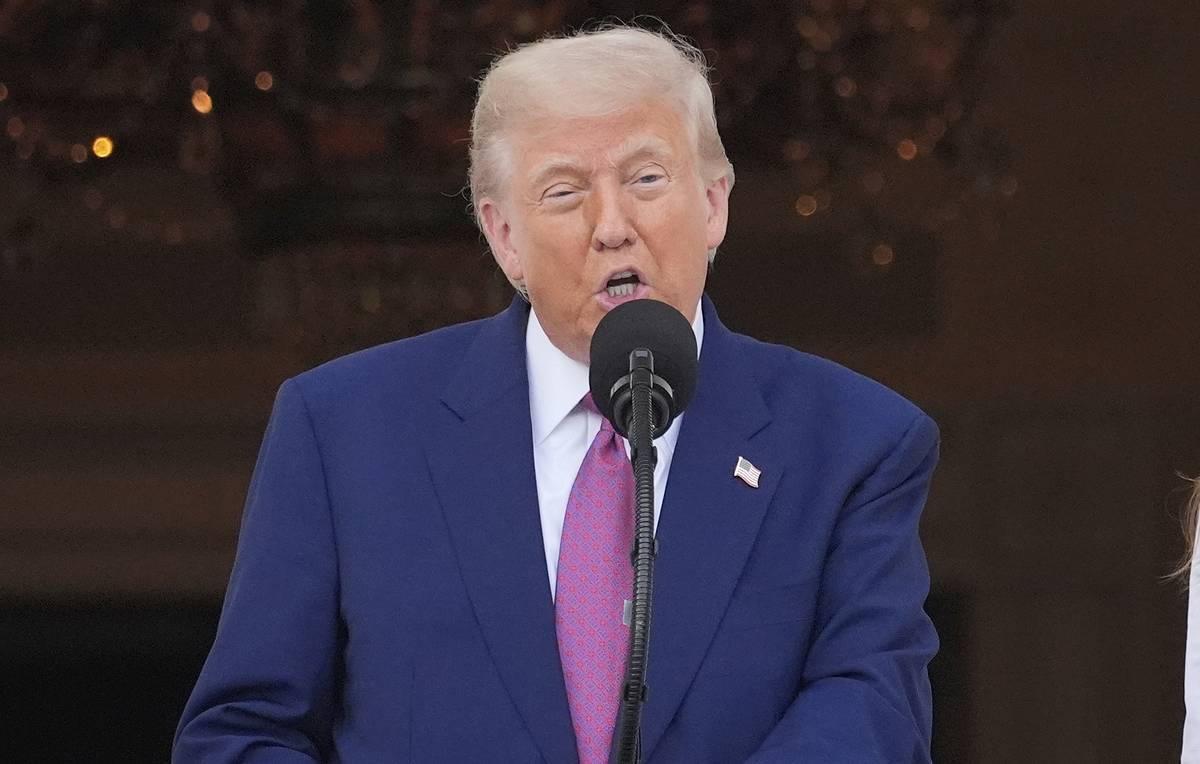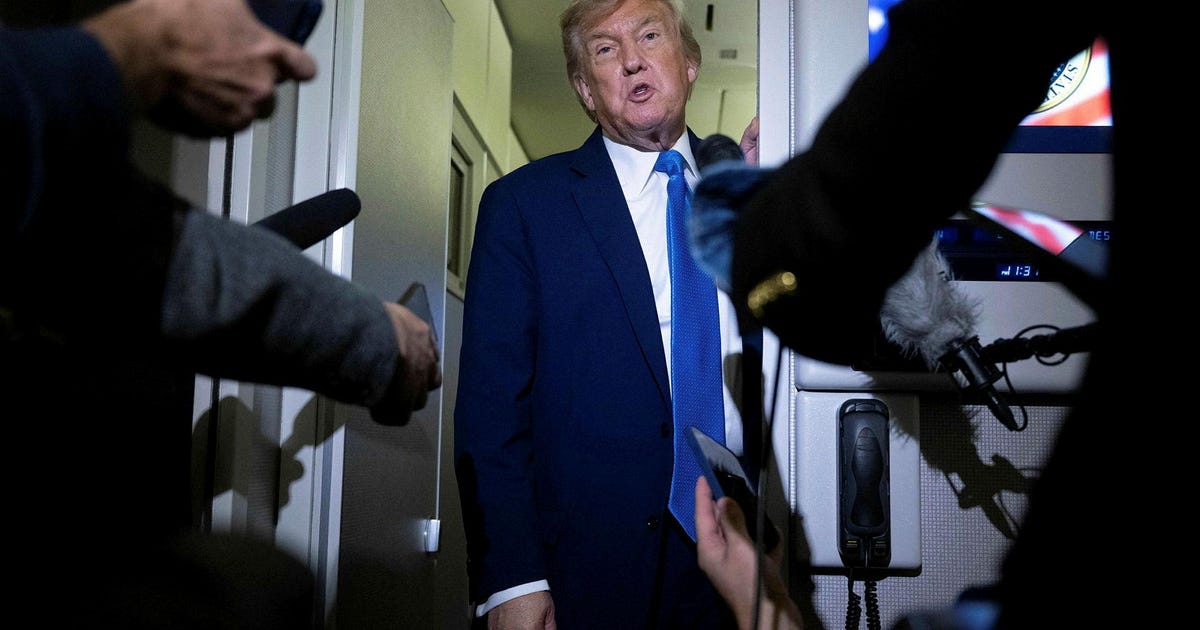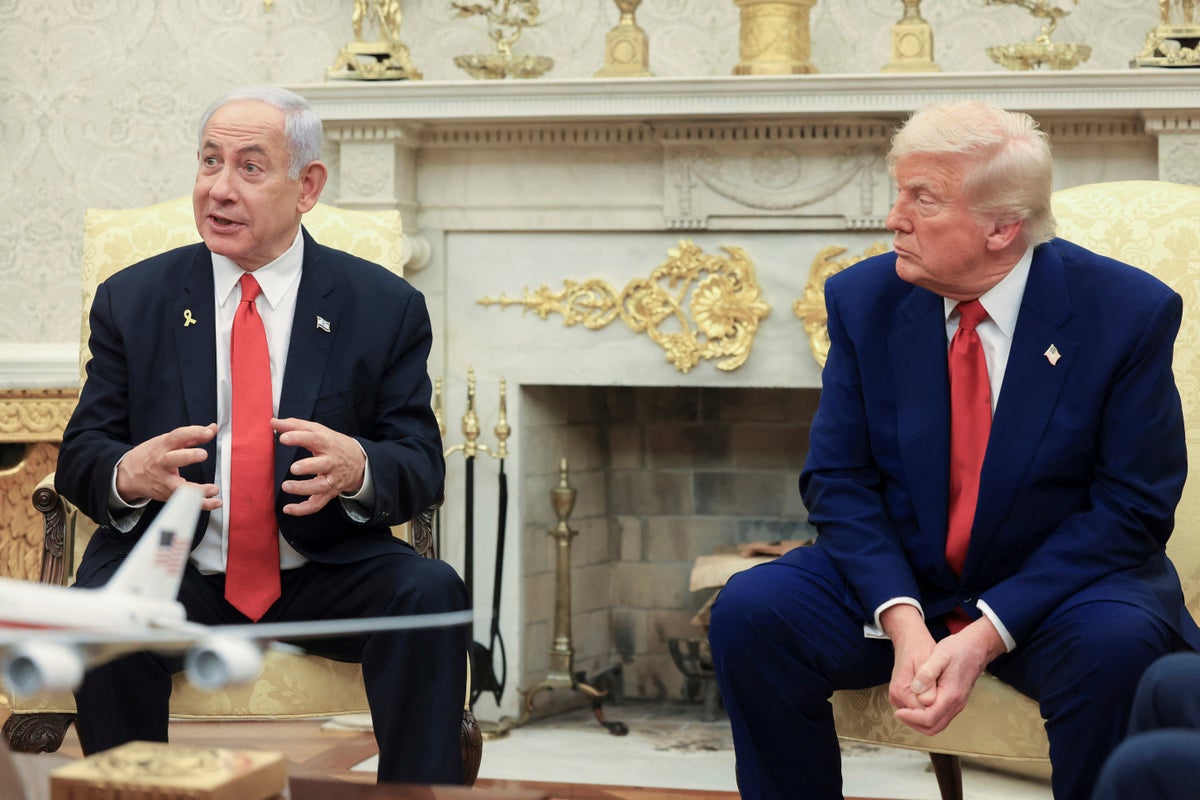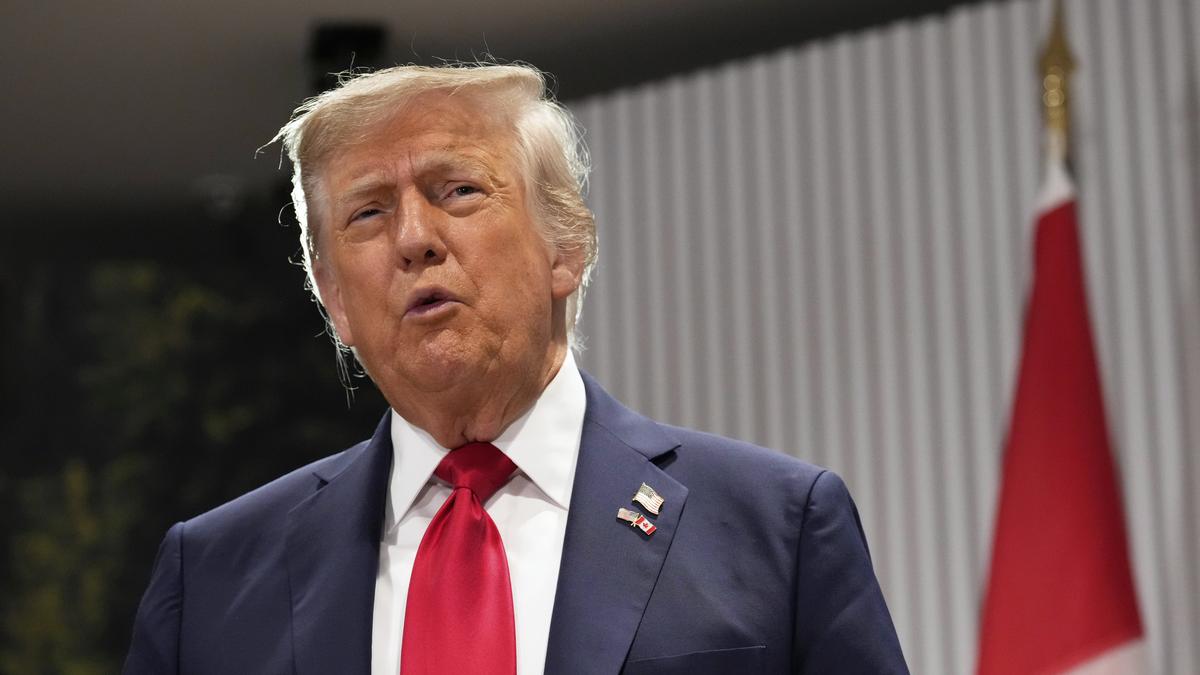
On June 12, U.S. President Donald Trump called on Israel, America’s closest ally in West Asia, not to strike Iran. “We are fairly close to a pretty good agreement,” Mr. Trump said, referring to a possible deal on Iran’s nuclear programme. The U.S. was still in talks with Iran. And both countries were scheduled to meet for the sixth round of dialogue in Muscat on June 15. “I don’t want them [Israel] going in, because I think it would blow it,” said Mr. Trump about the possible impact of an Israeli strike on the talks with Iran. Within a few hours, Israel launched its biggest air strike in Iran, hitting the Natanz nuclear facility and multiple missile sites, and assassinating the Islamic Republic’s top Generals.
Immediately after the strike, U.S. Secretary of State Marco Rubio said the U.S. was not involved. “We are not involved in strikes against Iran and our top priority is protecting American forces in the region. Let me be clear: Iran should not target U.S. interests or personnel,” he said. The attack raised questions on whether Israel went ahead against the wishes of the Trump administration.