‘There was tension with the National Front and swastikas on walls. So I’m proud the album is an outsider classic – but feel depressed these songs are still relevant’
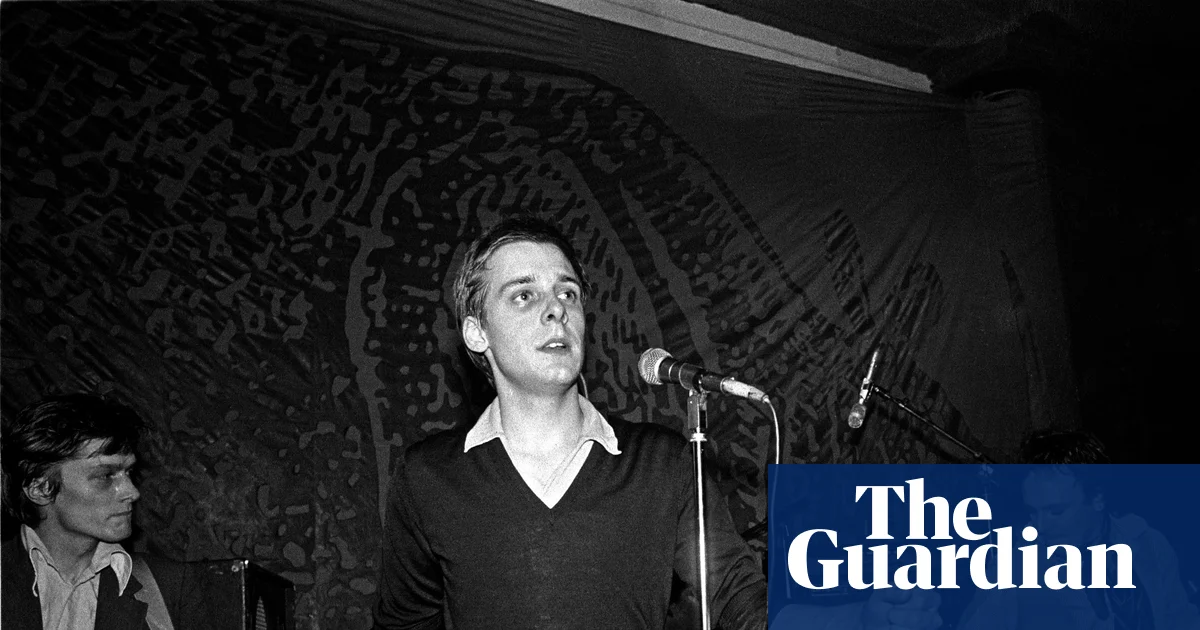
I grew up in a really boring village in Kent, so moving to Leeds as a student was thrilling. It was an A-list place to see gigs. On the other hand, the buildings were as black as soot, the Yorkshire Ripper was around and you could feel the tension between the National Front and the south Asian community. I saw swastikas on walls and on an anti-NF march I was hit with a truncheon by a mounted police officer. So I gradually came up with the modest ambition to change the world.
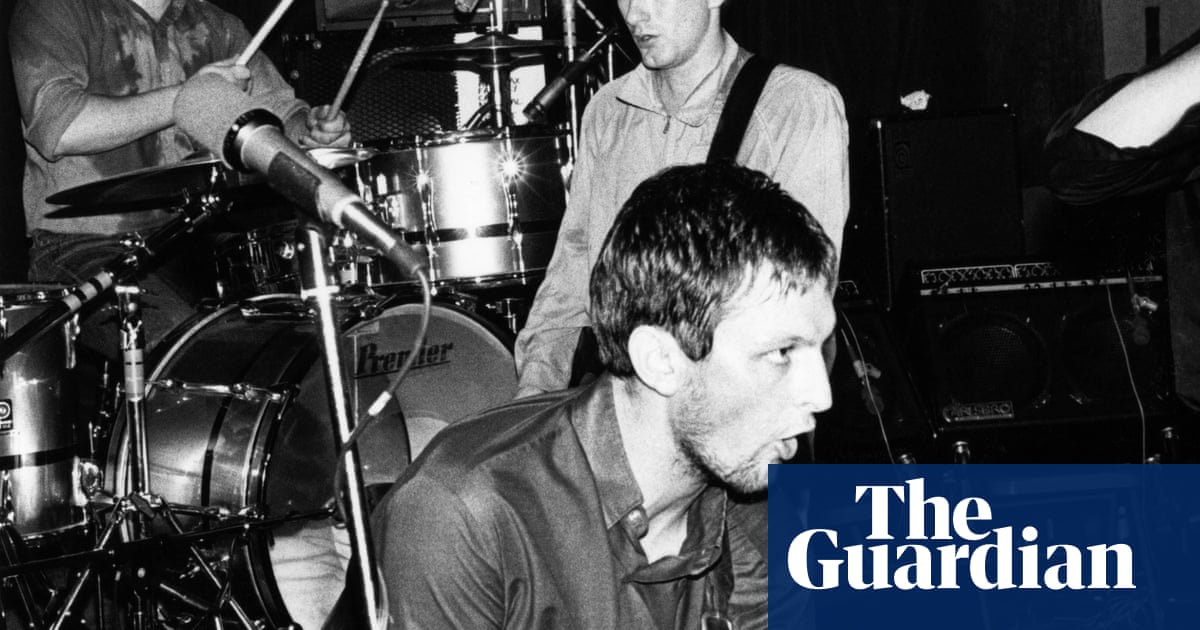
I had known Andy Gill, our guitarist, since primary school. We were like brothers but also chalk and cheese. Musically, the four of us in the band never let each other off the hook – which sometimes resulted in actual fights. That tension fed the music. Andy wasn’t a trained guitarist but had this genius way of flicking his fingers and stabbing at the instrument like it was his personal enemy, which would become hugely influential. We’d started as a knock-off Dr Feelgood, but once we came up with Love Like Anthrax we realised we had to dump all the other songs and write more like that. Then Damaged Goods opened the floodgates – we brought funk to punk.