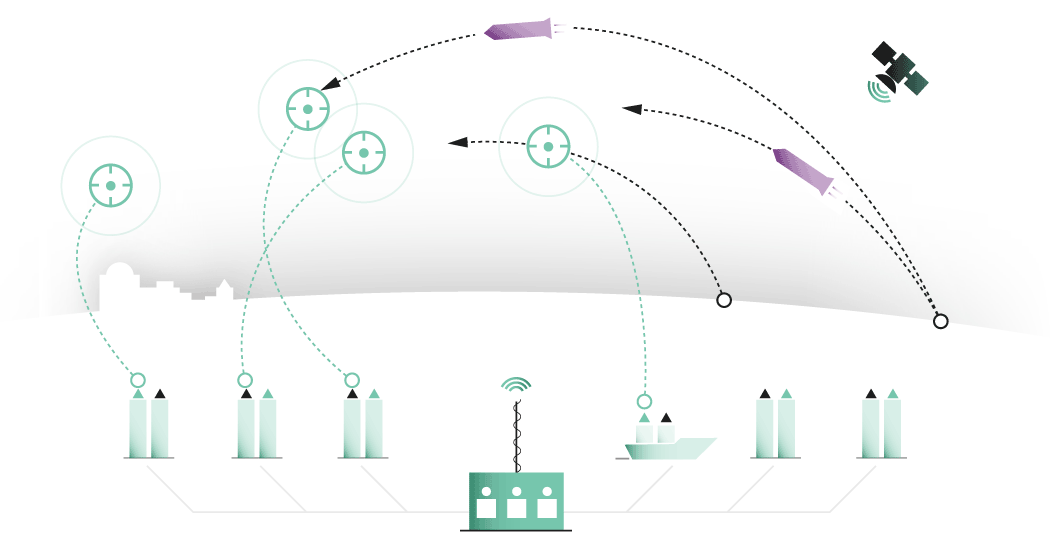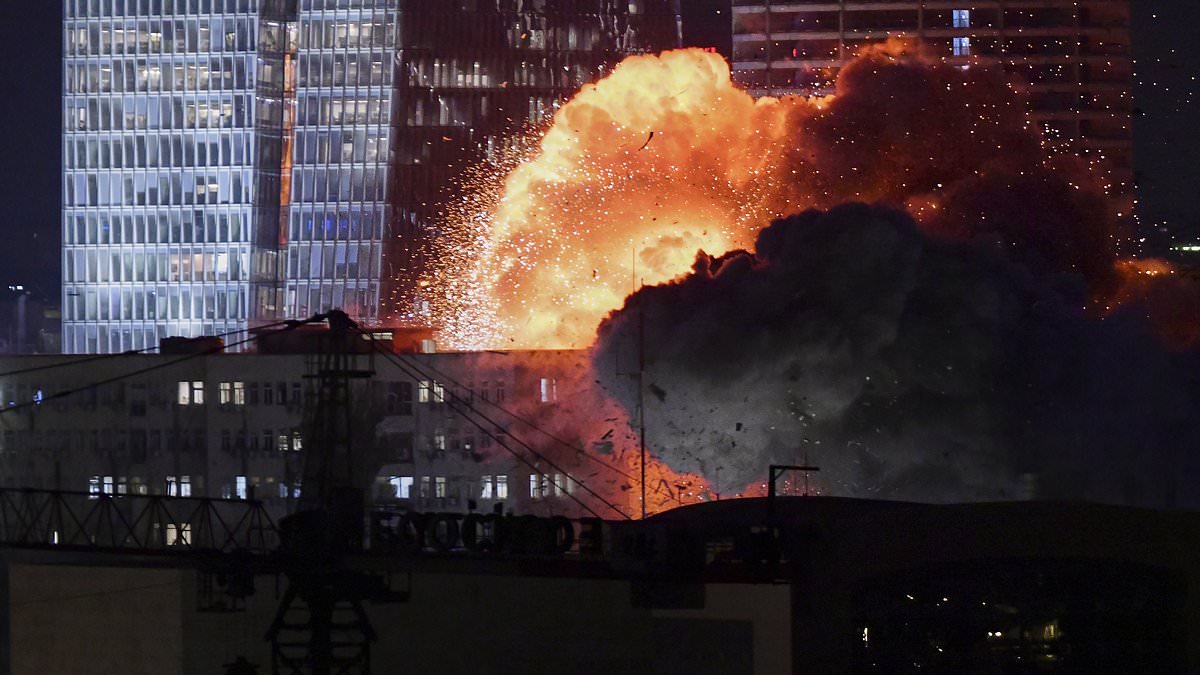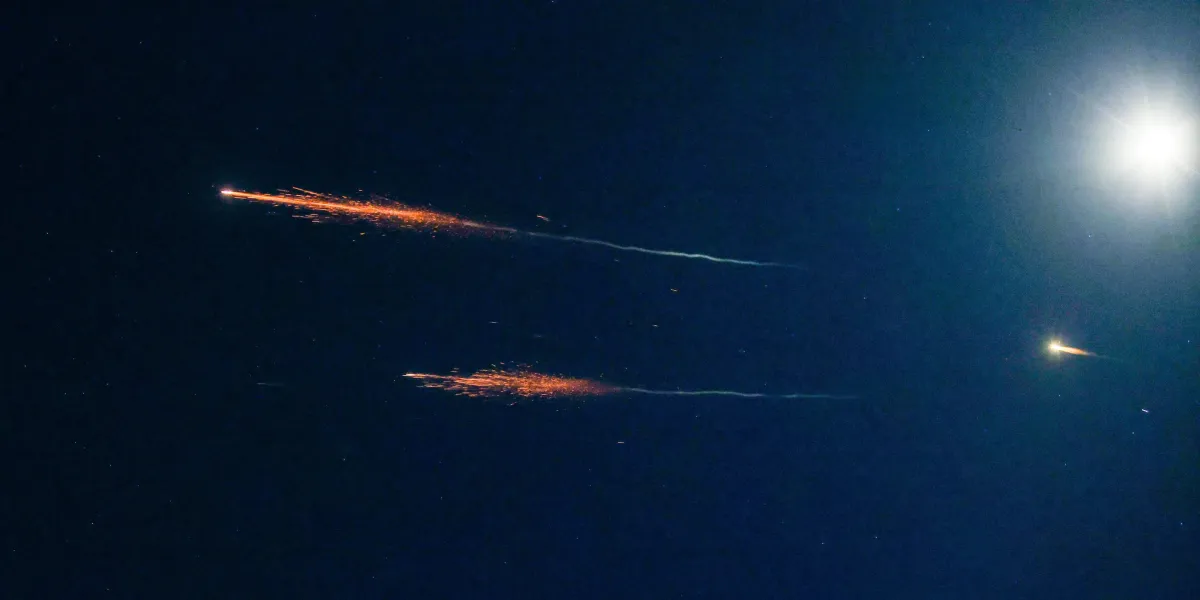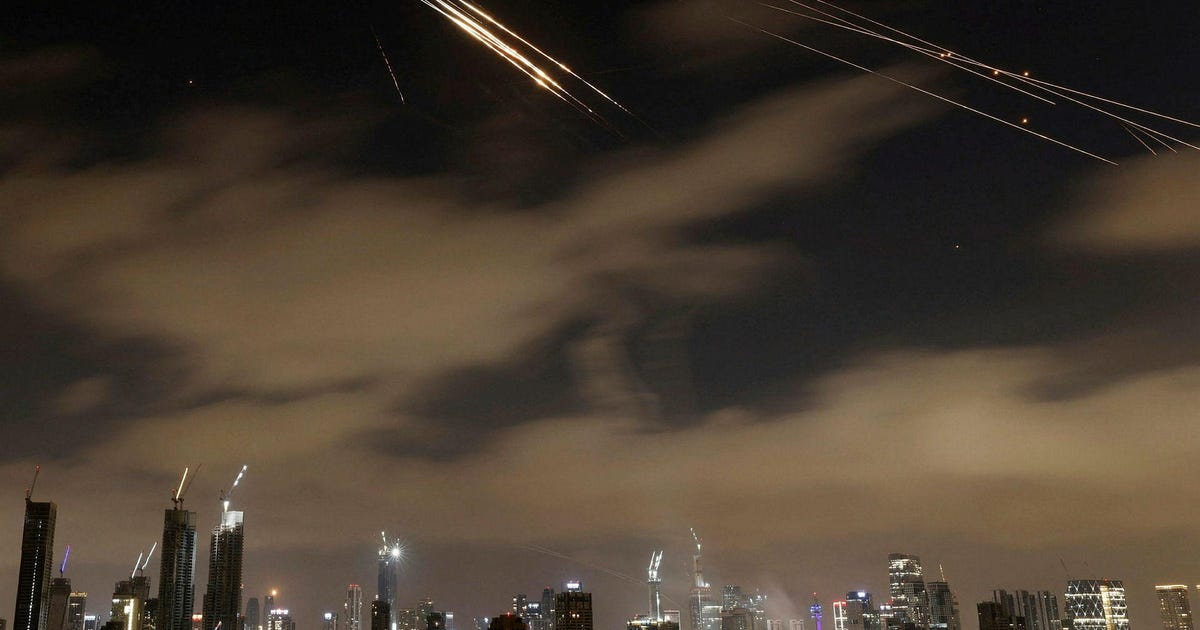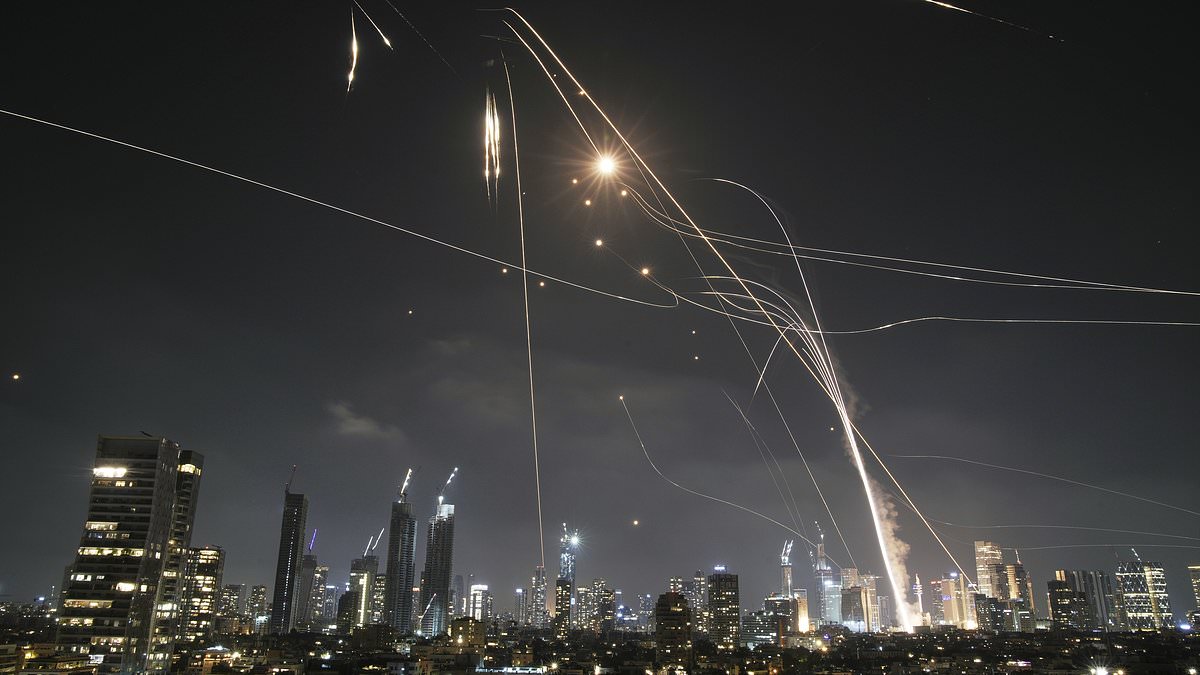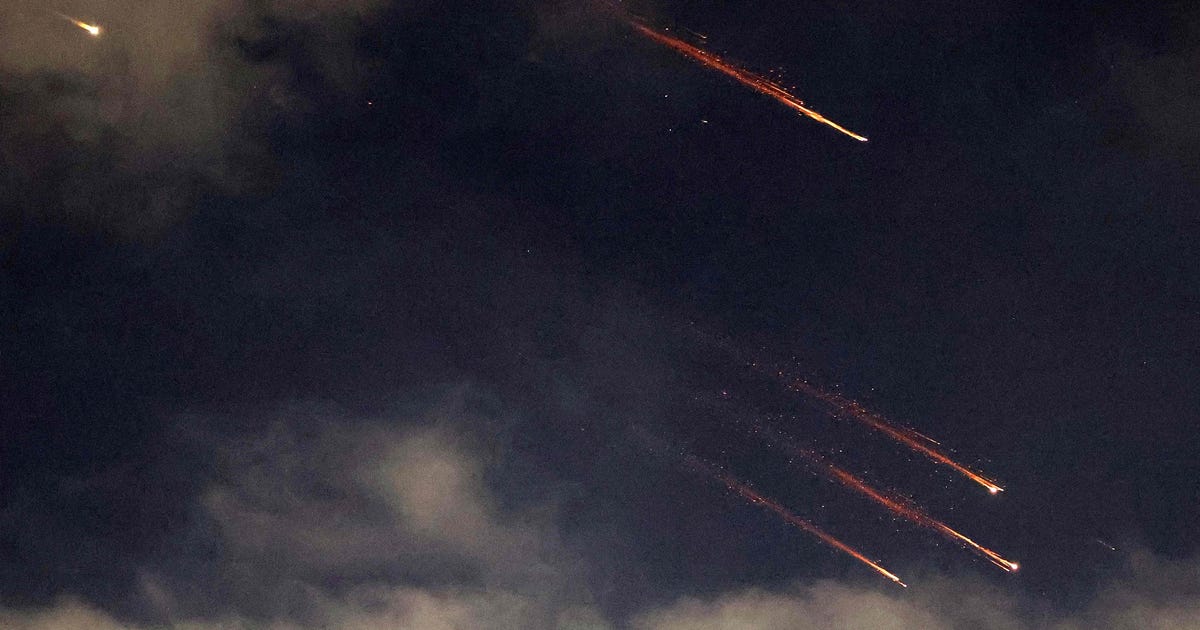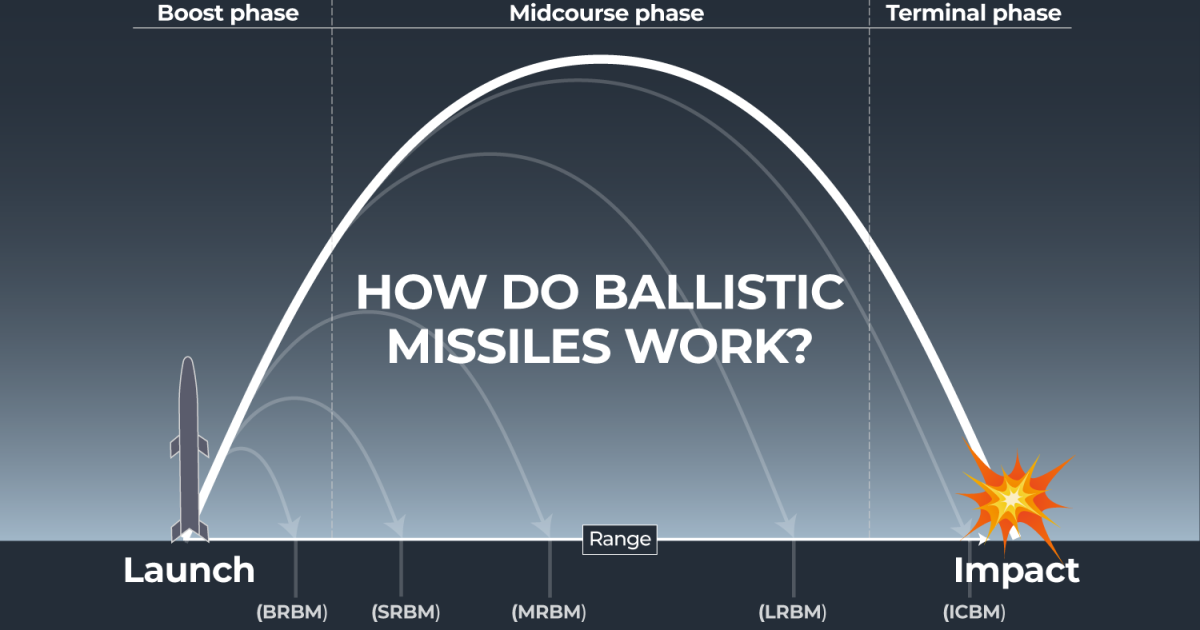
In response to Israeli attacks on its nuclear sites and senior military figures, Iran has launched hundreds of ballistic missiles towards Israel, with some striking targets on the ground.Although Israel intercepted many of the incoming missiles, several breached its defences, causing significant damage and casualties, including hits on central Tel Aviv and other areas.The exact size of Iran’s ballistic missile arsenal is unclear, but it is widely considered one of the largest and most advanced in the region.In the following visual explainer, Al Jazeera unpacks how ballistic missiles work and how they are being used in the ongoing conflict.How do ballistic missiles work?Ballistic missiles are long-range weapons designed to deliver conventional or nuclear warheads by following a ballistic, or curved, trajectory.Launched using powerful rocket engines, these missiles shoot upwards into the upper atmosphere or even space, travelling at incredibly high speeds. Once their engines are cut off, the missile follows a predetermined path, re-entering the Earth’s atmosphere in a steep descent before striking its target.How far can they travel?Ballistic missiles can travel distances ranging from a few hundred kilometres to more than 10,000 kilometres across continents.Ballistic missiles are classified based on their ranges:
How do ballistic missiles work and what’s their range?
Ballistic missiles are long-range weapons designed to deliver conventional or nuclear warheads at great speeds.
759 words~3 min read