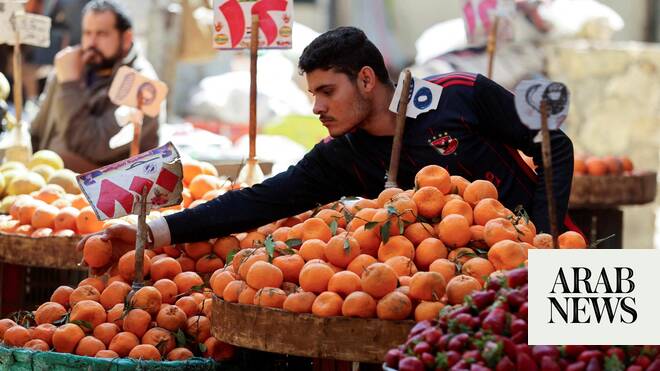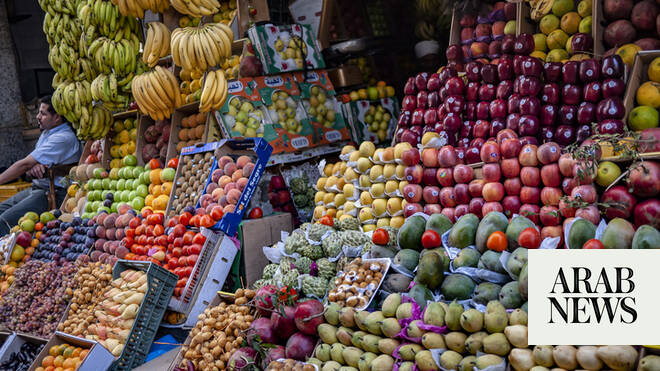
RIYADH: Egypt’s annual urban headline inflation rate rose to 16.8 percent in May, up from 13.9 percent in April, driven primarily by continued non-food price pressures, according to official data.
Released by the Central Bank of Egypt, the analysis pointed to a renewed uptick in food prices and challenging base effects, as the same period last year saw negative inflation.
These inflation trends come as Egypt’s broader economic landscape continues to be shaped by both domestic and global pressures. The government is navigating a delicate recovery amid external shocks, ongoing structural reforms, and efforts to manage public debt. Despite signs of resilience in credit and growth, inflation remains a key concern for both policymakers and households.
This backdrop helps explain Moody’s February decision to affirm Egypt’s Caa1 long-term foreign and local currency ratings with a positive outlook, citing improved prospects for debt servicing.
It also aligns with the country’s reported real gross domestic product growth of 3.9 percent in the first half of the current fiscal year, a signal of economic resilience, according to Prime Minister Mostafa Madbouly in May.