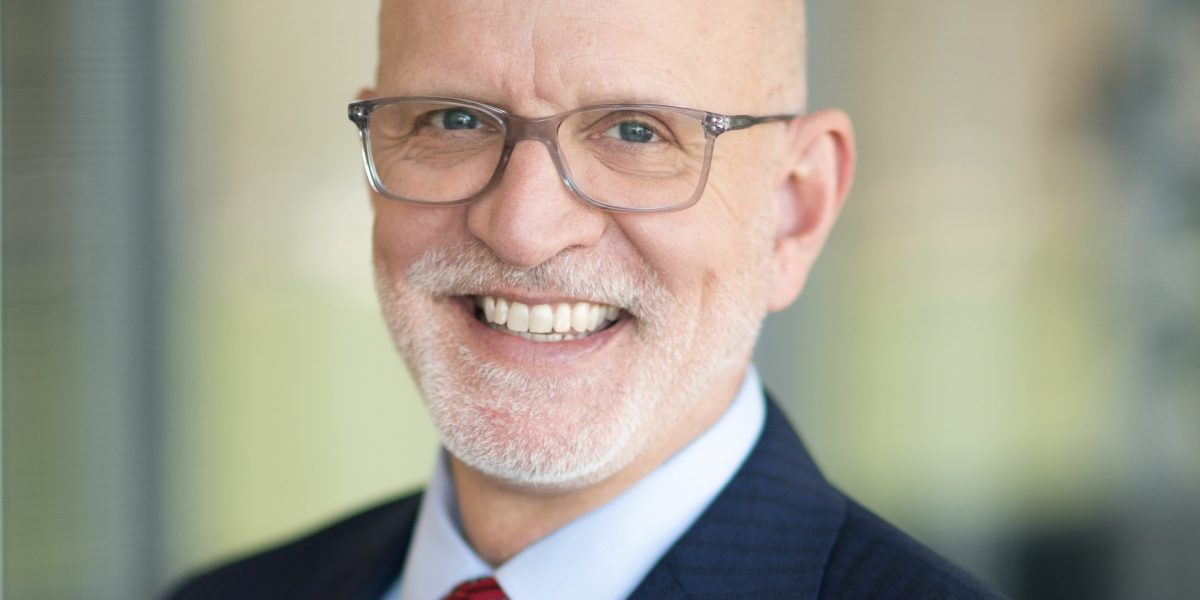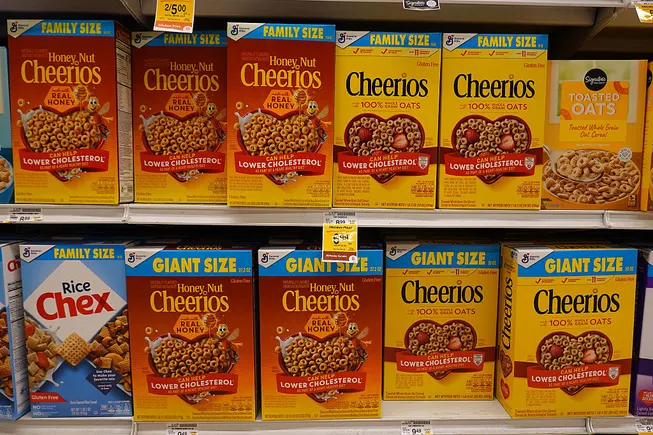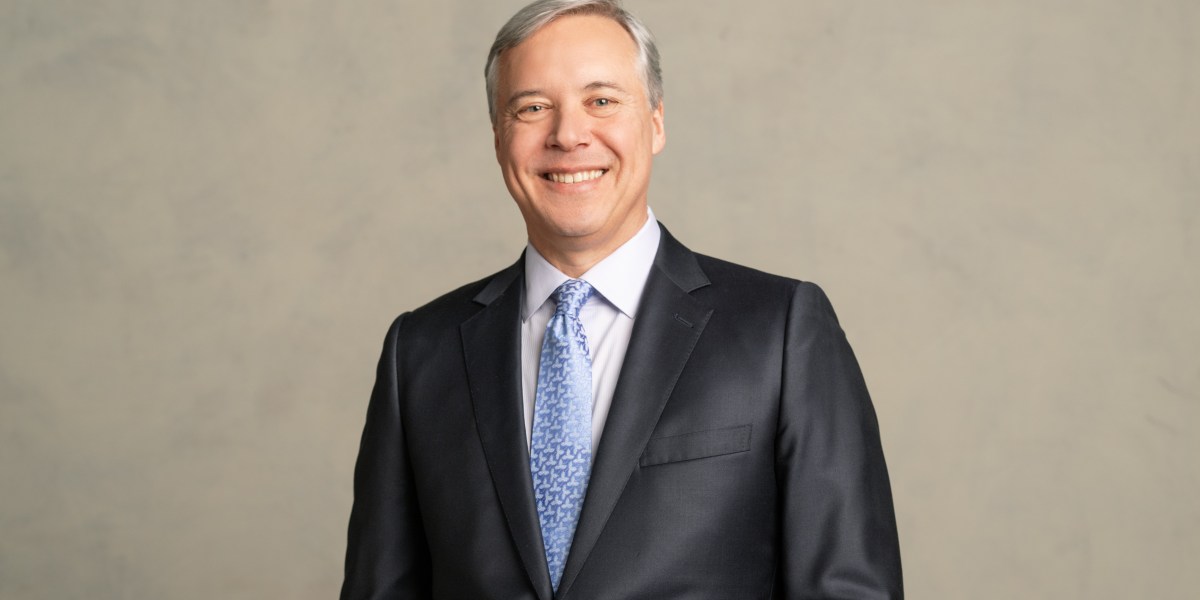
Good morning. When General Mills CEO Jeff Harmening thinks about sustainability, he looks at the millions of acres of farmland where his company sources wheat, oat, dairy, and other crops. “If we don’t do something different, in about 2050, 90% of topsoil will be in danger,” Harmening told me at a dinner that Fortune held with sponsor Deloitte for sustainability leaders in Minneapolis. The good news is that General Mills is more than 60% of the way to achieving its goal of advancing regenerative agriculture—farming practices that regenerate degraded soil—on a million acres of land by 2030. “We’re, frankly, ahead of where we thought we’d be.”
That’s cause for hope in otherwise challenging times for leaders who care about sustainability. At a global level, we’re on track to achieve only 17% of the UN’s sustainable development goals by 2030. Nationally, we’ve seen a rollback with the U.S. withdrawal from the Paris Climate Agreement, dismantling of key agencies, and the EPA decision to repeal limits on greenhouse gas emissions.
But the private sector is stepping up, with many of the leaders at our dinner giving examples of how sustainability initiatives not only protect but grow their businesses. As one attendee said: “Regulations move the laggards, not the leaders.” (The table conversation was under Chatham House rules.)