Trump’s army parade was neither the totalitarian North Korean spectacle that critics had grimly predicted, nor the triumph of Maga nationalism fans craved
O
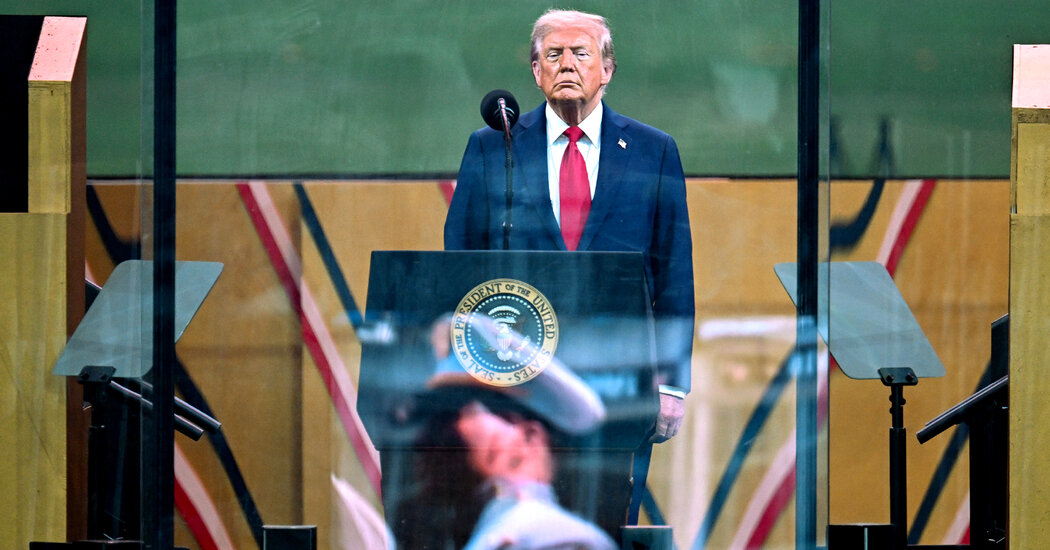
n Saturday, as a crowd of thousands of people near the Washington Monument listened, a loudspeaker dramatically announced the names of the US secretary of defense, vice-president and president. The final name received a modest roar that surely flushed the watching commander-in-chief with validation. With that, and with the boom of a 21-gun salute, the military parade that Donald Trump had coveted for years finally began.
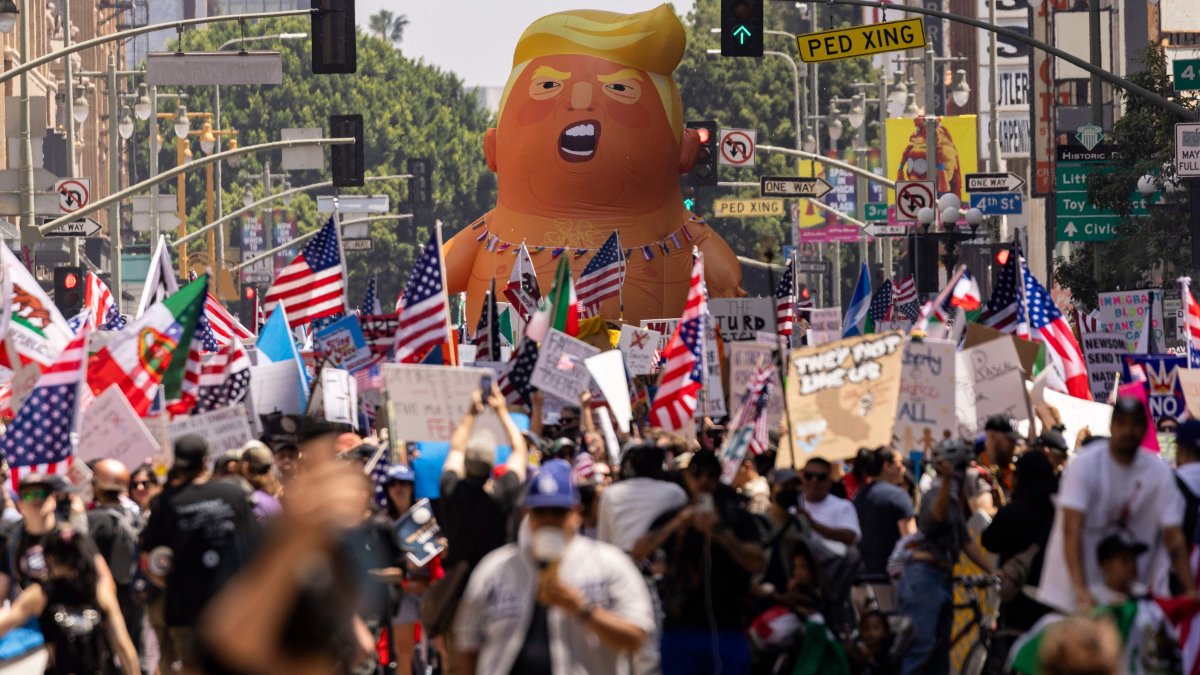
A protester, Nicky Sundt, kept a lonely and mostly silent vigil at the side of the road. She held a sign depicting a cartoon Trump brushing back his comb-over to reveal a swastika emblazoned on his forehead. The placard said “Save our democracy”. Standing near her – as a “counterprotest to the counterprotest to the protest, or something,” as one of them put it – a group of pro-Trump men held court. One was draped in an American flag. Another had a giant picture of Trump, in a crown, with the exhortation “Trump for king”.
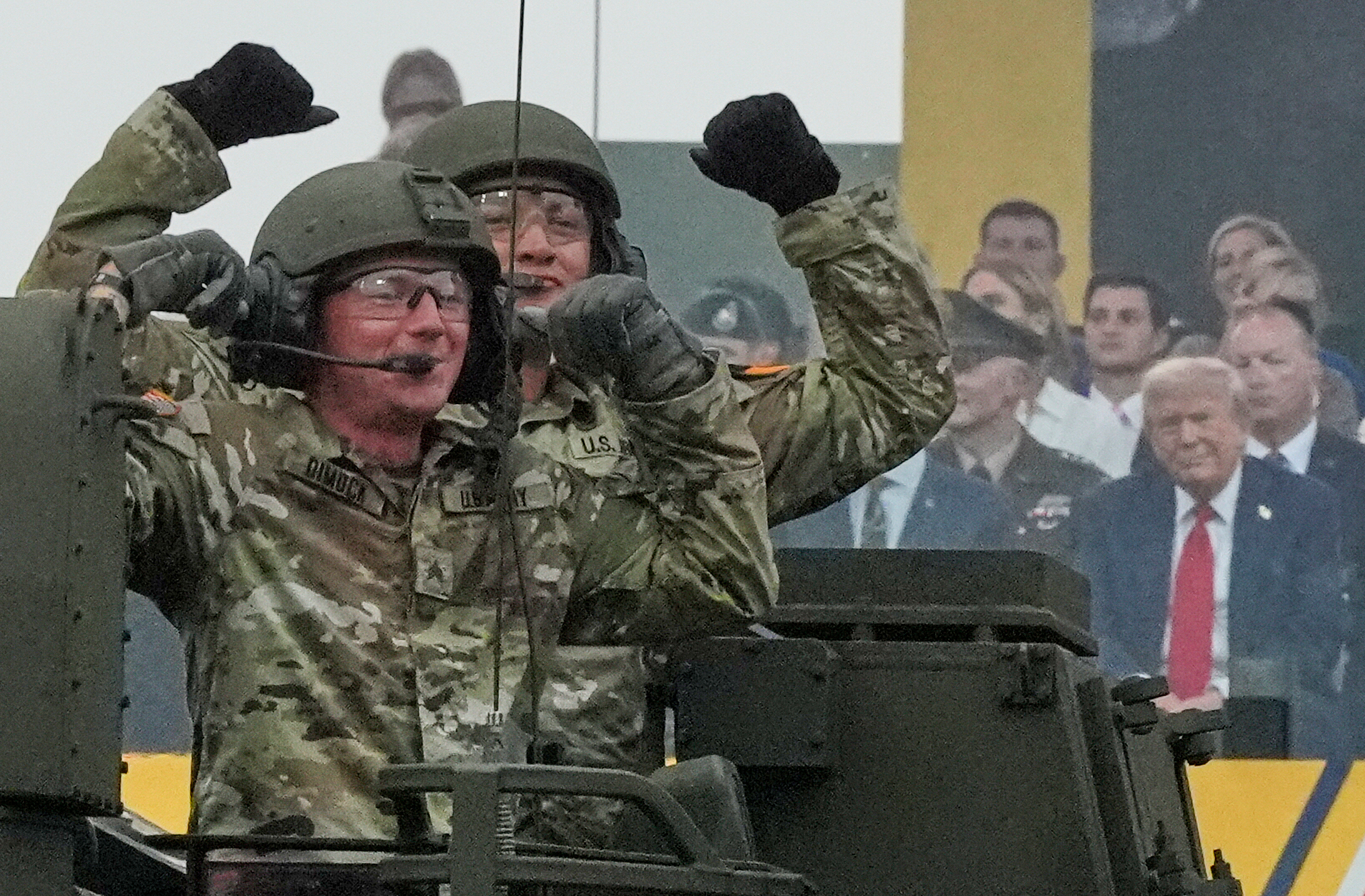
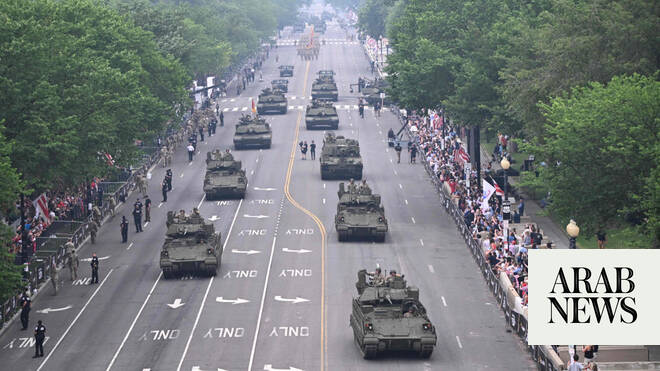
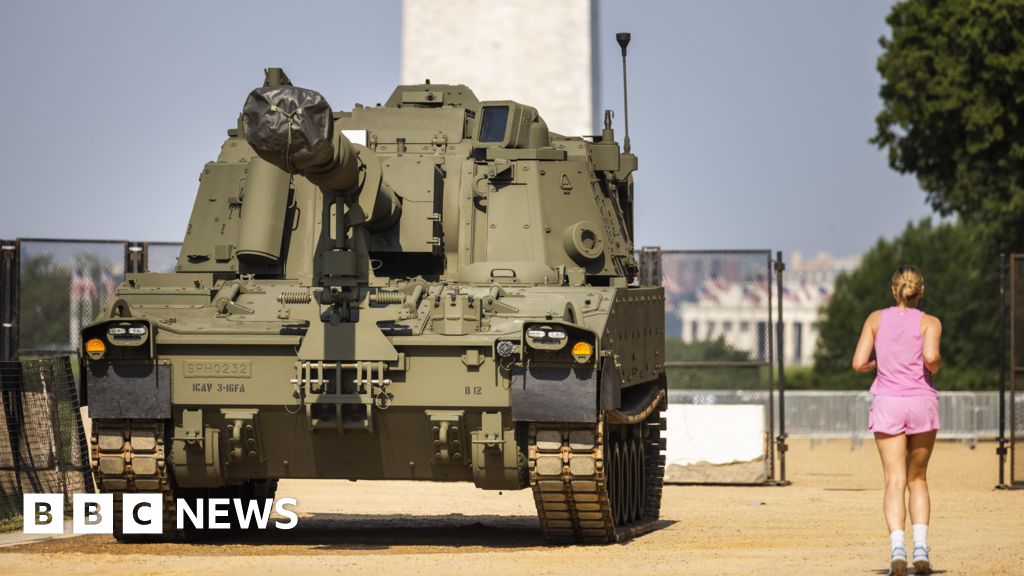
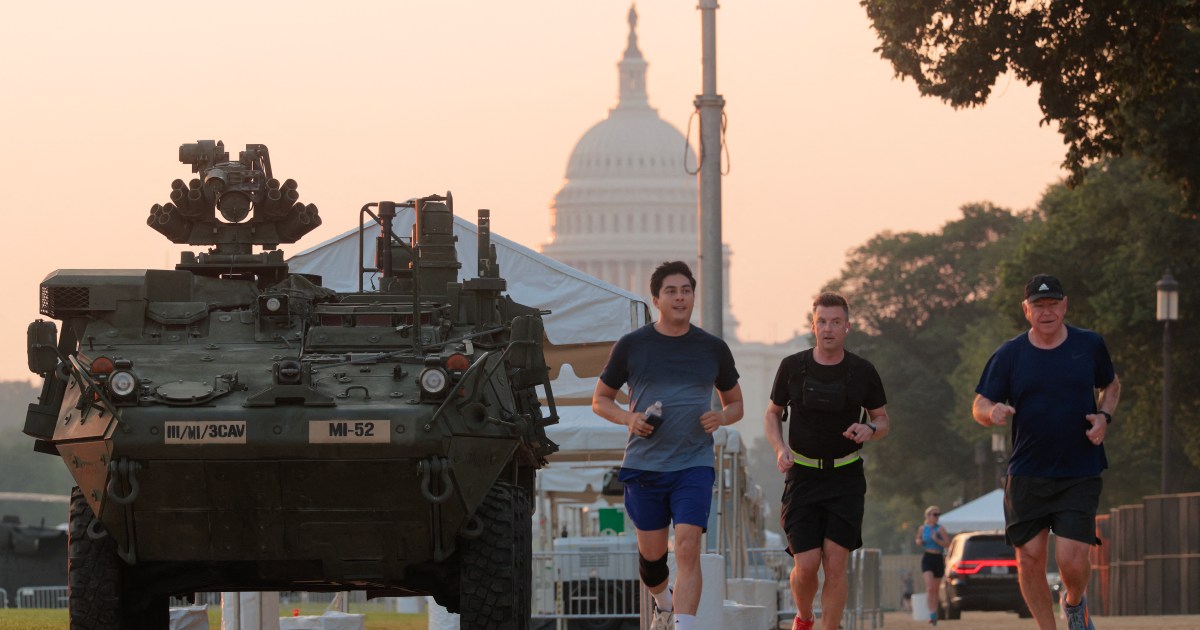
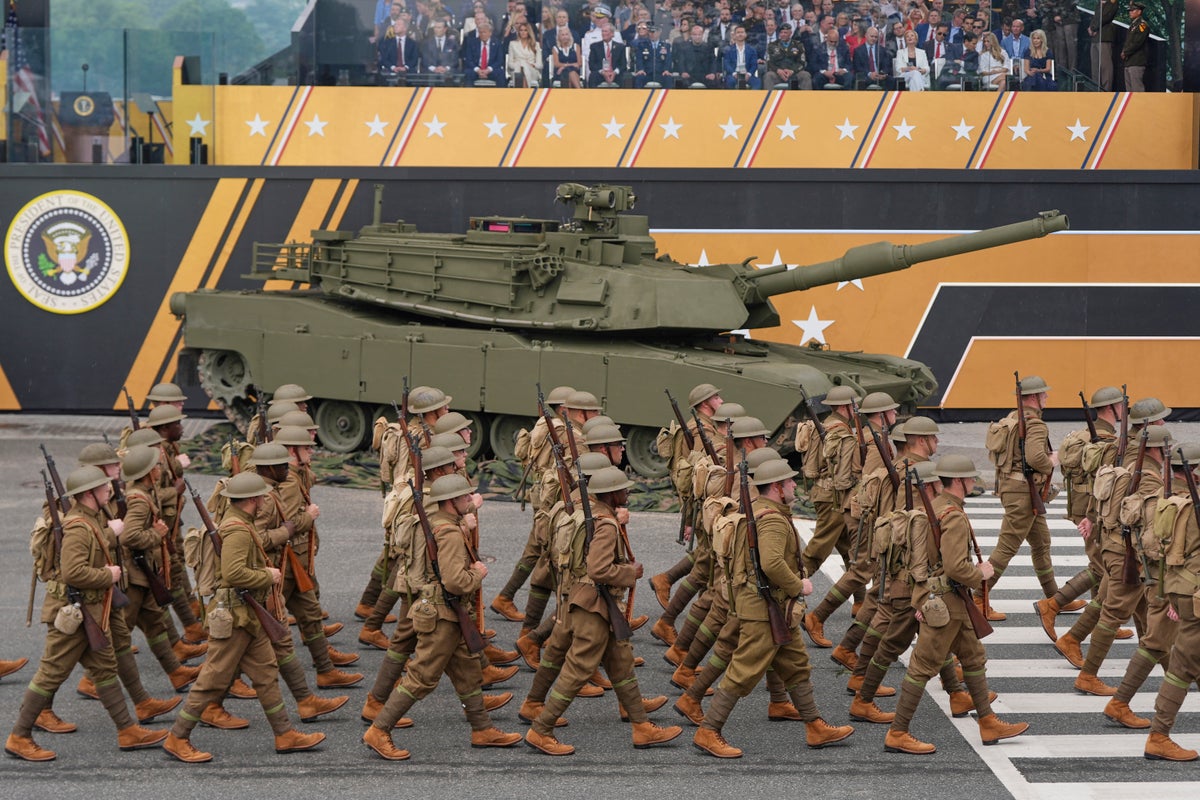
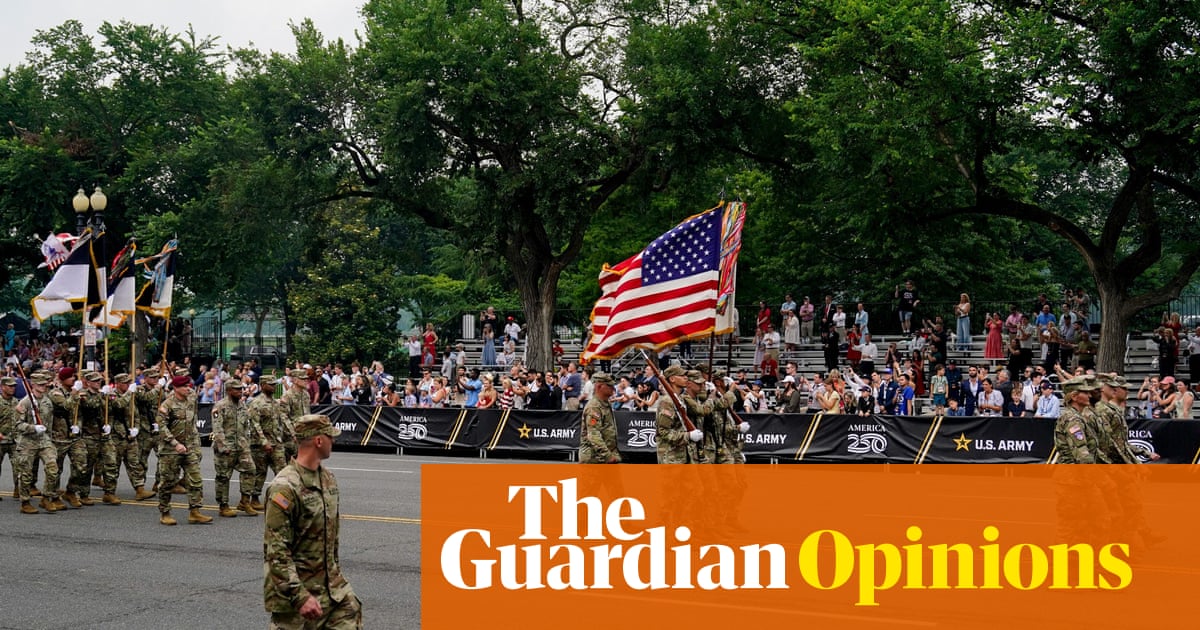
For the next couple of hours, in heat and occasional drizzle, spectators watched as the US army celebrated its 250th birthday – and, although he claims it is a coincidence, Trump’s 79th – with America’s largest and most controversial military parade in decades. Troops marched. Tanks and armored personnel carriers rolled. Helicopters clattered. Paratroopers plunged out of the overcast sky.