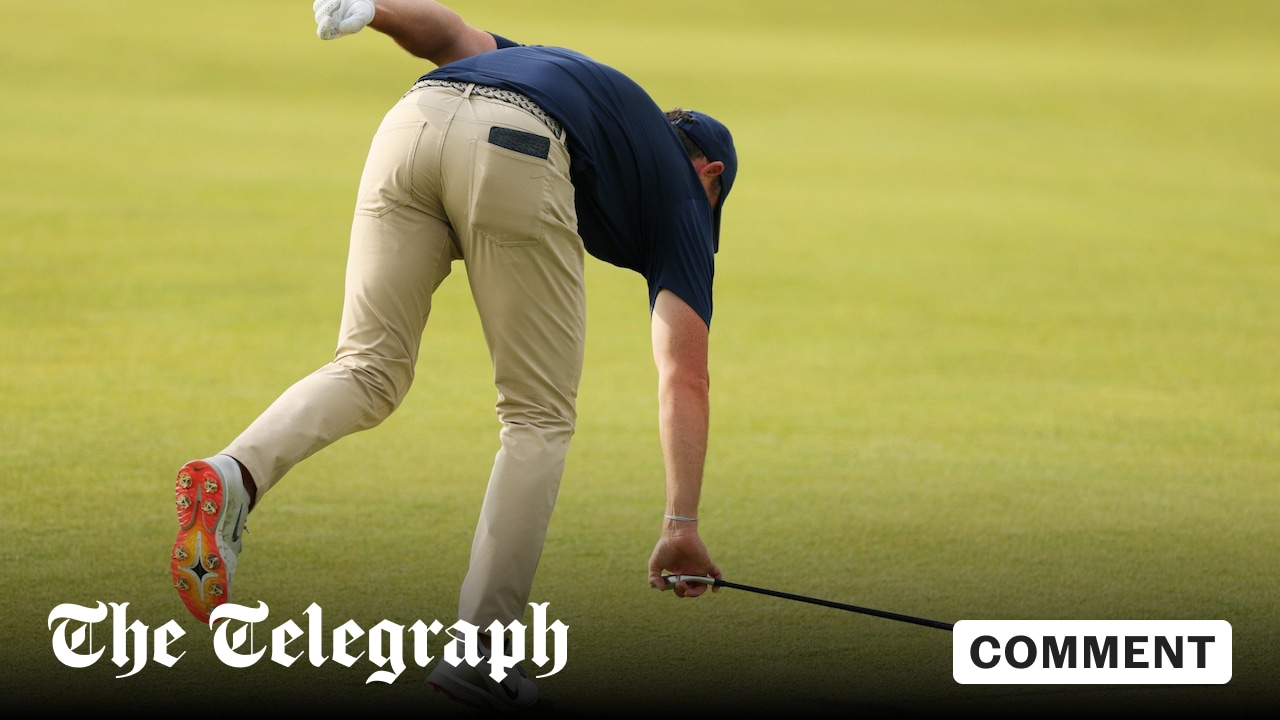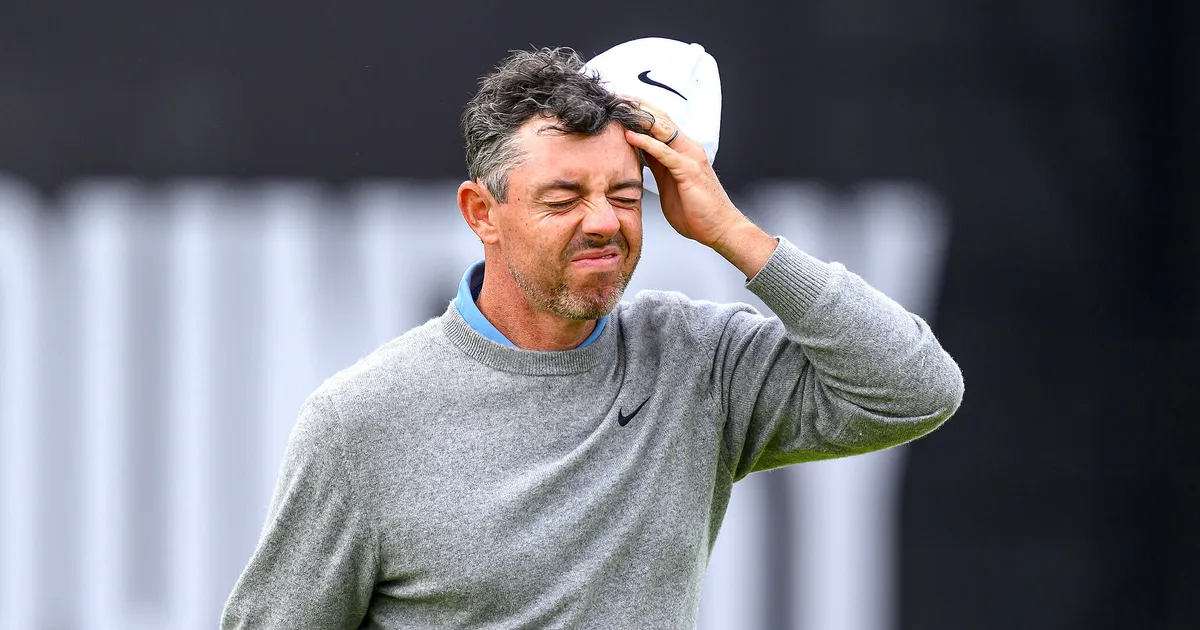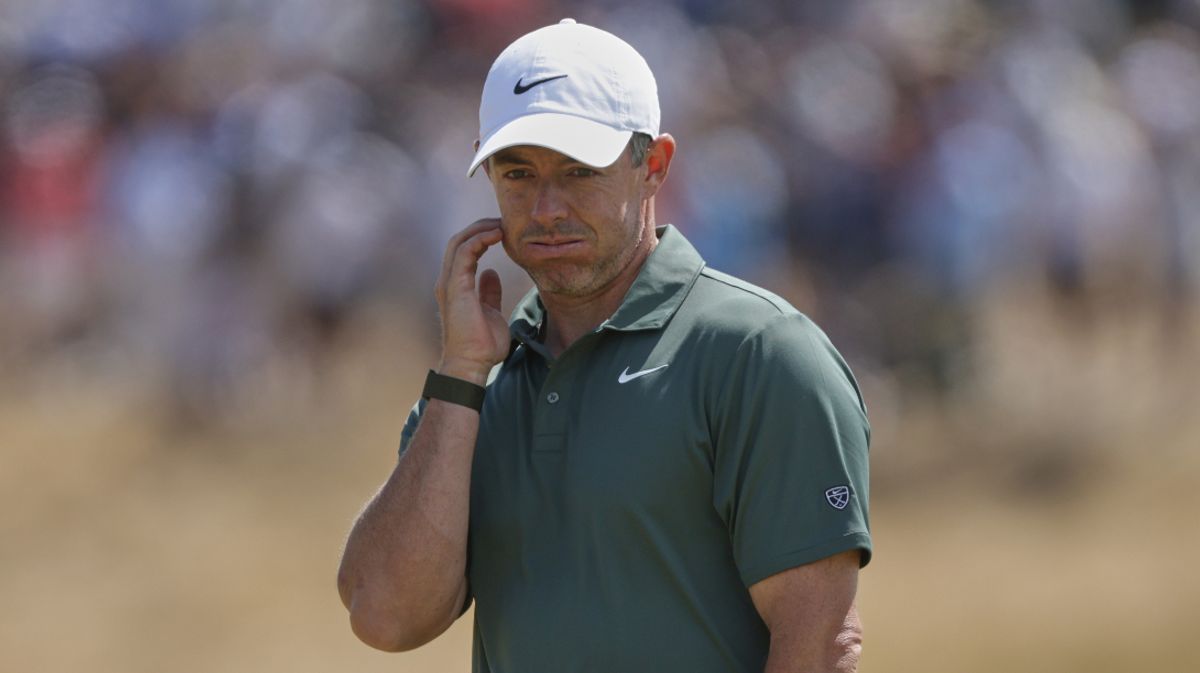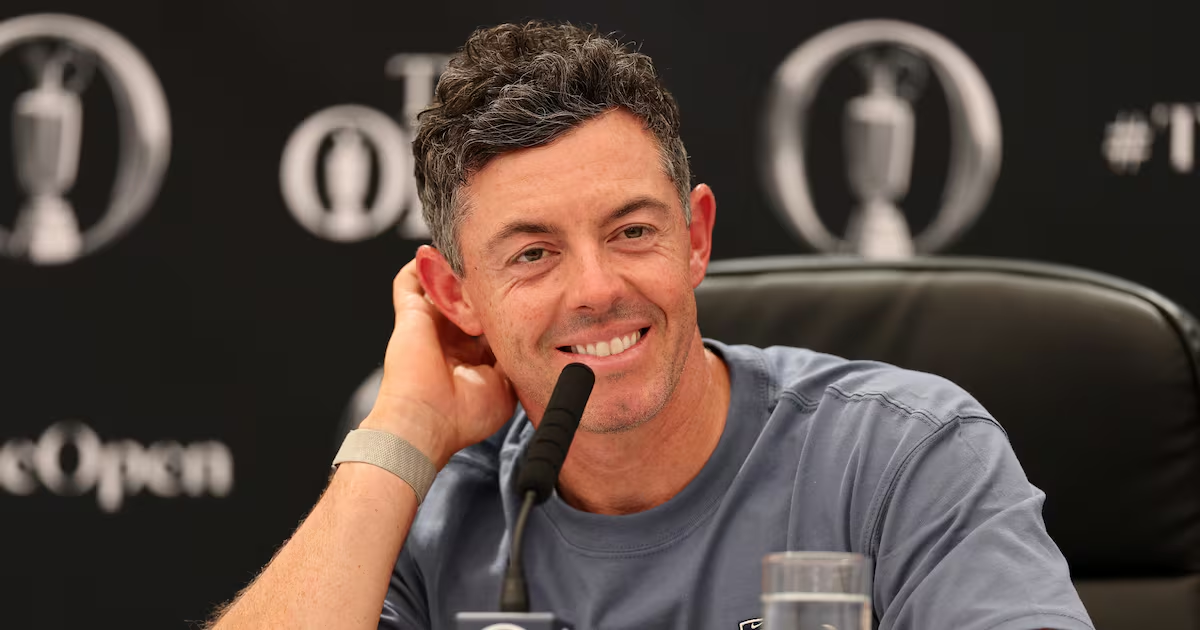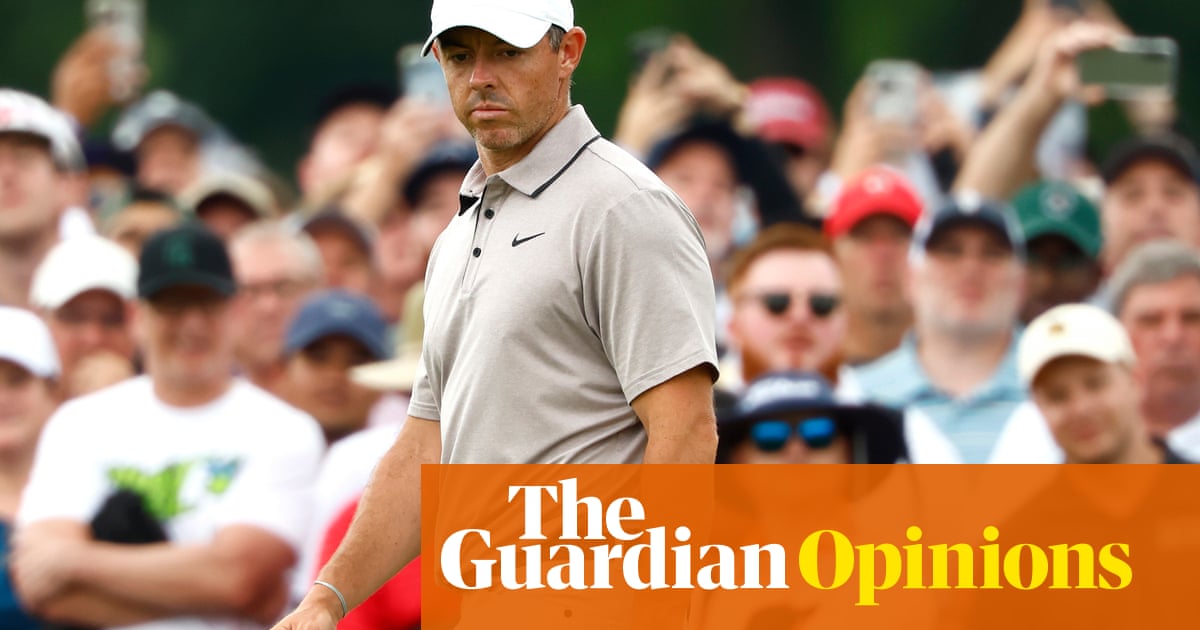
Golfer has seemed irritated by elements of the media since completing the career grand slam but is that really a big deal?
A
snapshot of Rory McIlroy’s new normal arrived the day before the US PGA Championship began. McIlroy’s practice round at Quail Hollow was watched by more than 50, inside the ropes. Journalists, content creators, wannabe content creators … everyone wanted not just a glimpse – you can get that from the bleachers – but a piece of golf’s latest grand slam man. McIlroy played a hole while being interviewed for the tournament’s main preview show. All soft, knock‑around stuff but inevitably a distraction.
It was difficult to shake the notion that Tiger Woods would never have tolerated such a scenario. It is also thankfully a truism that McIlroy is not Tiger Woods. The Northern Irishman’s chatty, warm personality endears him to so many. In a non-tribal sport people root for Rory, none more so than at Augusta National when more than a decade of frustration ended amid euphoric April scenes. Hardened men shed tears in a media centre, no less.
In Pittsburgh, you needn’t go far to encounter complaint at the long‑term decline of the Pirates. Even an iconic ballpark cannot pull in the masses any more. A few miles away at Oakmont, golf’s chattering classes have a gripe of their own: Rory McIlroy and a refusal to engage as before with the media. It is a preposterous discussion on one level, as if four minutes of quotes after a 75 somehow affects McIlroy’s legacy as much as Masters glory. Yet it is also an intriguing one, if only when assessing why the 36-year-old turned mute.