Having a separate award was good for female novelists. Now a medical author is blazing a trail with a true story
F
emale nonfiction writers are paid less on average, receive fewer reviews and win fewer prizes than men. Unsurprisingly, this means that women sell fewer books. So far this year, more than 60% of titles on the UK’s hardback and paperback nonfiction bestseller lists have been by men.
Kate Mosse wants to change this. Famously, she set up the Women’s prize for fiction after there was not a single woman on the 1991 Booker shortlist. This year Ms Mosse’s award celebrates its 30th anniversary. With previous winners including Zadie Smith, Chimamanda Ngozi Adichie and Maggie O’Farrell, it has changed the publishing landscape to the extent that some suggest it is now redundant: last year, five out of the six books on the Booker prize shortlist were by women, and the winner was Samantha Harvey. Indeed, such is the pre-eminence of female novelists that there is talk of a crisis in men’s fiction, and plans for an independent publisher, Conduit Books, especially for male authors.
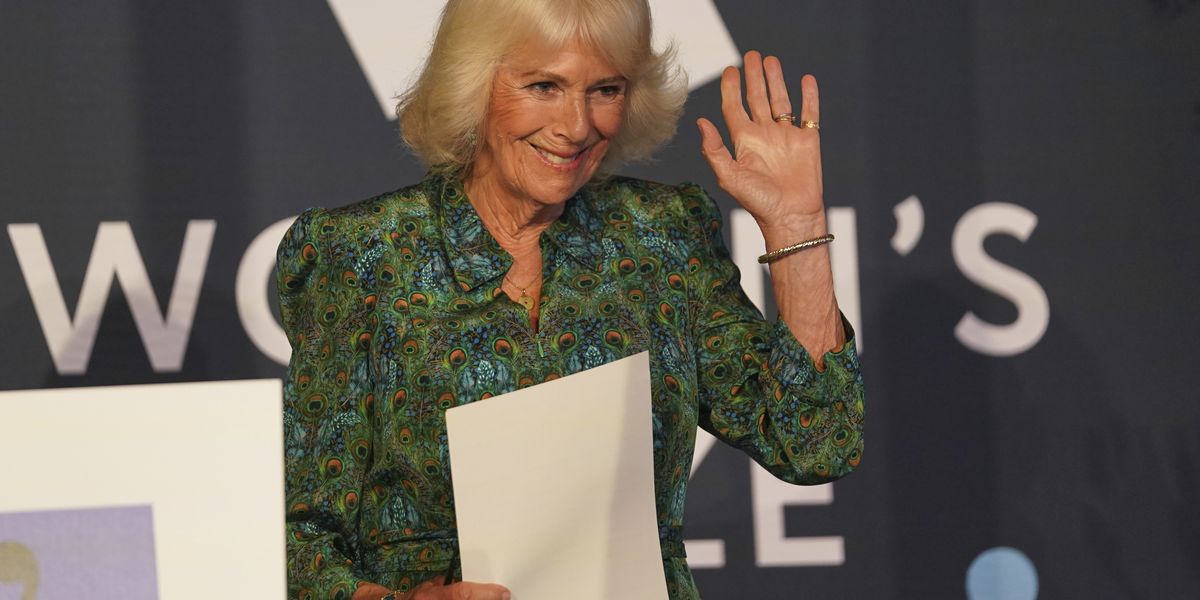
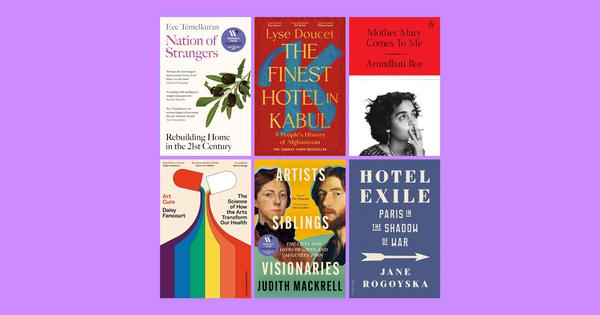
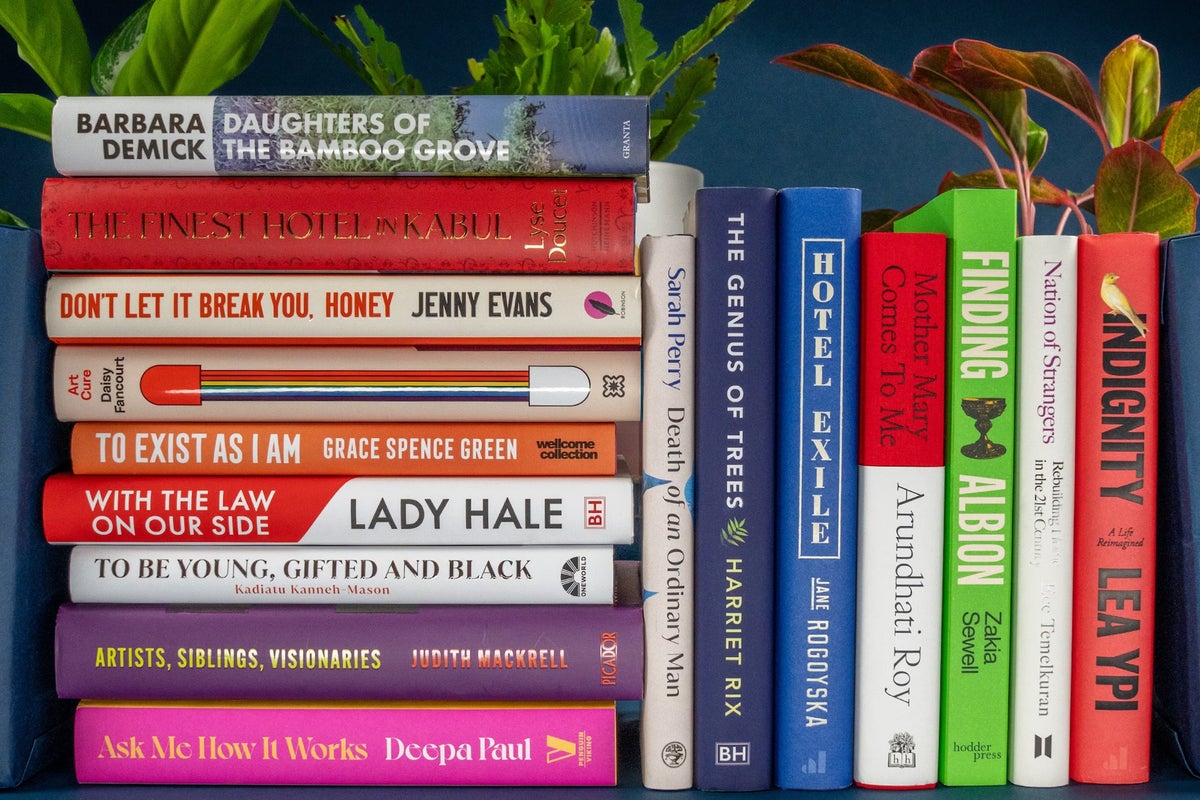
Nonfiction publishing, however, is a strikingly different story. Hence Ms Mosse’s latest project: the Women’s prize for nonfiction, which aims to do for female authors of serious narrative nonfiction what has already been achieved with fiction. Last year, Naomi Klein’s quasi-memoir Doppelganger, about conspiracy theories and truth in politics, was the award’s first winner. Last week, The Story of a Heart, by the doctor and writer Rachel Clarke, became the second, with her moving interweaving of the story of two children connected by a heart transplant with the history of heart surgery.