https://arab.news/ytg2h
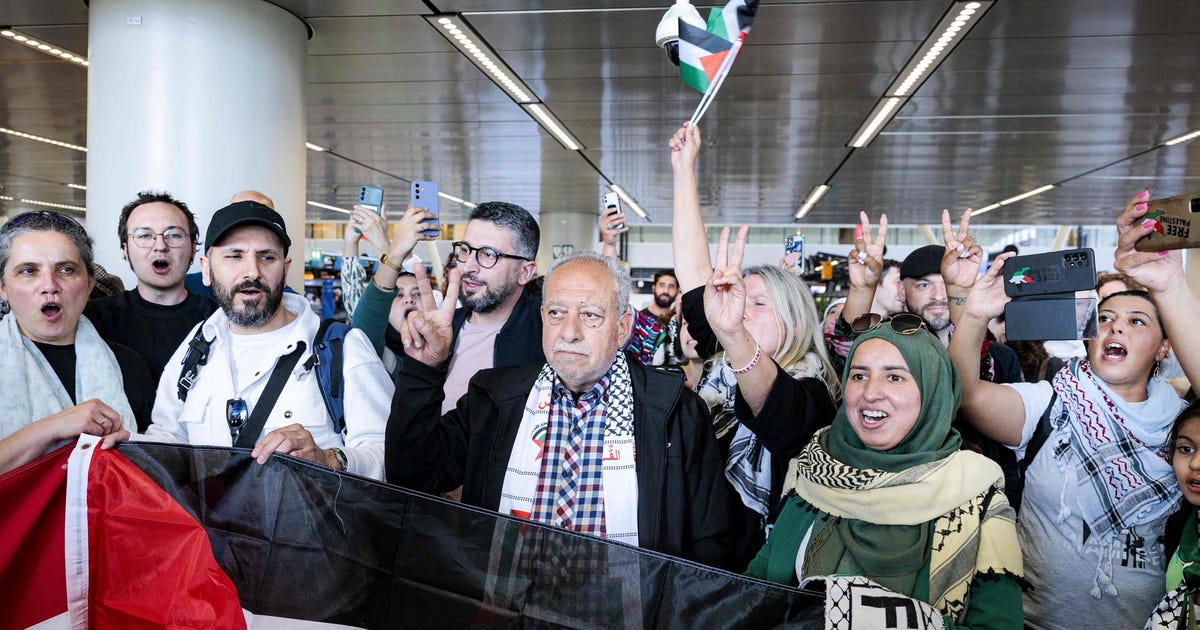
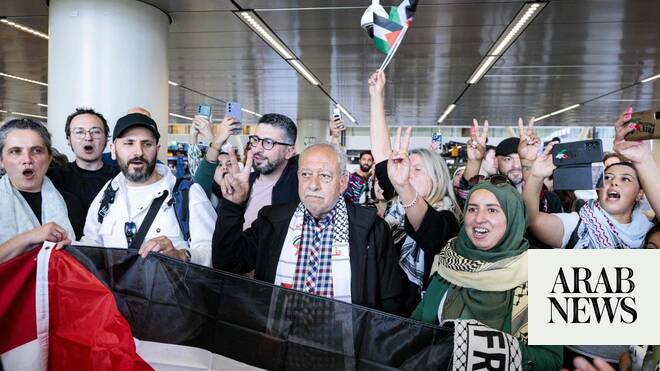
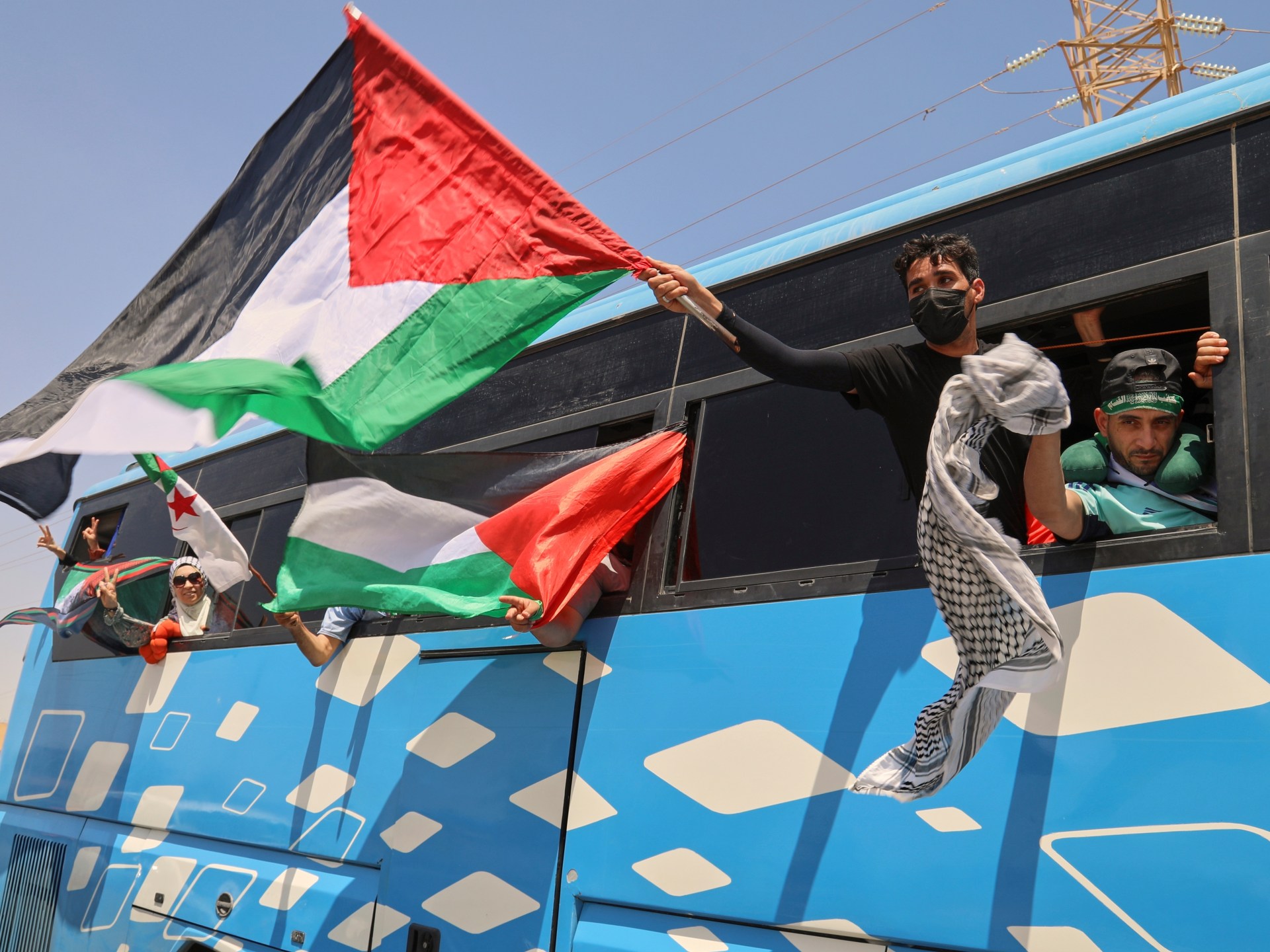
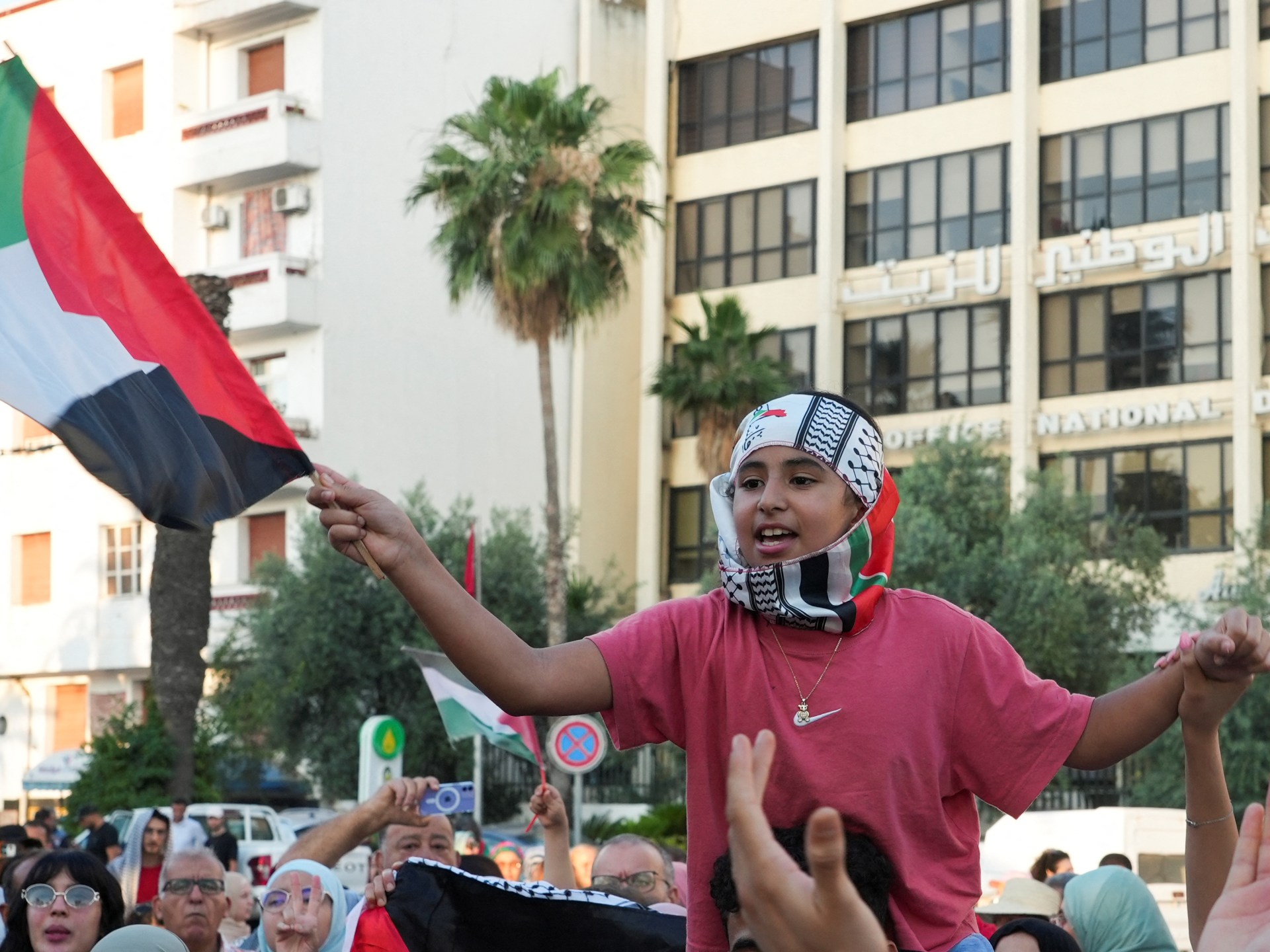
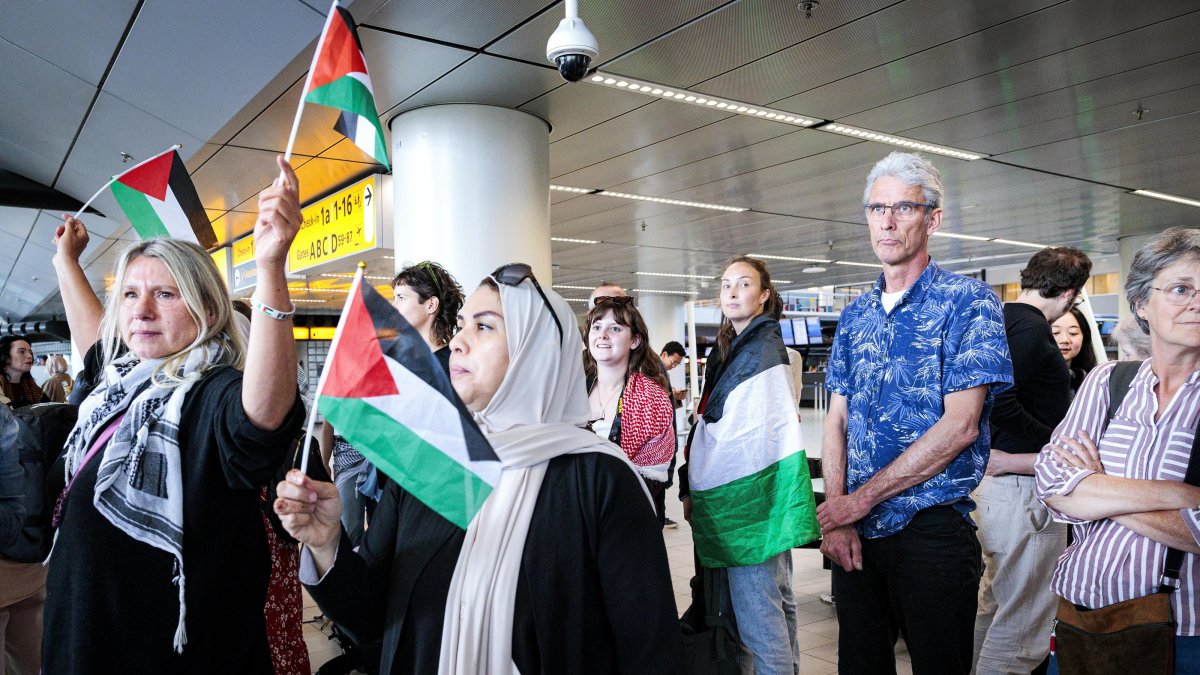
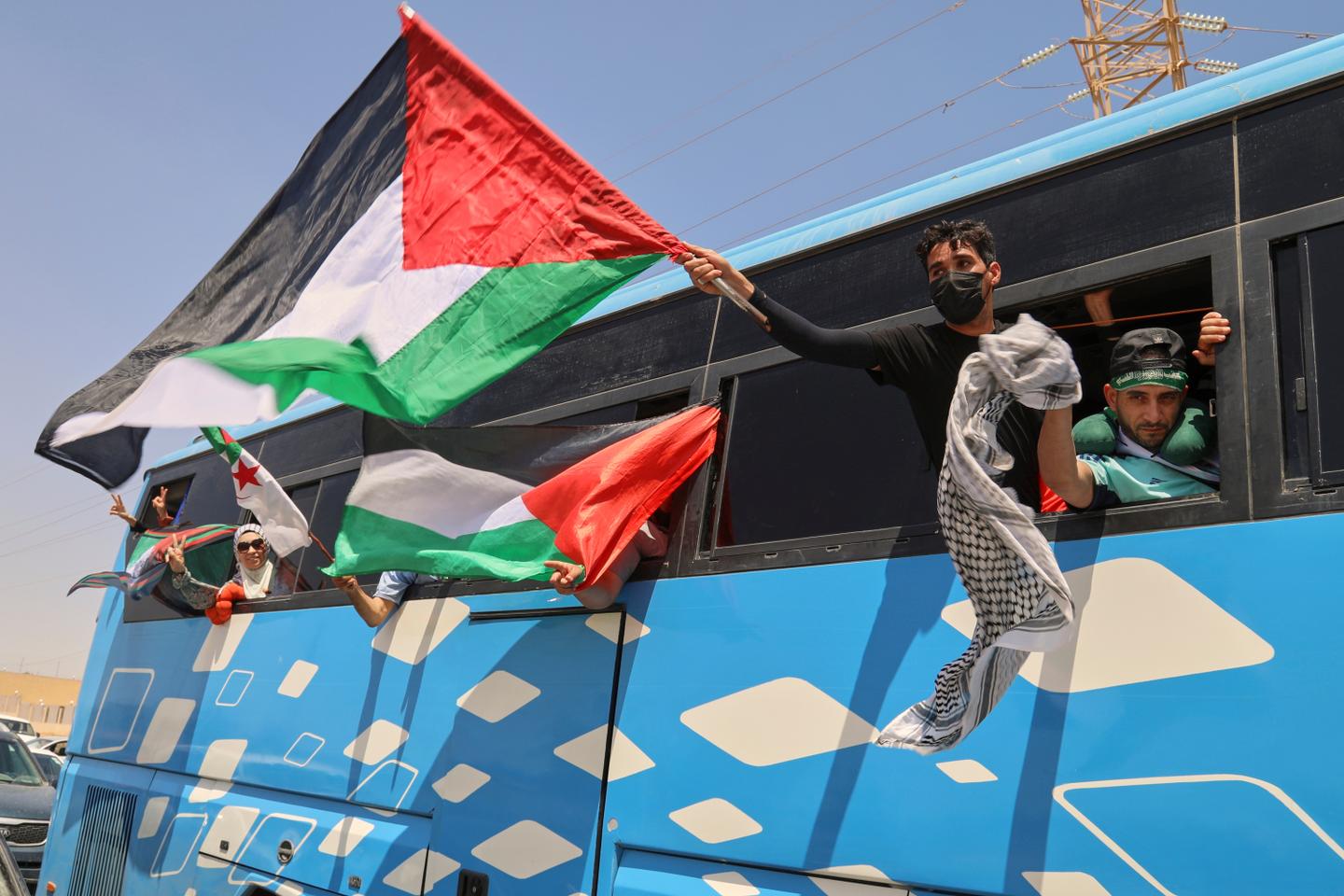
Thousands of activists arrived in Egypt in early June on a mission to march from North Sinai to the Rafah border crossing, demanding an end to Israel’s blockade on Gaza and the delivery of humanitarian aid. The Global March to Gaza brought together participants from over 40 countries, including the US, European nations, and North African states in a striking display of solidarity with the Palestinian people.
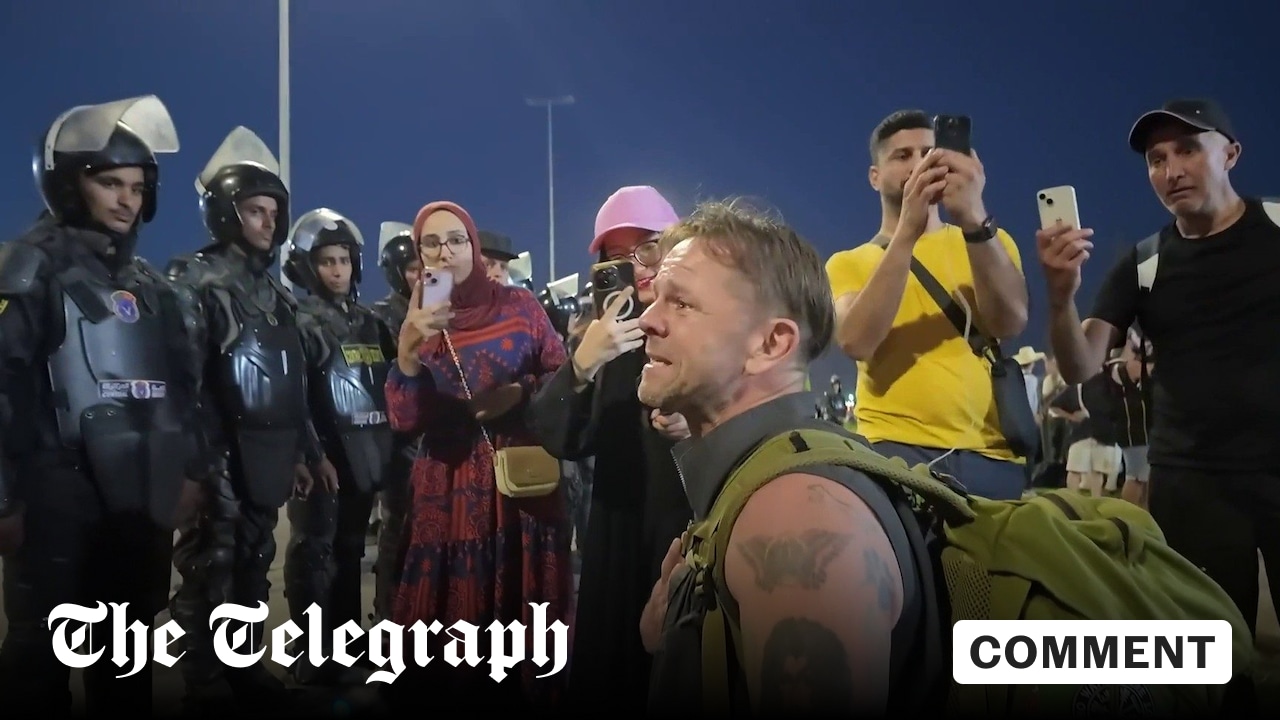
But as the convoy advanced toward Egypt’s eastern frontier, it was met with a firm response. Dozens of foreign activists were detained upon arrival in Cairo, questioned at airports, and in many cases deported before the march could even begin. Some critics saw this reaction as incompatible with Egypt’s long-standing support for the Palestinian cause. But this interpretation oversimplifies a complex reality. Egypt’s stance was neither a rejection of Gaza nor a withdrawal of support. It was a reaffirmation that solidarity must operate within the framework of state sovereignty, national security, and the rule of law.
The area surrounding Rafah is not ordinary terrain. It lies within the Sinai Peninsula, where there has been years of terrorism and military operations. For over a decade, Egyptian forces have fought extremist terrorist groups there, and the region remains under heightened military alert. In such a context, the presence of thousands of foreign demonstrators, however peaceful their purpose, posed a tangible risk. Unregulated gatherings near a militarized border could become targets for violence, be exploited by hostile actors, or unintentionally trigger confrontation.