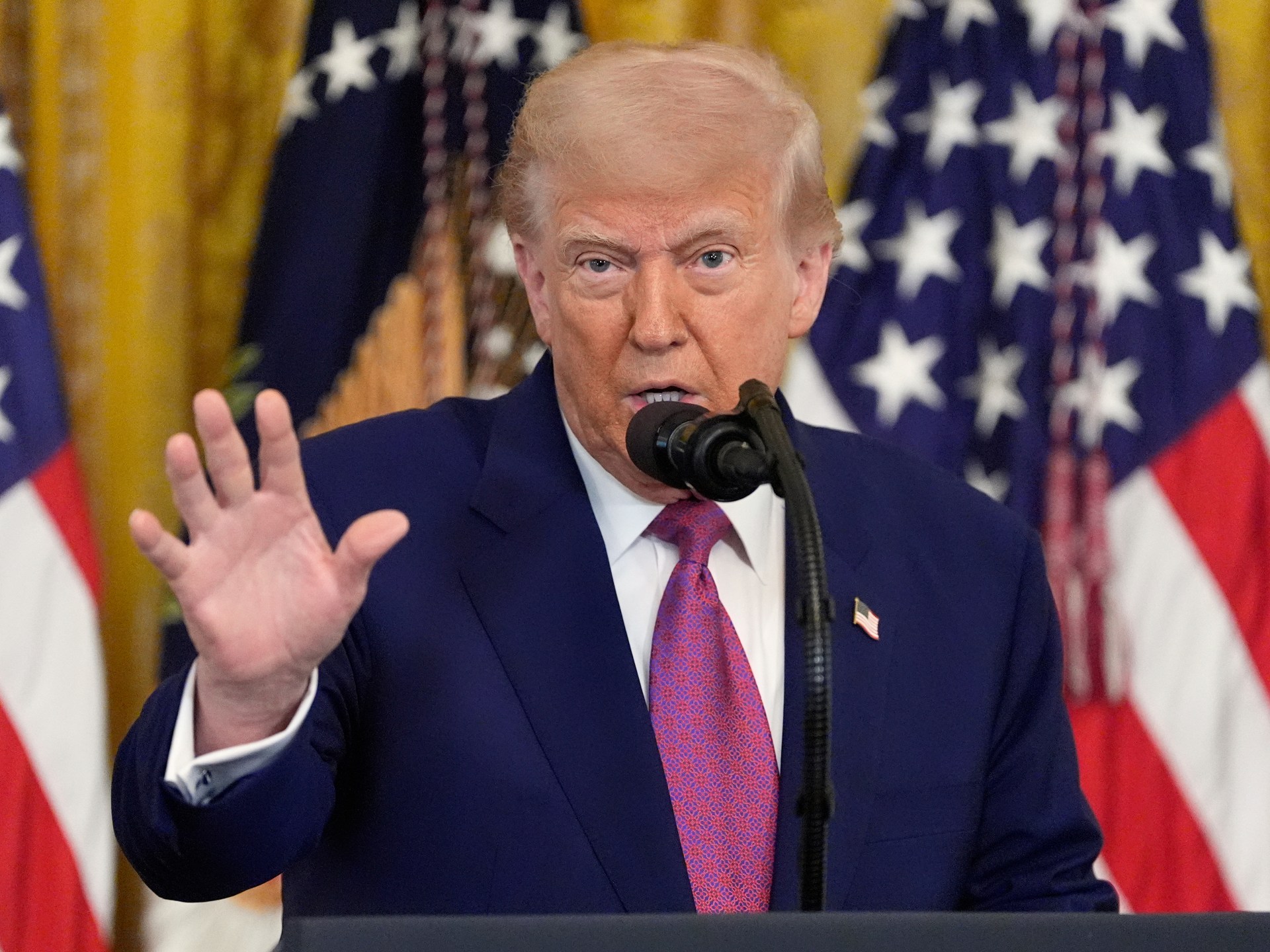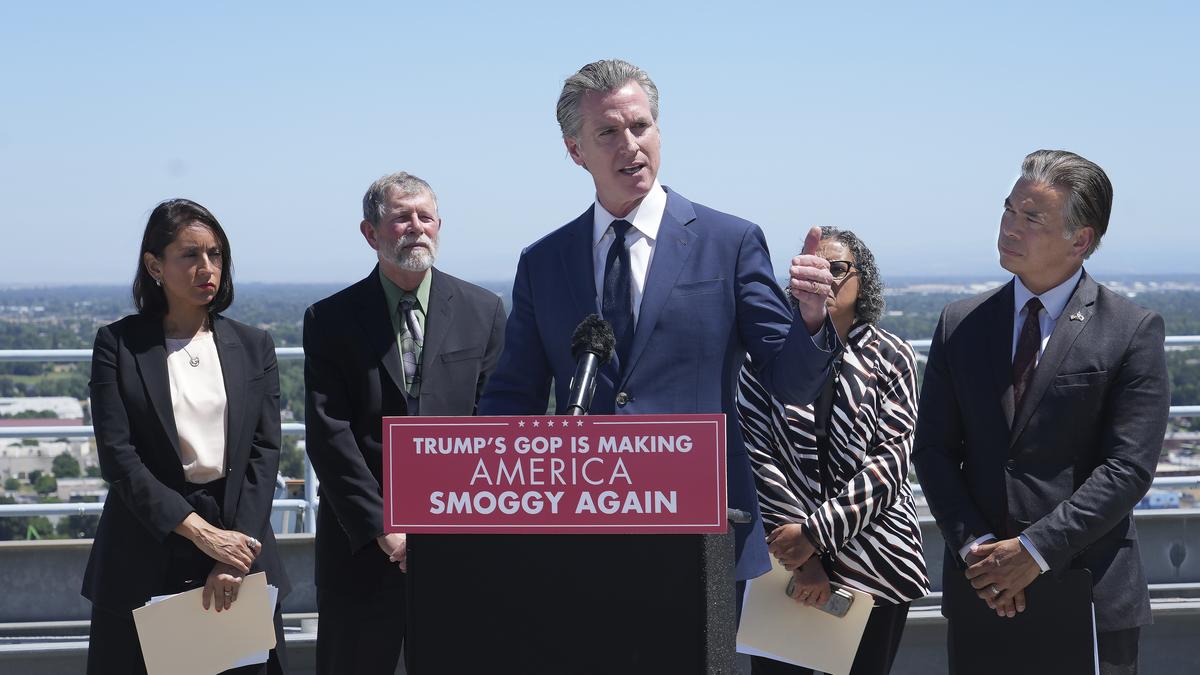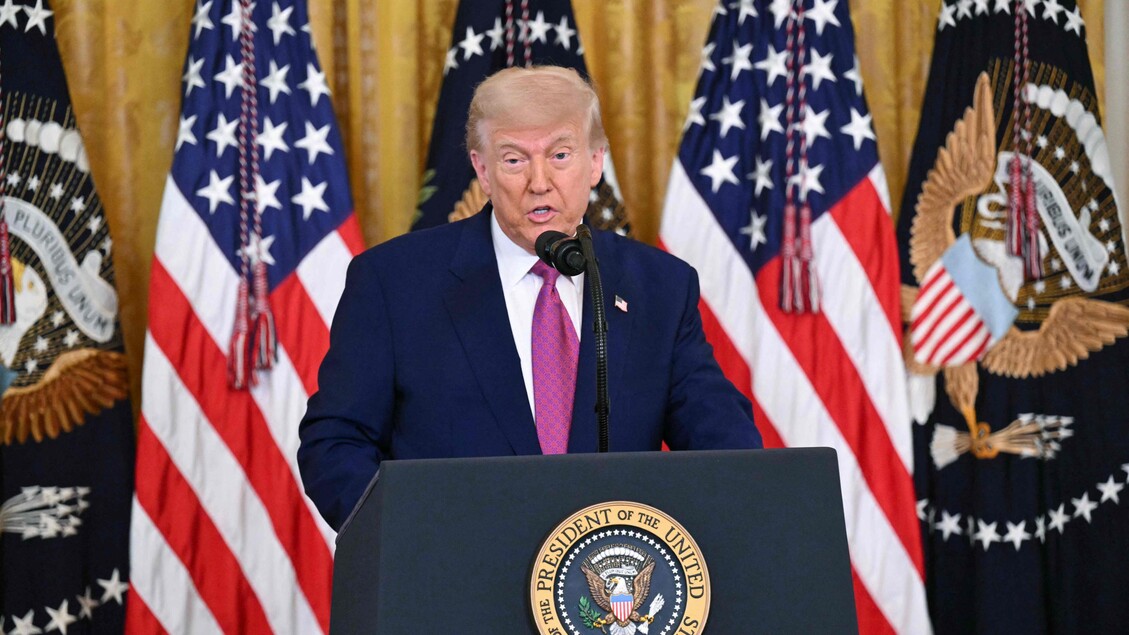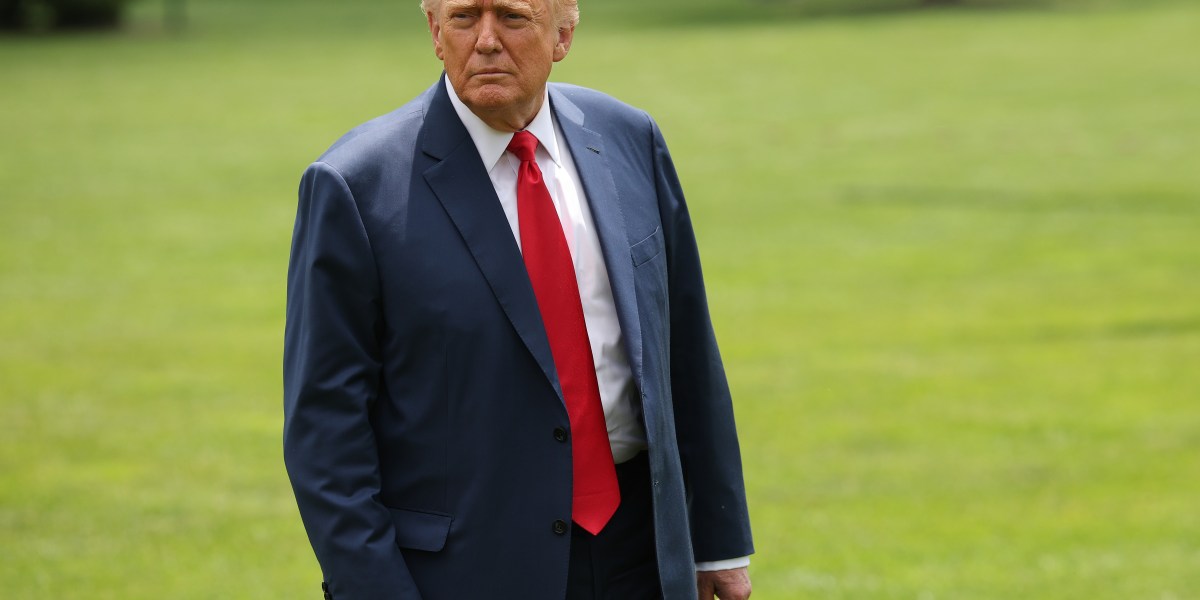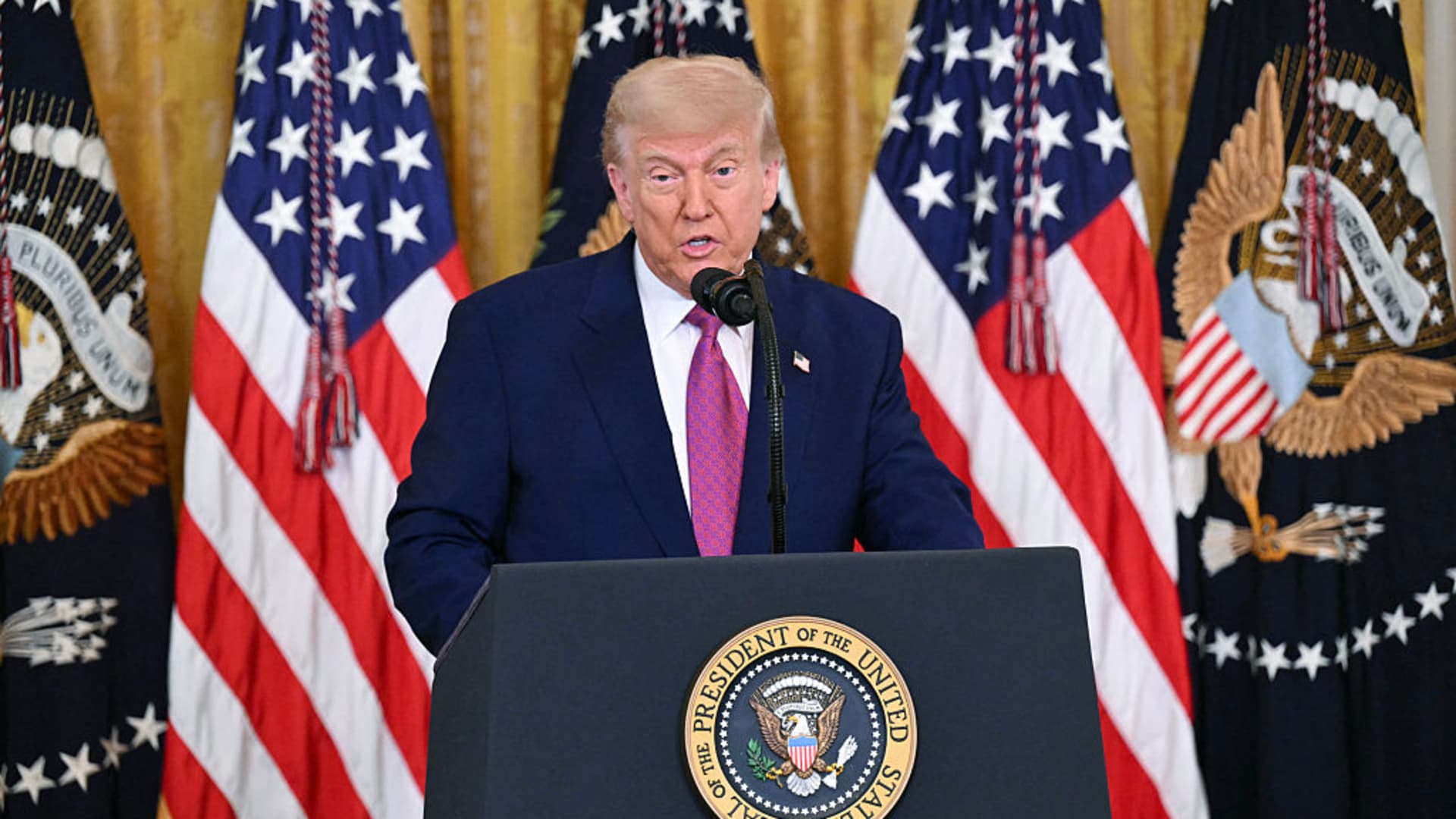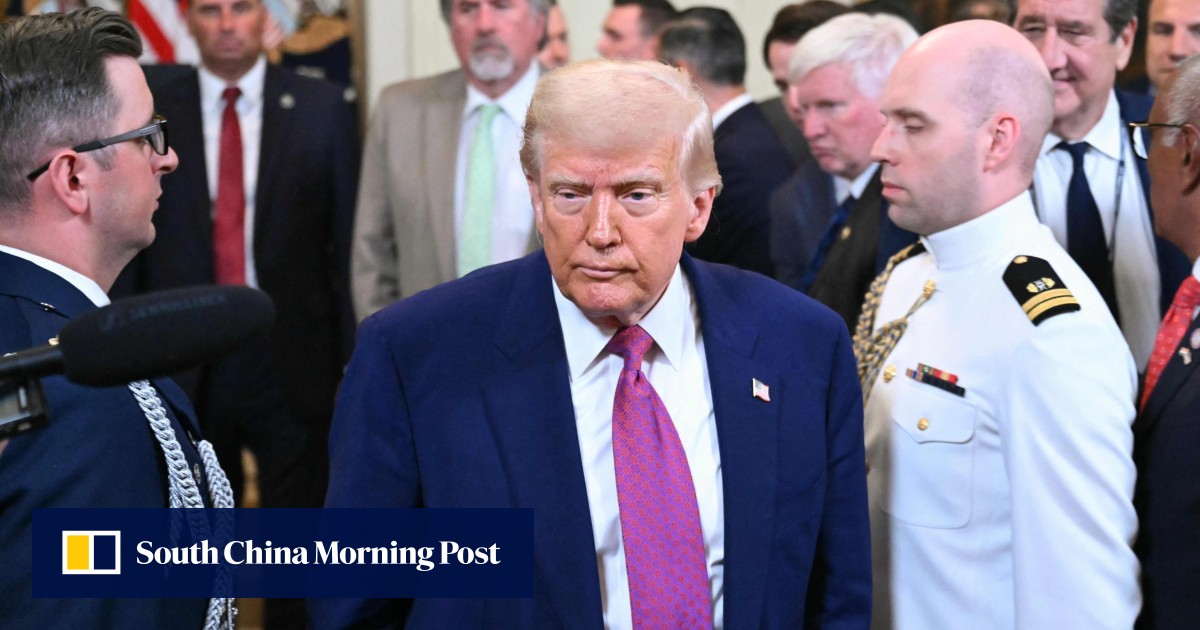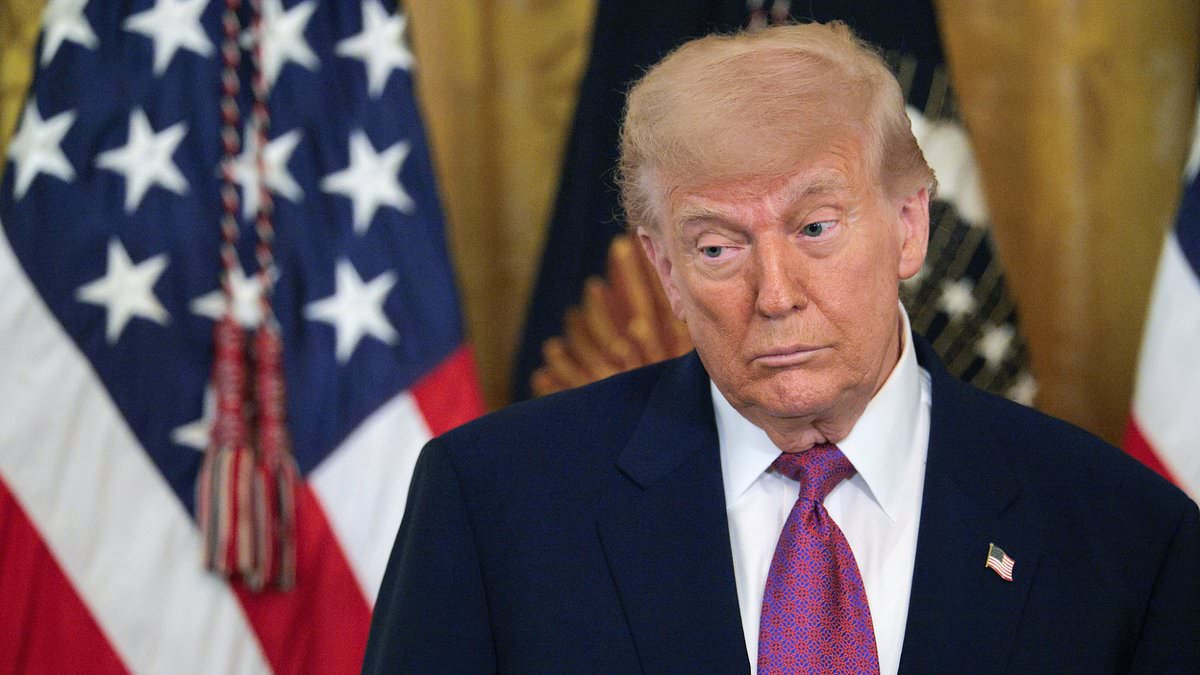
This week the White House and President Donald Trump attempted to kill, once and for all, California's plan to accelerate the sale of zero-emission cars and trucks in the state. In a ceremony in Washington, DC, on Thursday attended by trucking executives, Trump signed three resolutions passed by Congress aimed at revoking California’s nearly 60-year-old power to set its own motor vehicle emissions rules.
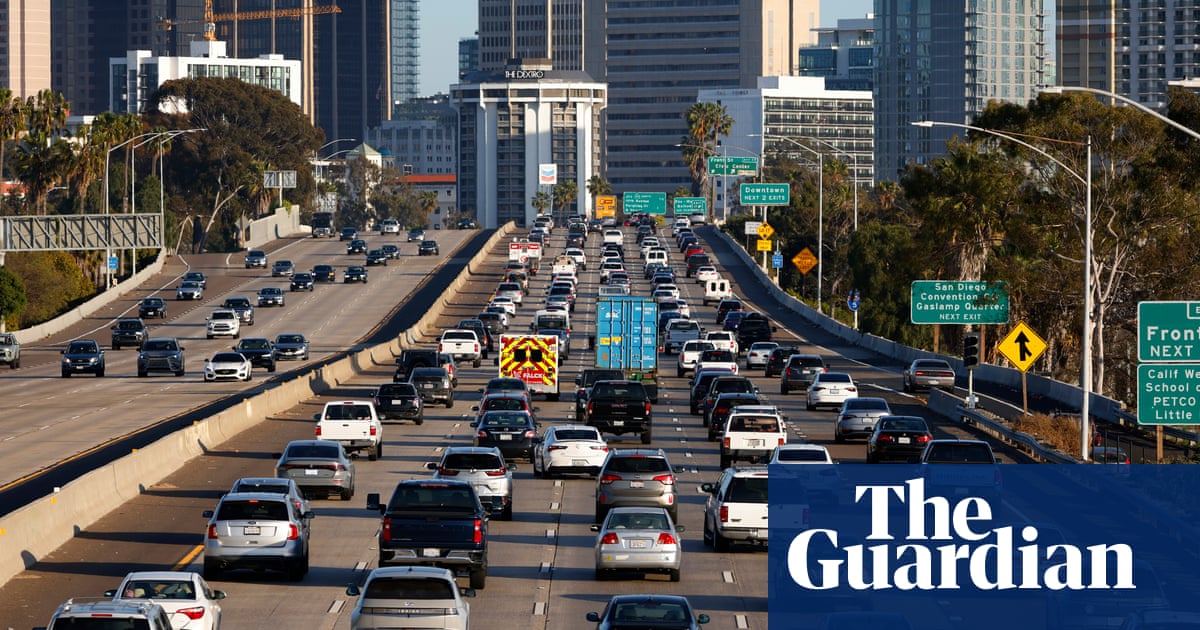
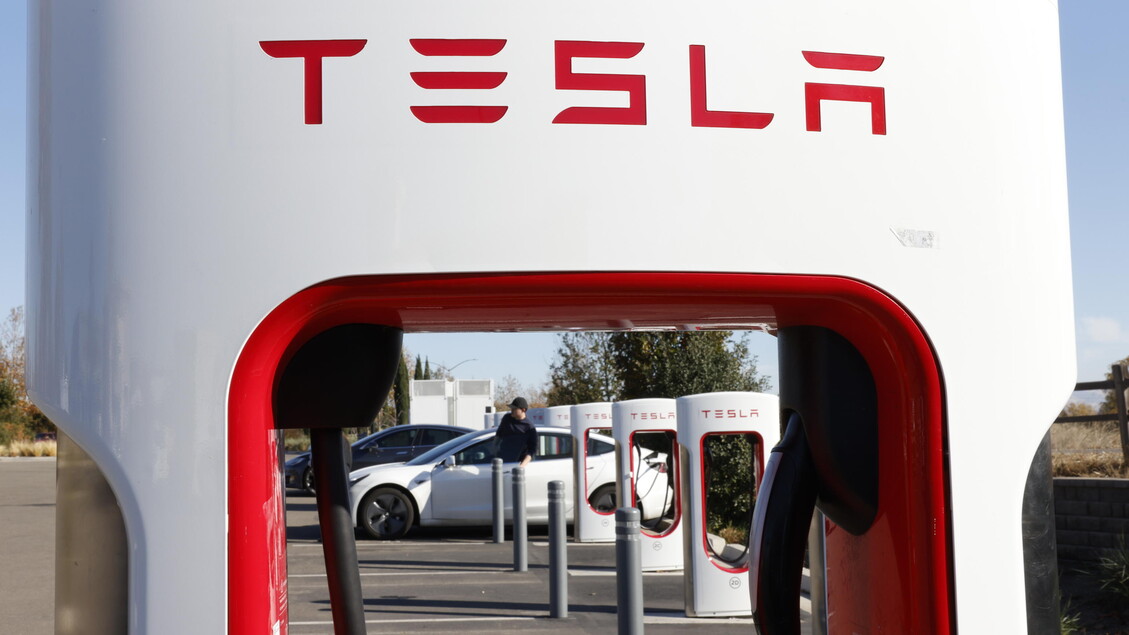
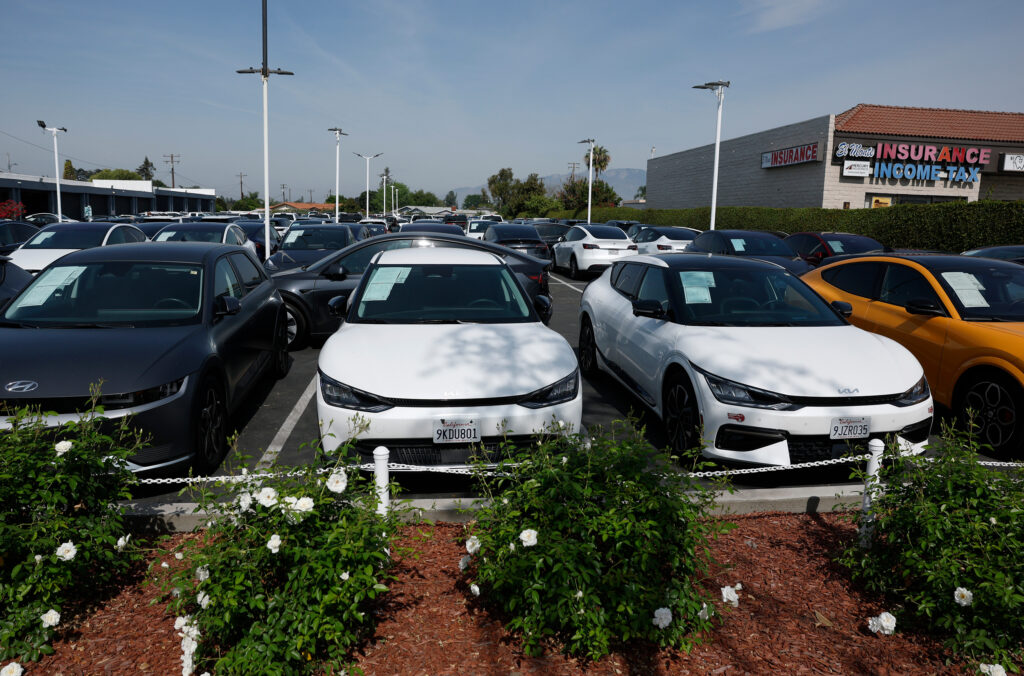
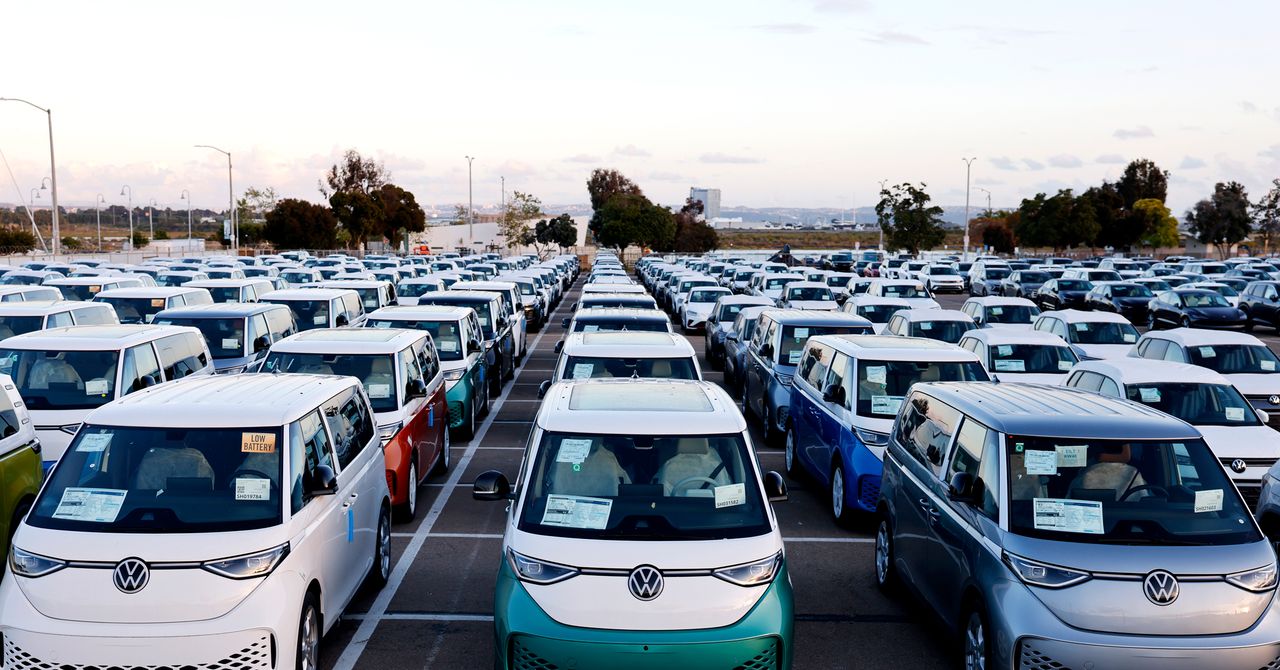
In doing so, the federal government is taking aim at one of the most ambitious vehicle electrification schemes—and climate policies—in the world: California’s goal to ban the sale of new gas-powered vehicles in the state by 2035. The state, along with 10 others that have pledged to follow its more aggressive emissions rules, accounts for nearly a third of the US’s new car sales each year, giving it enormous power to dictate the country’s automotive market. Today, one in four vehicles sold in California are either battery-electric or plug-in hybrid vehicles.
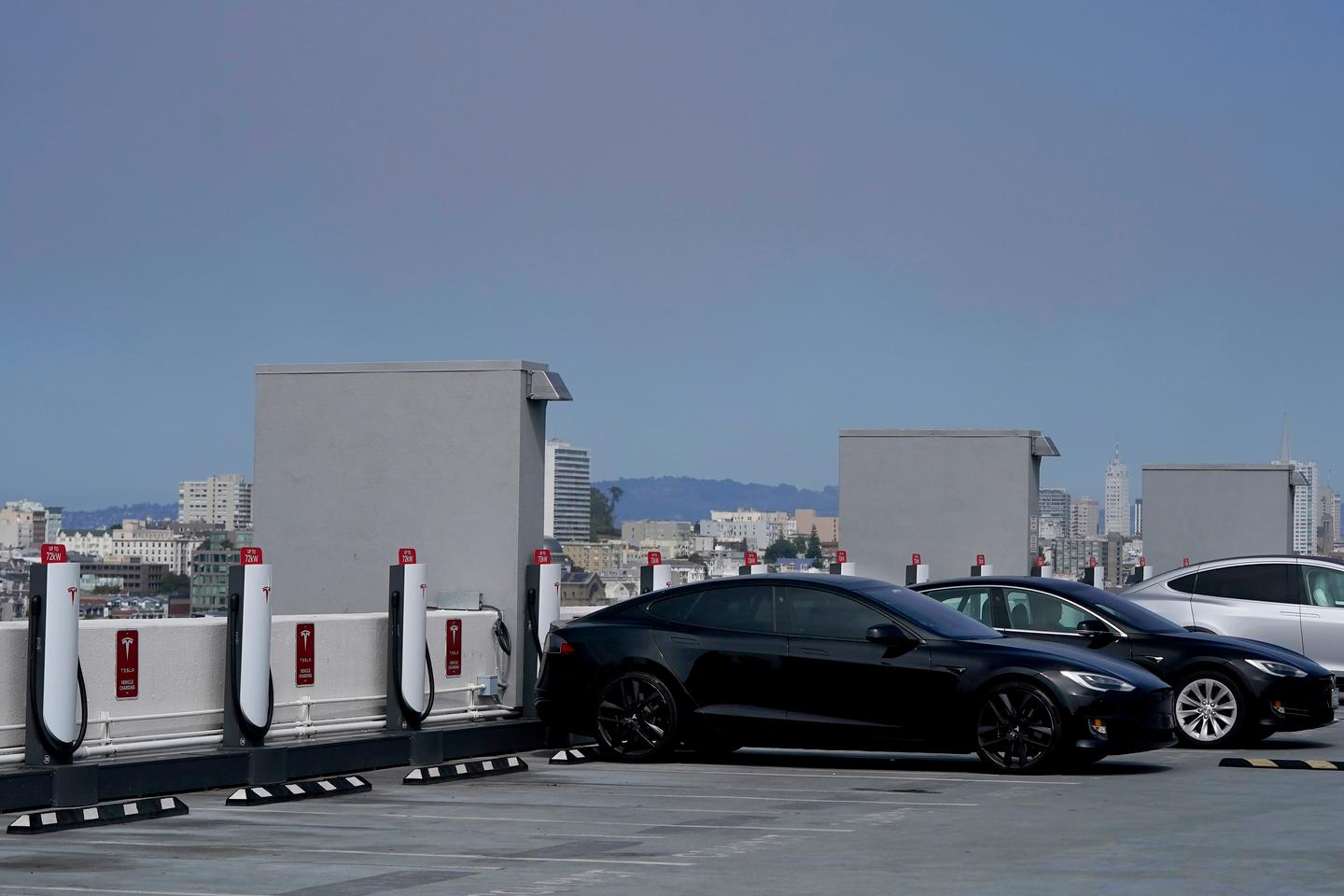
The move won’t affect the sorts of cars available in showrooms and on lots today, or even next year, experts say. But the attempt to revoke California’s powers, along with a suite of other policies aimed at electric vehicles—including the Environmental Protection Agency’s bid to roll back vehicle fuel economy standards, Congress’ push to nix EV tax credits, and the Transportation Department’s pause on funding for national EV charging infrastructure—could affect car buyers’ interest in going electric. In other words: The electric vibes are bad.