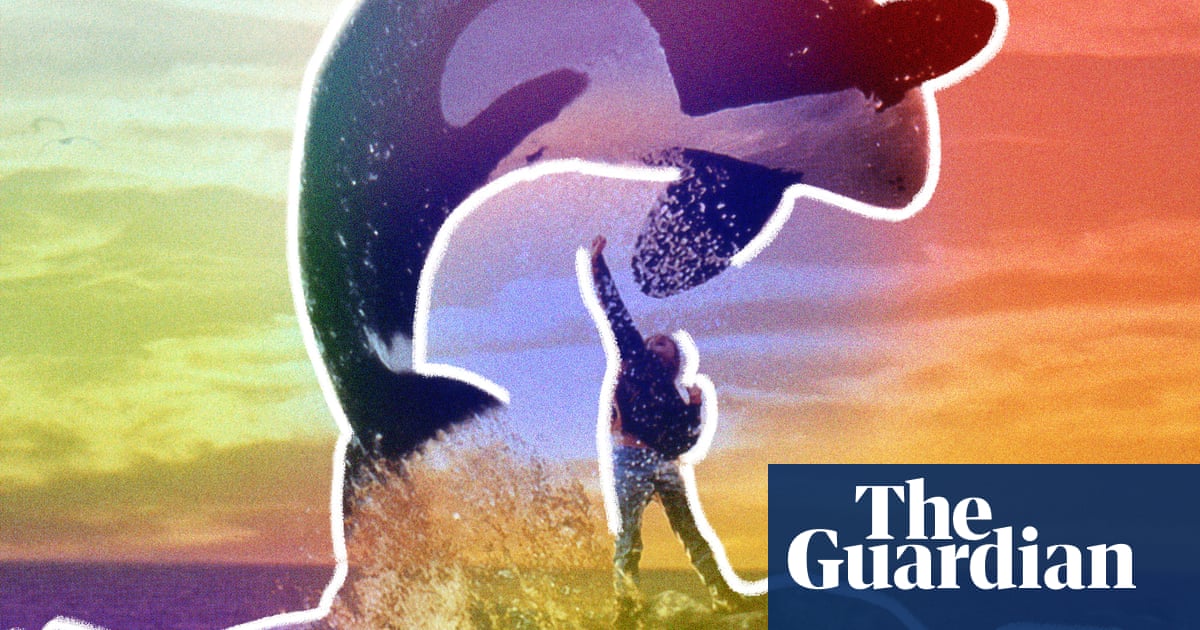
An oppressed orca breaking free to find its true family? It may not be obviously queer, but I’ve found much comfort in Willy and Jesse’s story in this film
Idon’t know precisely when I first watched Free Willy. But I do remember that the film was central to a childhood obsession with whales – orcas, specifically – that followed me well into adulthood. (I still remember a lot of random facts, such as “killer whales can live up to 90 years old!” and “their pregnancies are 17 months long!”)
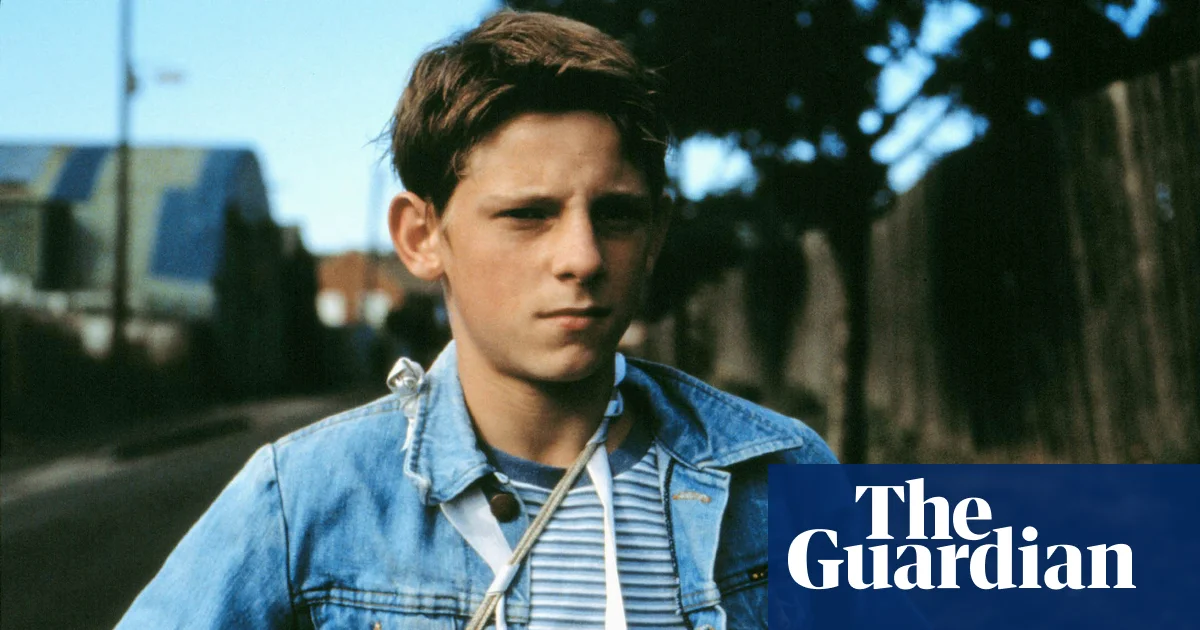
Released in 1993, just a few months after I was born, the film follows Jesse – a moody 12-year-old foster kid with abandonment issues – and his unlikely friendship with Willy, an orca confined in a far-too-small pool at a local marine park. Jesse and Willy have a lot in common. Both are antisocial, stubborn and mistrustful, but form a close bond – one that sees Jesse determined to free Willy from the park where he is being exploited for profit by an evil businessman. It’s a classic good v evil tale – and a coming out story.
Free Willy isn’t queer in any explicit sense. But the film’s central theme is one of “chosen family” – a concept that has been central to LGBTQ+ life ever since our community elders were forced to meet in secret because they were criminalised, stigmatised and forced to the margins. In the film, Jesse’s longing for his mother – a woman who abandoned him as a young child – initially stops him from bonding with his new foster parents. It’s only when he meets Willy that he begins to find joy in his life. It’s a narrative we see repeated in anthems such as Rina Sawayama’s Chosen Family, TV dramas such as Queer as Folk, or a reality show like RuPaul’s Drag Race: that there is radical power in finding “your people.” (Or, in this case, your whale.)