GCSE biology a distant memory? Here’s how plants reproduce, and how to encourage them
I
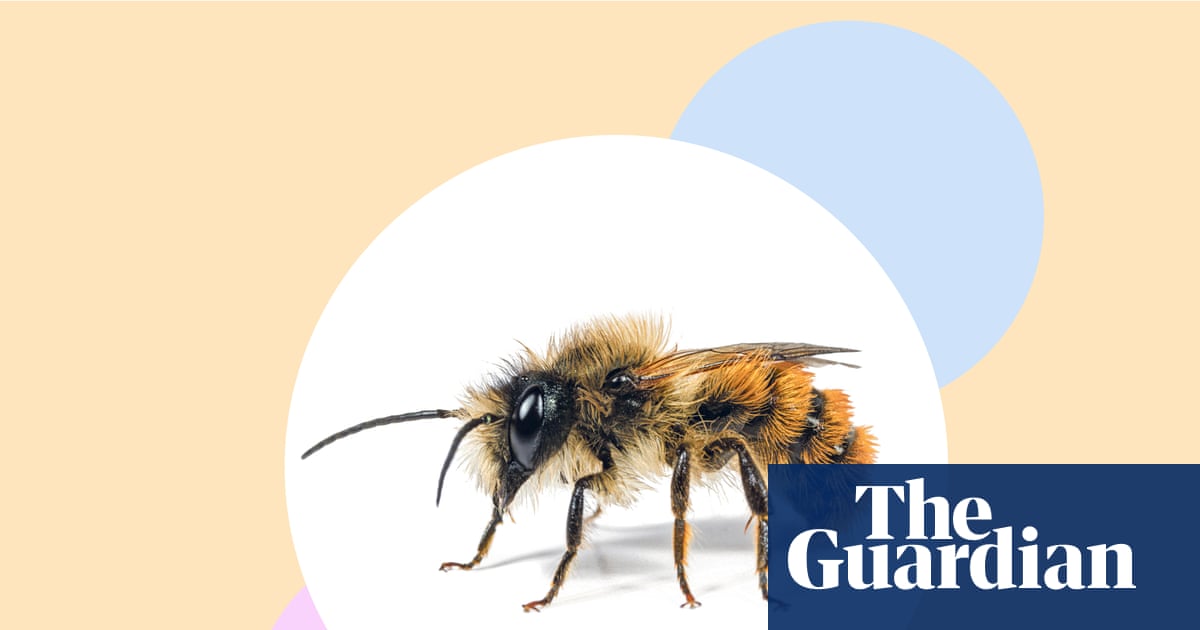
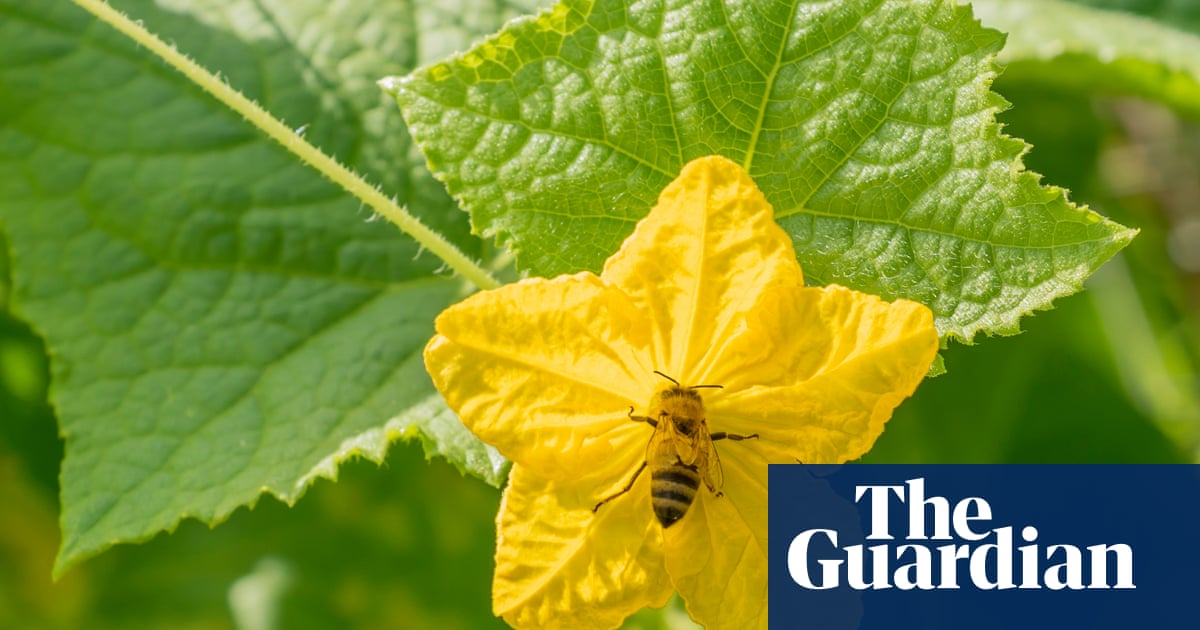
f you’re growing any plants for fruit, getting your head around pollination is key to ensuring a bountiful harvest. Thankfully, the plants and the pollinators – whether that’s bees, beetles or a summer breeze – have a system for making this happen. Still, any grower should be familiar with the pollination needs of their crops in case intervention is necessary.
If GCSE biology is a distant memory, here’s a quick refresher. Pollination is the reproductive process whereby a flower’s pollen is transferred from the stamen to the stigma before travelling to the ovule, where fertilisation takes place. Seeds start to develop and, for those crops that coax a creature into dispersing their seed, a fruit will form and swell around them.
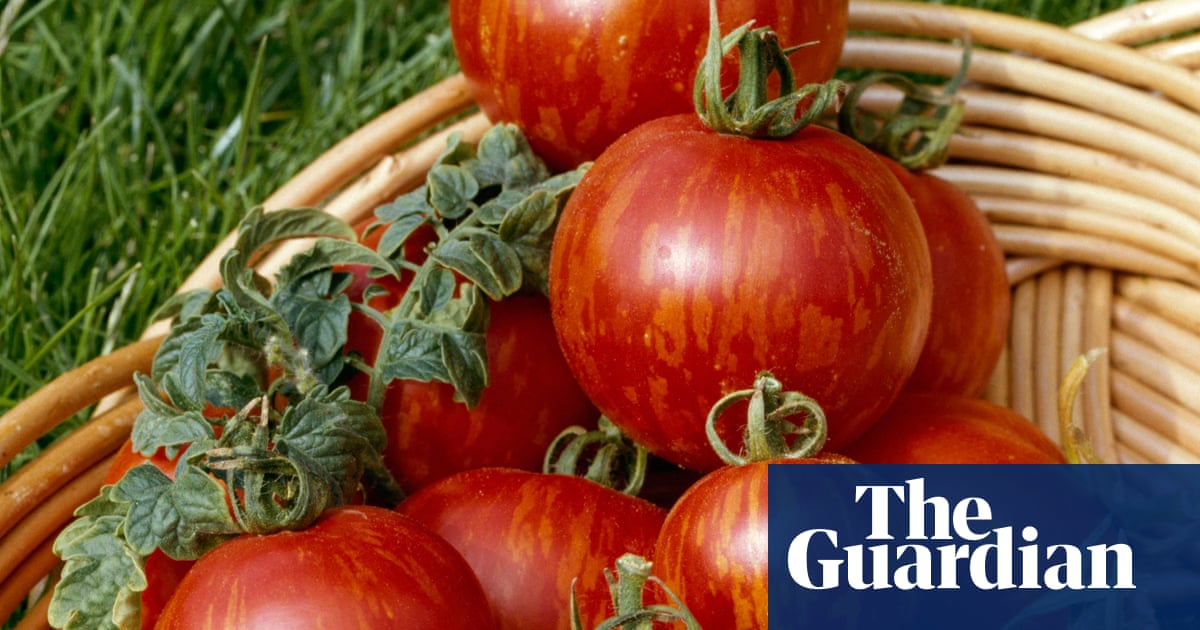
Different plants have different pollination requirements and, as such, each can be broadly categorised as either hermaphrodite (also known as perfect), monoecious or dioecious. Hermaphrodite plants contain both pollen-bearing and fruit-bearing parts within their flowers: tomatoes, apples, aubergines and beans and many more fall into this group. This doesn’t necessarily mean all perfect flower-producing plants can self-pollinate, though – and even if they do, they’re believed to bear more fruit when grown with friends.