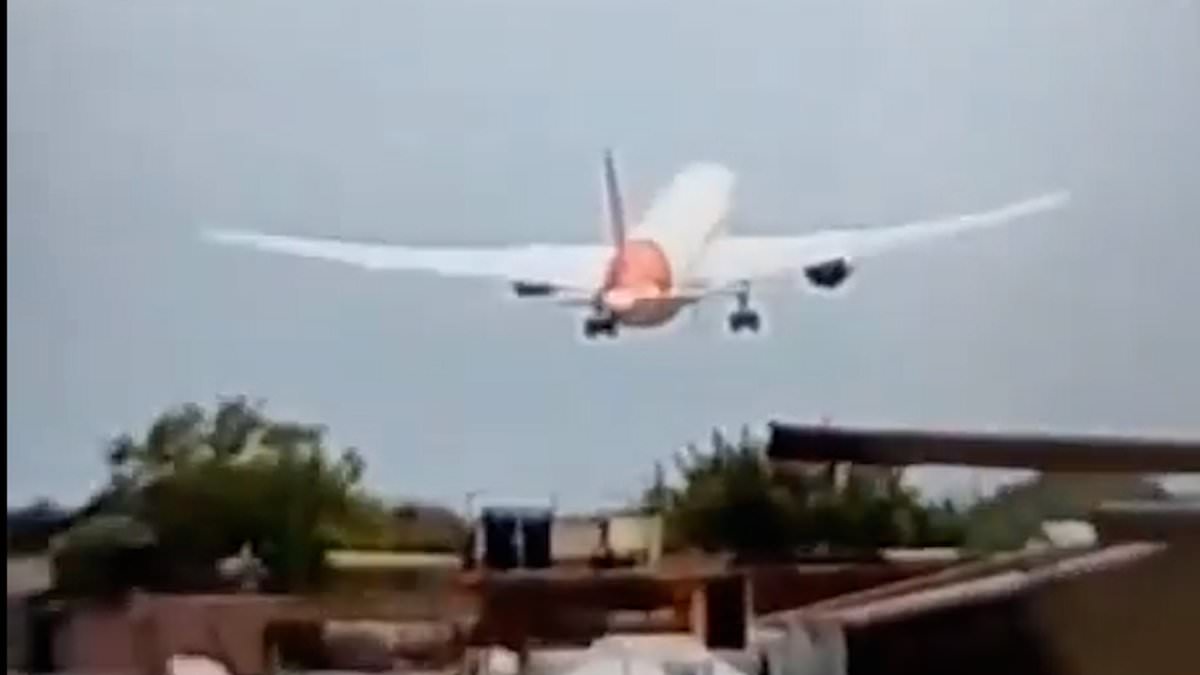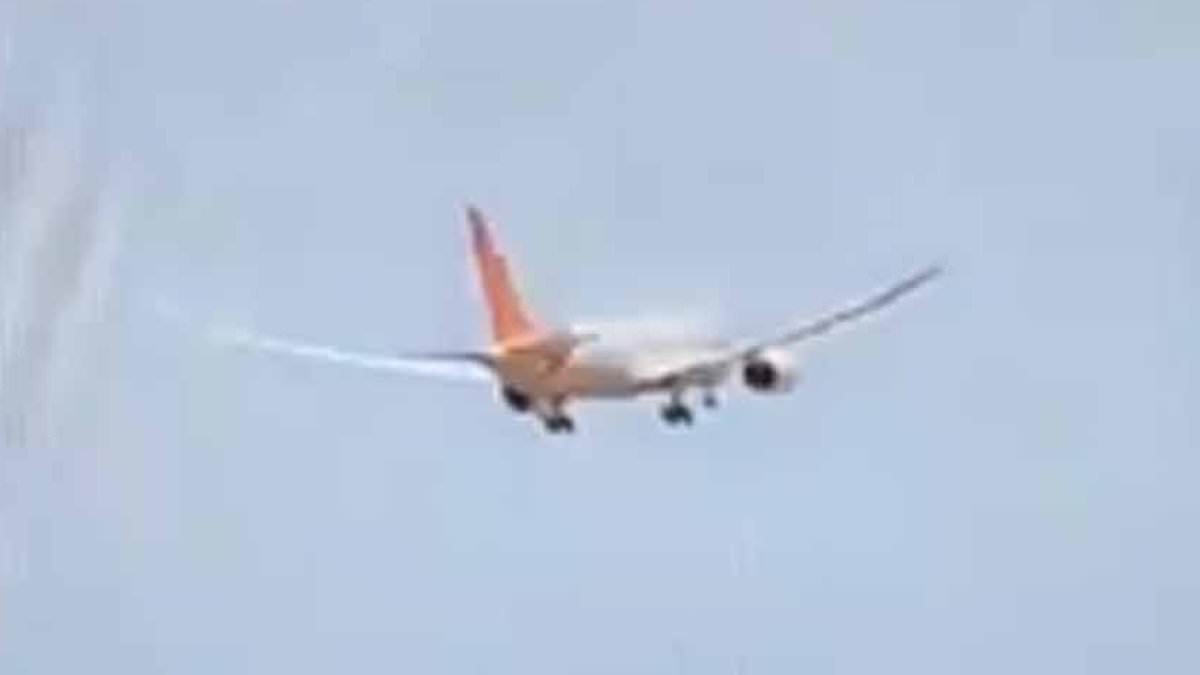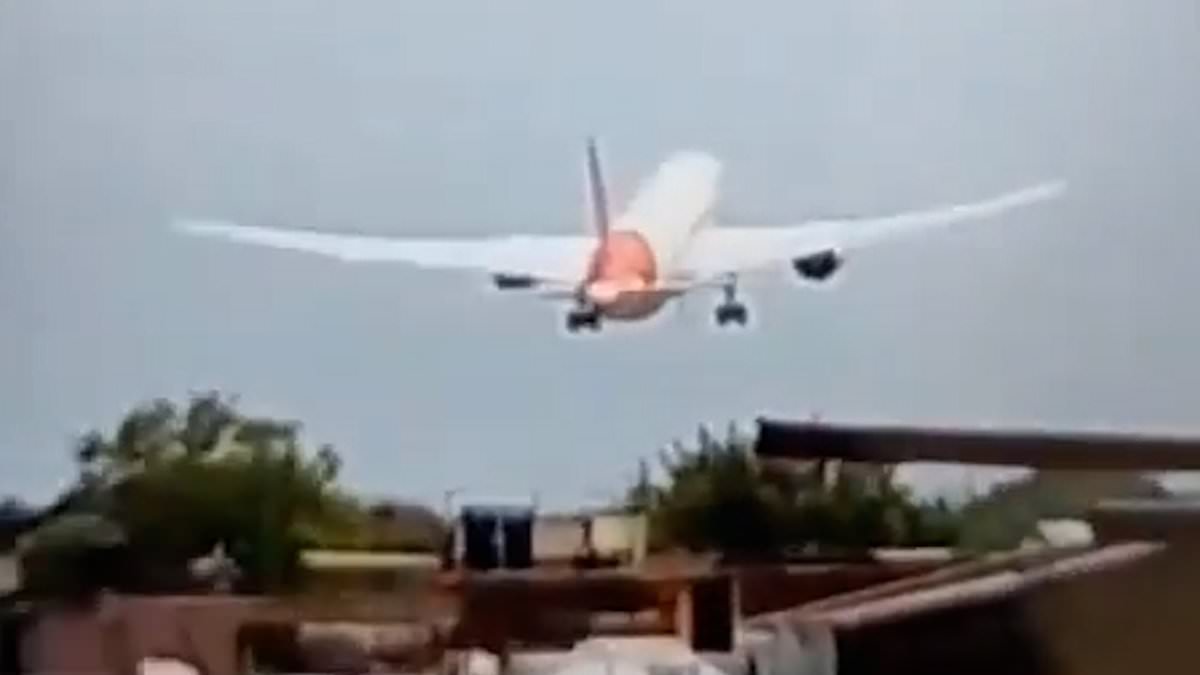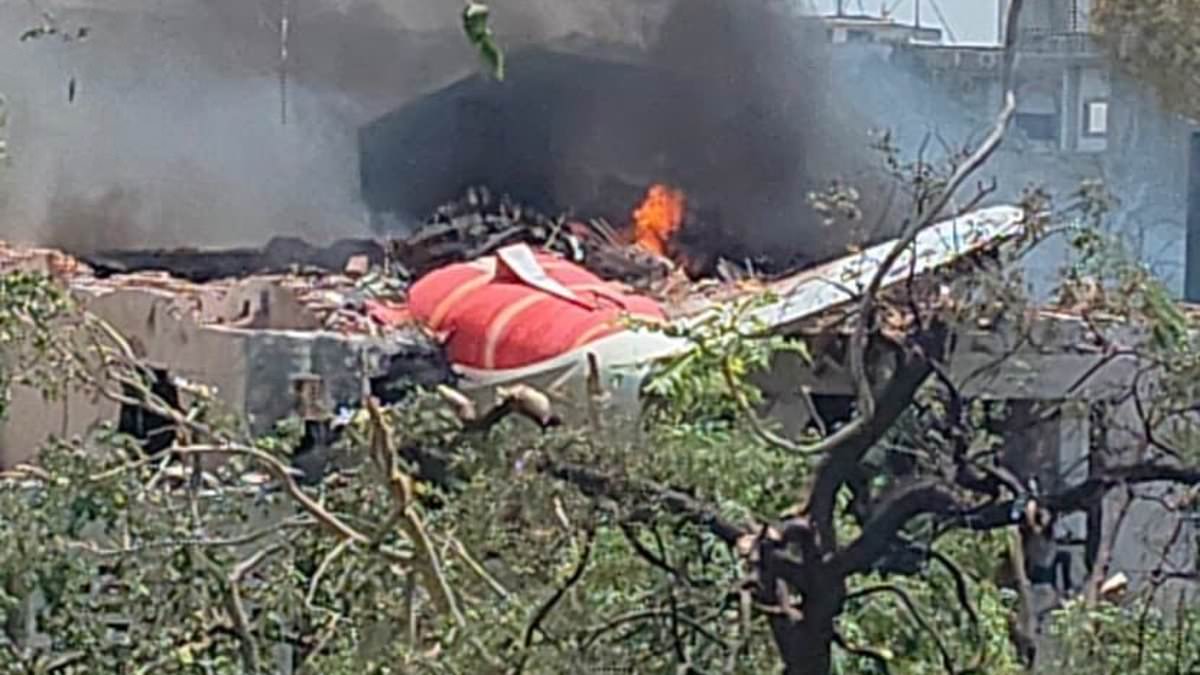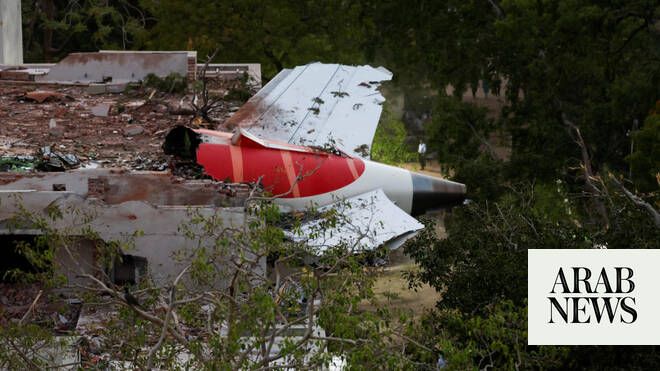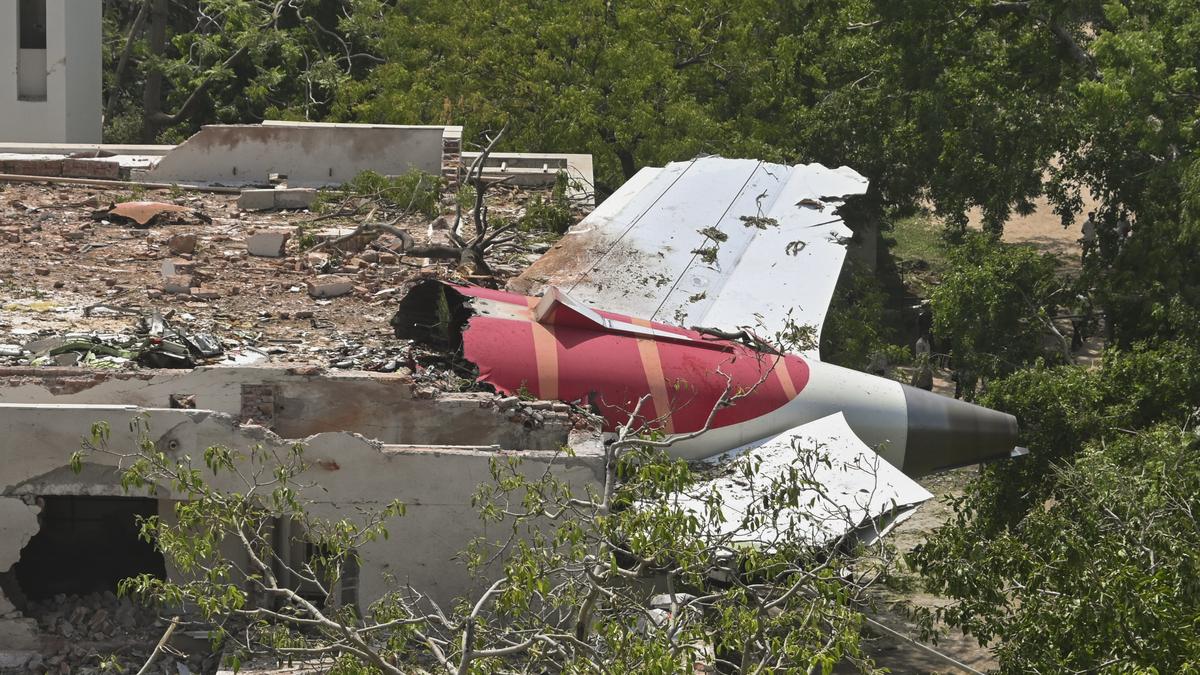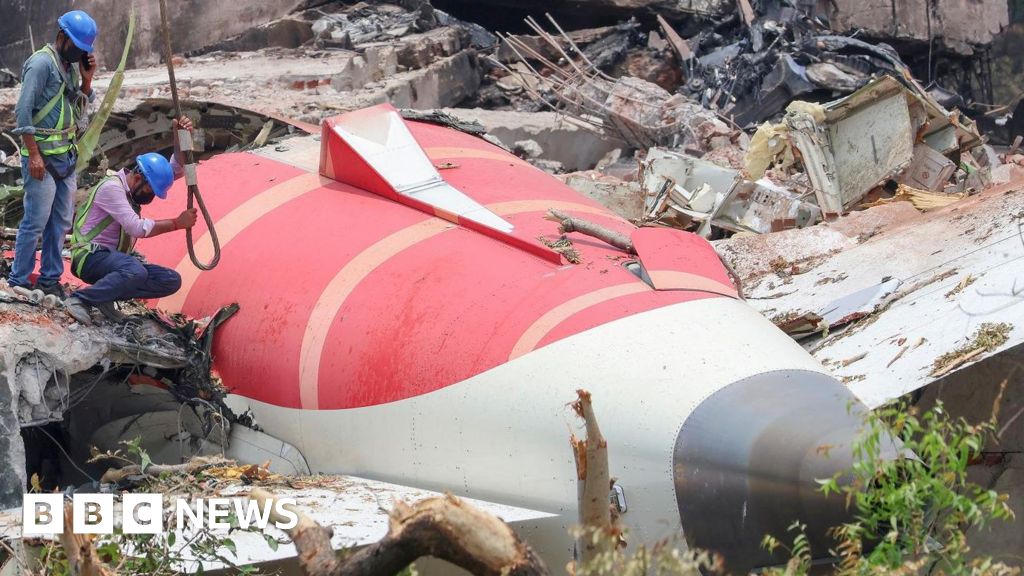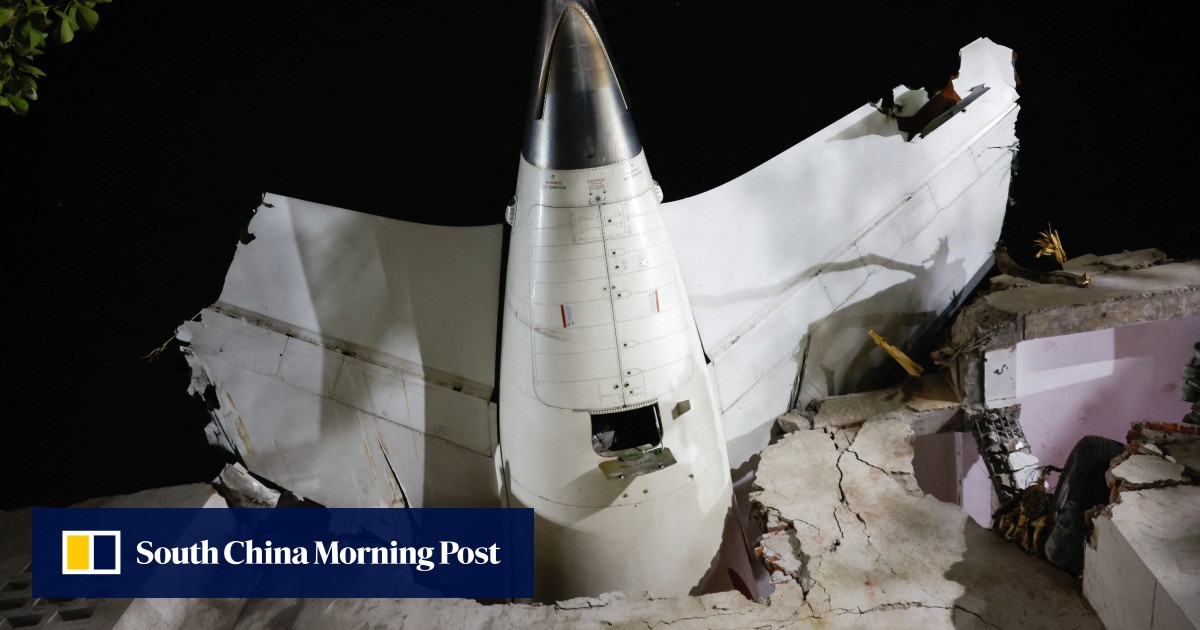
Experts suspect take-off misconfiguration or the flaps being raised instead of the landing gear could have led to the deadly accident
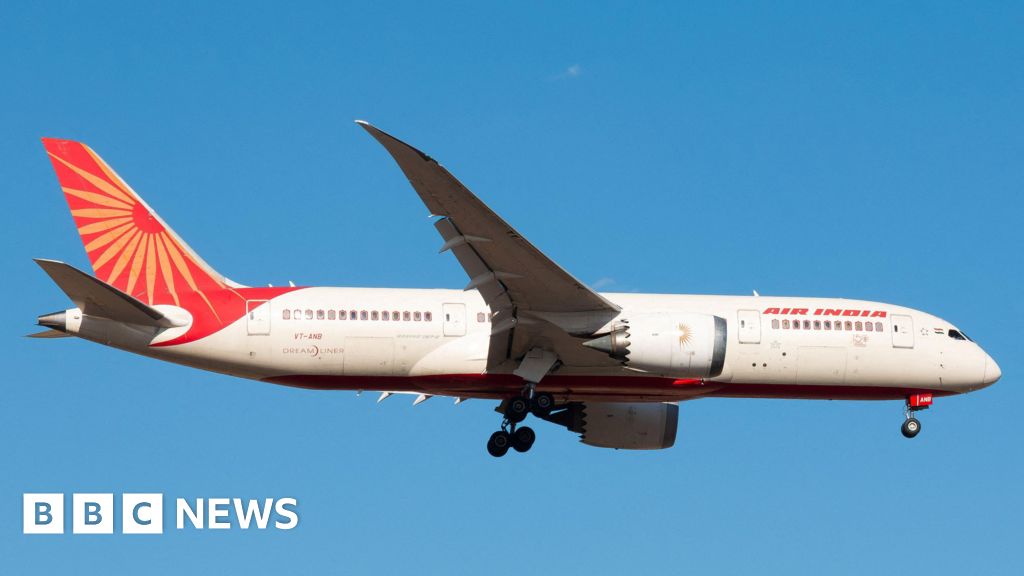
The Boeing Co. 787 Dreamliner appeared to not achieve sufficient thrust as it lumbered down nearly the full length of a 3,352-metre (11,000-foot) runway, a distance that should have been more than enough to take off, said Bob Mann, head of aviation consultant RW Mann & Co.
That could stem from a misconfiguration of the plane before take-off or erroneous weight data entered into the plane’s computer system that determines how much power is needed to get off the ground, he said. Mann cautioned that his views were unofficial and not corroborated by data or cockpit voice recorders, which have yet to be recovered from the site.
“If the weight is high compared to the actual number, you end up with a very aggressive take-off,” Mann said. “If the weight is low compared to the actual, you end up with not enough commanded power.”
The 787’s landing gear was never retracted, which normally occurs just after take-off, said Jeff Guzzetti, a former accident investigation chief for the US Federal Aviation Administration. He also said that he wanted to know more about whether the plane’s flaps – movable panels along the wing that generate additional lift during take-off – were in the correct position, noting that it was possible those were raised mistakenly instead of the landing gear.