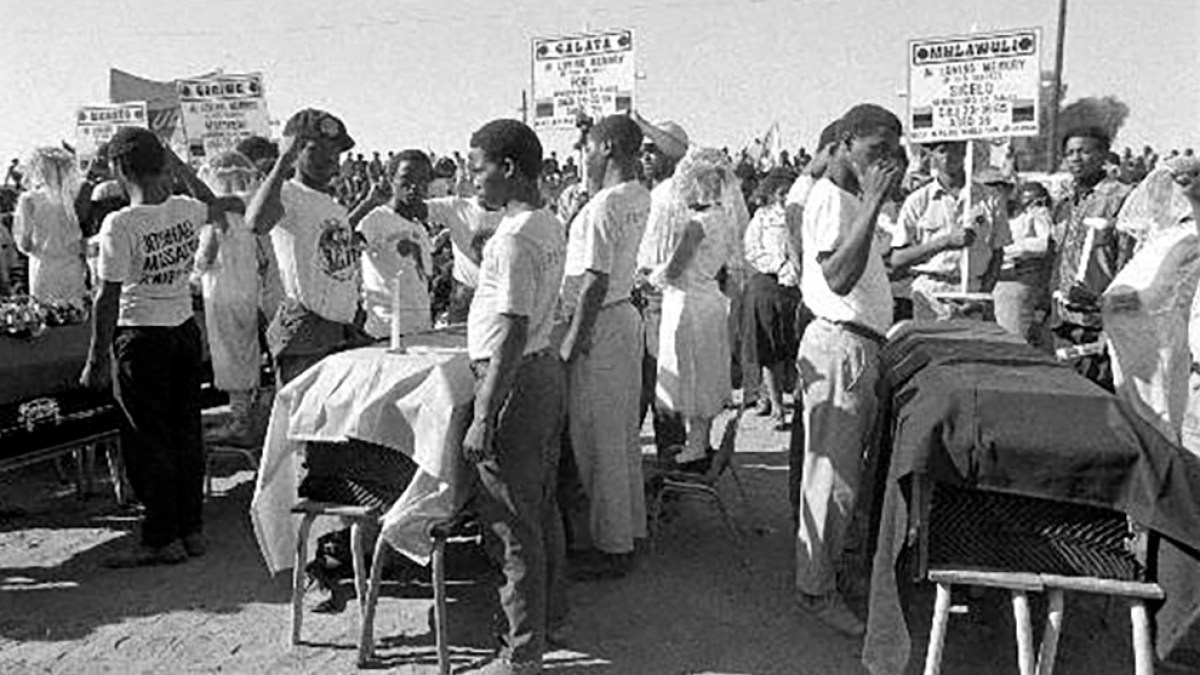
A biting winter chill clung to the windswept cemetery in Cradock, a small town in South Africa’s east, where the neglected graves of four activists, brutally assassinated by the apartheid regime, stood beneath a weathered monument, itself crumbling with time.
Two hours away, in the city of Gqeberha, the 1985 murders of these young men – one of apartheid’s darkest chapters – were at the heart of a poignant courtroom inquest, stirring deep emotions and unresolved pain.
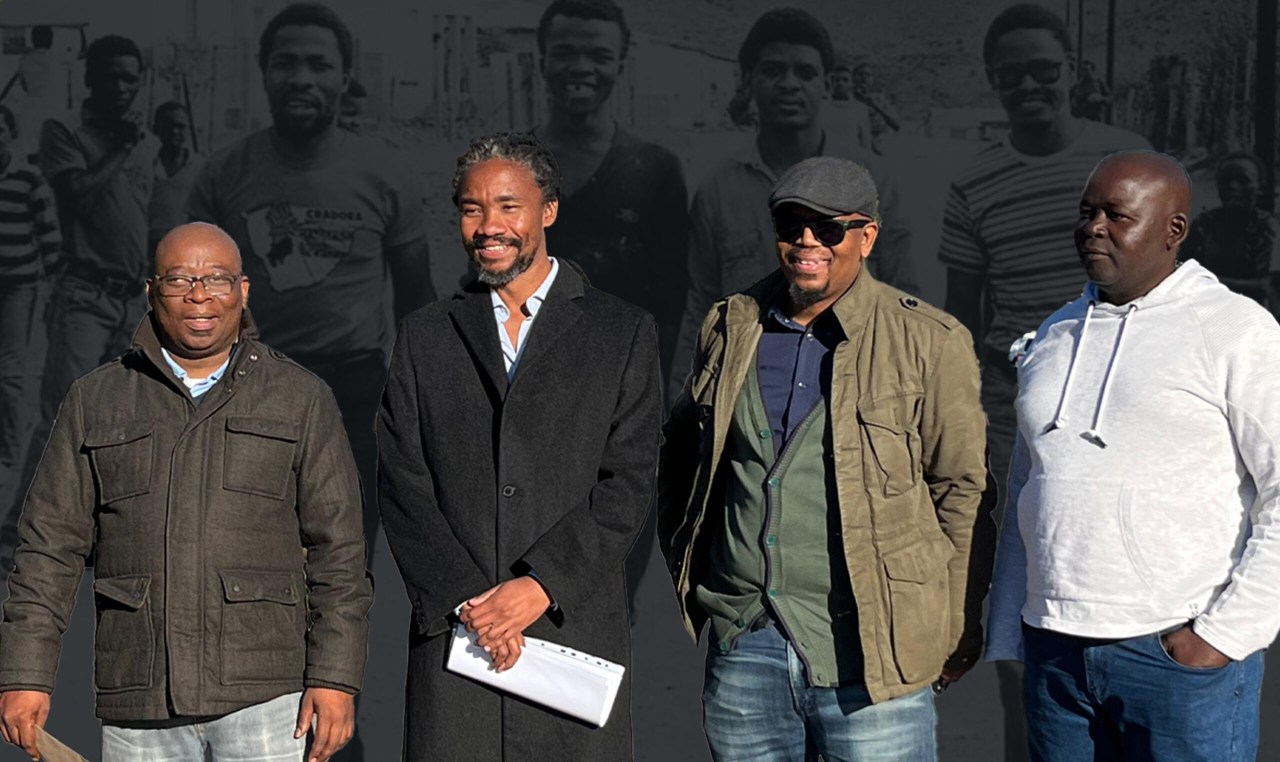
Four decades later, the families of Fort Calata, Matthew Goniwe, Sicelo Mhlauli and Sparrow Mkhonto – husbands, fathers, three teachers and one unionist – remain devastated, still searching for truth and justice.
“We are not going to rest in this matter until there is some form of justice,” Calata’s son, Lukhanyo, told Agence France-Presse (AFP) in Gqeberha, an Indian Ocean city formerly called Port Elizabeth.
The 43-year-old journalist was barely in school when his father did not come home one night in June. His body was later found beaten, stabbed and burned with the others.