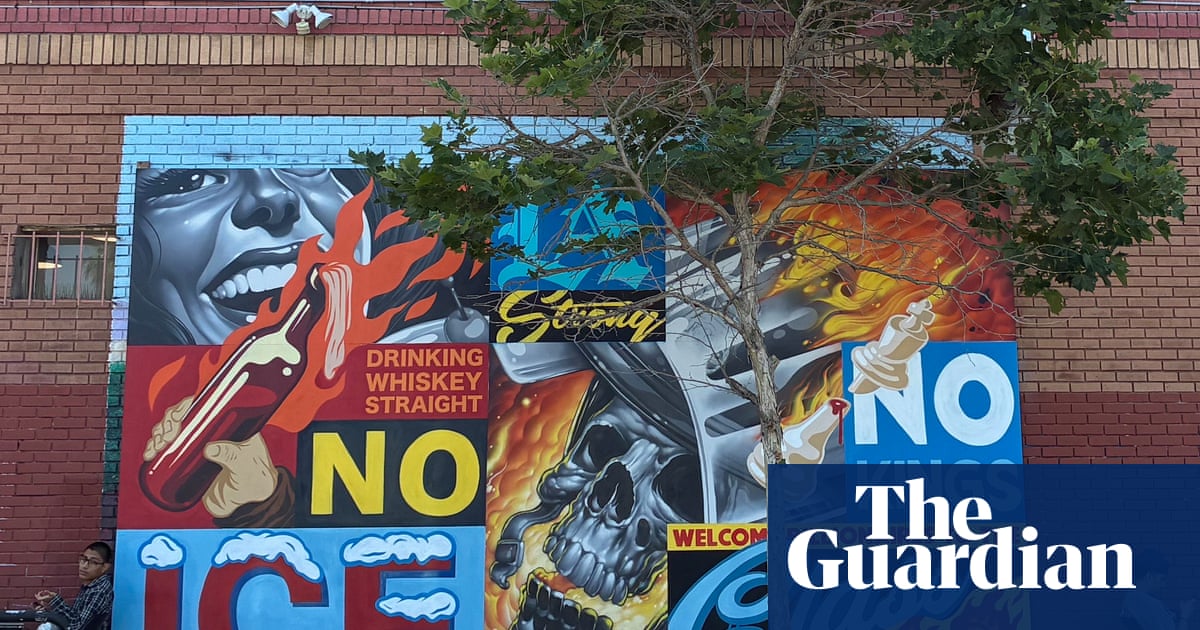
Immigrants and immigrant culture are embedded in the city’s fabric
N
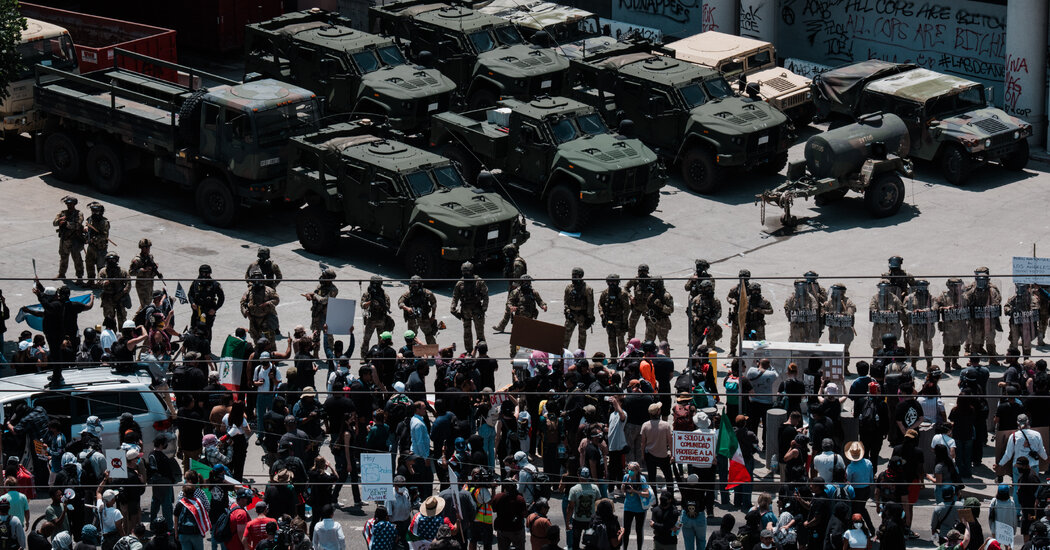
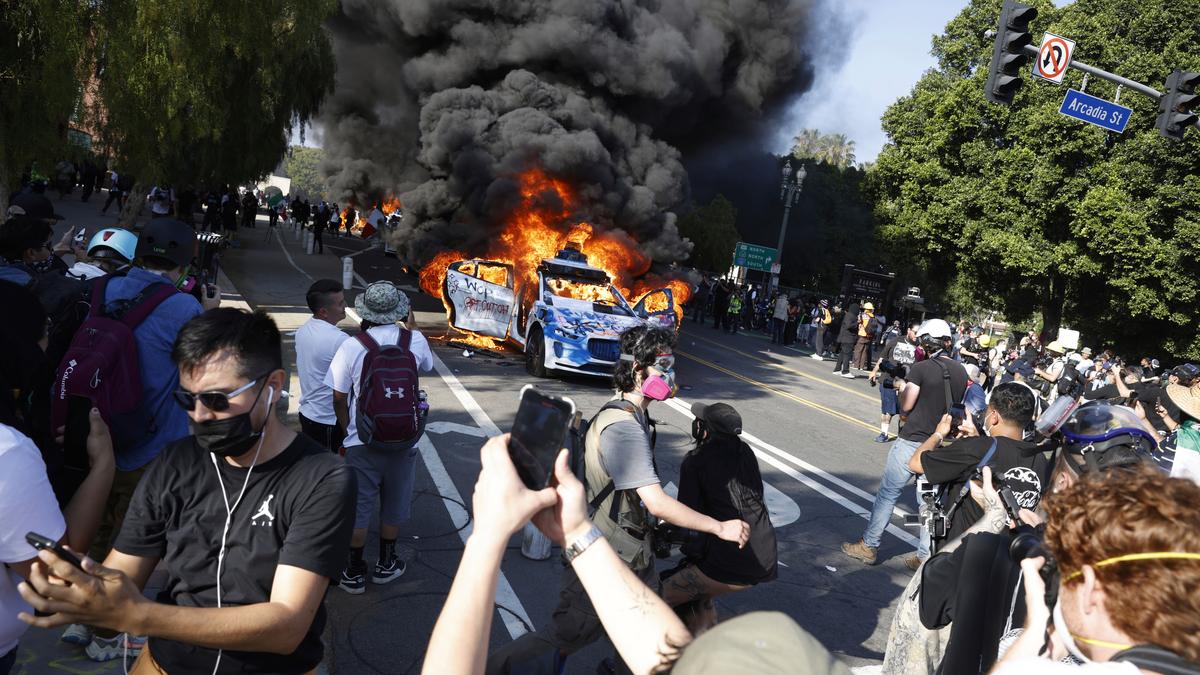
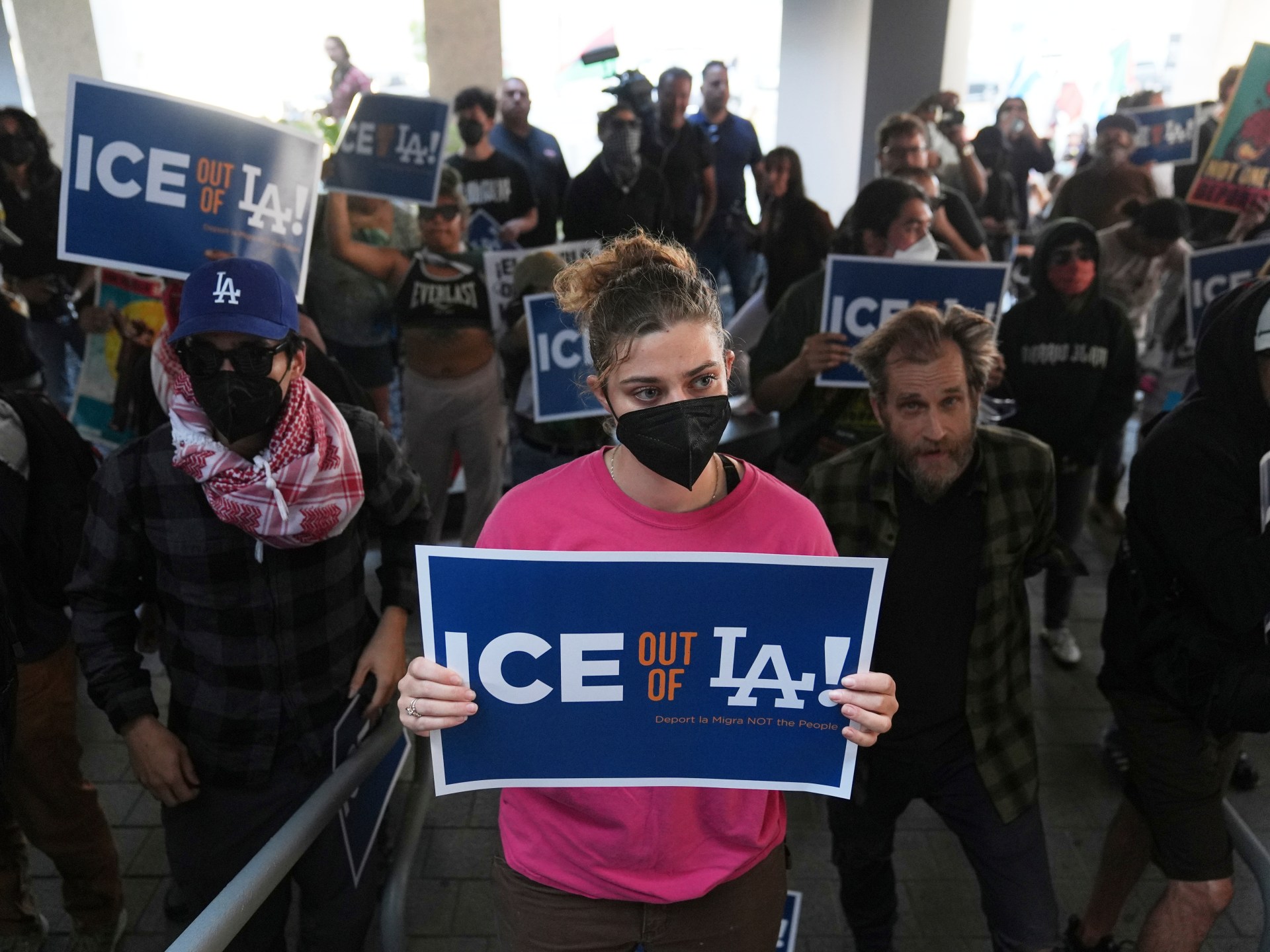
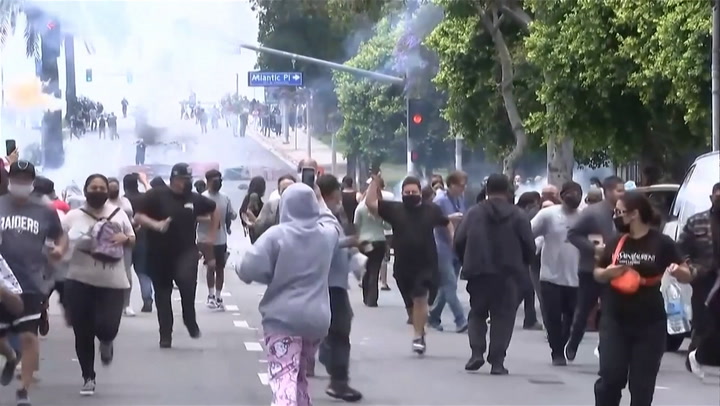
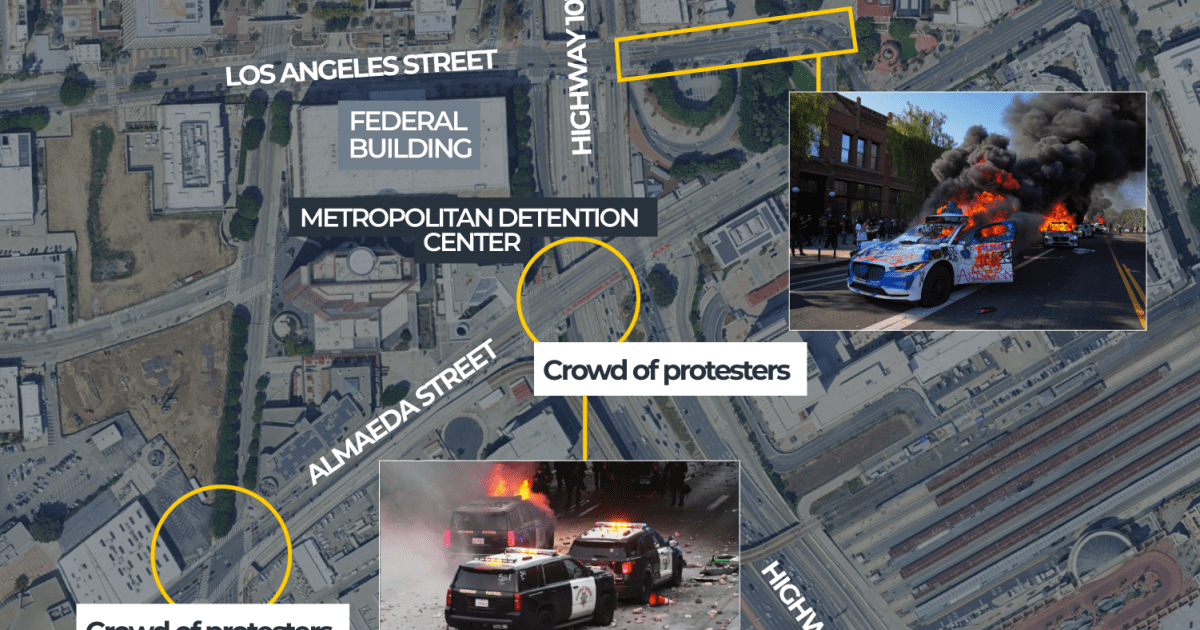
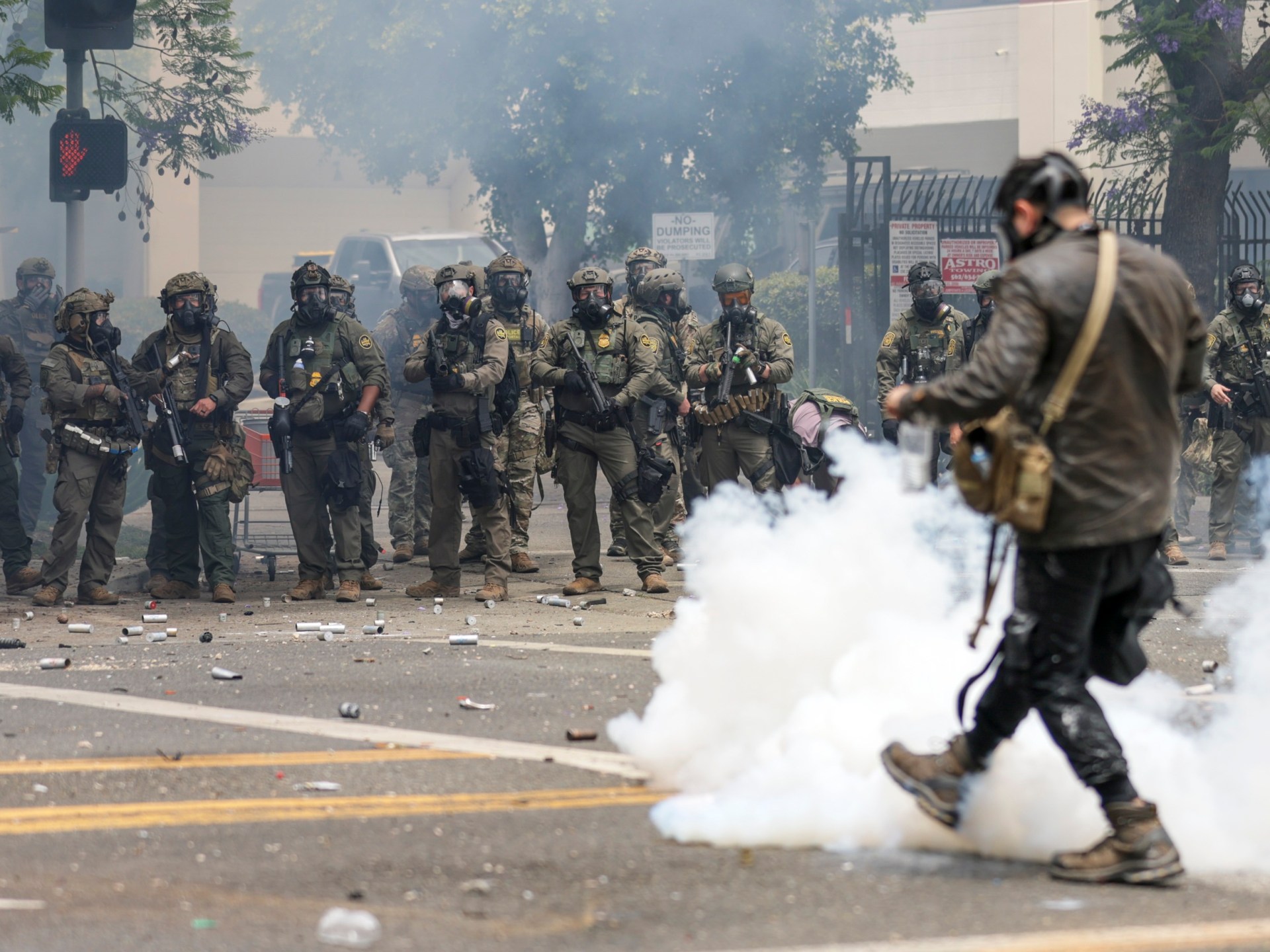
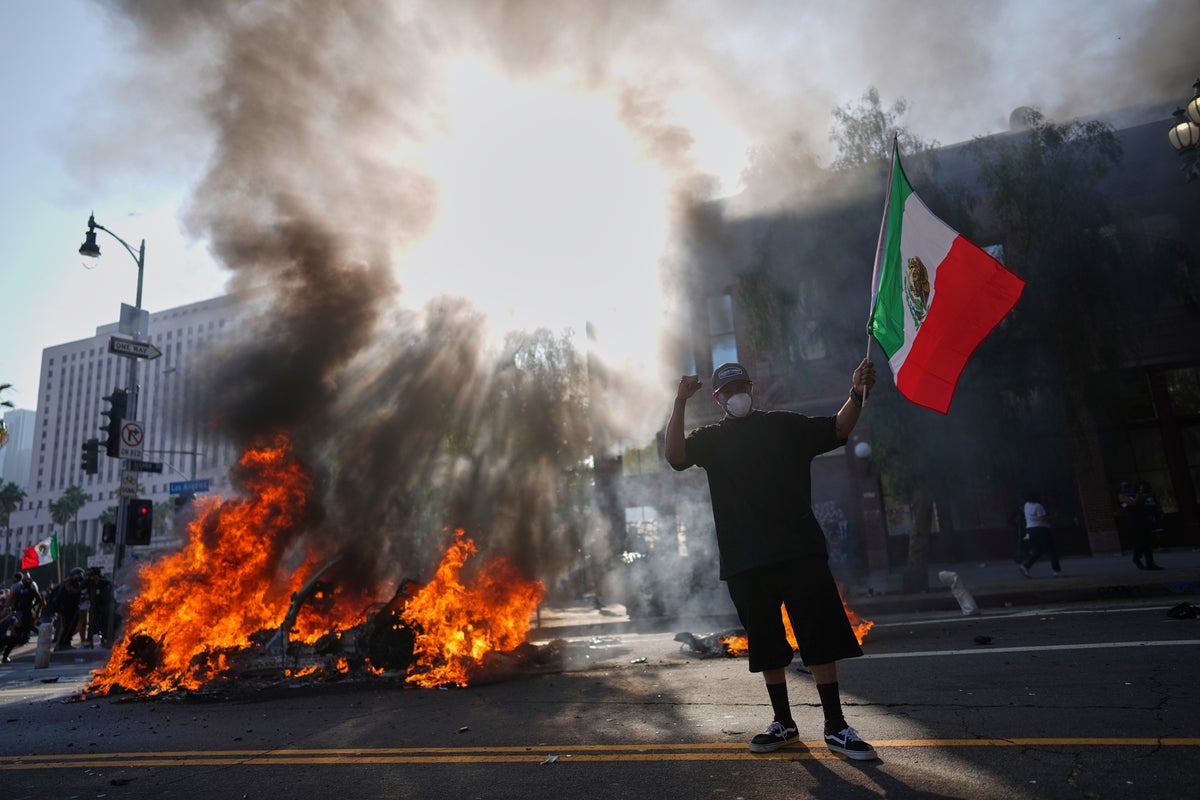
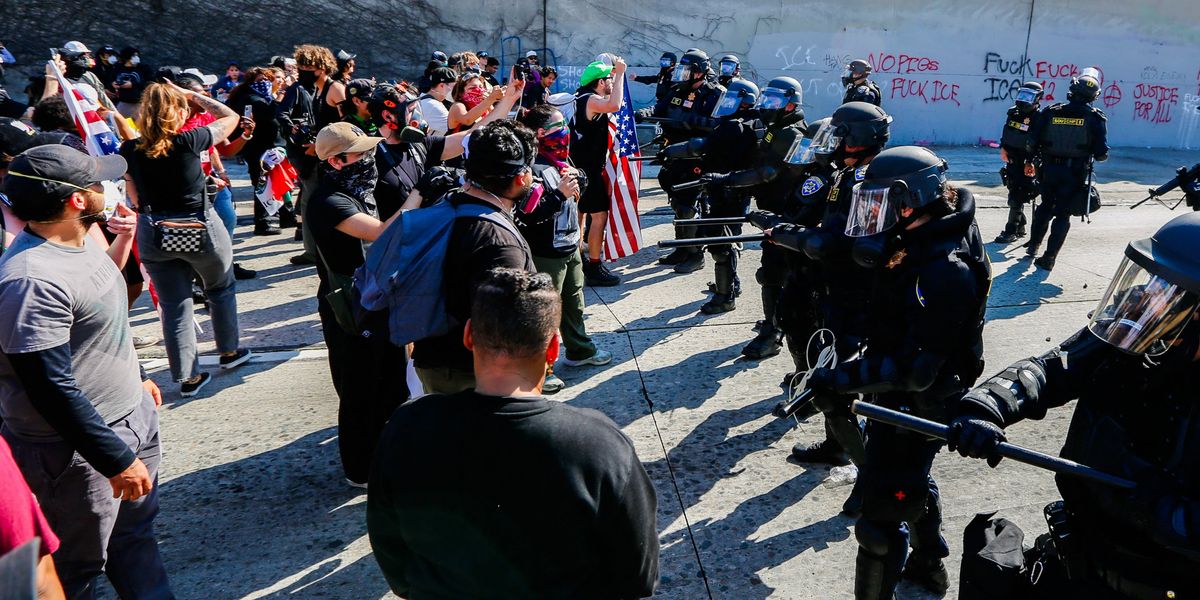
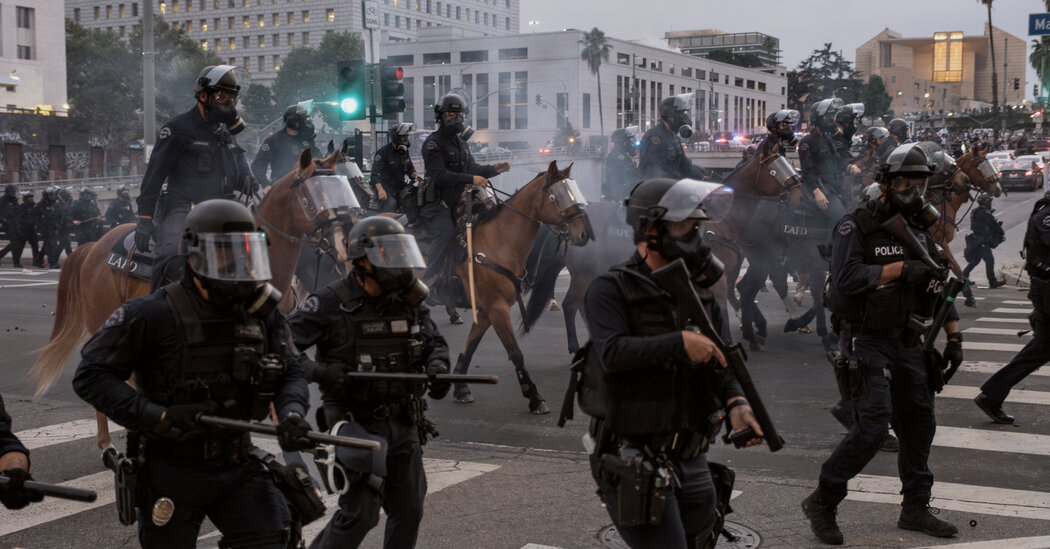
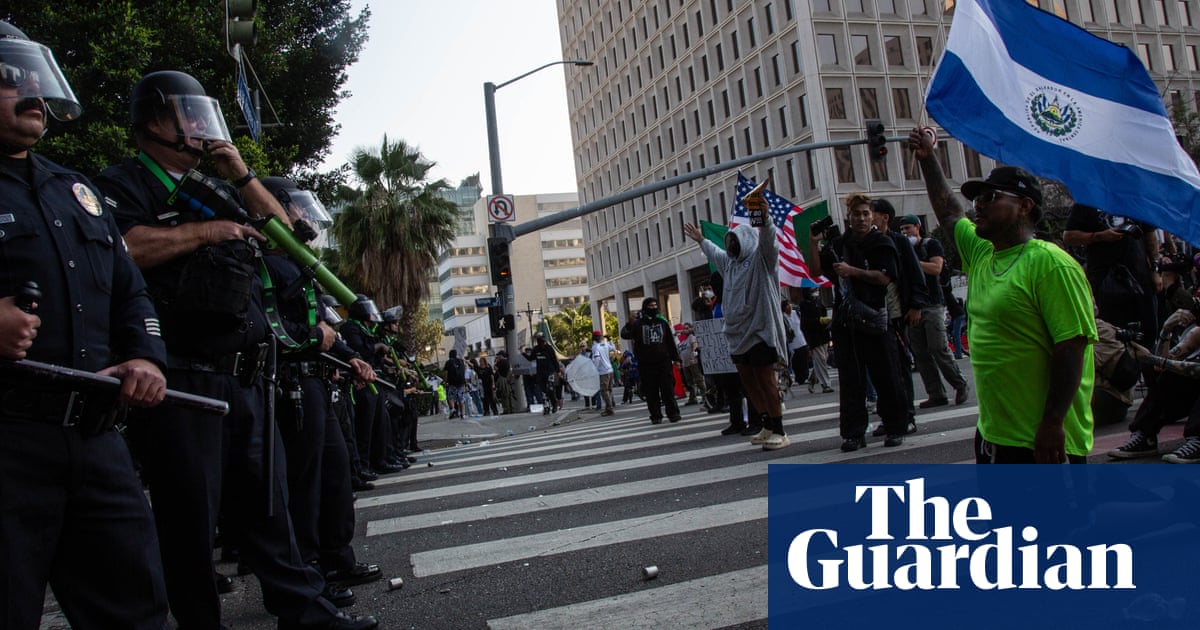
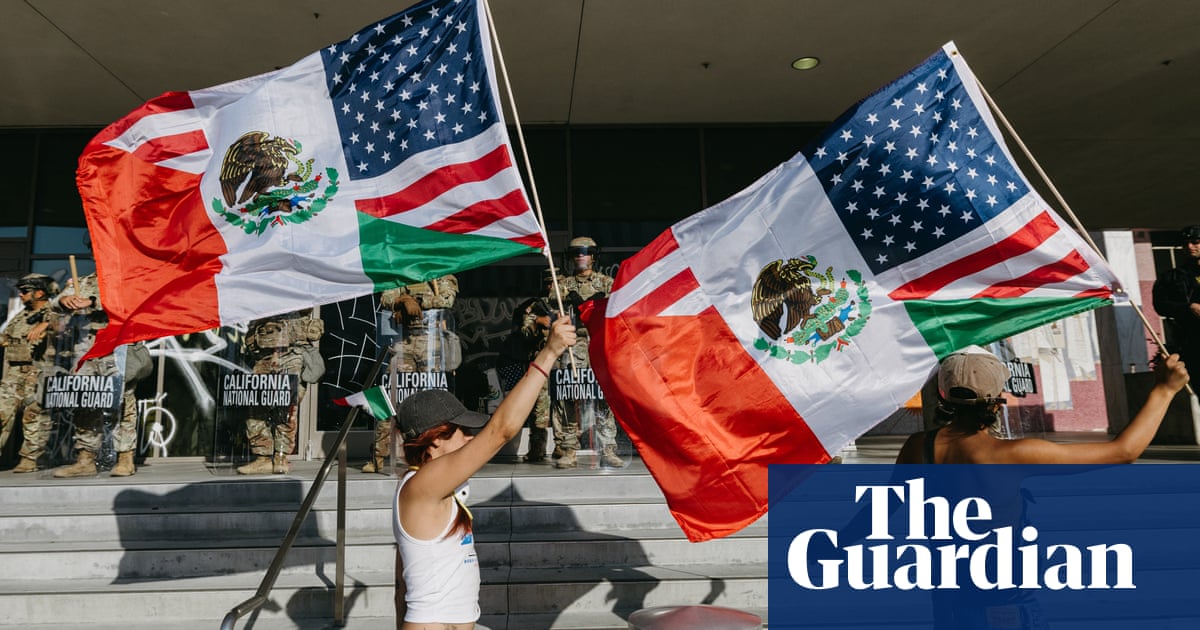
erves are frayed in Los Angeles, as the second largest city in the US is flooded with more than 2,000 federal troops tasked with protecting immigration enforcement officials after thousands of people hit the streets to protest deportation raids.
That this weekend’s immigration enforcement actions sparked a fierce response in LA will not come as a surprise to many Californians. LA’s immigrant roots, and its deep ties to neighboring Mexico, are central to the region’s identity.
Long before it was part of the US, LA was Indigenous Tongva and Chumash land. It later came under Spanish and then Mexican rule. The name “California” itself comes from a Spanish novel, Las sergas de Esplandián (The Adventures of Esplandián), and appeared on maps as early as 1541. But it wasn’t until 2 August 1769, that Spaniard Juan Crespi, a Franciscan priest accompanying the first European land expedition through California, described in his journal a “beautiful river from the northwest”. He named the river, which would later become the LA River, Nuestra Señora de los Angeles de la Porciúncula (Our Lady of the Angels of the Porciuncula). Twelve years later, in 1781, the settlement would emerge with the shortened and anglicized name of Los Angeles.