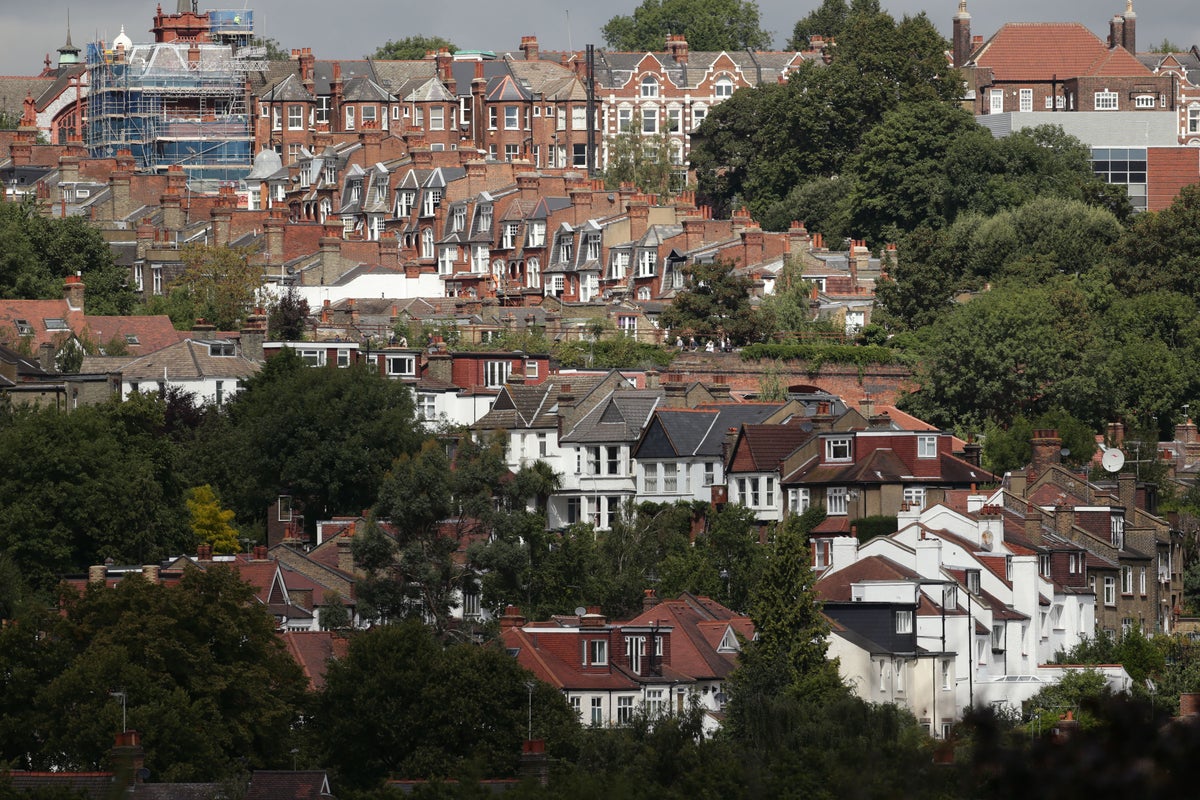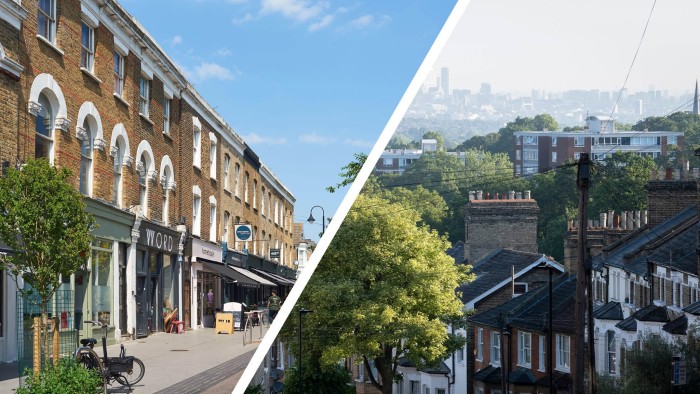
On a clear day in Crystal Palace, south London, it’s just possible to see beyond the Shard and the skyscrapers of the City to the forests surrounding another former village, Walthamstow, in the capital’s north-east. These two communities, 18 miles apart, are currently among London’s most on-the-up neighbourhoods, with house prices growing more than 45 per cent in the past decade and more than 100 per cent since 2008, according to research by Hamptons. Data from Savills suggests that Walthamstow has seen the biggest jumps in the UK, with prices now more than seven times higher than they were in 2000.
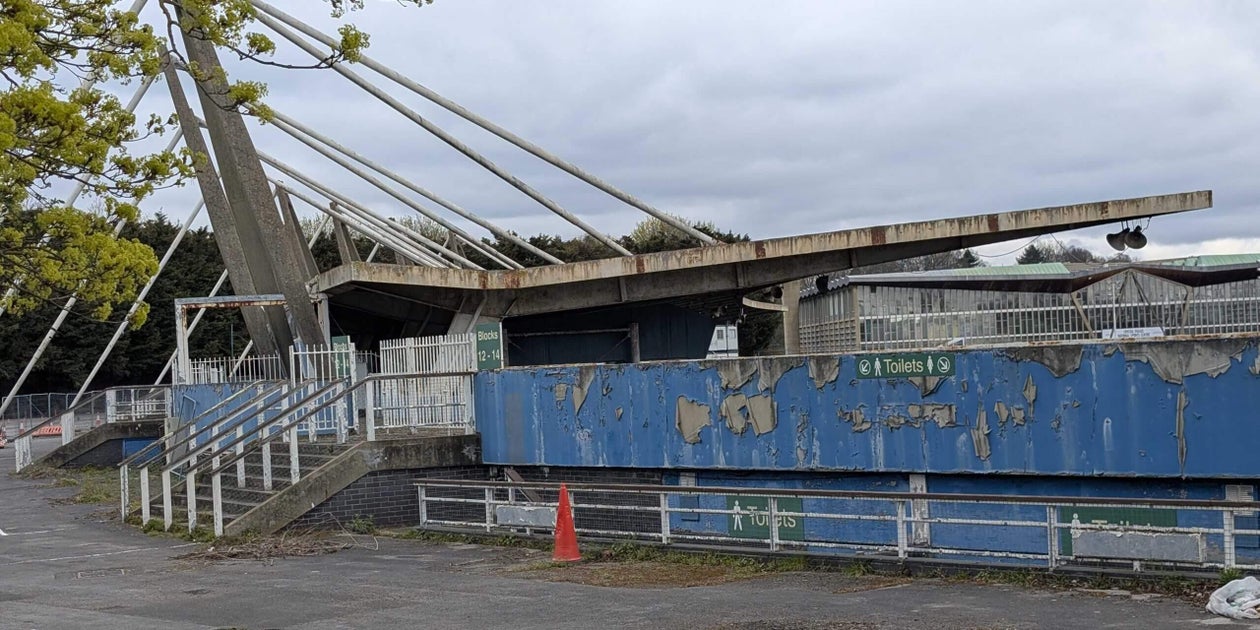
Crystal Palace, which sits on the borders of five south London boroughs and is named after Joseph Paxton’s Great Exhibition building relocated there in 1854 (now long gone after it burnt down in 1936), has a faded historic grandeur. It still bears the landscaped park around the former palace, which includes a 19th-century maze, Italianate garden and trail of life-sized dinosaurs, and is currently undergoing a multimillion regeneration programme.
Walthamstow has more ancient bones — dotted among the Victorian streets are remnants of the village recorded in the Domesday Book as Wilcumestowe (“place of welcome”). St Mary’s church dates from the 12th century and opposite it, the 15th-century, timber-framed Ancient House is the oldest residential building in London. In the borough of Waltham Forest, the area is a scrubbed-up former dormitory for 19th-century railway workers that became a haven for artists and creatives. Now, thanks in part to receiving £17.2mn “levelling-up” funding in 2023 to regenerate the high street, it’s being mainlined by those on higher incomes. According to Neil Collins, founder of local estate agency Estates East, City workers like the way they can be at their desks in 20 minutes, and there are enough amenities and attractions to stay local on the weekends.