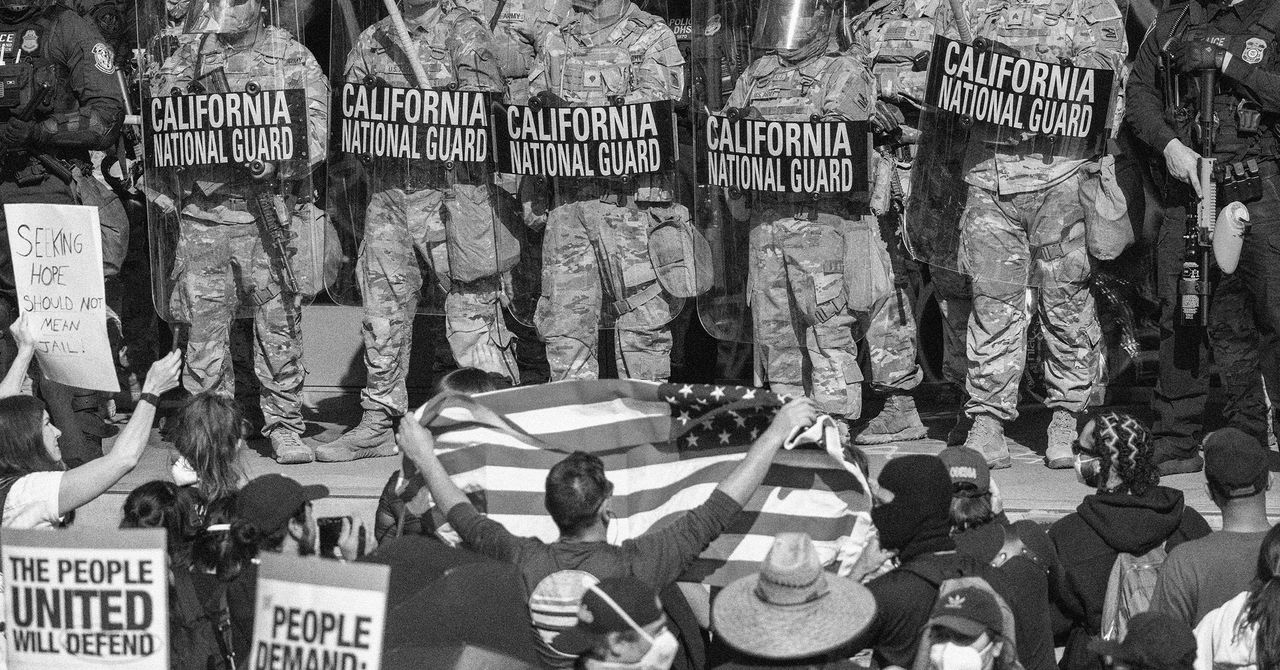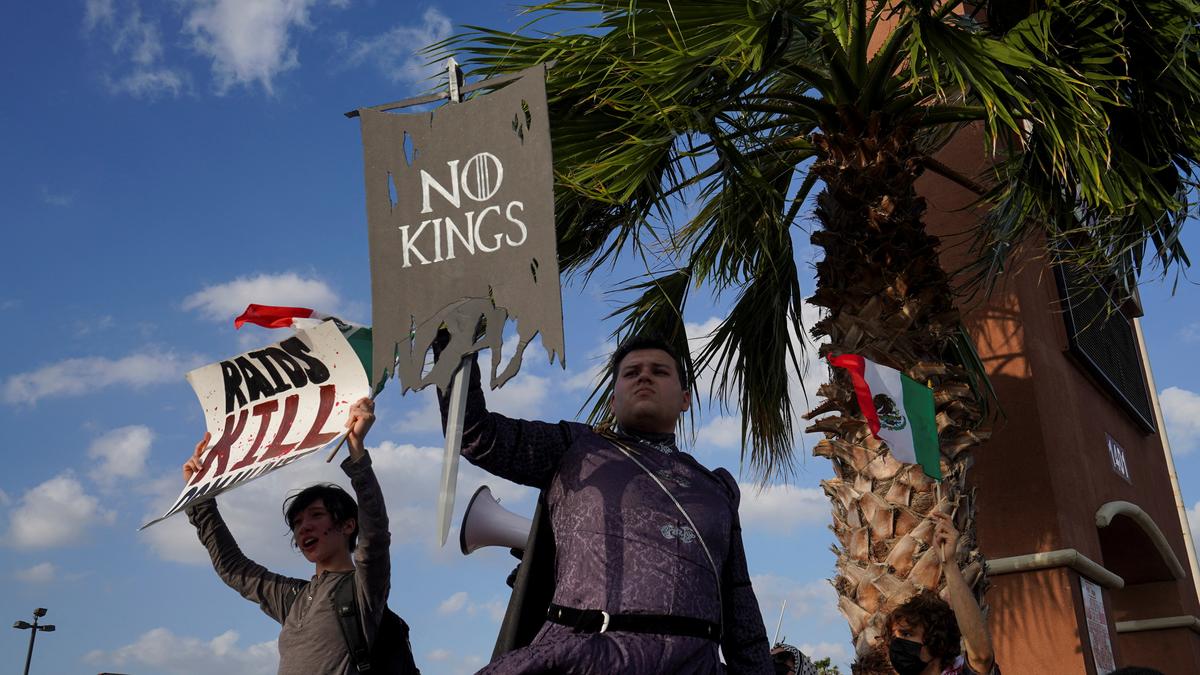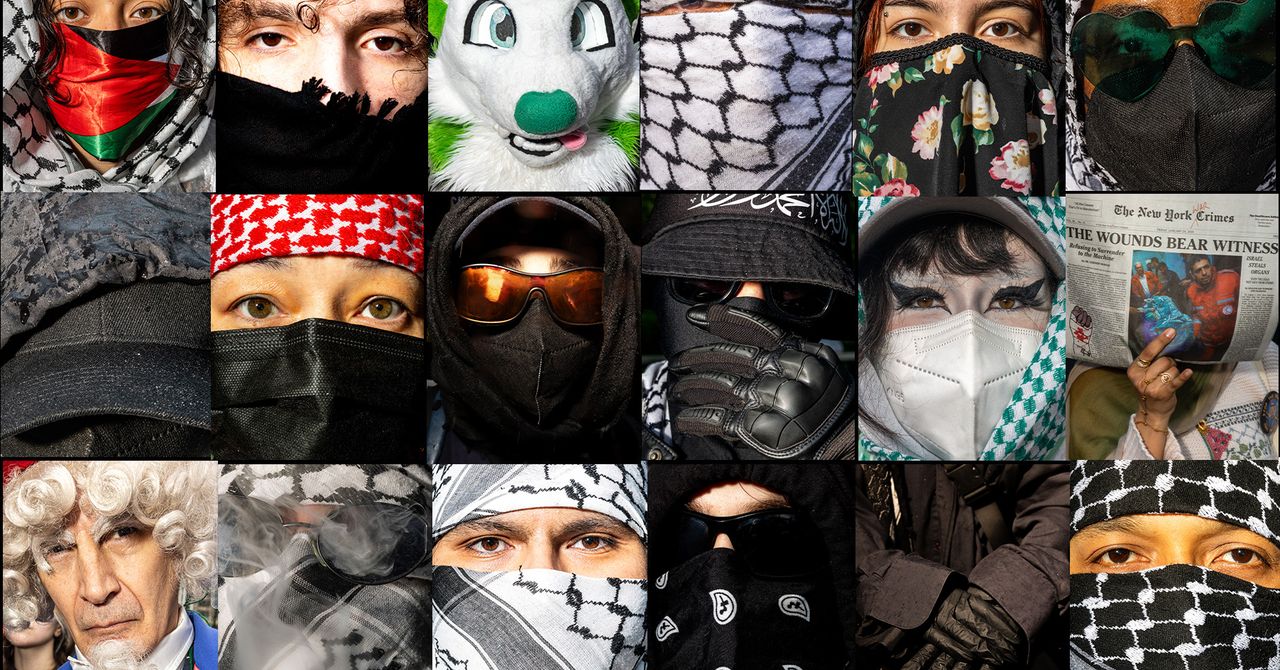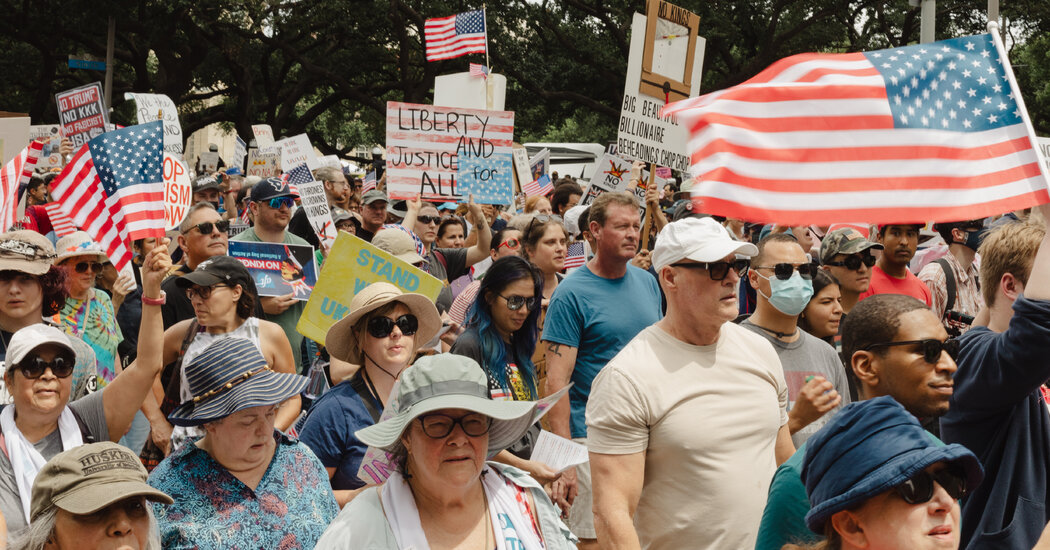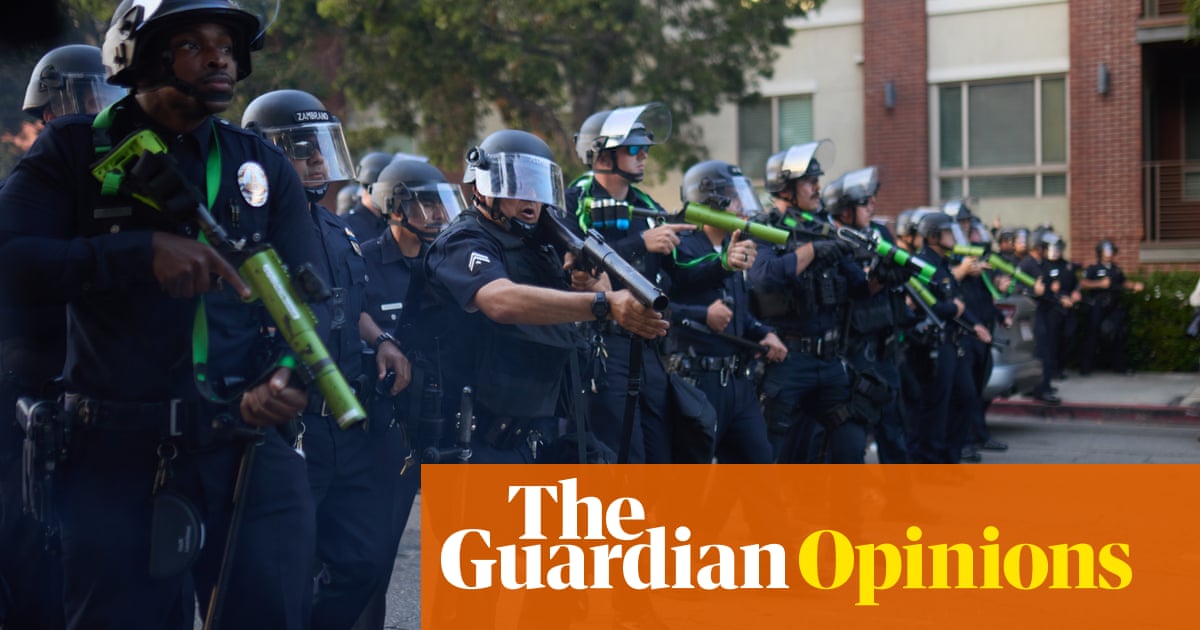
Standing by one’s identity makes sense in certain contexts. But there is a host of valid reasons for lawful demonstrators to remain anonymous
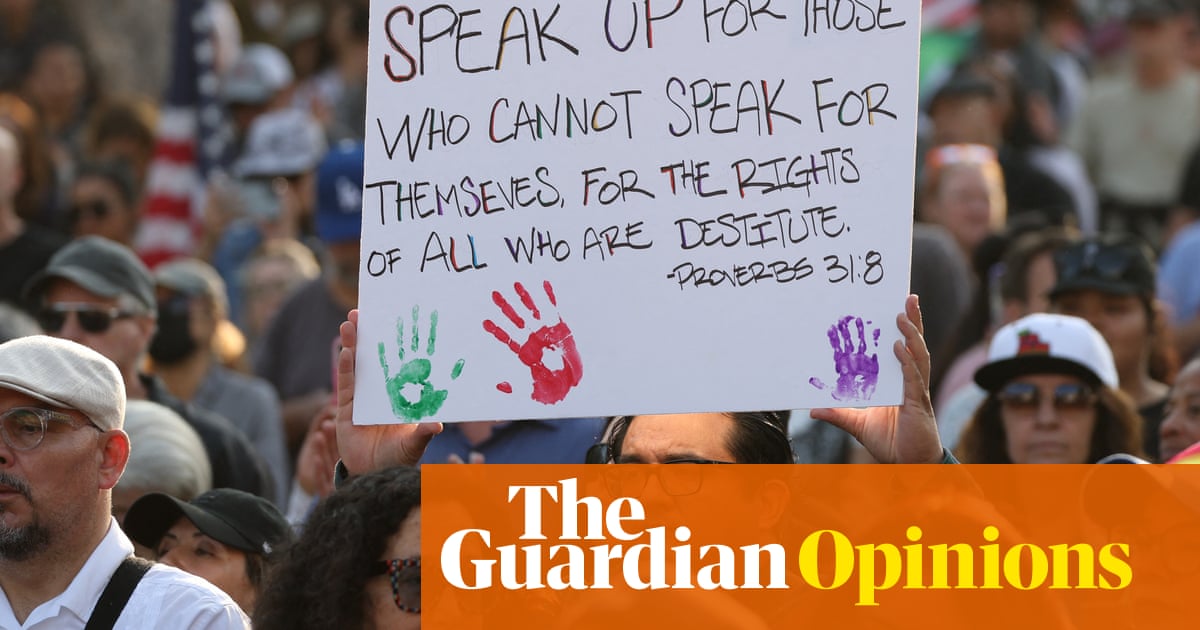
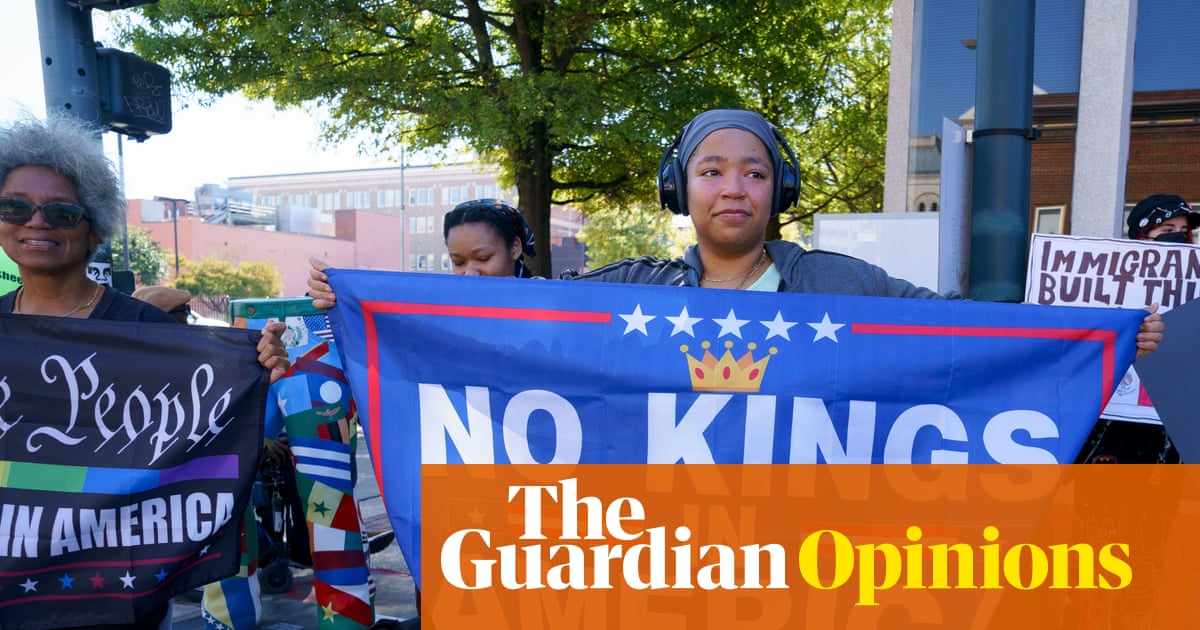
o protesters have a right to hide their faces? Donald Trump, who likes to show and see his own face as often as possible, clearly does not think so. One demand to universities has been that they outlaw masking at demonstrations; in response to protests in California, the US president demanded on social media that anyone wearing a mask be arrested immediately.
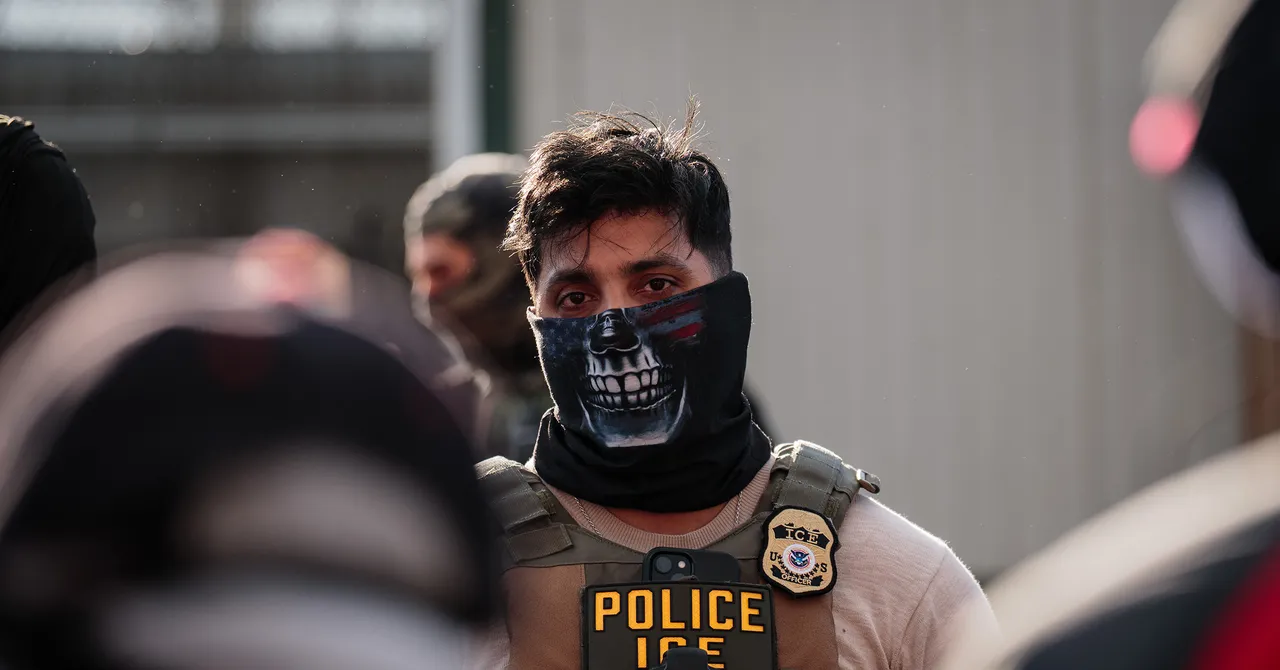
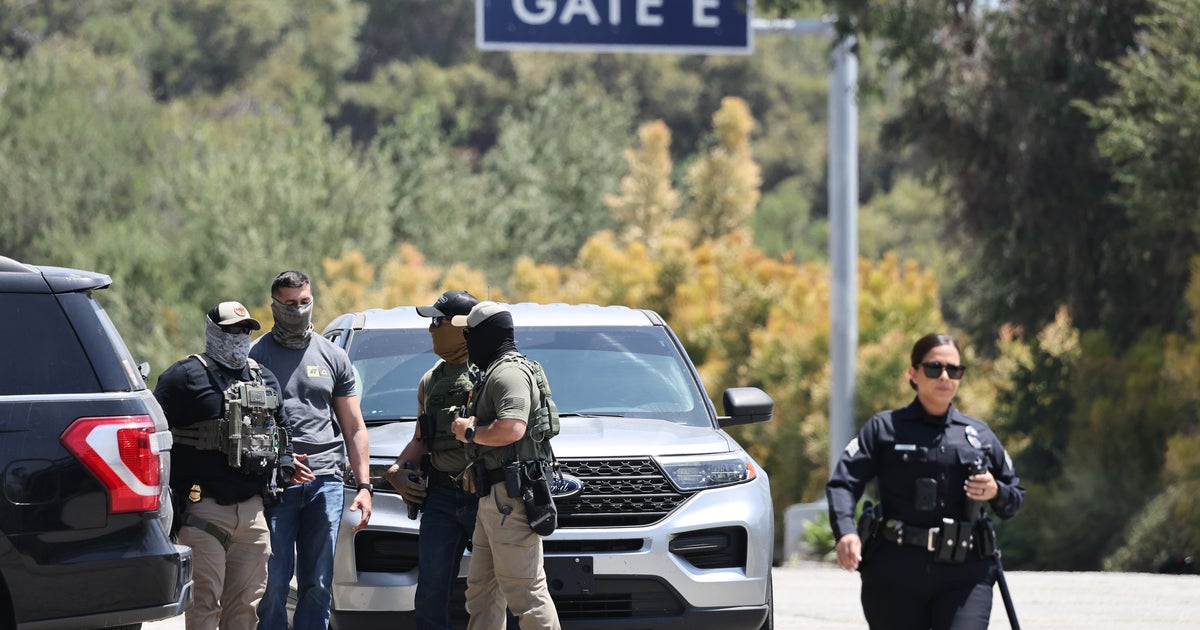
Never mind the apparent double standard, as Ice agents refuse to take off face coverings and hide their name tags, defying any accountability; there is a widespread sense that standing by one’s identity is a crucial part of standing up to unjust power. In fact, that intuition is at the core of civil disobedience. But it is not plausible in our present moment; what’s more, there is a long countervailing tradition of validating citizens’ right to anonymity. As recently as the mid-1990s, it was affirmed by none other than the supreme court.
Lawful protest is categorically different from civil disobedience, though much current commentary conflates them. In civil disobedience, citizens openly – or even, as Martin Luther King Jr put it, “lovingly” – break the law; they make themselves identifiable to the authorities and are willing to accept punishment (but hope that they will not be treated like ordinary criminals). This strategy serves multiple purposes: it demonstrates moral seriousness, it flags “highest respect for the law” in general (MLK again) and it counts on a majority coming to see the injustice these loving lawbreakers are flagging – and then change things.